
Film
Cecil B. Demented
Cecil B. Demented is John Waters' anarchic love letter to cinema obsession: a scrappy film-within-a-film where a deranged auteur and his ragtag crew kidnap a major star to force her into their guerrilla masterpiece. It's chaotic, quotable, and utterly committed to its own ridiculousness. For anyone who finds mainstream filmmaking suffocating and thinks kidnapping could be funny if done with enough energy and conviction.
If you liked this
Singin' in the Rain1952
The ultimate showbiz love story, where cinema itself is the real romance. Melanie Griffith's kidnapped star echoes the surrender to filmmaking obsession that Gene Kelly embodies, though Waters inverts every note.
But If you need darkness in your satire, this is too earnest and joyful. The technicolor optimism might feel saccharine after Cecil's grime and attitude.

Contempt1963
Godard's film-about-filmmaking tragedy where a director's vision corrodes everything around it. Same obsessed auteur destroying a marriage; Waters asks what happens when the obsession wins completely.
But Slow, philosophical, and genuinely mournful. Completely serious where Cecil is anarchic. Requires patience and film theory mood.

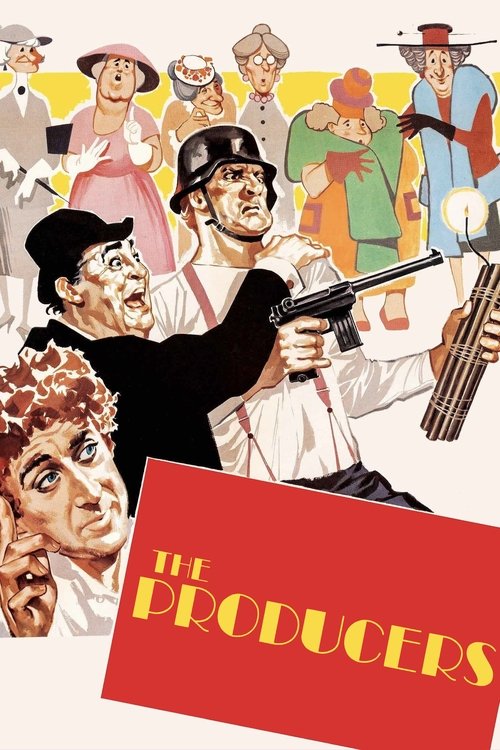
The Producers1968
Mel Brooks' genius satire of showbiz fraud and spectacle. The anarchic energy, the devoted crew of weirdos, the gleeful amorality—Cecil learned from this template and cranked every dial to eleven.
But Longer and wordier, leaning on satirical intelligence rather than visual punk. The humor lands differently when it's not about kidnapping an actual person.
Not sure tonight? Get a pick in a minute, starting from Cecil B. Demented
The wildcard
Something you would not have found on your own.
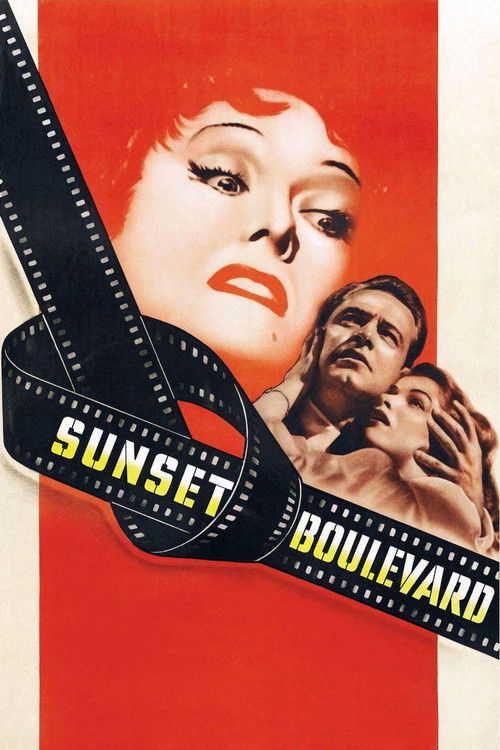
Sunset Boulevard1950
Both are films about captivity to cinema, but Sunset asks what if the star wanted to be trapped? What if the cage was her design?
Billy Wilder's inversion: the star is trapped not by a kidnapper but by her own hunger for the camera, her own need to be needed. The obsession runs both directions. Where Cecil is punk energy, Sunset is the nightmare it becomes.
But It's a tragedy about delusion and decay. Gorgeous but suffocating, with zero affection for cinema—it sees show business as a machine that destroys people.
More like this (8)
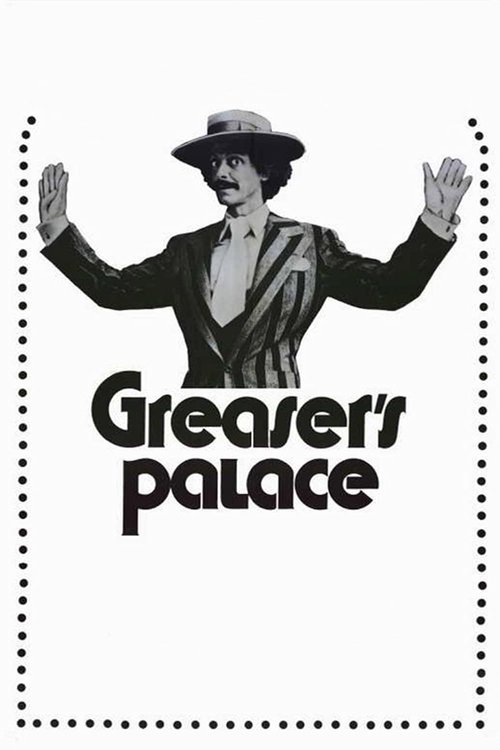
Greaser's Palace1972
Robert Downey Sr.'s avant-garde provocation about a Christ-figure punk rock messiah. Raw, transgressive, formally bizarre—this is the underground cinema tradition Waters channels, decades earlier and even more unhinged.
But Genuinely difficult. No narrative throughline, shock for shock's sake, and a 1970s indie sensibility that demands you meet it halfway. Potentially offensive and tedious simultaneously.
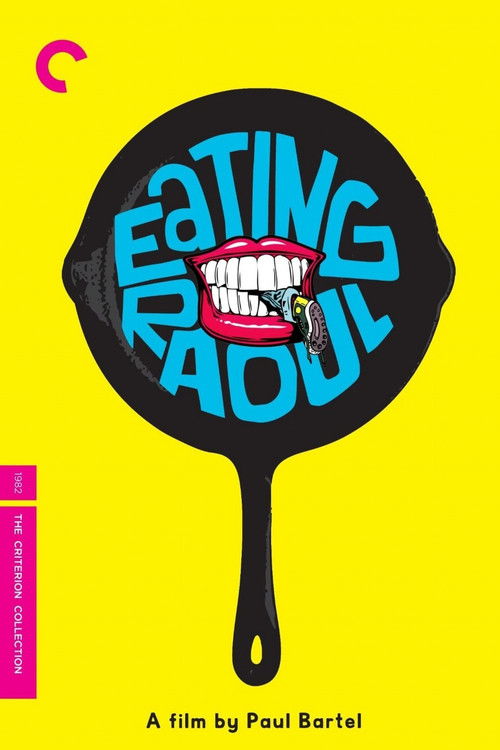
Eating Raoul1982
A bourgeois couple systematically murders swingers for profit. Perfectly pitched black comedy about the gap between suburban morality and brutal action. Same tone: cheerful sociopathy, zero apologies.
But Darker and more genuinely transgressive than Waters. If you want Cecil's energy without the winking, this might be too committed to its own nastiness.
Adaptation.2002
Charlie Kaufman's meta-spiral about a screenwriter trying to adapt the unadaptable, descending into madness. The obsessed filmmaker destroying everything in service of the work—same engine as Cecil, dressed in existential dread instead of punk energy.
But Intellectually dense and ultimately bleak. The humor is cerebral and wary where Cecil is deliriously confident. Requires serious attention.

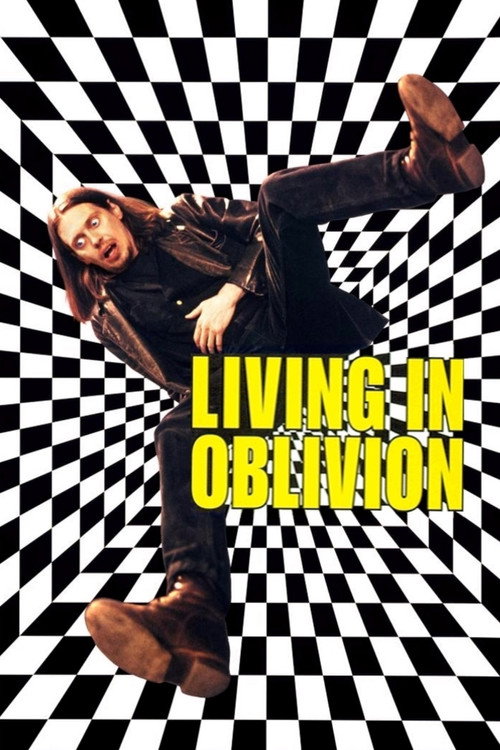
Living in Oblivion1995
Tom DiCillo's indie film-within-a-film comedy about a low-budget shoot falling apart. Shows the actual logistics of guerrilla filmmaking without the kidnapping, but with the same affectionate chaos and obsessive crew.
But Smaller scale and gentler. The stakes feel lower and the desperation less funny when nobody's breaking laws or moral codes.
Mulholland Drive2001
Lynch's labyrinth of failed Hollywood dreams, actresses consumed by cinema, the thin line between fan and predator. Darker, more melancholic than Cecil, but the obsession with cinema-as-all-consuming is identical.
But Deliberately obscure, slow, and requires interpretation. If you want plot clarity and catharsis, this offers neither. Genuinely depressing.

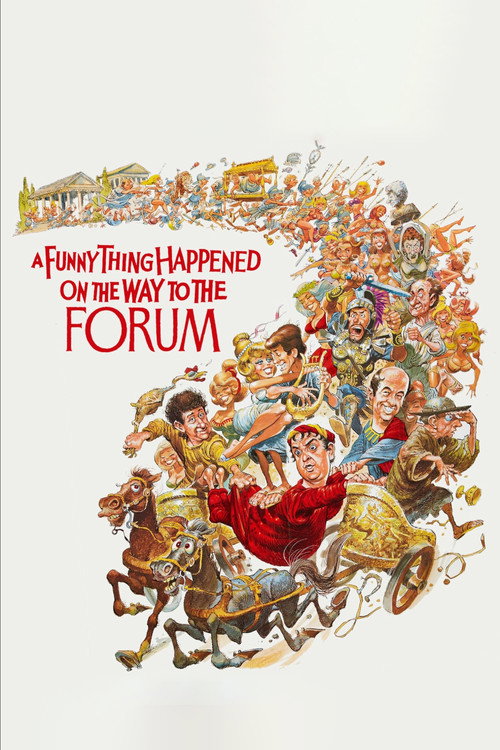
A Funny Thing Happened on the Way to the Forum1966
Sondheim's chaotic theatrical energy translated to film. Ensemble comedy with zero regard for plausibility, everyone committed to absurdity. Similar spirit of controlled pandemonium, just with fewer felonies.
But Theatrical and broad. The humor lands on dialogue and situation rather than edge or transgression. Might feel quaint compared to Cecil's anarchic vibe.
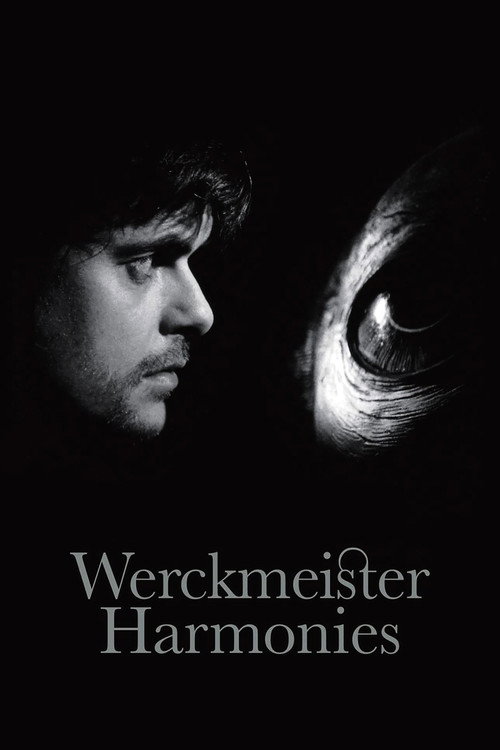
Werckmeister Harmonies2001
Opposite poles of the same truth: cinema's power to reshape reality. Cecil weaponizes it with glee; Werckmeister watches it poison from inside.
Béla Tarr's 145-minute Hungarian elegy about apocalyptic cinema brought to a small town. A traveling film program becomes the catalyst for social collapse. Formally hypnotic, morally oblique, genuinely alien to American filmmaking.
But Black-and-white, glacially slow, in Hungarian with no plot you'd recognize. A test of patience. It makes Cecil look like Marvel. Demands a completely different viewing muscle.
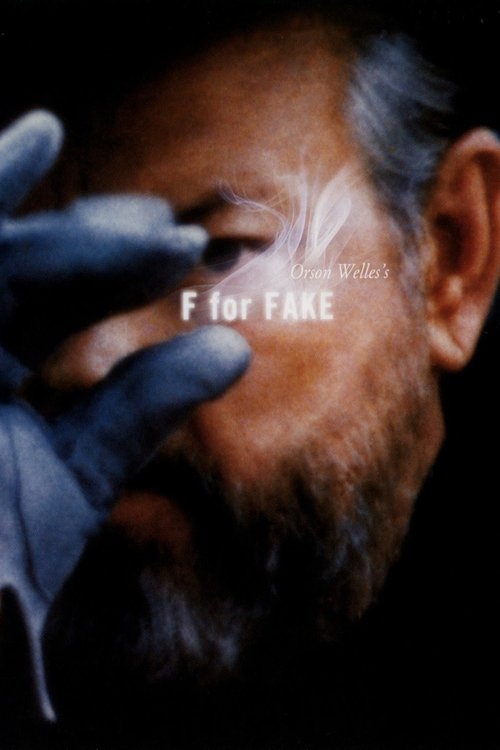
F for Fake1973
Both films are ultimately about cinema's seductive lie: that performance can *become* reality if you commit hard enough. Both prove it.
Welles' 85-minute essay-film built on lying, performance, and the blurred line between real and fabricated. Every frame questions what you're seeing. Cecil's kidnapping caper by way of Welles' alchemy: the same game of what's real.
But Not a narrative. It's a magician's demonstration of how cinema lies, which is thrilling but abstract. No star kidnapping, no plot to anchor you. Requires thinking actively.
People
Cast
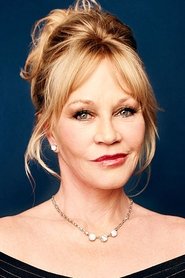 Melanie GriffithHoney Whitlock
 Stephen DorffCecil B. Demented
 Alicia WittCherish
 Adrian GrenierLyle
 Maggie GyllenhaalRaven

 Jack NoseworthyRodney
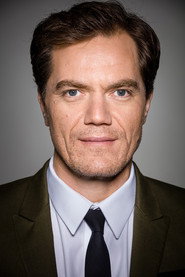 Michael ShannonPetie
- Harry DodgeDinah
- Eric BarryFidget
- Zenzele UzomaChardonnay

Directing
- John WatersDirector
- Benita AllenFirst Assistant Director
- Christine MooreScript Supervisor
- Steve M. DavisonSecond Unit Director
Writing
- John WatersWriter
Production
- Pat MoranAssociate Producer
- Billy HopkinsCasting
- Kerry BardenCasting
- Pat MoranCasting
- Suzanne Smith CrowleyCasting
- Anthony DeLorenzoExecutive Producer
- Fred BernsteinExecutive Producer
- John FiedlerProducer
- Joseph M. Caracciolo Jr.Producer
- Mark TarlovProducer