
Film
Two-Lane Blacktop
Two-Lane Blacktop is a strange, hypnotic road film about two men obsessed with speed and their car, racing across America against a stranger for reasons that barely matter. It's more mood and asphalt than plot—long, quiet stretches punctuated by mechanical precision and the kind of loneliness that comes from movement without destination. For those who love films that trust atmosphere over narrative.
Should you watch it?
Watch it if you love road movies where the journey matters more than the destination, and you're drawn to laconic characters, sparse dialogue and the hum of an engine filling a silence, much like the spirit of Easy Rider.
Skip it if you need a clear plot engine or characters who explain themselves, since almost nothing is spelled out and the racing sits in the background of long, quiet stretches of highway.
What it asks of you: It runs about an hour and forty minutes at a deliberately unhurried pace, asking you to sit with long wordless drives and let the mood build rather than wait for events to pile up.
Not sure? Find tonight's pick in a minute.
If you liked this
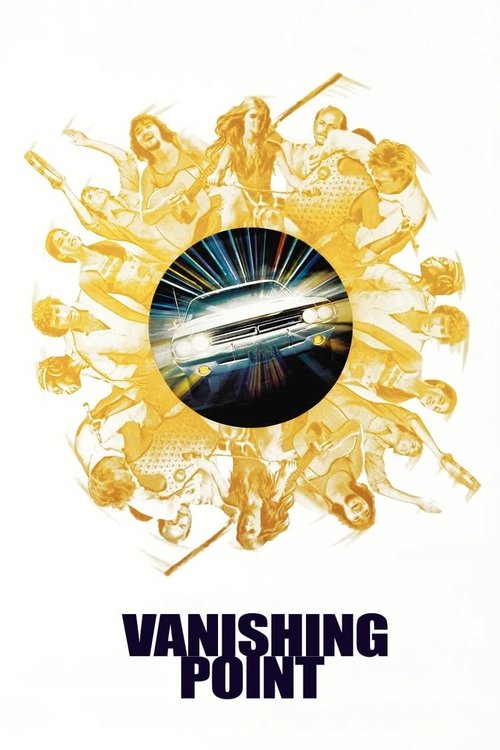
Vanishing Point1971
A getaway driver with nothing left to lose drives across America in a Dodge Challenger, chased by both law and his own demons. Pure kinetic poetry with a similarly fatalistic view of the open road.
But The plot is threadbare and the pacing demands patience. If you need story momentum, this won't deliver it.
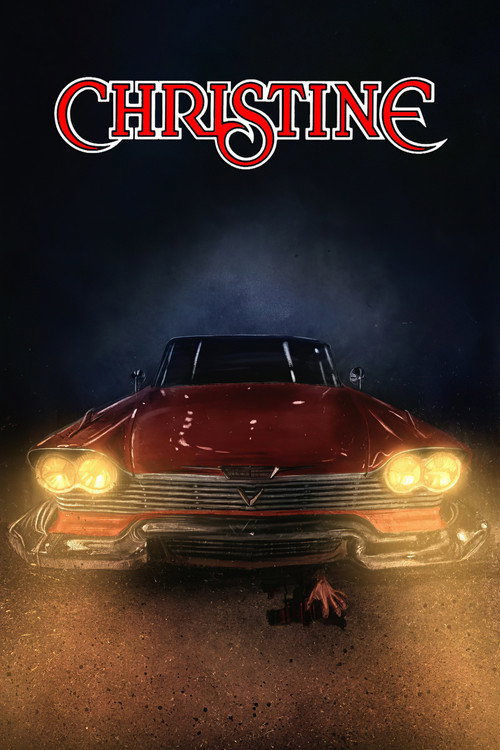
Christine1983
A teenage boy's obsessive love for a 1958 Plymouth Fury becomes romantic and horrifying by turns. John Carpenter captures that same fixation on a machine as an extension of self.
But It's a horror film with jump scares and gore. The tone is much darker and more explicitly violent than Two-Lane Blacktop.
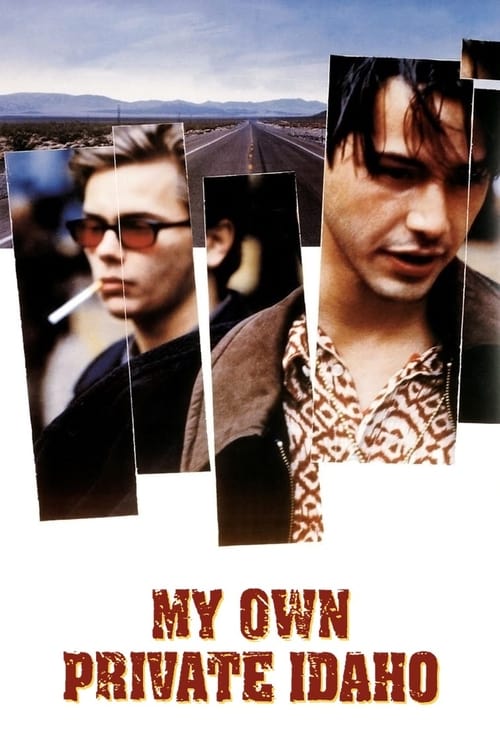
My Own Private Idaho1991
Two drifters navigate the American West—Portland to Idaho to Rome—in search of meaning and connection. Gus Van Sant's film shares the episodic structure and focus on movement as spiritual quest.
But It's about male hustlers and contains graphic sexual content. The narrative is more fragmented and the emotional core is rawer.
Not sure tonight? Get a pick in a minute, starting from Two-Lane Blacktop
The wildcard
Something you would not have found on your own.
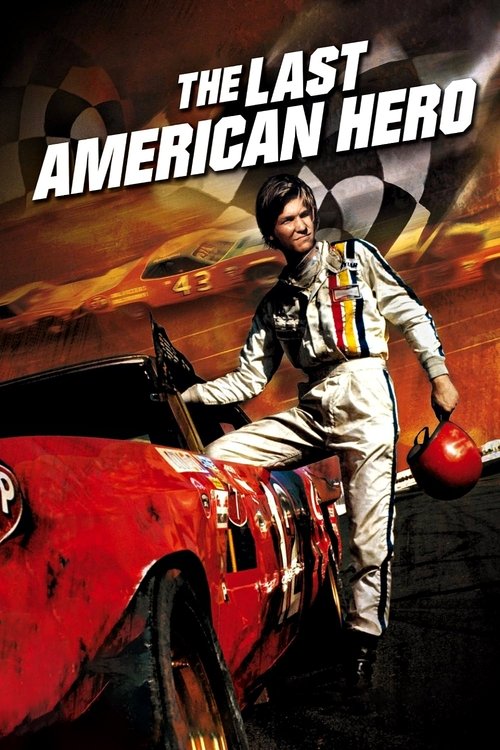
The Last American Hero1973
Both films understand that obsession with vehicles and speed can be a form of poetry, and both present it without irony or condescension.
Jeff Bridges plays a real-life stock car driver with genuine working-class hunger. Lamont Johnson captures the same obsession with machines and speed, but roots it in actual American culture—the sport, the poverty, the ambition.
But It's straightforward narrative cinema with character arcs and emotional climax—the opposite of Two-Lane's dissolution. If you loved the film for its refusal to resolve, this will feel conventional.
More like this (6)
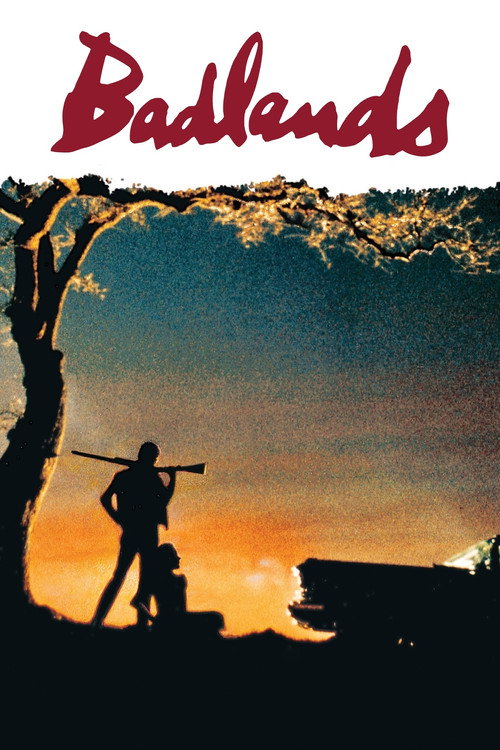
Badlands1973
Young lovers flee through the American landscape in a stolen car, pursued but unconcerned. Terrence Malick's debut has the same dreamy fatalism and obsession with the spaces between destinations.
But The romantic idealization of violence may feel uncomfortable. It's also slower and more impressionistic than you might expect from a lovers-on-the-run story.
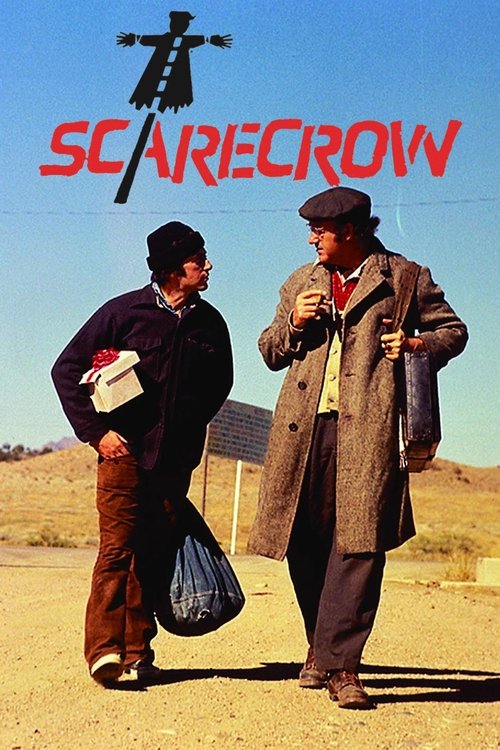
Scarecrow1973
Two drifters hitchhike across America toward an uncertain future, drawn together by circumstance and need. Al Pacino and Gene Hackman create an intimate portrait of male friendship on the road.
But The second half lurches into melodrama and loses the quiet observations that make the first half work. Some scenes feel overwrought.
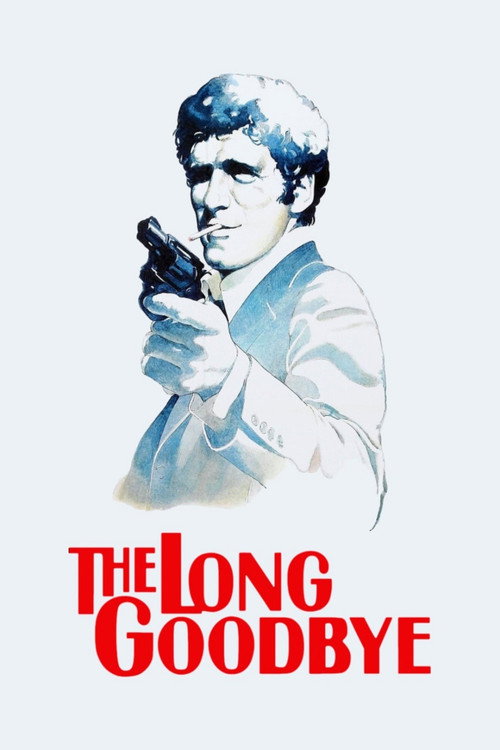
The Long Goodbye1973
Robert Altman's reimagining of a Raymond Chandler detective novel is shaggy, meandering, and more interested in atmosphere and detail than plot. It trusts the viewer to find meaning in fragments.
But It's deliberately anti-climactic and scattered. If you expect a tidy mystery, you'll be frustrated.
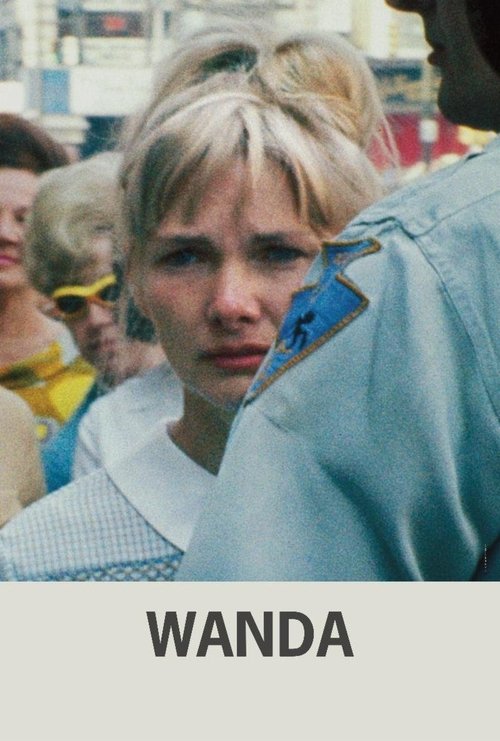
Wanda1970
A woman drifts through Pennsylvania with a small-time criminal, taking life as it comes without ambition or plan. Barbara Loden's film has the same non-judgmental observation of aimless movement.
But Nothing happens. The passivity of the lead character can feel like inertia rather than philosophical choice.
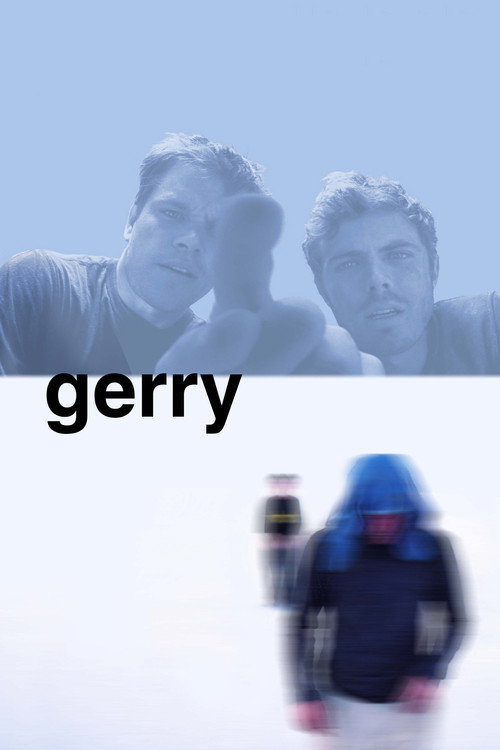
Gerry2002
Two young men walk across the American landscape with minimal dialogue, their journey the entire substance of the film. Gus Van Sant stretches the road-trip formula to its breaking point.
But It's a deliberate test of patience: long static shots, minimal plot, no conventional catharsis. Many find it unbearable rather than meditative.
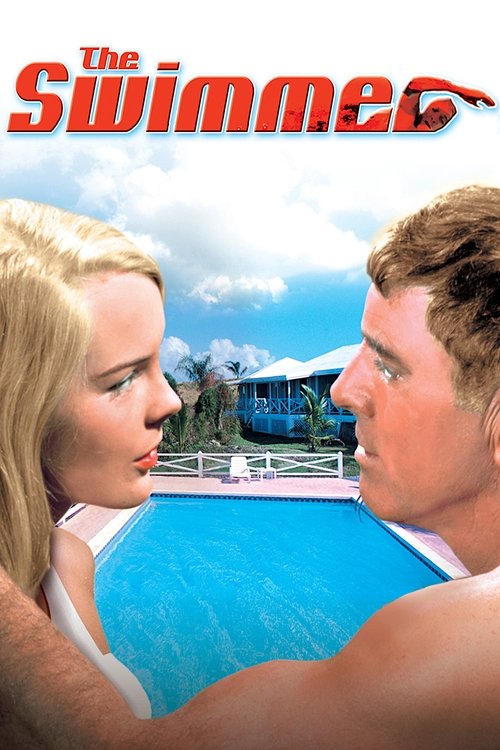
The Swimmer1968
Both films use physical movement across a familiar landscape as a metaphor for internal collapse. Both are quietly devastating and resist plot-driven satisfaction.
Frank Perry's film follows Burt Lancaster as a man swimming across Connecticut via a chain of backyard pools. It's a journey film like Two-Lane—the destination is almost irrelevant, the real subject is obsession and the landscape crossed.
But It's surreal and darkly comic in ways Two-Lane isn't. The tone shifts unpredictably. Some viewers find it arch or pretentious.
People
Cast
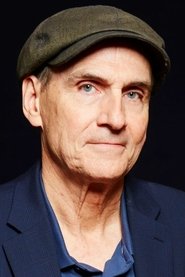 James TaylorThe Driver
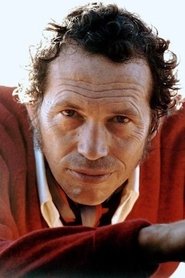 Warren OatesG.T.O.
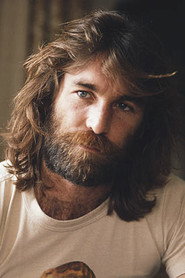 Dennis WilsonThe Mechanic
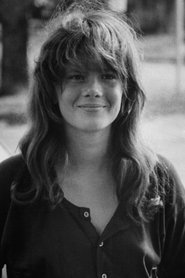 Laurie BirdThe Girl
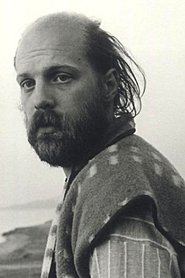 Rudy WurlitzerHot Rod Driver
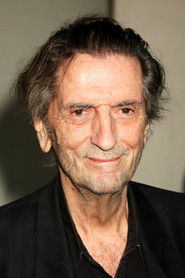 Harry Dean StantonOklahoma Hitchhiker
 Jaclyn HellmanHot Rod Driver's Girl
 Alan VintMan in Roadhouse
 Katherine SquireOld Woman
- Bill KellerTexas Hitchhiker
- David DrakeNeedles Station Attendant
- Richard RuthNeedles Station Mechanic
Directing
- Ken SworAssistant Director
- Monte HellmanDirector
- Bonnie PrendergastScript Supervisor
Writing
- Floyd MutruxScreenplay
- Rudy WurlitzerScreenplay
- Will CorryScreenplay
- Will CorryStory
Production
- Gary KurtzAssociate Producer
- Fred RoosCasting
- Jennifer ShullCasting
- Steven HenschelLocation Manager
- Michael LaughlinProducer
- Lee WennerProducer's Assistant
- Beverly WalkerPublicist
- Walter CoblenzUnit Production Manager
Recommended by
Easy Rider, Haywire, California Split, Smokey and the Bandit, Bullitt, Christine, Dust to Glory, Wise Blood, Death Proof, Vanishing Point, Zabriskie Point, C'était un rendez-vous, Faster, Pussycat! Kill! Kill!, Winning, The Racers, Driven, Big Wednesday, Symbiopsychotaxiplasm: Take One, Greaser's Palace, Cherry, Harry & Raquel!, The Last American Hero, Fast Company, Counting Cars, The Gypsy Moths, The Rain People, Eat My Dust, Wonderwall, Cockfighter, The Sterile Cuckoo, Stroker Ace, Bring Me the Head of Alfredo Garcia, Grand Theft Auto, Teesri Kasam, The King of Marvin Gardens, Dirty Mary Crazy Larry, Daisies, In Old Arizona, One from the Heart, Fireball 500, Speedway, Summer of Love, Psych-Out, Pickup on 101, Convoy