
Film
Psych-Out
A deaf runaway searches for her brother in 1968 Haight-Ashbury, falling in with a psychedelic rock band navigating love, exploitation, and authenticity. Psych-Out is a period piece that treats its counterculture setting with genuine curiosity rather than mockery, anchored by Susan Strasberg's quietly expressive performance. It's for anyone drawn to how cinema captures specific moments in time, or curious about the era beyond the clichés.
If you liked this
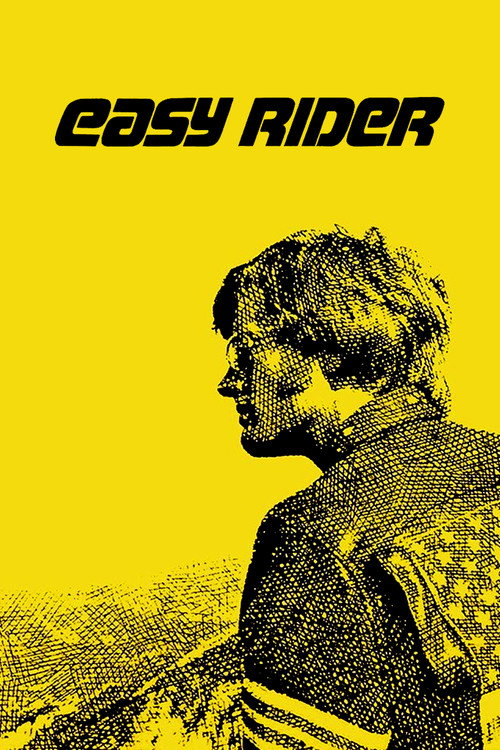
Easy Rider1969
A seismic shift in American cinema about freedom and disillusionment. Like Psych-Out, it captures a real cultural moment with an outsider's eye, but with greater budget and ambition. Essential viewing alongside this film.
But The pacing is deliberate—sometimes glacial—and it rewards patience more than it rewards plot. Some of the dialogue hasn't aged as gracefully as the themes.
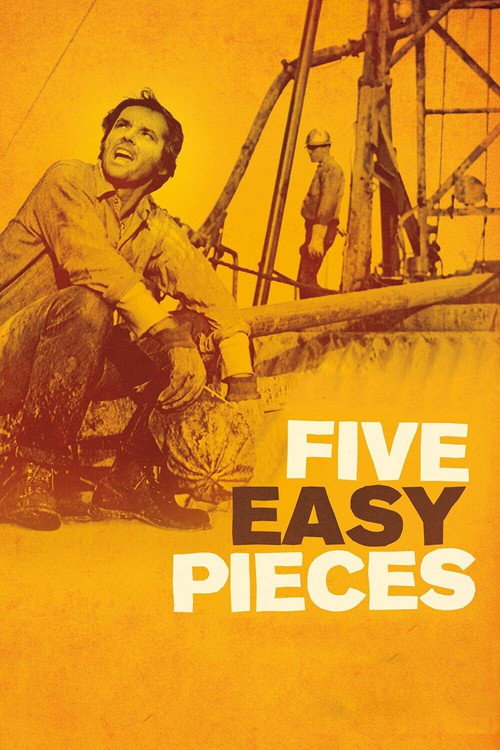
Five Easy Pieces1970
Jack Nicholson at his most compelling, playing a man caught between worlds much like several characters here. It has the same DNA of counterculture anxiety and class tension, delivered with tremendous acting and precision.
But It's darker and colder than Psych-Out, with less music and more dread. If you want warmth or redemption, you won't find much of it.
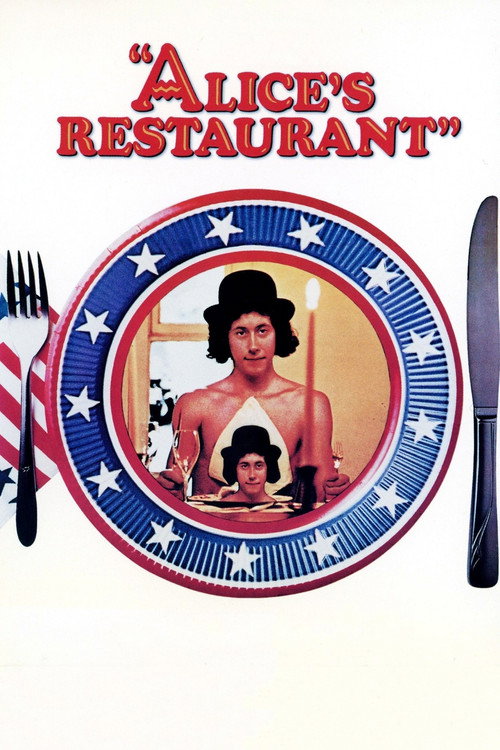
Alice's Restaurant1969
Arlo Guthrie's film adaptation captures the same freewheeling, music-soaked approach to counterculture life. It's funny, strange, and deeply of its moment—a documentary-like portrait of a specific community and its values.
But It meanders intentionally, which some mistake for formlessness. The charm is in the digression, but that's not for everyone.
Not sure tonight? Get a pick in a minute, starting from Psych-Out
The wildcard
Something you would not have found on your own.
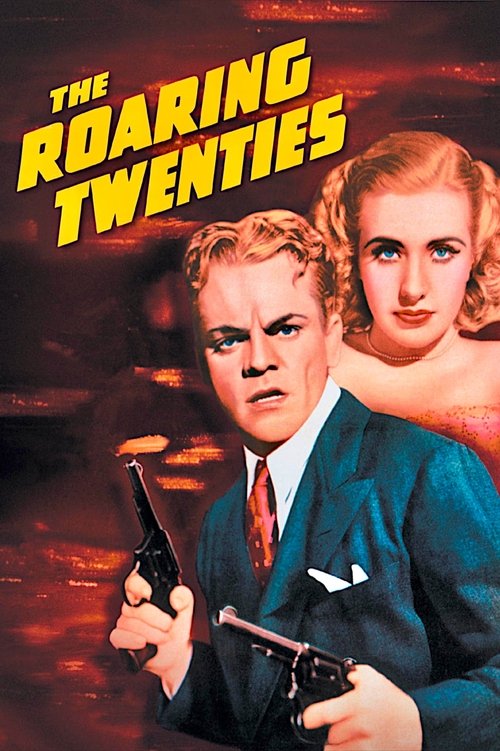
The Roaring Twenties1939
Both use a specific subculture (Jazz Age crime, Haight-Ashbury rock) as a lens to examine how communities form, corrupt, and scatter. Same structure, different eras.
A gangster film made nearly thirty years before Psych-Out, but structurally identical: young people arriving in a vibrant urban subculture, finding community and danger, watching idealism corrode. It proves the film's themes transcend the 1960s.
But It's in black and white and moves at a very different pace. The slang and gender dynamics are period-specific in ways that can feel dated. You have to listen carefully.
More like this (7)
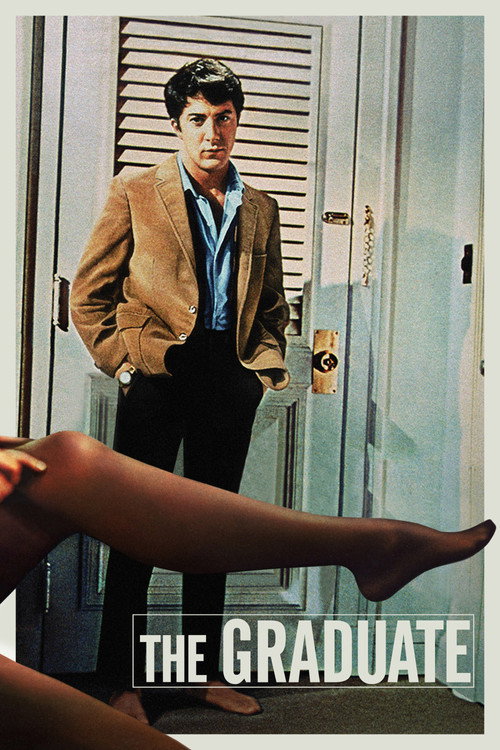
The Graduate1967
Mike Nichols' masterpiece about a young man adrift in a society that wants to consume him. It shares Psych-Out's concern with authenticity versus ambition, but arrives at darker, more sophisticated conclusions.
But It's a very different film—urban, satirical, focused on seduction rather than community. If you want the countercultural spirituality of Psych-Out, this offers cynicism instead.
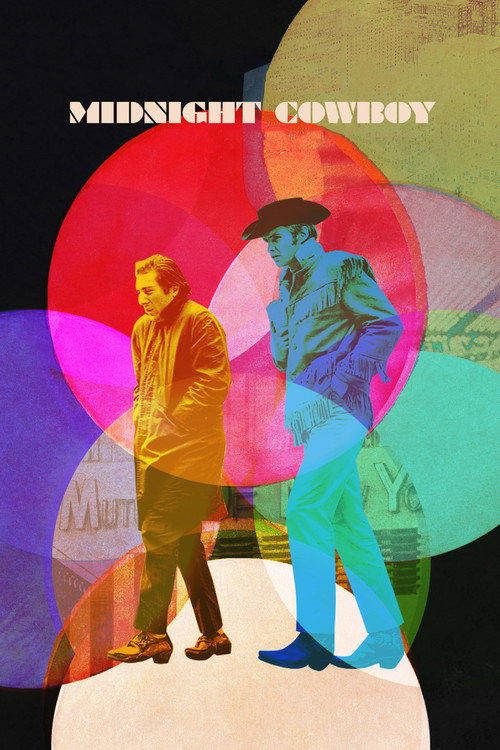
Midnight Cowboy1969
A grim, unflinching look at young people adrift in a major city. Like Psych-Out, it features runaways navigating exploitation and connection, but it leans into tragedy where Psych-Out finds hope.
But This is genuinely harrowing and sexually explicit. It's the darker ending to Psych-Out's story, and that weight is relentless.
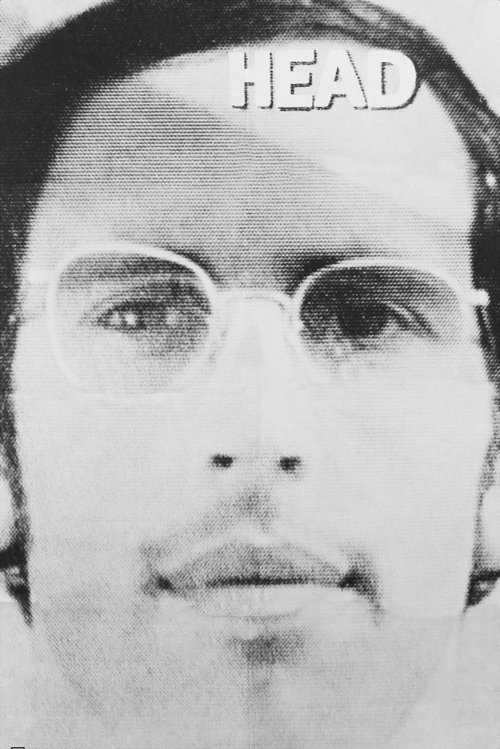
Head1968
The Monkees' surreal, anarchic film about fame and authenticity. Made the same year as Psych-Out, it shares the psychedelic aesthetic and rock-band world, but goes stranger and more experimental.
But It's deeply weird and fragmented—almost plotless. If you want narrative clarity, it will frustrate you. It's more art film than entertainment.
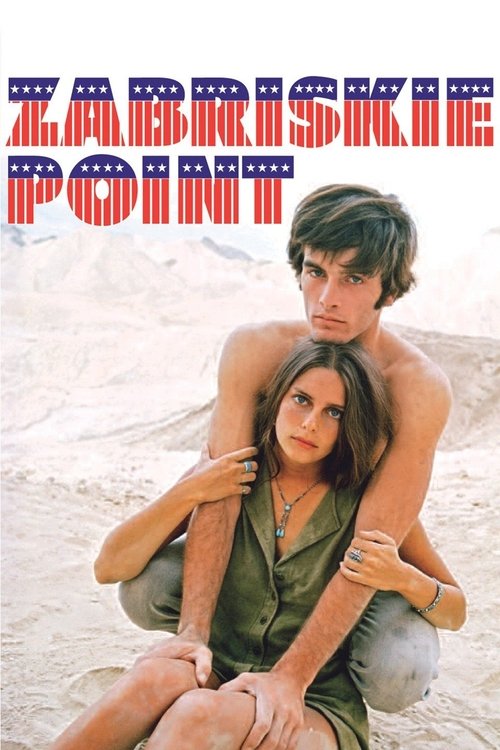
Zabriskie Point1970
Michelangelo Antonioni's attempt to capture 1970s counterculture through a Marxist lens. Visually stunning and musically adventurous, it's another outsider's fascinated portrait of American youth and political ferment.
But Antonioni's European sensibility sometimes clashes with his American setting. The dialogue can feel stilted, and the political message overwhelms character.
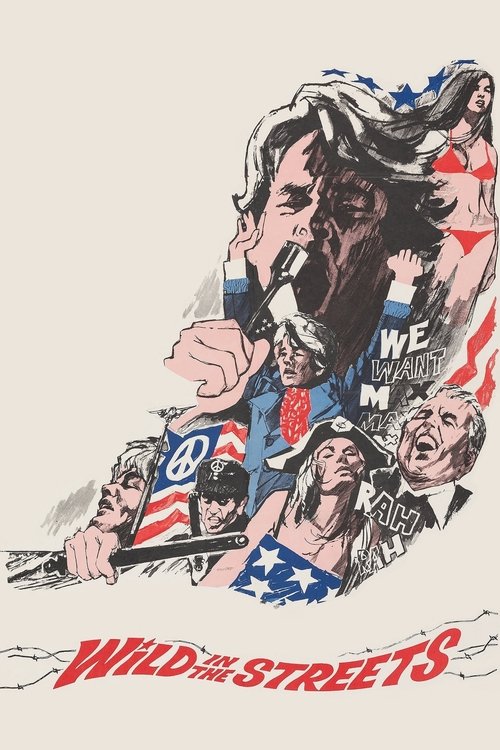
Wild in the Streets1968
A B-movie fever dream about youth seizing political power. Made the same year as Psych-Out, it shares the countercultural setting but embraces exploitation-film energy and wild ambition over realism.
But It's campy and occasionally nonsensical. The satire is blunt, and some of it hasn't dated well. It's more curiosity than classic.
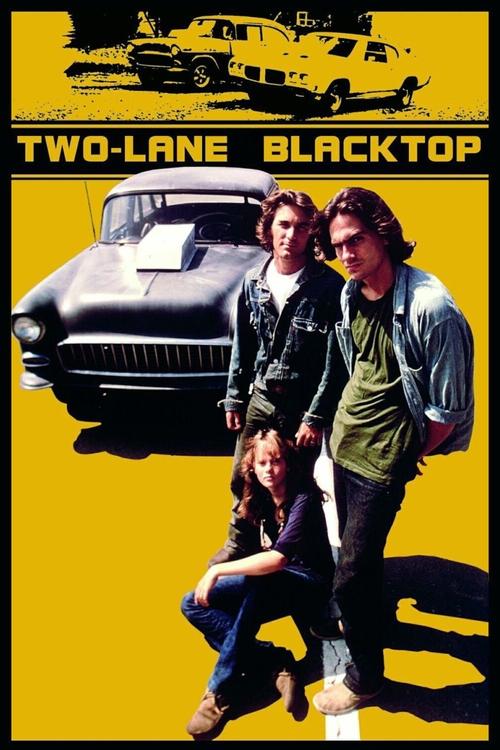
Two-Lane Blacktop1971
A minimalist road film about drifters and authenticity. Like Psych-Out, it examines who people are versus what they claim to be, delivered through a specific American landscape and subculture.
But There's almost no plot. Two men race two other men across America, and that's truly all that happens. If you need dramatic structure, skip it.
La Haine1995
Both are outsider portraits of youth communities defined by geography and music. Both ask: what do outsiders really see when they look at the young?
A black-and-white French film about young men navigating a marginalized community, violence, and solidarity. It has Psych-Out's anthropological eye and concern for how outsiders see youth culture, delivered through a completely different context.
But It's bleak and confrontational where Psych-Out is curious. The violence is real, and the hope is harder to find. Also in French with subtitles—a commitment.

People
Cast
 Susan StrasbergJennie Davis
 Dean StockwellDave
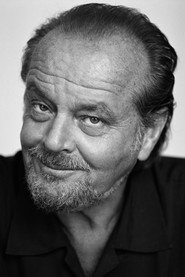 Jack NicholsonStoney
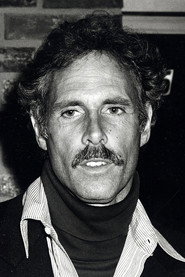 Bruce DernSteve Davis
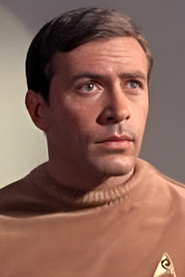 Adam RoarkeBen
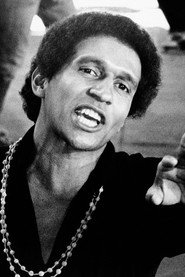 Max JulienElwood
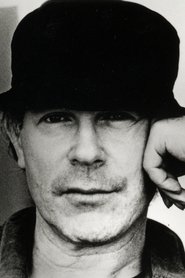 Henry JaglomWarren
 Linda Gaye ScottLynn
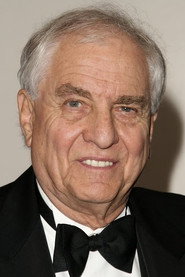 Garry MarshallPlainclothesman
 Gary KentThug's Leader
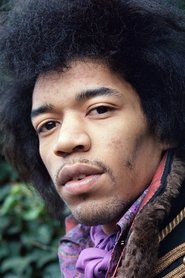 Jimi HendrixJimi Hendrix
- Tony VornoMinister (uncredited)
Directing
- Elliot SchickAssistant Director
- Richard RushDirector
- Joyce KingScript Supervisor
Writing
- Betty UliusScreenplay
- E. Hunter WillettScreenplay
Production
- James H. NicholsonExecutive Producer
- Samuel Z. ArkoffExecutive Producer
- Dick ClarkProducer
- Norman T. HermanProducer
- Paul LewisProduction Manager