
Film
The Savage Seven
A 1968 biker-gang melodrama where rival motorcycle outlaws and a Native American group navigate uneasy alliance, betrayal, and corrupt outside forces. It's a scrappy, earnest exploitation film caught between social commentary and pure adventure spectacle, laced with genuine period rock. For viewers drawn to counterculture cinema's messy middle-class rebelliousness and outsider narratives that haven't calcified into nostalgia.
Should you watch it?
Watch it if you get a kick out of gritty, scrappy late-sixties motorcycle pictures, where the rock on the soundtrack carries as much mood as the plot, and you like Psych-Out's shaggy, hippie-era swagger.
Skip it if the plot is loosely strung together, the tone lurches between lark and brutality, and the 94 minutes can feel padded if you want a tight crime story.
What it asks of you: Expect a brisk, unfussy run under ninety-five minutes, with the emotional beats kept lean and the action doing most of the talking, so give it your attention rather than your background.
Not sure? Find tonight's pick in a minute.
If you liked this
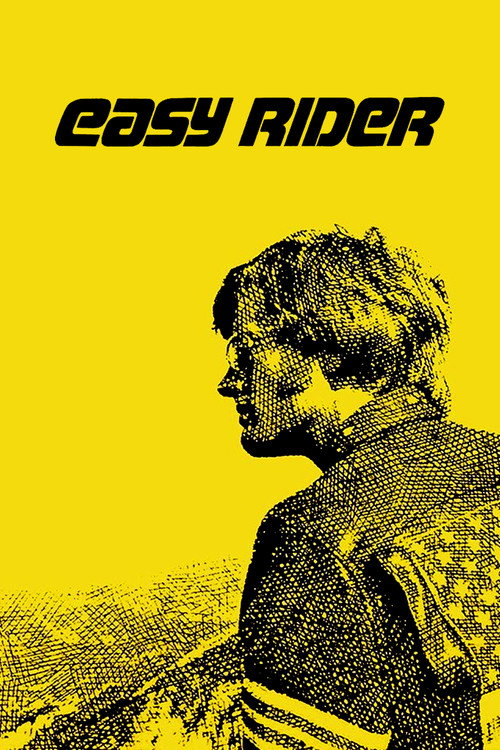
Easy Rider1969
The definitive outlaw-biker odyssey that captures the same era's collision between freedom mythology and American violence. Essential context and superior filmmaking, though it arrived just after this.
But Moves at a deliberate pace and feels like a tract at times. If you want action and plot momentum, this contemplative approach will frustrate.
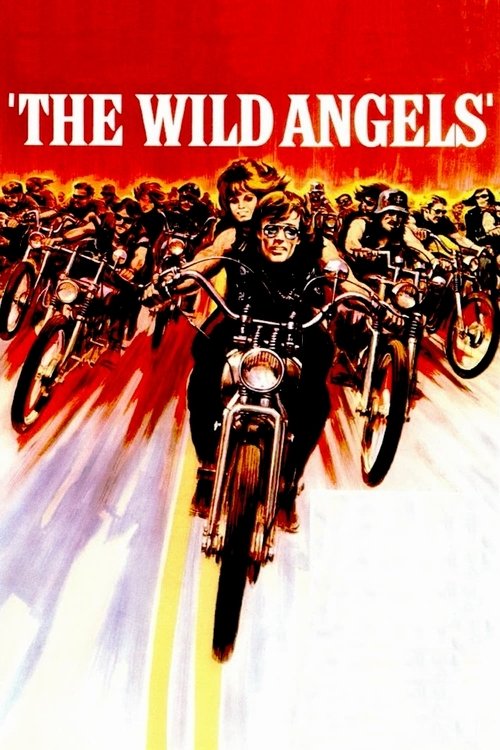
The Wild Angels1966
Roger Corman's proto-exploitation biker film with genuine club-life texture. Raw, unvarnished, and it established the visual and narrative template that influenced everything that followed.
But Genuinely ugly in places and the gender politics are what you'd expect from 1966. It's not fun-ugly, it's uncomfortable-ugly.
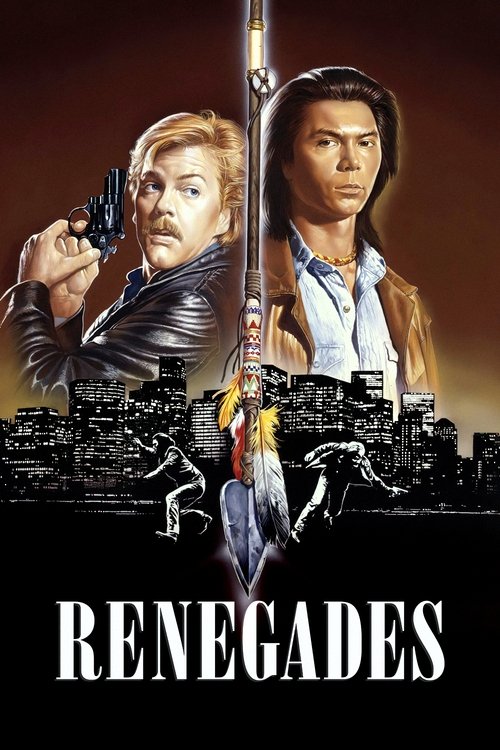
Renegades1989
A cop and a Native American ex-con forced into partnership—echoes the outsider-group dynamics and interracial alliance themes, but with cleaner action and a more straightforward buddy framework.
But Much more mainstream and conventional. If you want the rough edges and counterculture feel, this one's been sanded down.
Not sure tonight? Get a pick in a minute, starting from The Savage Seven
The wildcard
Something you would not have found on your own.
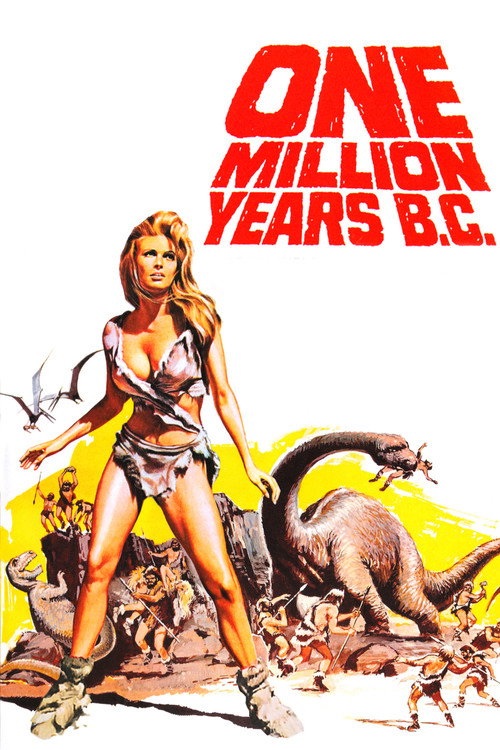
One Million Years B.C.1966
Both present tribal/outsider groups navigating power, belonging, and forced coexistence through pure spectacle and action rather than dialogue. Exploitation that knows exactly what it is.
Hal Roach Jr.'s prehistoric adventure wears its exploitation flagrantly and has genuine fun with its absurdity. Like The Savage Seven, it uses outsider-group conflict and alliance, but inverts the era entirely—raw society from scratch instead of rejecting modern society.
But The plot barely exists and the costumes/makeup are silly. Also deeply misogynistic in ways that extend past 1960s carelessness into something more uncomfortable.
More like this (8)
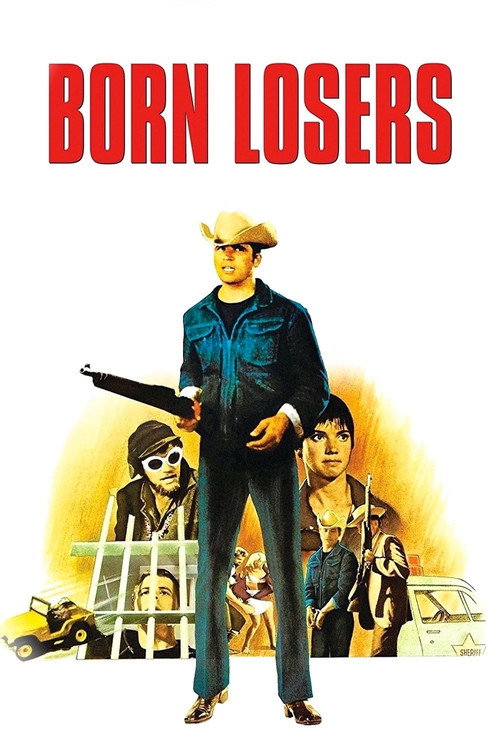
The Born Losers1967
Billy Jack's first appearance in a biker-gang revenge narrative. Pre-dates Easy Rider and captures the same raw exploitation energy with genuine location shooting and period texture.
But The pacing is slack and the narrative meanders. You're watching this for atmosphere and historical interest more than narrative drive.
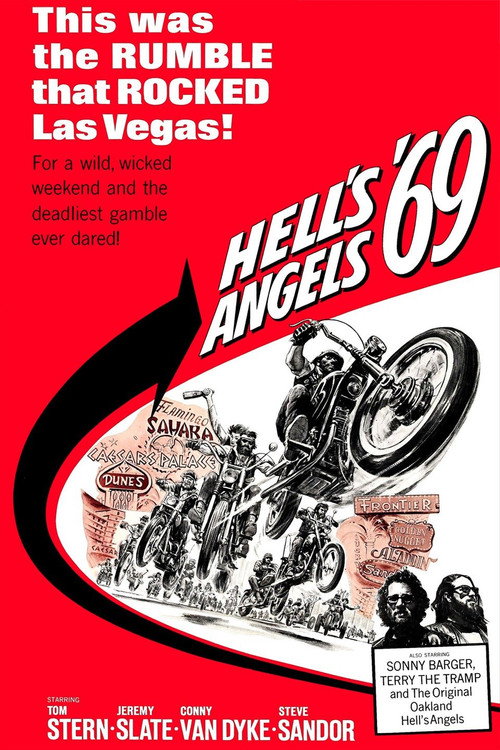
Hell's Angels '691969
Shot with actual Hell's Angels members, it's a fascinating document of real club culture mixed into a heist plot. The tension between documentary authenticity and scripted drama is what makes it hypnotic.
But It's a mess structurally and the heist plot doesn't cohere. Some viewers will find it pretentious in its 'gritty realism' posturing.
Beyond the Law1968
Norman Mailer's directorial debut about an undercover cop in a biker gang. Genuinely strange, with real motorcyclists and counterculture figures. A genuine curio that rewards patient attention.
But Mailer's direction is inexperienced and self-indulgent. Long stretches are genuinely tedious, and the narrative doesn't quite justify the runtime.
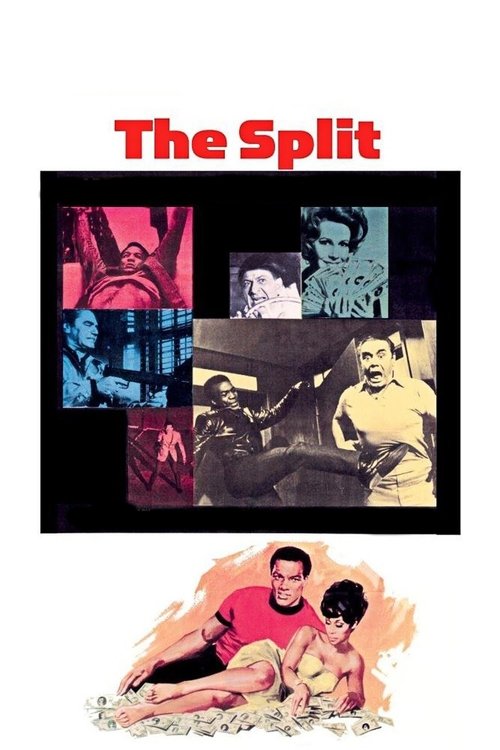
The Split1968
A heist film by Gordon Flemyng with a multiracial ensemble including Max Julien (who appears in The Savage Seven). Captures the same era's attempts at portraying integrated, complicated urban communities.
But It's a conventional heist film trapped in confused plotting. The social dynamics feel grafted on rather than organic.
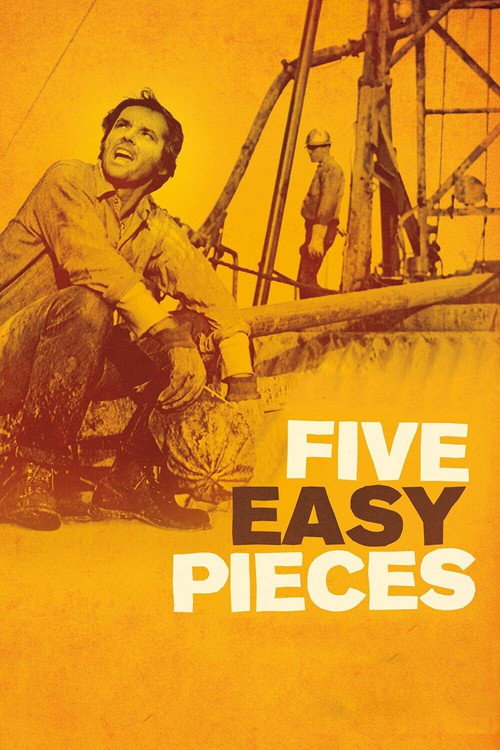
Five Easy Pieces1970
Nichols' portrait of working-class rebellion and masculine alienation. Later and more artful than this film, but shares the DNA of men on the margins trying to connect with a society that won't have them.
But It's slow, introspective, and the plot barely exists. Requires patience with ambiguity and characters' emotional paralysis.
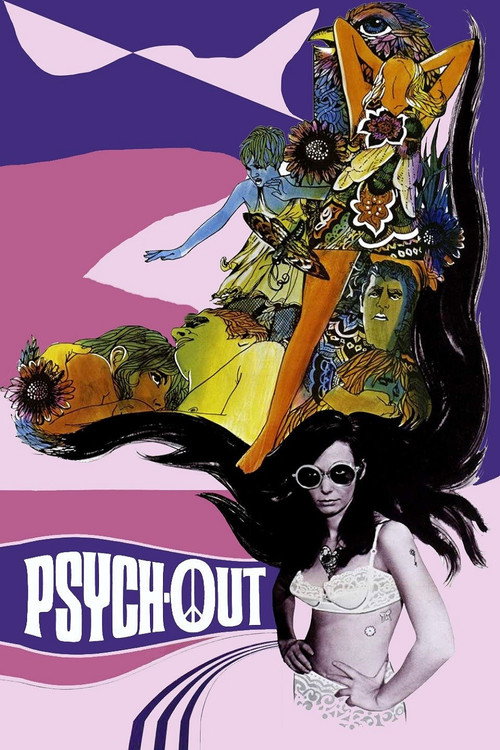
Psych-Out1968
Also directed by Richard Rush (who made The Savage Seven), also scored by Cream. A rare, strange film about a deaf girl drawn into the San Francisco counterculture. For completists and Rush aficionados.
But It's been relegated to obscurity for good reason—the narrative is confused and the social awareness often feels patronizing. Mostly of interest as a historical artifact.
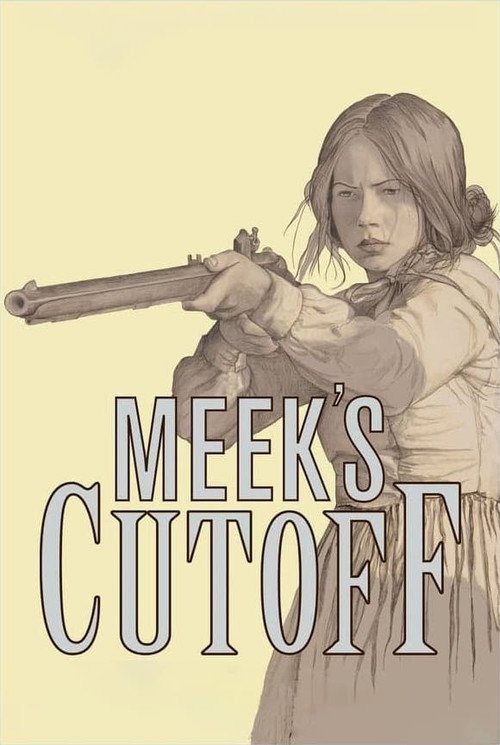
Meek's Cutoff2011
Both examine how mixed groups navigate trust, power, and survival across cultural boundaries. Reichardt weaponizes restraint where Rush uses chaos—the same story told in completely opposite registers.
Kelly Reichardt's spare Western about a wagon train guided by a Native American man the settlers don't trust. Uses frontier tension and group dynamics as moral inquiry. Slow, austere, absolutely hypnotic—modern film language applied to similar material.
But It's the opposite of The Savage Seven's energy. Deliberate, quiet, almost static. If you want 1968 exploitation, this will feel like punishment.
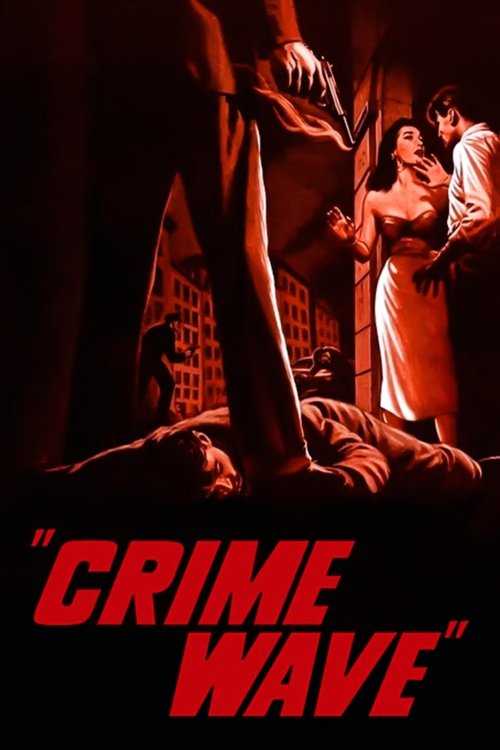
Crime Wave1953
The template The Savage Seven both honors and rejects. Crime Wave asks what happens to men when society locks them out; The Savage Seven shows what happens when they build their own society. Both structures, same question.
André De Toth's noir about ex-cons and gang violence in Los Angeles. Gorgeous black-and-white cinematography, genuine street-level texture, and moral complications without easy answers. The DNA of every outlaw-gang narrative that follows.
But It's a 1950s crime procedural, not an action film. The pacing is deliberate and the violence is suggested rather than shown. Requires comfort with restraint and implication.
People
Cast
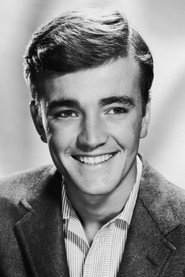 Robert Walker Jr.Johnnie
 Joanna FrankMarcia
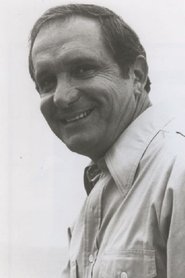 John GarwoodStud
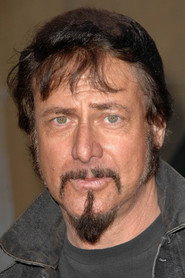 Larry BishopJoint
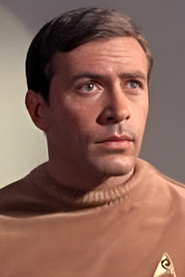 Adam RoarkeKisum
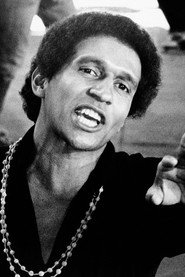 Max JulienGrey Wolf
- Richard AndersBull
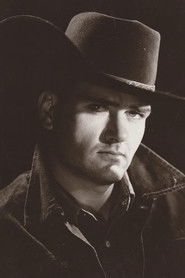 Charles BailTaggert
- Mel BergerFillmore
 Penny MarshallTina
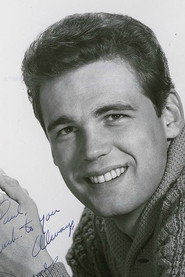 Duane EddyEddy
Directing
- Richard RushDirector
Writing
- Michael FisherScreenplay
- Rosalind RossStory
Production
- Samuel Z. ArkoffExecutive Producer
- Dick ClarkProducer