
Film
Beyond the Law
Norman Mailer's only directorial effort is a freewheeling, semi-improvised night in a Manhattan precinct and bar. Raw, messy, and energized by a cast of writers and actors riffing on crime, authority, and manhood, it's a boozy jazz improvisation masquerading as a cop comedy. For adventurous viewers who value experiment over polish.
If you liked this
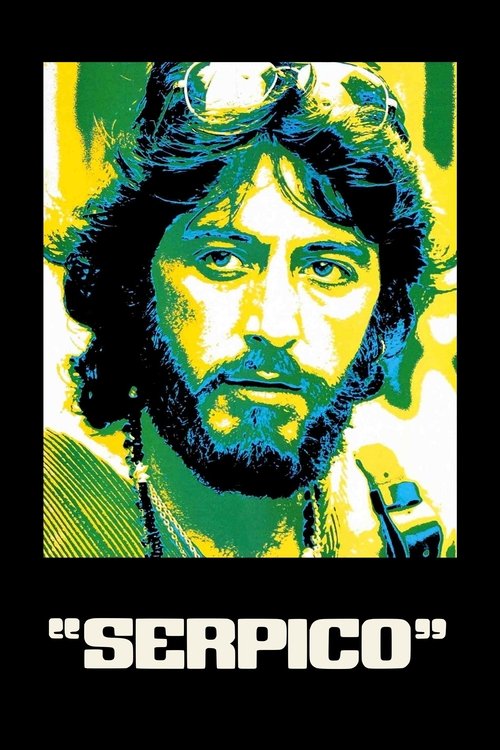
Serpico1973
Al Pacino as an idealistic cop battling institutional corruption in New York. A tightly crafted, morally serious thriller about the gap between justice and the law—it shows what Mailer was grasping toward with much cleaner narrative architecture.
But Very earnest and occasionally plodding. The moral clarity can feel schematic compared to messier, more ambiguous stories about police work.
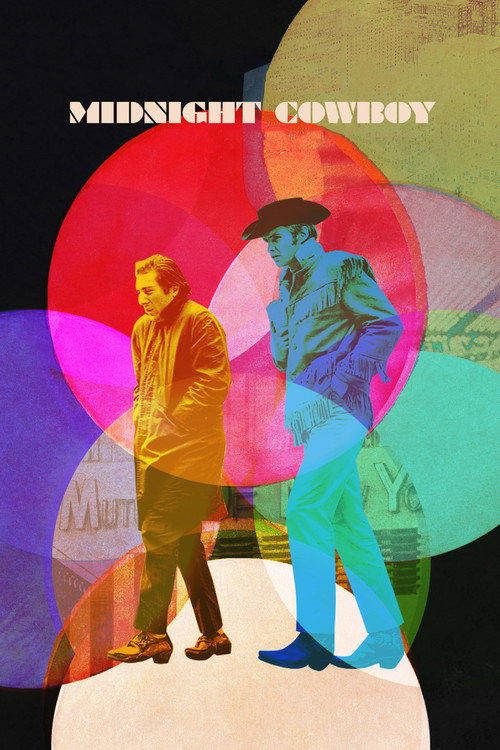
Midnight Cowboy1969
A raw, hallucinatory night-and-day scramble through seedy Manhattan. Director John Schlesinger captures urban degradation and human collision with the same restless energy Mailer was after, and it actually works as narrative.
But Deeply bleak and exploitative. The depiction of sex work and violence is unsparing and will feel ugly to most viewers—intentionally so.
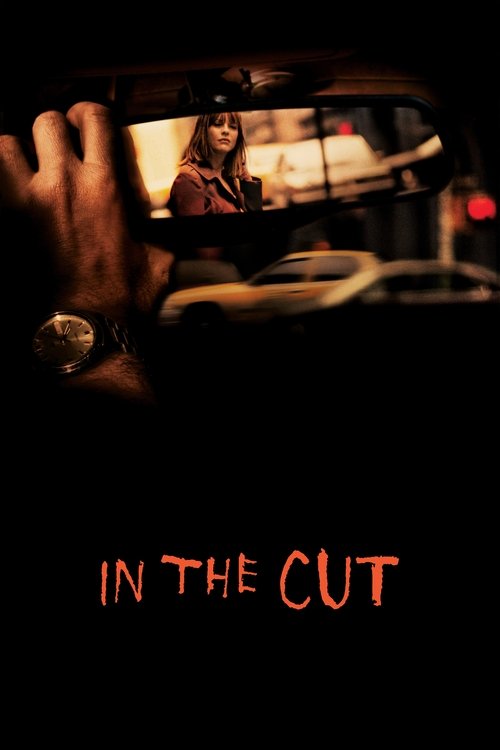
In the Cut2003
Jane Campion's fractured, sensual police thriller set in downtown New York. Like Beyond the Law, it's more interested in atmosphere, desire, and the way authority confuses desire than in solving its mystery cleanly.
But The plot barely holds together. If you're looking for a payoff, you'll be frustrated. The film prioritizes mood and ambiguity over resolution.
Not sure tonight? Get a pick in a minute, starting from Beyond the Law
The wildcard
Something you would not have found on your own.
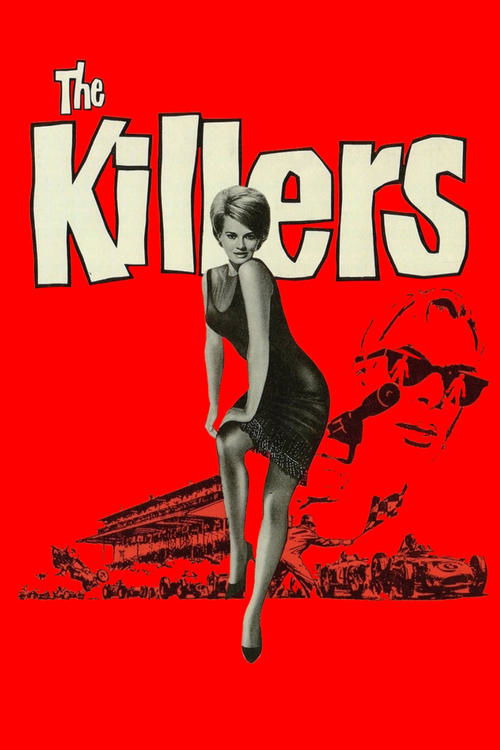
The Killers1964
Both treat crime and law enforcement as arenas where men perform versions of themselves rather than operate logically. Both are interested in masculine ego as the engine of chaos.
Directed by Burt Kennedy, based on Hemingway, this is a terse, cynical, blackly funny crime story with Donald Sutherland that treats masculine violence with the same mixture of fascination and disgust that animates Mailer's moral vision. It's crime as masculine performance.
But The plot is thin and the pacing is strange. It's closer to a tone poem about masculinity than a conventional thriller, which can feel precious or aimless.
More like this (6)
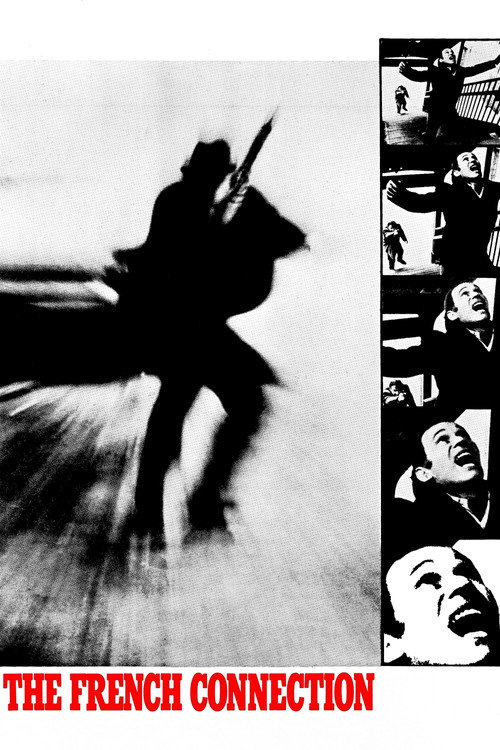
The French Connection1971
Gene Hackman as a driven, morally compromised NYPD cop. Gritty, procedural, kinetic—it finds genuine drama in police bureaucracy and obsession without losing itself in formlessness.
But Quite dated in pacing. Long stretches of surveillance footage and police work will test your patience if you want constant momentum.
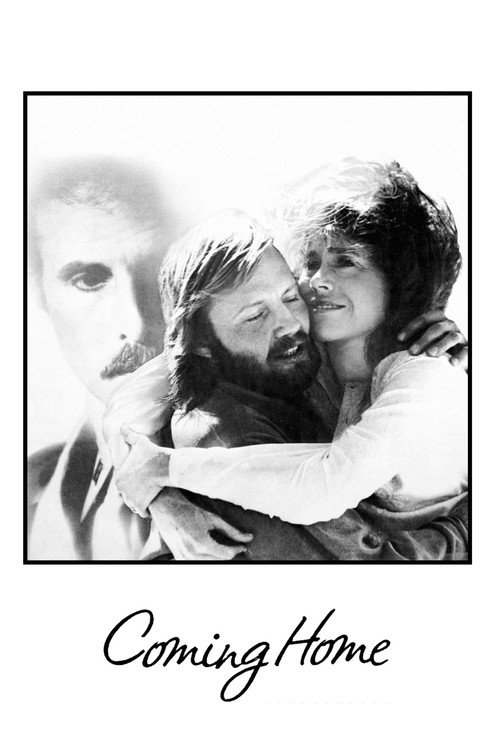
Coming Home1978
Jon Voight and Bruce Dern give unguarded, searching performances in a film about desire, authority, and masculine crisis. Like Mailer's work, it trusts actors to find truth through vulnerability rather than direction.
But Emotionally draining and sometimes clumsy. The script occasionally reaches for profundity it doesn't quite grasp, and the result feels awkwardly earnest.
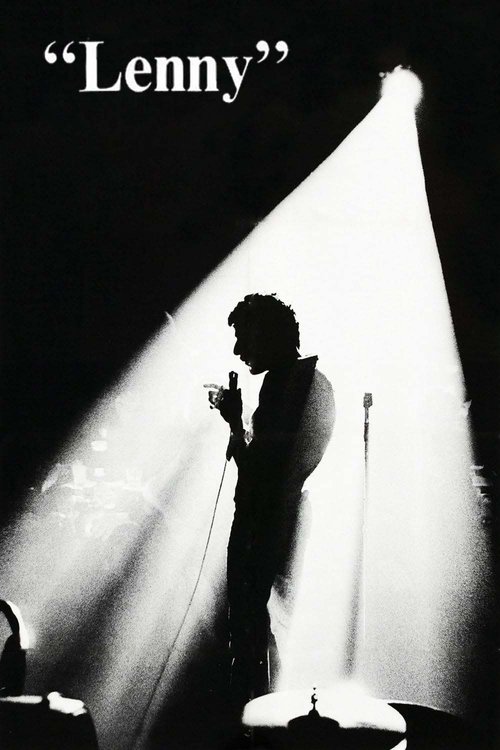
Lenny1974
Bob Fosse's biography of Lenny Bruce captures a chaotic, brilliant, self-destructive performer. Semi-documentary feel, performances that feel like acts of exposure, a director willing to let the subject sprawl.
But Repetitive and sometimes punishing. Watching a talented person disintegrate can feel tedious if the film doesn't deepen your understanding of why it matters.
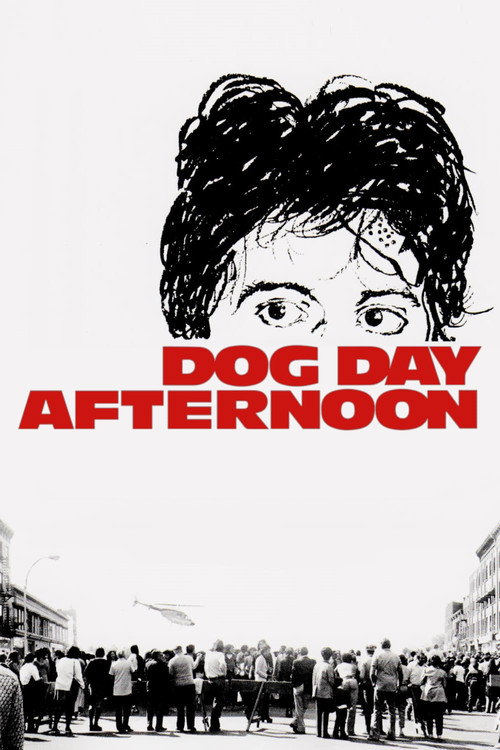
Dog Day Afternoon1975
Al Pacino and John Cazale in a pressure-cooker bank robbery that turns into a circus of impulse, empathy, and media spectacle. Character-driven chaos that somehow maintains narrative momentum and emotional truth.
But Intense and claustrophobic. The sustained tension and desperation aren't for viewers seeking escape or catharsis.
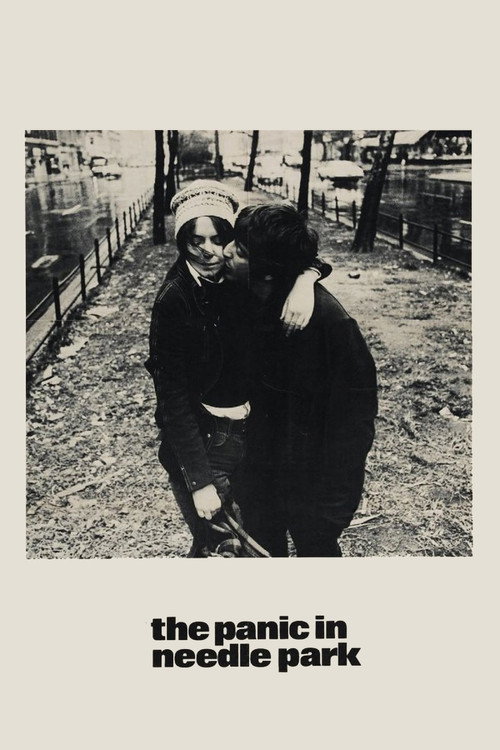
The Panic in Needle Park1971
Al Pacino's debut: a bleak, unsentimental study of addiction and dependency in New York. Raw performances and documentary-like observation of lives spinning in real time.
But Deliberately unglamorous and depressing. There's no redemption, wit, or narrative satisfaction—just the slow confirmation of ruin.
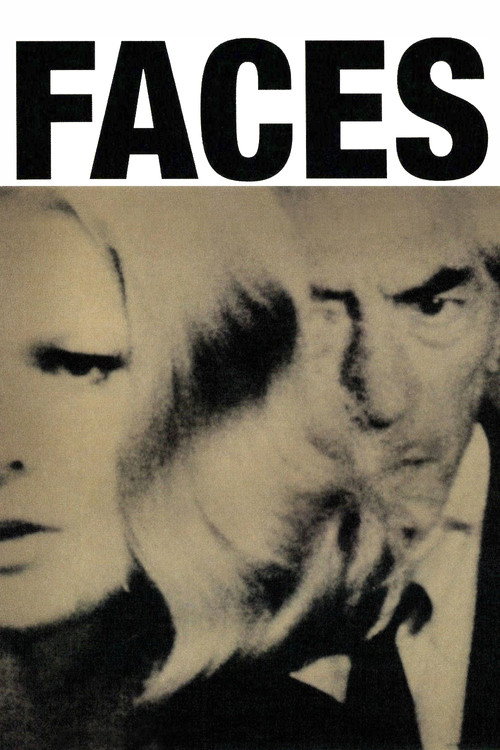
Faces1968
Both Mailer and Cassavetes believed that cinema's job was to capture performance and spontaneity, not control it. Both made drunk, messy films about performance and authority. Cassavetes simply had more talent for managing the chaos he created.
John Cassavetes' masterpiece: a brutal, three-hour improvised eruption of a marriage in crisis. Grainy, raw, shot in close-up on faces contorted by alcohol and emotion. It's uncontrolled filmmaking about uncontrolled people, made the same year as Beyond the Law.
But Exhausting and ugly. The performances are so exposed and the camera so unrelenting that watching it feels like a violation of privacy. It's also nearly impossible to find in good quality.
People
Cast
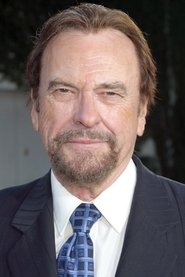 Rip TornPopcorn
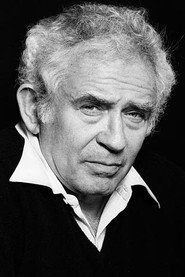 Norman MailerLt. Francis Xavier Pope
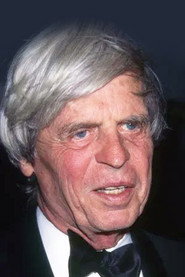 George PlimptonMayor
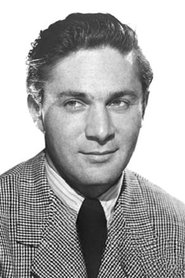 Mickey KnoxMickey Berk
- Buzz FarberRocco Gibraltar
 Beverly BentleyMary Pope
 Marsha MasonMarcia Stillwell
- Mara LynnIlse Fuchs
- John MaloonJohn Francis
- Mary Wilson PriceJudy Grundy
- Peter RosoffSubway Arrestee
- Noel E. ParmentelAssistant District Attorney
Directing
- Norman MailerDirector
Writing
- Norman MailerWriter
Production
- Buzz FarberProducer
- Norman MailerProducer