
Film
Faces
- Social drama
- Slow-burning
Cassavetes' raw, improvised portrait of a marriage's collapse in 1968 suburbia. Two middle-aged people spiral separately into affairs and late-night searching, their desperation unflinching. It's intimate and unglamorous, shot in close-up on grainy film—less plot than emotional archaeology. For those hungry for cinema that trusts silence and faces over explanation.
Should you watch it?
Watch it if you like marriage dramas that feel like eavesdropping, where awkward silences and loud, messy conversations matter more than plot and the camera seems to hang around people's faces.
Skip it if you need brisk pacing or a story that keeps moving, since this one lingers in long, rambling scenes of drinking, bickering and restless wandering.
What it asks of you: Over two hours, it stays in close, unvarnished rooms with loud, repetitive exchanges and very little tidying up, so settle in for something slow and raw.
Not sure? Find tonight's pick in a minute.
If you liked this
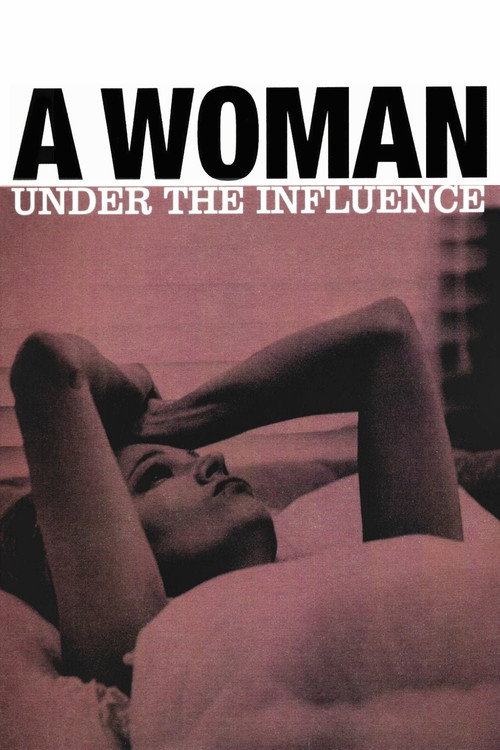
A Woman Under the Influence1974
Cassavetes again, even rawer. Gena Rowlands gives a performance of such vulnerability it rewires you. A marriage from the inside, unsparing and heartbreaking. Essential if Faces moved you.
But Two-and-a-half hours of emotional exhaustion. The handheld camera work and non-linear structure demand active watching. Not restful.
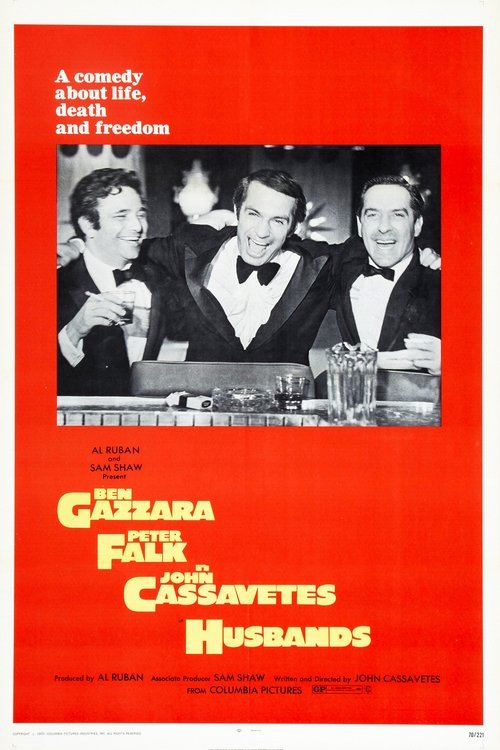
Husbands1970
Cassavetes' companion piece to Faces—three men after loss, improvised and digressive, following their unravelling over days. It's funny and sad at once, which is rarer than it sounds.
But Indulgent and shapeless by design. The second half loses momentum. Some will call it self-indulgent; they're not entirely wrong.
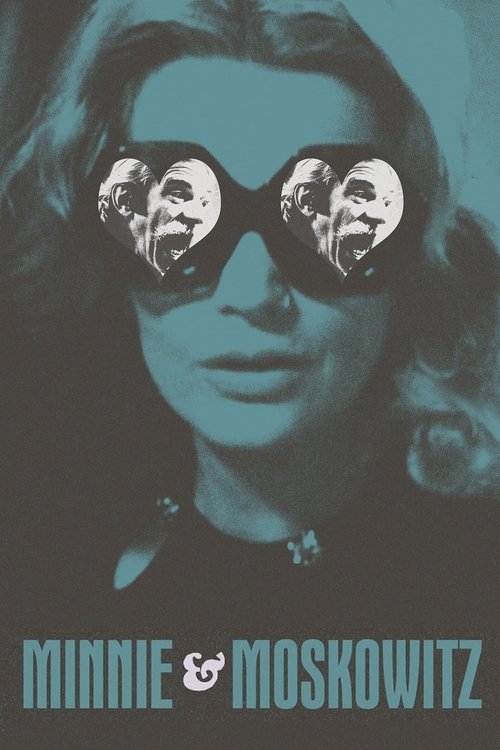
Minnie and Moskowitz1971
Cassavetes made a love story. Seymour Cassel (who's in Faces) and Gena Rowlands collide in LA, messy and real and oddly joyful. Proof he wasn't only interested in collapse.
But Warmer than Faces, but still deliberately rough. The tone shifts jarred some audiences. Some scenes drag.
Not sure tonight? Get a pick in a minute, starting from Faces
The wildcard
Something you would not have found on your own.
In the Mood for Love2000
Both films use the affair as a mirror for what's missing in the marriage—but Faces documents the scrambling aftermath while In the Mood for Love poeticizes the suspended moment of discovery.
Wong Kar-wai's opposite-mirror to Faces: lush, chromatic, deliberately artificial where Faces is raw. Two neighbors discover their spouses' affair—not the desperation and messiness, but the longing and style. Same marital rupture, completely different language.
But Glacially paced and visually mannered. The restraint is the point, but it reads as standoffishness. Some will find it precious rather than moving.

More like this (7)
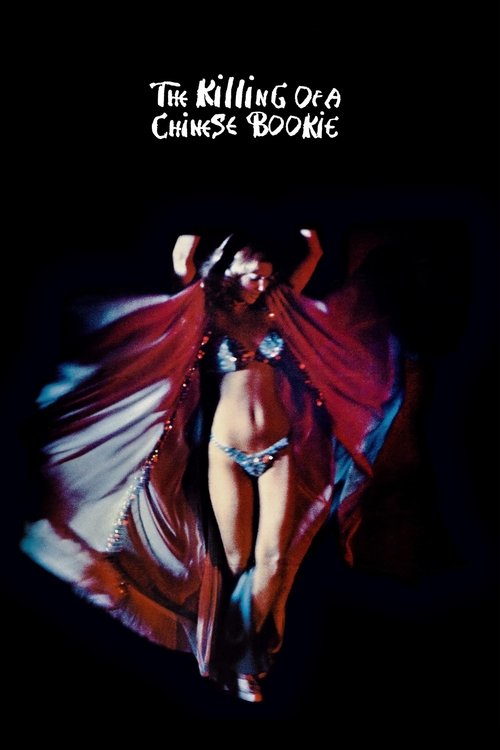
The Killing of a Chinese Bookie1976
Cassavetes in noir mode, but the gangster plot barely matters—it's about a man's spiral and shame. Ben Gazzara is magnetic. Shows Cassavetes could work in genre while staying true to himself.
But Nightclub scenes feel repetitive. The pacing is glacial. Plot takes a backseat, which some find frustrating rather than liberating.
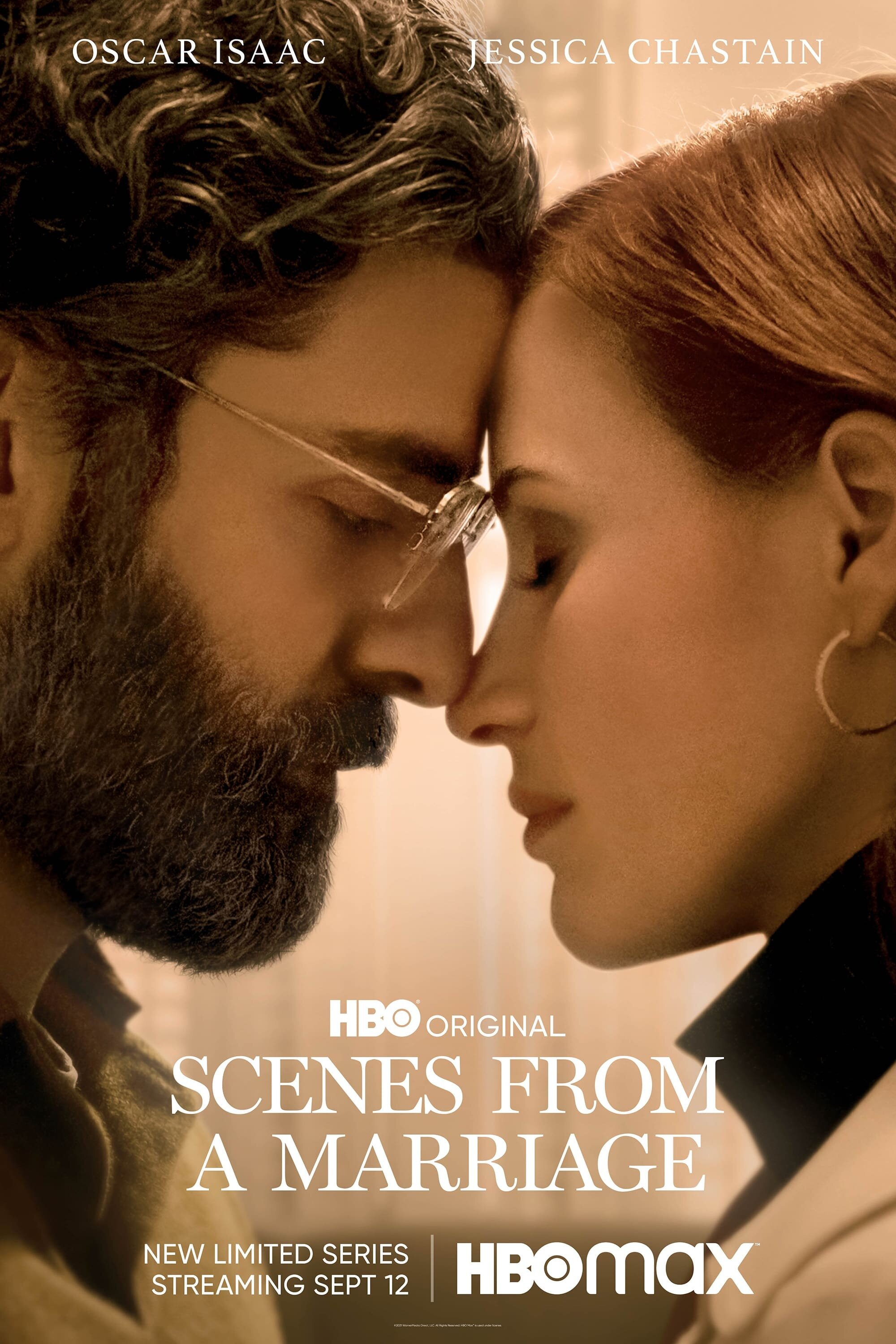
Scenes from a Marriage2021
Bergman's miniseries about a marriage's dissolution, raw and philosophical. Liv Ullmann and Erland Josephson are devastating. Different sensibility from Faces but same unflinching honesty about intimacy.
But Slow and stagy in places. Heavy on talk, light on action. If you want character study done differently, this pays off; if you're impatient with European cinema, skip it.
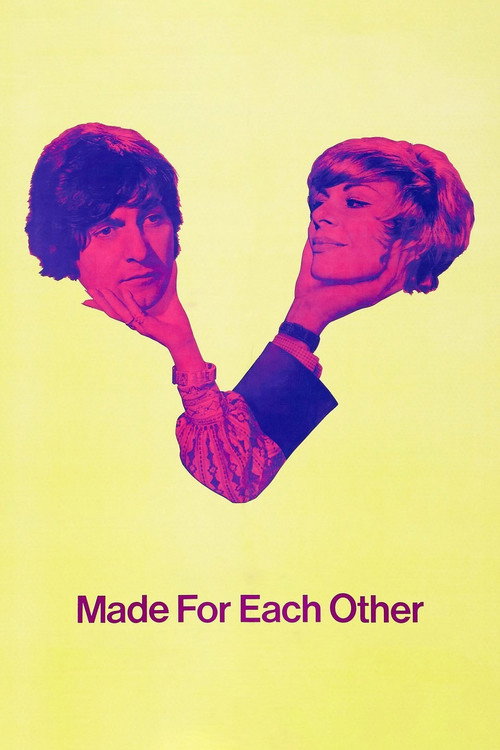
Made For Each Other1971
Renée Taylor and Joseph Bologna improvised this. A couple's first weeks of marriage, funny and tender and real. Like Cassavetes' intimacy but lighter, a palate cleanser with genuine warmth.
But The improvisation occasionally meanders. It's gentler than Faces, which some will find less urgent. Harder to find than it should be.
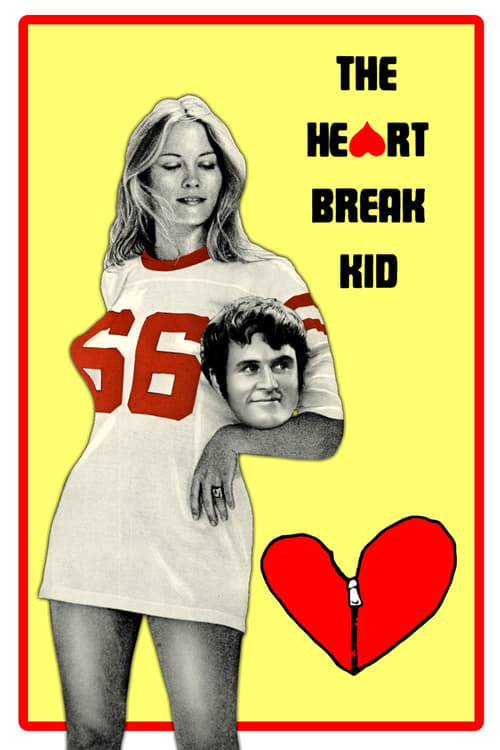
The Heartbreak Kid1972
Elaine May's comedy-drama about marriage's disillusionment. Eddie Albert and Cybill Shepherd are perfect. It's acrid and funny where Faces is grimy—same themes, sharper edge, fewer takes.
But Darker as comedy than as drama. The cruelty is the point, which won't land for everyone. The ending divides people.
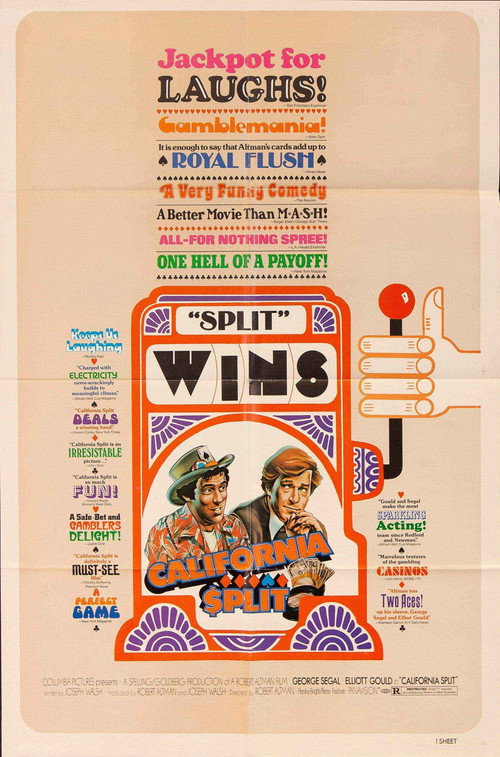
California Split1974
Altman's film about two men adrift, shot loose and riffing. Like Faces in its attention to small moments and male friendship's texture, but warmer and more playful throughout.
But Plot is nearly absent. Some scenes feel like hang-outs rather than scenes. The gambling plot never quite matters, which works or doesn't depending on your patience.
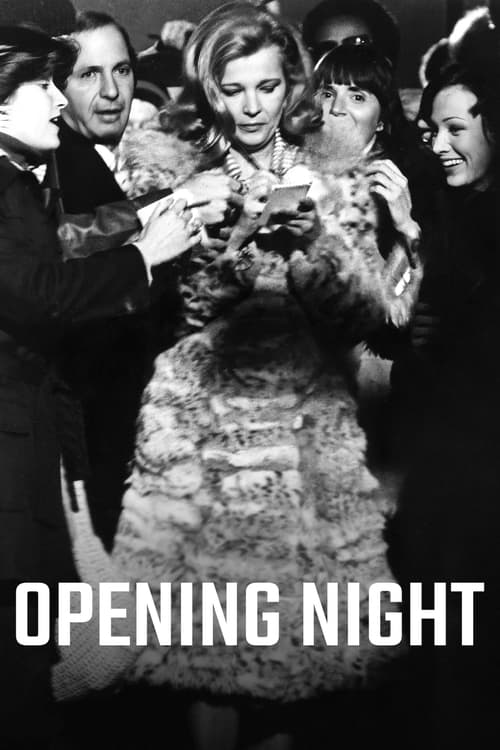
Opening Night1977
Cassavetes' most expressionistic work—an actress (Gena Rowlands again) unravels during a play's opening week. Theatrical, hallucinatory, about art and aging and ghosts both literal and metaphorical.
But Self-consciously arty in ways his other films aren't. Some sequences are incomprehensible. Feels like a fever dream, which works or alienates depending on your tolerance for abstraction.
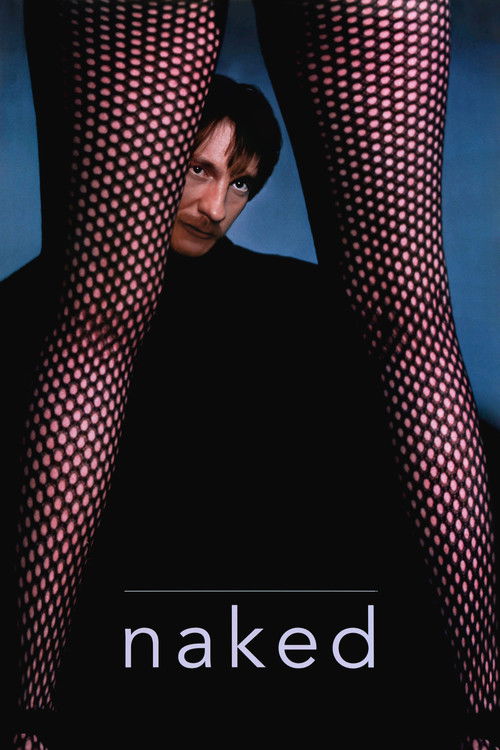
Naked1993
Both follow people after their worlds break, improvised performances and long takes, with no promise of redemption—but Faces is sad where Naked is furious.
Mike Leigh's angry, brilliant portrait of a man's alienation in London. David Thewlis is savage and brilliant. Like Faces in its refusal to explain or comfort, but fiercer, younger, more political—proof that suburban malaise had urban cousins.
But Bleak and sometimes misogynistic in troubling ways. Thewlis's character is charismatic but cruel. Long and punishing. Not cathartic, just angry.
People
Cast
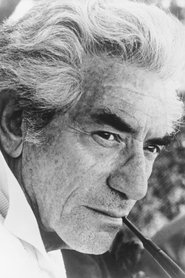 John MarleyRichard Forst
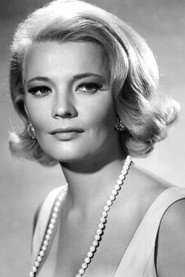 Gena RowlandsJeannie Rapp
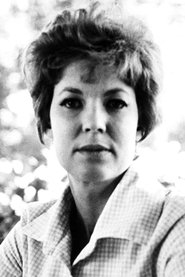 Lynn CarlinMaria Forst
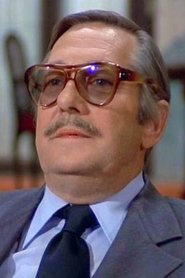 Fred DraperFreddie Draper
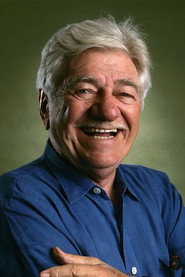 Seymour CasselChet
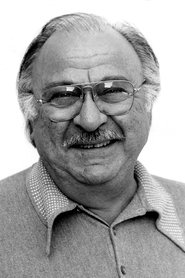 Val AveryJim McCarthy
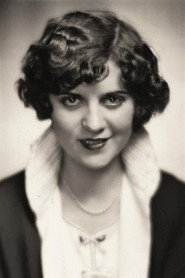 Dorothy GulliverFlorence
- Joanne Moore JordanLouise Draper
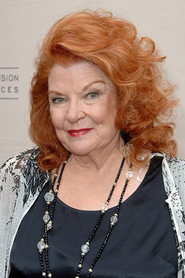 Darlene ConleyBilly Mae
- Gene DarflerJoe Jackson
- Elizabeth DeeringStella
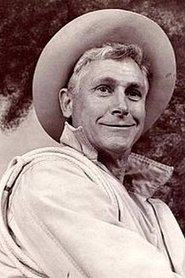 George DunnComedian (as George Dunne)
Directing
- John CassavetesDirector
- Pat SmithScript Supervisor
Writing
- John CassavetesWriter
Production
- Al RubanAssociate Producer
- John CassavetesProducer
- Maurice McEndreeProducer
- Carolyn FlemingProducer's Assistant
- Steven SpielbergProduction Assistant
- James JoyceProduction Manager
- Bianca ChambersProduction Secretary
- Liz SatrianoProduction Secretary
- Pat BuckleyProduction Secretary
Recommended by
Scener ur ett äktenskap, Tyson, A Woman Under the Influence, The Real Cancun, Sweet Dreams, Say Amen, Somebody, Creature Designers: The Frankenstein Complex, The Marrying Kind, Let's Get Lost, Minnie and Moskowitz, Stormy Weather, Annette, The Loneliest Planet, Instinct, Shutter, Natsamrat, Too Late Blues, South Riding, Viva, Beyond the Law, Hockney, Best Friends, Carmen