
Film
Let's Get Lost
- Musical
- Slow-burning
A portrait of jazz trumpeter Chet Baker across two eras: the radiant West Coast Cool virtuoso of the 1950s and the ravaged, detached man of his final years. Director Bruce Weber intercuts archival footage with new interviews from Baker's family and fellow musicians, tracing a trajectory from beauty and promise to addiction and ruin. A meditation on talent, mortality, and the cost of genius.
Should you watch it?
Watch it if you love jazz documentaries that let a performer's face and silences do the talking, and you don't mind sitting with a portrait that refuses to tidy itself up into a neat legend.
Skip it if you want a clear narrative, a brisk history lesson, or plenty of context about the music; this is more mood and fragments than a guided tour, and its gaze can feel bleak.
What it asks of you: Two hours of slow, drifting attention, moving between sharp black-and-white performance and a hazy, melancholy present, with long stretches where you watch more than you are told.
Not sure? Find tonight's pick in a minute.
If you liked this
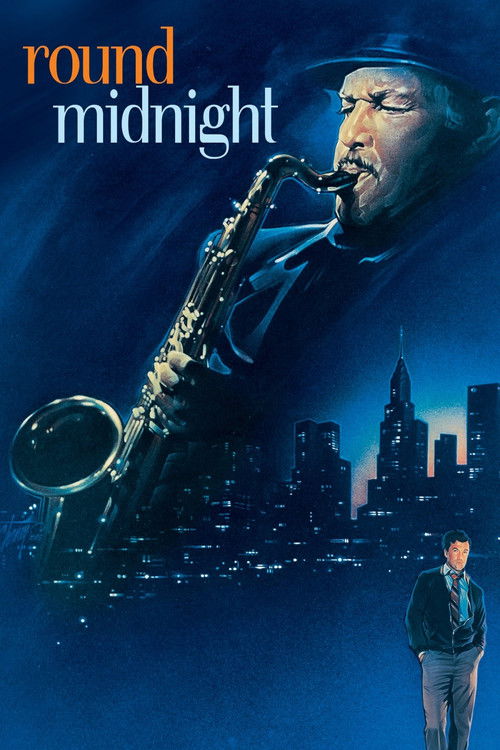
'Round Midnight1986
Dexter Gordon's only major film role, a fictionalized portrait of an aging jazz saxophonist in Paris wrestling with addiction and exile. The mood mirrors Baker's story—melancholy, dignified, and shot through with real musical passion.
But It moves slowly and prioritizes atmosphere over plot. If you want straightforward narrative, you'll find the pacing frustrating.
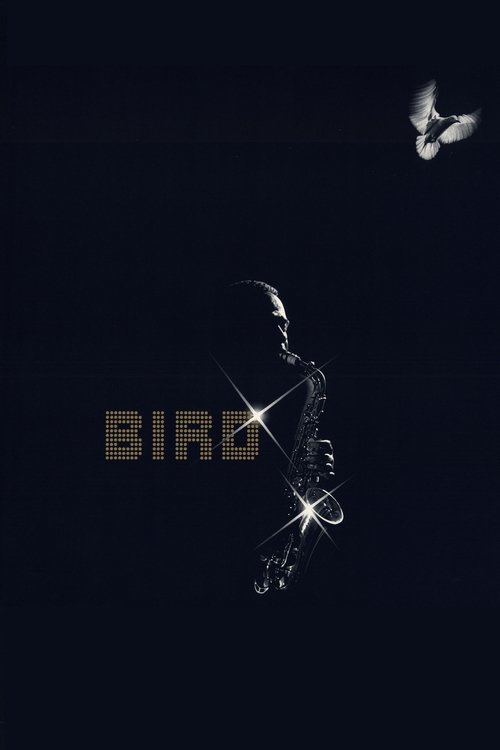
Bird1988
Clint Eastwood's biopic of Charlie Parker, another jazz genius whose brilliance and heroin addiction were inseparable. Forrest Whitaker captures both the player and the wreckage with devastating clarity.
But It's a conventional biopic that smooths some rough edges. The film can't quite hold the contradictions the way a documentary can.
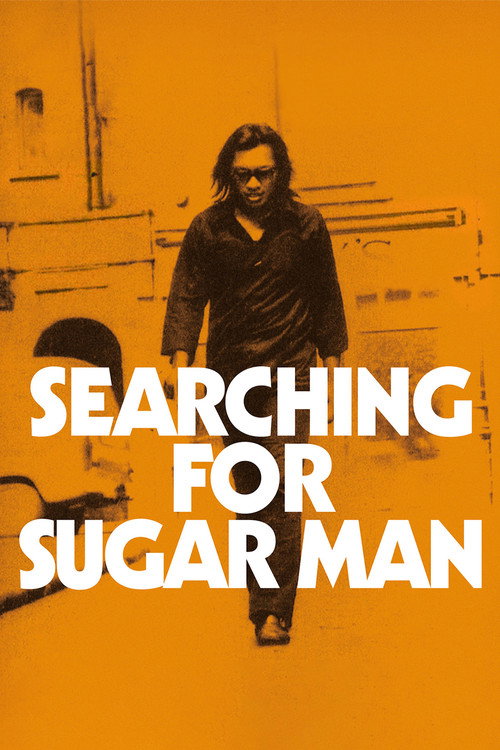
Searching for Sugar Man2012
A documentary that tracks down a mysterious 1970s musician and unearths the story of his cult legacy. Like Baker's film, it's about talent half-hidden from the world and the gap between myth and reality.
But The mystery is solved fairly early. Some viewers find the resolution sentimental, and it's shorter on musical substance than you might hope.
Not sure tonight? Get a pick in a minute, starting from Let's Get Lost
The wildcard
Something you would not have found on your own.
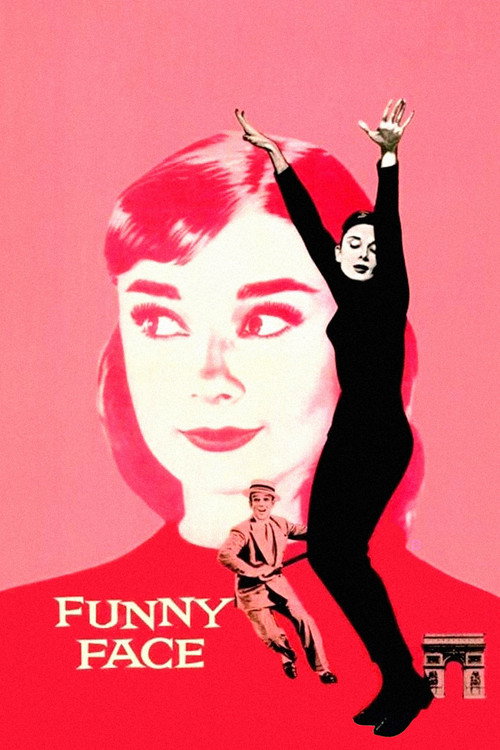
Funny Face1957
Baker lived inside the aesthetic world this film celebrates. Let's Get Lost shows what that seduction actually cost him—the documentary is the morning after to Funny Face's glamorous night.
Audrey Hepburn and Fred Astaire in a Technicolor musical about a model and a photographer in Paris. Chet Baker appears briefly in the jazz club scenes, and the film's aesthetic—cool, elegant, seductive—is the exact world that made young Baker a star.
But It's a Hollywood confection, glossy and romantic. The 1950s myth it sells is precisely what Baker's documentary unmasks as hollow and dangerous.
More like this (7)
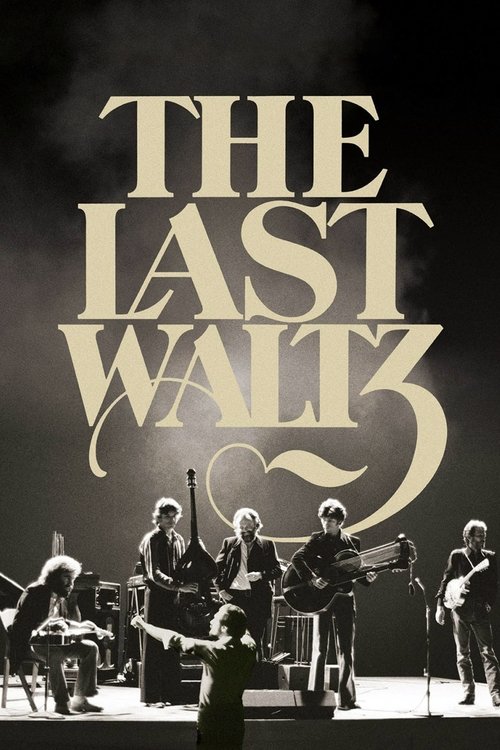
The Last Waltz1978
Scorsese's film of the Band's final concert, intimate and elegiac. It captures aging musicians at a threshold, their mortality visible, their gift intact. The mood of reckoning mirrors Weber's sensibility.
But It's primarily a concert film. If you're not invested in the Band or '70s rock, the long musical passages won't hook you.
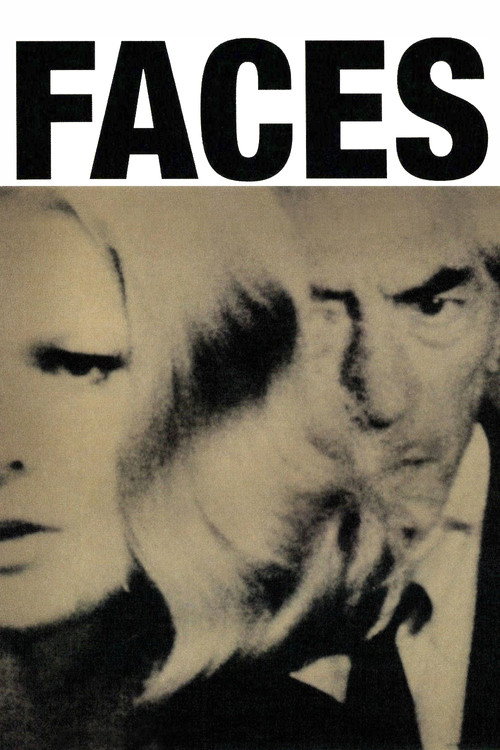
Faces1968
John Cassavetes' raw, improvised domestic tragedy about middle-aged dissolution and infidelity. The camera catches real pain and confusion. It has the unflinching quality of Weber's dual timeline—youth versus decay.
But The acting is deliberately unglamorous, the dialogue overlapped and messy. It can feel like watching real people's worst moments, which is the point but not for everyone.
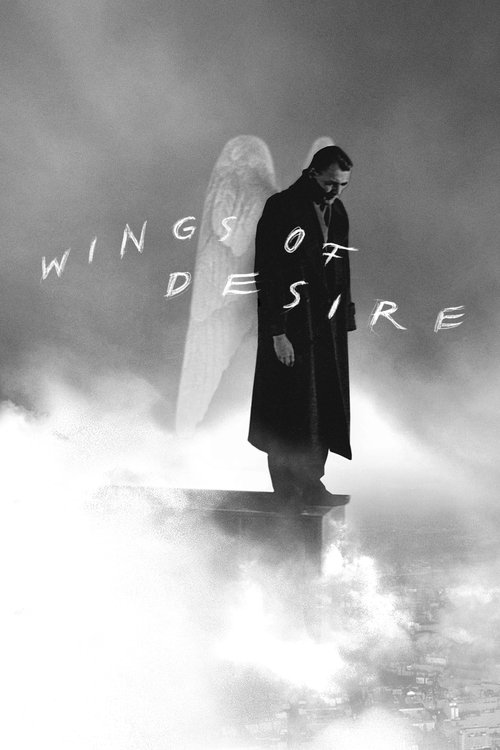
Wings of Desire1987
Wim Wenders' meditation on mortality, beauty, and the distance between observer and observed. It shares Weber's elegiac tone and fascination with how grace and damage coexist in human faces.
But It's abstract and philosophical. There's no plot to follow, and the pacing is deliberately slow. It demands patience and tolerance for ambiguity.
Heroin(e)2017
Elaine McMillion Gorman's short documentary about addiction's grip in West Virginia. It's unflinching and compassionate, showing intelligent, talented people trapped. The intimacy matches Weber's approach.
But It's genuinely difficult to watch. The suffering is real and ongoing, not resolved or transformed by the camera's gaze.

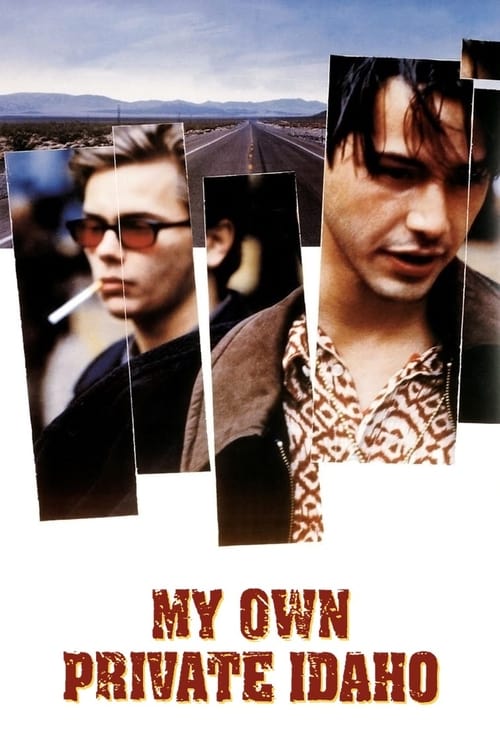
My Own Private Idaho1991
Gus Van Sant's portrait of street hustlers and rootlessness, shot through with melancholy and sudden beauty. River Phoenix's performance captures a wasted talent with tender precision. Structurally fragmented like Baker's life.
But The narrative is deliberately fractured. Some scenes feel indulgent, and the film's mix of styles can feel scattered rather than cohesive.
Requiem for a Dream2000
Where Let's Get Lost is observational and mournful, Requiem is visceral and nightmarish. Both chart the same territory—genius, beauty, and drugs—but one is a photograph and one is a scream. Together they're complete.
Darren Aronofsky's nightmarish portrait of addiction in four lives: a heroin user, his mother, his girlfriend, his friend. The film is formally daring—split screens, rapid cuts, audio distortion—showing addiction as a collapse of will and self.
But It's visually punishing and emotionally relentless. The aesthetic assault is intentional, and some viewers find it exploitative or unwatchable. There is no mercy in the camera.

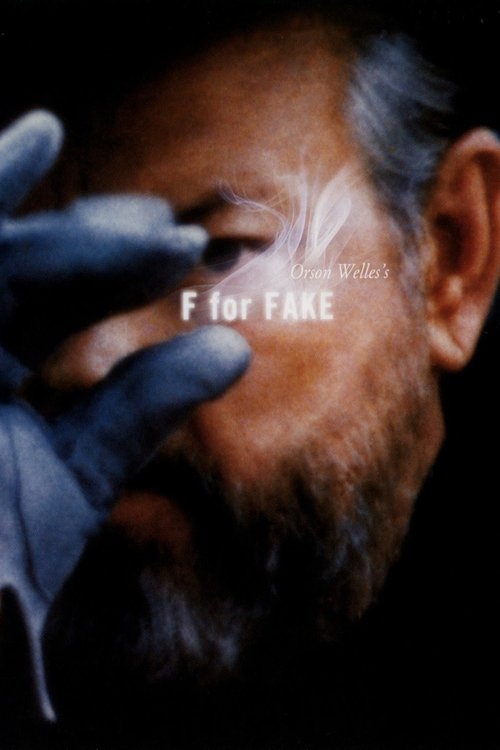
F for Fake1973
Both films interrogate the documentary image itself. Weber shows us two Chet Bakers—young and old—and asks us what's true. Welles asks the same question about everything. They're both about the gap between the face and the reality behind it.
Orson Welles's playful essay film about fakery, authorship, and the unreliability of the image. It's about what we believe we're seeing and what's actually there—a perfect counterpoint to a documentary that shows Baker across different eras, always himself and never.
But It's formally experimental and refuses traditional narrative. Welles is flirting with his audience, and some people find that maddening rather than delightful.
People
Cast
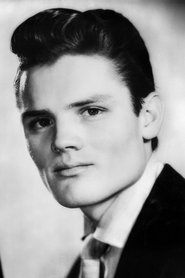 Chet BakerSelf
- Carol BakerSelf
- Vera BakerSelf
- Paul BakerSelf
- Dean BakerSelf
- Missy BakerSelf
- Dick BockSelf
- William ClaxtonSelf
 FleaSelf
- Hersh HamelSelf
 Chris IsaakSelf
 Lisa MarieSelf
Directing
- Bruce WeberDirector
Production
- Nan BushExecutive Producer
- Bruce WeberProducer