
Film
Viva
- Comedy
- Strange
A 1970s comedy about a repressed housewife thrust into the sexual and social chaos of bohemian Los Angeles. Written and directed by Anna Biller, who also stars, it's a deadpan, deliberately artificial film that toys with the artificiality of desire itself—camp and campy, funny and uncomfortable, a Barbie doll dropped into a fever dream of liberation. For those who love conceptual comedy and don't mind being provoked.
Should you watch it?
Watch it if you adore self-consciously retro, candy-coloured satire where the production design is half the joke and the heroine's bewildered deadpan carries the rest.
Skip it if the deliberately artificial acting and studied, slow-burn pacing can feel airless over two hours, and if you need naturalism or a brisk plot, the stylised artifice will wear thin.
What it asks of you: Two hours of deliberately paced, lavishly staged tableaux where mood builds more than momentum; you'll need to settle in rather than be carried along.
Not sure? Find tonight's pick in a minute.
If you liked this
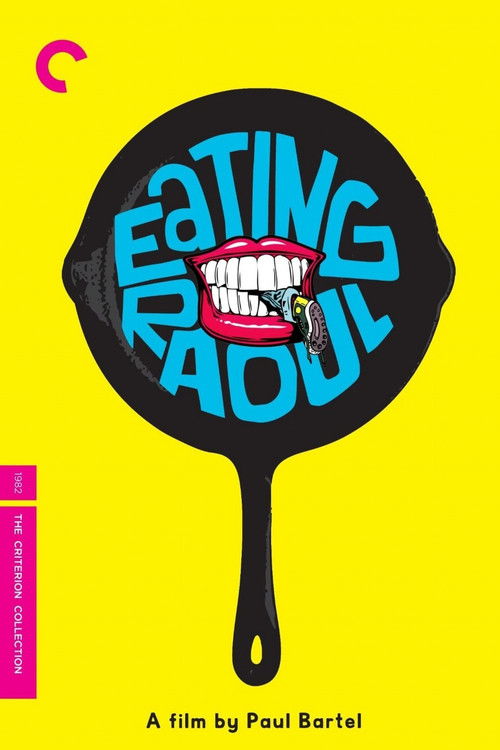
Eating Raoul1982
Dark, deadpan satire about suburban mores and sexual transgression that uses comedy to make you deeply uncomfortable. That same peculiar blend of camp affection and genuine critique.
But The tone is glacial and the humor arrives in silences. If you need warmth or momentum, you'll find it withholding.
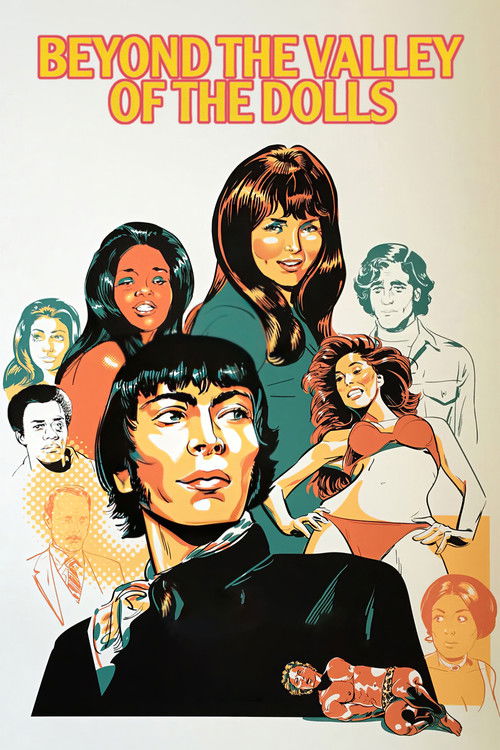
Beyond the Valley of the Dolls1970
Roger Ebert's screenplay for Russ Meyer: a hallucinogenic descent into Los Angeles hedonism and fame-seeking, saturated in period excess and genuine satire of sexual liberation mythology.
But The pacing is chaotic and some sequences feel genuinely exploitative despite the satirical intent. The script's gender politics are complicated.
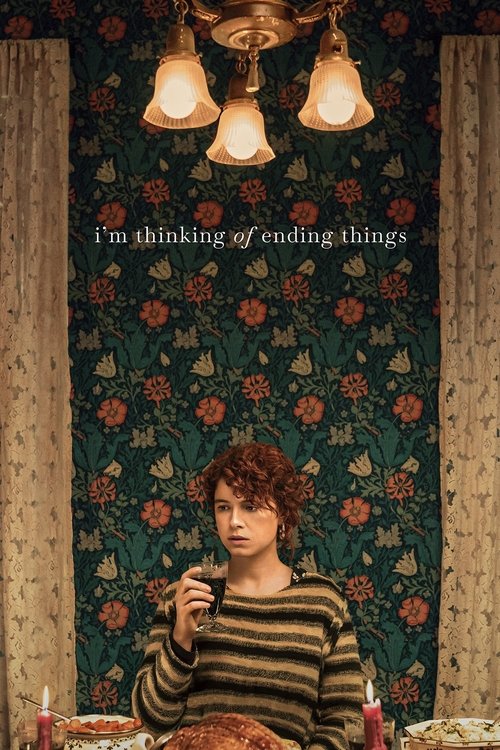
I'm Thinking of Ending Things2020
Charlie Kaufman's film obsesses over performance, desire, and whether authentic feeling can exist. The artificiality of the set design and dialogue mirrors Biller's commitment to surfaces as meaning.
But It's three hours of dread punctuated by theatre sequences. Bleak, airless, and designed to exhaust rather than delight.
Not sure tonight? Get a pick in a minute, starting from Viva
The wildcard
Something you would not have found on your own.
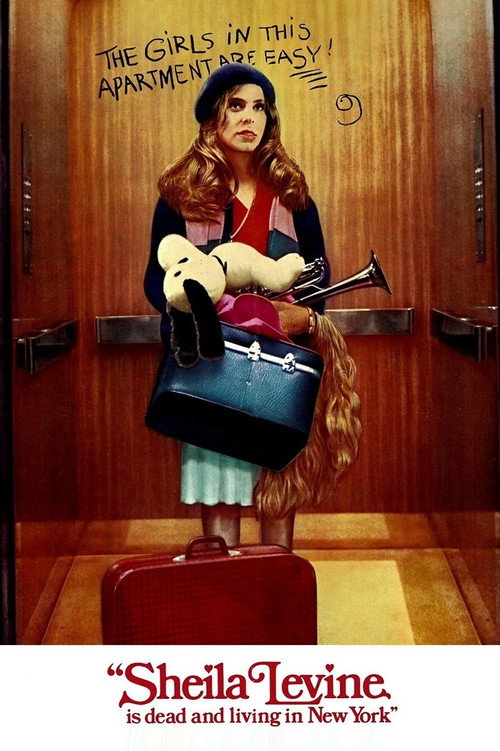
Sheila Levine Is Dead and Living in New York1975
Both films center on female desire and autonomy in the seventies, but Levine approaches the period with sincere, unglamorous warmth where Viva weaponizes surfaces and artifice. Together they suggest the range of how cinema could think about women's liberation.
A forgotten comedy about a single woman navigating 1970s New York, dating, and female friendship. Made with genuine affection for its heroine's chaos and failure, and free of the self-consciousness that weighs on more celebrated seventies cinema.
But The filmmaking is workmanlike and the humor is softly domestic rather than conceptual. It's gentle in ways that feel dated.
More like this (7)
Faces1968
John Cassavetes's intimate, improvisational study of suburban infidelity and the desperation beneath social performance. Messy, raw, and genuinely about what desire does to people.
But It's gritty naturalism rather than conceptual comedy, and the handheld camera and overlapping dialogue feel more like therapy sessions than entertainment.

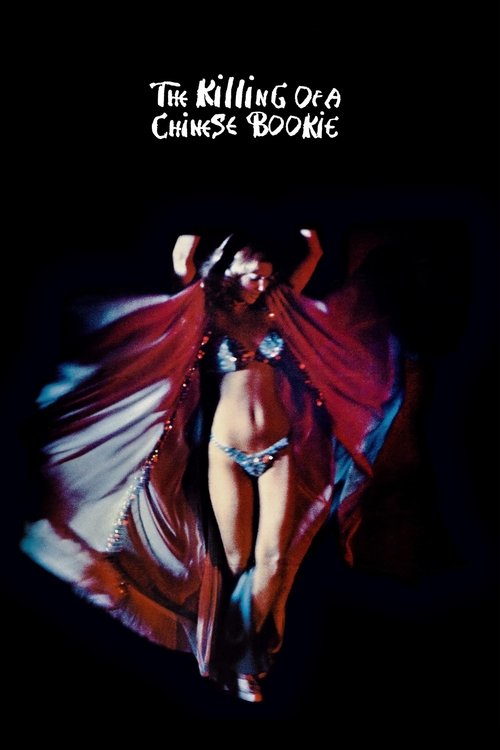
The Killing of a Chinese Bookie1976
Cassavetes again, this time following a Los Angeles strip-club owner through underworld chaos. Seedy, intimate, and obsessed with the texture of transgressive spaces and performance.
But The narrative is deliberately murky and the pacing glacial. You're asked to sit with discomfort and tedium as the point.
Mulholland Drive2001
David Lynch's Hollywood fever dream treats Los Angeles desire and performance as the real subject. Gorgeously artificial, structurally playful, and genuinely unsettling about how surfaces hide depths.
But It's a three-hour puzzle that may not solve. Some find the formal games precious; others find the misogyny harder to overlook than the film wants to admit.

Fast Color2019
A science-fiction film about Black women and bodily autonomy that uses genre as a vehicle for interrogating control, performance, and female power. Formally inventive and emotionally acute.
But The budget constraints show in the effects. The plotting is sometimes secondary to thematic concerns, which can feel unfocused.

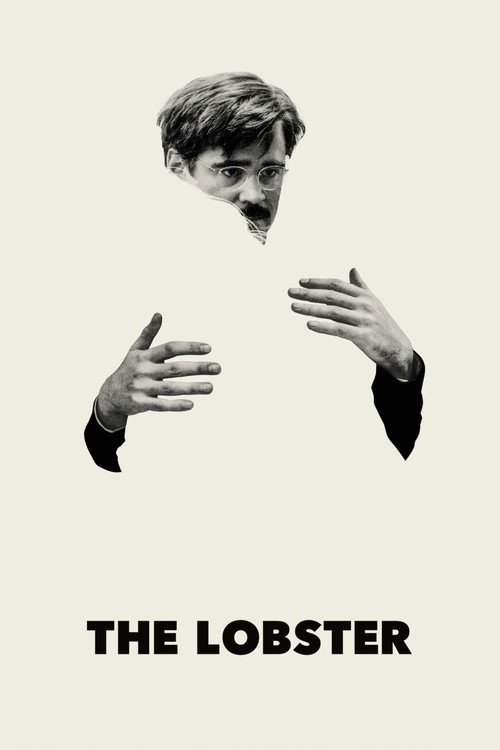
The Lobster2015
Yorgos Lanthimos's absurdist dystopia about mandatory coupling treats human desire with deadpan horror-comedy. Deeply artificial, conceptually rigorous, and darkly funny about sexual politics.
But The affect is detached and bleak throughout. There's no catharsis, and some find the relentless stylization exhausting rather than liberating.
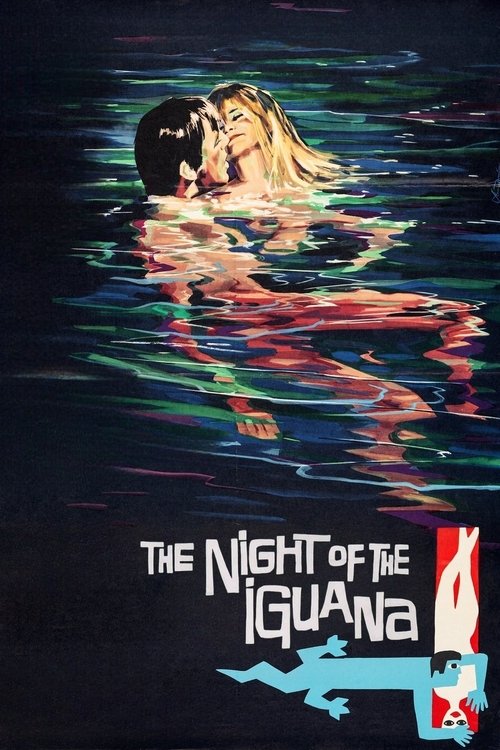
The Night of the Iguana1964
Both films treat desire as theatrical and destructive, but Williams plays it as tragedy while Biller plays it as satire. Watching them together exposes how much of Viva's comedy is a deflection of the same sadness running through Williams's work.
Tennessee Williams adapted by John Huston: a steamy, baroque melodrama about desire, transgression, and the masks we perform. Richard Burton trapped with women—a nun, a sexpot, his ex—in a Mexican seaside hotel. Gorgeously composed and sexually frank.
But The gender dynamics are Williams's, which means the women ultimately serve the male fantasy. It's also very long and digressive.
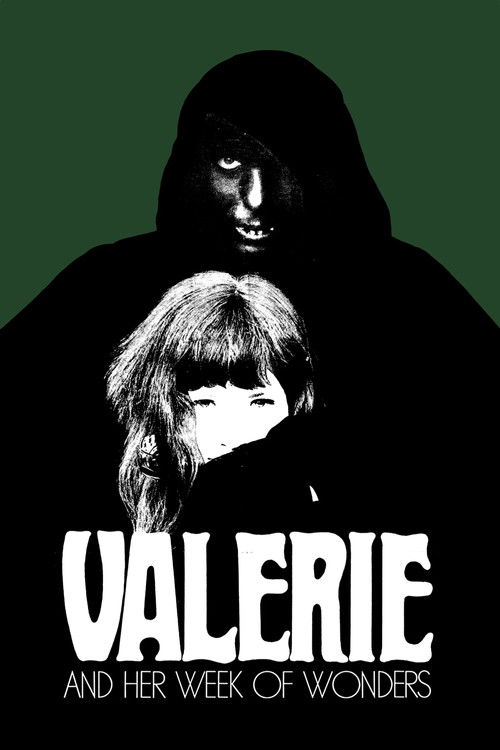
Valerie and Her Week of Wonders1970
Both use artifice and saturation to render female sexuality strange and visible. But where Viva is all surfaces and performance, Valerie dwells in the irrational and mythic. Neither is naturalistic, but they reach toward different truths.
A Czech fairy tale about a girl's sexual awakening, told in a fever dream of primary colors, Gothic sexuality, and genuine strangeness. Formally radical, erotically charged, and utterly unique in mood and structure.
But It's dreamlike to the point of obscurity. There's no conventional narrative, and the sexuality is coded in ways that require patience to parse.
People
Cast
 Anna BillerBarbi / Viva
 Jared SanfordMark
 Bridget BrnoSheila
- Chad EnglandRick
 Barry MorseSherman
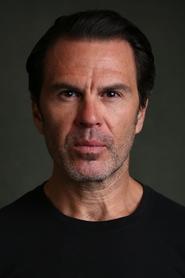 Marcus DeAndaClyde
- John KlemantaskiArthur
- Paolo DavanzoElmer
 Veronica AlicinoMiss Marker
- Sam BolognaMr. Humphrey
- Carole BalkanMrs. James
- Robbin RyanAgnes
Directing
- Anna BillerDirector
Writing
- Anna BillerScreenplay
Production
- Anna BillerProducer
- Jared SanfordProducer
Recommended by
Ballet 422, How to Be a Player, A Million Ways to Die in the West