
Film
The Killing of a Chinese Bookie
John Cassavetes' fever dream of a noir follows a gambling-addicted cabaret owner trying to dig out from under mob debt by committing murder. Shot in fragmented, hypnotic sequences with naturalistic performances, it's a film that trusts you to feel its atmosphere rather than explain it. For viewers who love character-driven crime stories with real stakes and moral texture.
Should you watch it?
Watch it if you love John Cassavetes-style character studies where a loser's bad choices are observed with patience and affection, and you don't mind a crime plot that drifts into the margins of its own story.
Skip it if you want a tight, plot-driven heist or hitman thriller; this one lingers in smoky rooms, wanders through long quiet stretches, and rewards attention rather than delivering momentum.
What it asks of you: Settle in for a long, unhurried two and a quarter hours, where most scenes play at a low simmer and the mood stays grimy and melancholy rather than tense.
Not sure? Find tonight's pick in a minute.
If you liked this
In a Lonely Place1950
Bogart as a volatile man drawn into darkness by circumstance and his own nature. Like Cosmo, he's charming and doomed, trapped by the criminal world's logic and his own flaws.
But The pacing is deliberate. If you want plot momentum over mood and character study, this will test your patience.

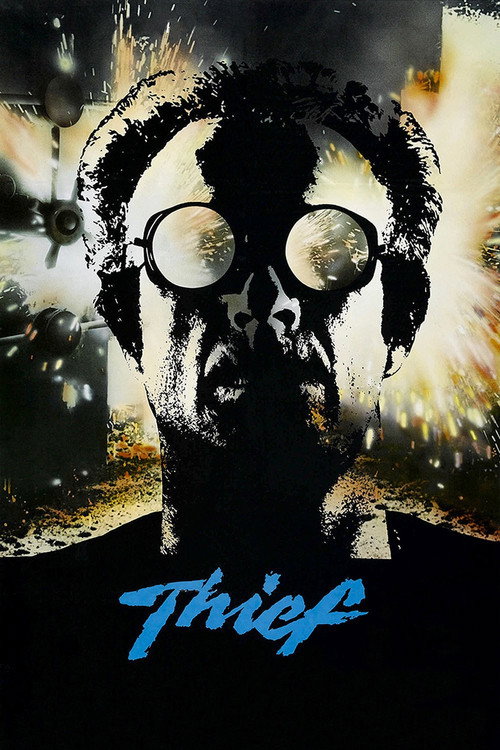
Thief1981
Michael Mann's precise heist thriller about a professional thief trying to escape the mob's grasp. Shares Cassavetes' focus on small-time operators crushed by larger criminal forces and their own desperation.
But It's cooler and more stylised than The Killing of a Chinese Bookie. If you want the grittier, more intimate version, this might feel too polished.
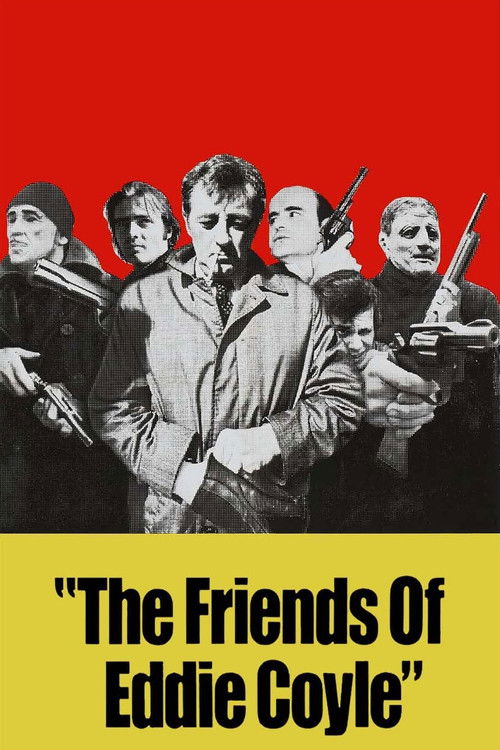
The Friends of Eddie Coyle1973
Robert Mitchum as a low-level criminal caught between loyalty and survival. A masterclass in depicting the exhaustion and futility of small-time crime, with the same documentary realism Cassavetes brings.
But Very little happens. It's a film about waiting, negotiating, and watching good men accept their fate—not an action film dressed up as one.
Not sure tonight? Get a pick in a minute, starting from The Killing of a Chinese Bookie
The wildcard
Something you would not have found on your own.
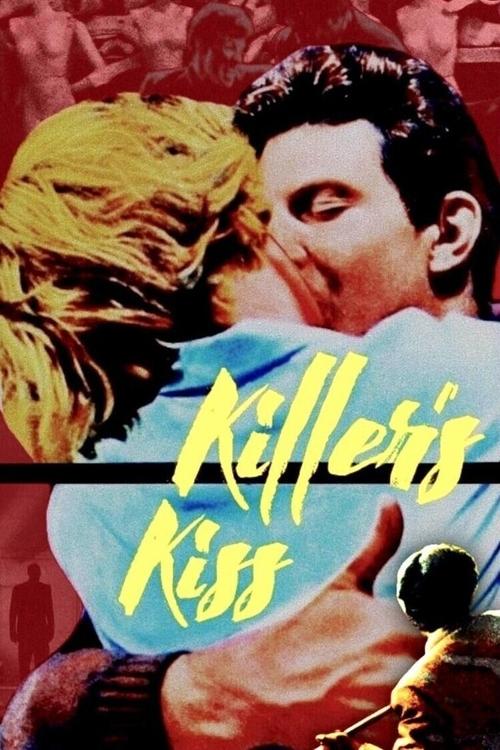
Killer's Kiss1955
Both are low-budget crime films about ordinary men destroyed by forces larger than themselves, told through atmosphere and character rather than plot mechanics. Both use fragmented editing and nightmarish visual style to express psychological pressure.
Kubrick's debut follows a boxer pulled into underworld violence by love and circumstance. Shot in grainy, surreal black-and-white, it's as much a tone poem as a thriller—dreamlike and fatalistic like Cassavetes.
But Only 67 minutes and made on almost no budget; it's a sketch rather than a full painting. The narrative frays and the acting is uneven, which is part of its charm and part of its problem.
More like this (8)
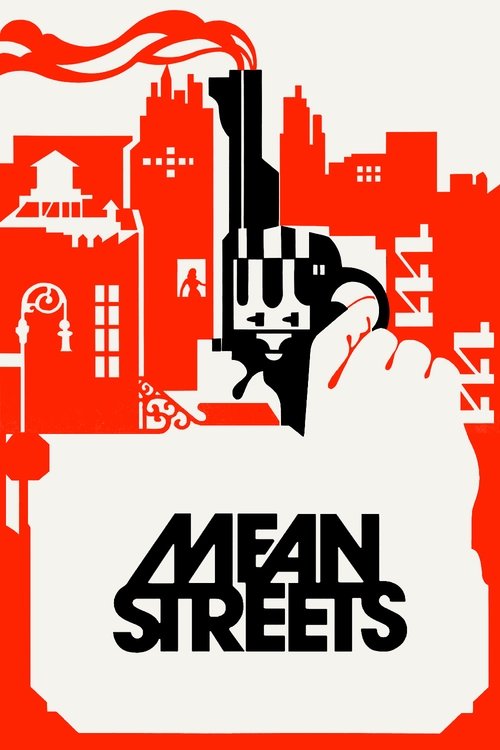
Mean Streets1973
De Niro and Keitel as small-time hoods in New York, exploring conscience and loyalty within criminal life. Cassavetes' influence is all over Scorsese's roughness and his focus on character over spectacle.
But The violence is sudden and brutal rather than heroic. If you need your crime stories to have clear moral winners, this gets uncomfortable.
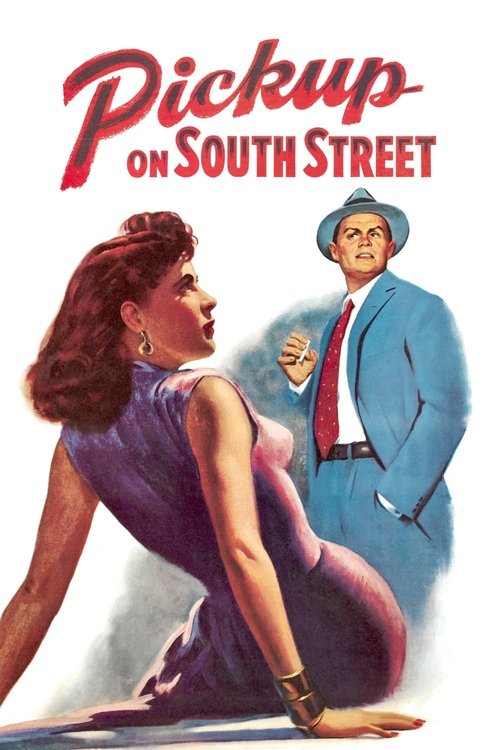
Pickup on South Street1953
Fuller's lean, propulsive noir about a pickpocket caught between cops and spies. Moves faster than Cassavetes but shares his fascination with survival and the impossible choices facing desperate men.
But Much tighter and more plot-driven. If you love the dreamlike, fractured quality of The Killing, this will feel conventional.
The Killing1956
Kubrick's chess-like heist film about small-time racers and criminals trying one last score. The same rigorous attention to how ordinary men are destroyed by criminal obligation and bad timing.
But Significantly more structured and controlled. Kubrick's exactness is the opposite of Cassavetes' improvisation and intuition.

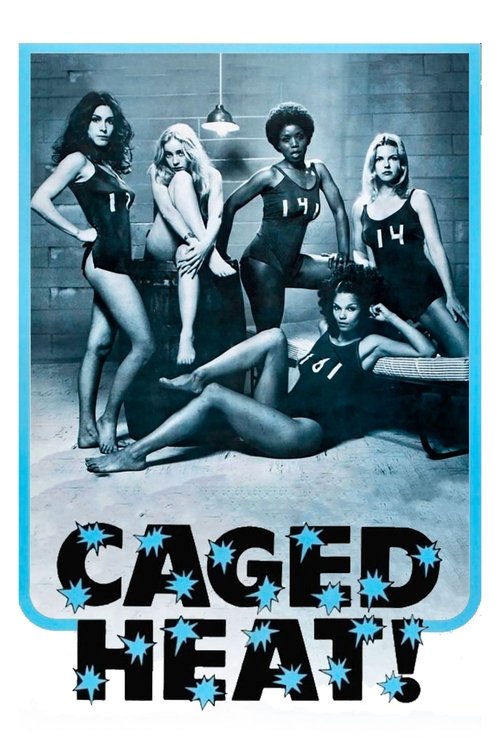
Caged Heat1974
Jonathan Demme's prison exploitation film with genuine compassion for its characters. Low-budget filmmaking that feels real, treating desperate people with dignity rather than contempt.
But Very much a product of 1970s exploitation cinema—violence and nudity used as narrative language rather than style. Not everyone's entry point.
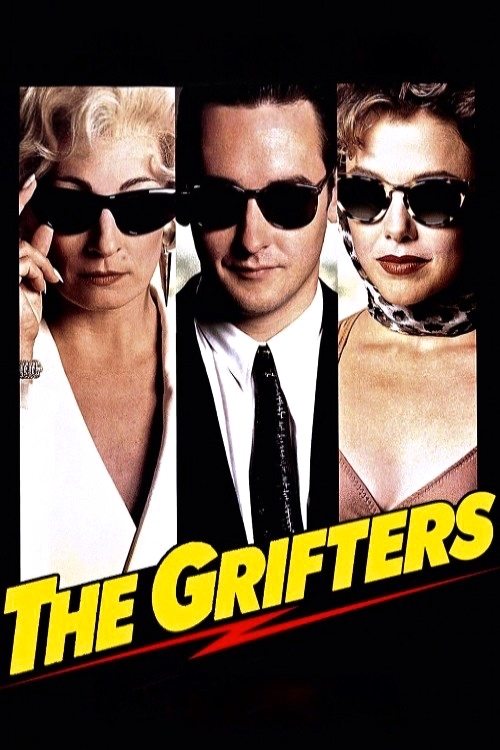
The Grifters1990
Frears' adaptation of Jim Thompson about cons and small-time criminals trapped by their own natures. Character-driven crime story about people who can't stop themselves from self-destruction.
But More polished and narratively clear than Cassavetes. If you love his fractured, almost abstract approach, this might feel too explained.
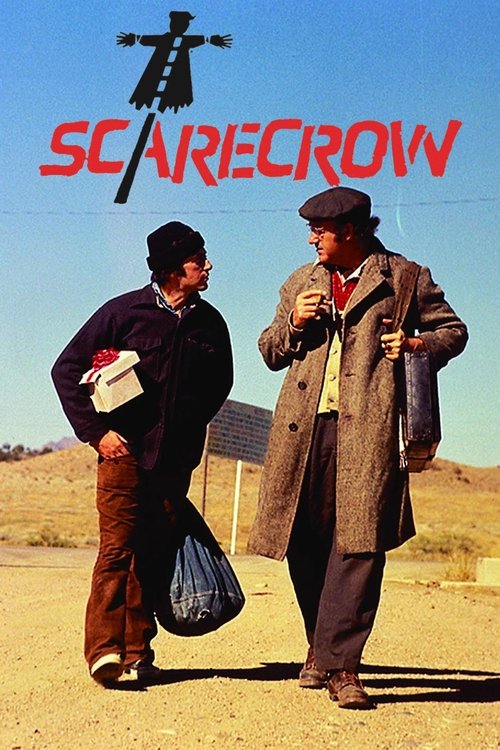
Scarecrow1973
Pacino and Walken as drifters and ex-cons trying to stay afloat. Cassavetes regular John Cassavetes himself appears; the film captures that same intimate, improvised energy about men barely holding on.
But Sprawling and unfocused. Some viewers find its aimlessness frustrating rather than contemplative.
Possession1981
Both are narratives that prioritise psychological and sensory experience over plot clarity. Both trust the viewer to surrender to mood and fractured storytelling. Both feature protagonists pushed beyond reason into desperate action.
Andrzej Żuławski's fever dream of a marriage and espionage colliding in Berlin. Isabelle Adjani's performance is unhinged and hypnotic; the film moves like Cosmo's fragmented consciousness—associative, intuitive, almost hallucinatory.
But Extremely demanding and weird. It's horror, thriller, and relationship drama in a blender. Some find it pretentious; many find it exhausting in the best or worst way.

Tokyo Story1953
Both directors practice radical empathy toward flawed, ordinary characters. Both use repetition and stasis as technique. Both understand that the weight of daily life and small decisions can be as profound as any action or crisis.
Ozu's masterpiece about an aging couple visiting their son in post-war Tokyo. Utterly still and observational, it watches ordinary lives with profound tenderness. Like Cassavetes, Ozu finds dignity and drama in the quiet choices people make.
But Nearly three hours, no plot momentum, almost no music, static camera. Requires patience and surrender. If you watch films for incident and pace, this will feel glacial.

People
Cast
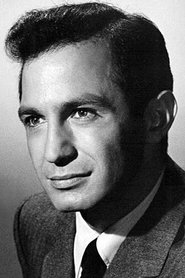 Ben GazzaraCosmo Vittelli
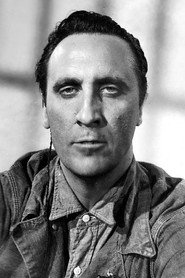
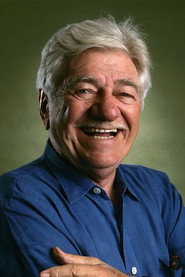 Seymour CasselMort Weil
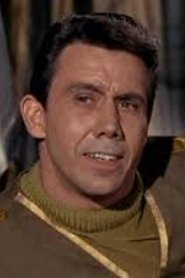 Robert PhillipsPhil
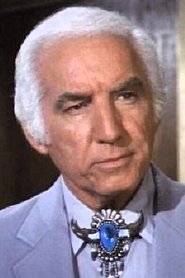 Morgan WoodwardThe Boss
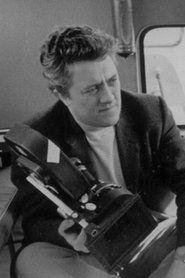 Al RubanMarty Reitz
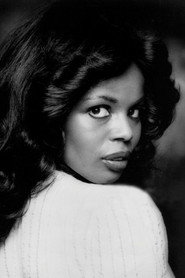 Azizi JohariRachel
 HajiHaji
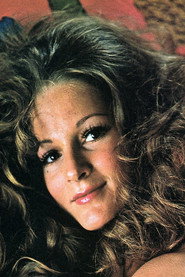 Alice FriedlandSherry
- Derna WyldeDerna
- Carolyn WarrenCarol
Directing
- John CassavetesDirector
- Sandy KingScript Supervisor
- Nathan HaggardSecond Assistant Director
Writing
- John CassavetesWriter
Production
- Connie McFeeleyAccountant
- Phil BurtonAssociate Producer
- David ArmstrongLocation Manager
- Al RubanProducer
- Art LevinsonProduction Manager
- Teresa StokovicProduction Secretary
Recommended by
The Friends of Eddie Coyle, House of Strangers, Monsieur Verdoux, The Jackie Robinson Story, Husbands, Faces, Body Double, Hard Eight, Requiem for a Heavyweight, The Stunt Man, What Price Hollywood?, Straight Time, Auntie Mame, Night Moves, Sapphire, Barbarians at the Gate, Kansas City Confidential, Special Bulletin, Blue Collar, Unlawful Entry, Pacific Heights, Detective Story, Paranoid Park, Detour, The Day of the Locust, The Cotton Club, Hardcore, Mikey and Nicky, Pickup on South Street, Personal Best, Shadows, The Last Detail, Vixen!, Slaughter, A Star Is Born, Smithereens, Plunder Road, Shampoo, Blue Thunder, Gentlemen Prefer Blondes, No Way Out, East Side, West Side, Raw Deal, The Swimming Pool, Truck Turner, The Jerk, The Last Tycoon, Fingers, The Night of the Following Day, Hustle, The Best Things in Life Are Free, Mondo Topless, El Super, Penitentiary, The Killer Is on the Phone, The New York Ripper, Vice Squad, Hopscotch, A Man Is Ten Feet Tall, The Roman Spring of Mrs. Stone, Till the End of Time, Play It as It Lays, Love Streams, The Funeral, Roseland, California Suite, Never Steal Anything Small, The Bonfire of the Vanities, Mississippi Masala, The Good Guys, Bathory: Countess of Blood, Larceny, The Doorway to Hell, Edge of the City, State of Siege, The Killer Is Loose, Blast of Silence, The Dark Past, Masked and Anonymous, Guilty by Suspicion, The Mattei Affair, The Marriage of a Young Stockbroker, 200 Cigarettes, Lillie, The Lineup, Bone, Pretty Baby, Lives of Performers, Checkpoint, Viva, The Badlanders, The Underworld Story, The Skydivers, American Skin, Chicago Confidential, Rich Man's Folly, It Should Happen to You, Machine-Gun Kelly, Headless Body in Topless Bar, Violent Saturday, Katherine, The Annihilators, True Confessions, Johnny Stool Pigeon, Timon of Athens, Grand Slam