
Film
The Underworld Story
A cynical, blacklisted reporter lands at a small-town newspaper and immediately weaponizes his unscrupulous tactics to chase a juicy murder story. This B-movie noir treats corruption as infectious—showing how one man's moral rot spreads through an entire community. It's scrappy, propulsive, and genuinely interested in how power operates in places that feel powerless.
Should you watch it?
Watch it if you like newspaper pictures where ambition bends the moral compass and the cynicism is part of the fun, the sharp, talky kind of 1950s crime story.
Skip it if you need a hero to root for, since the reporter is a man whose ethics are slippery from the start and the film never softens that.
What it asks of you: Close attention to talk and newsroom scheming rather than spectacle, packed into a brisk ninety-one minutes that rewards sitting forward.
Not sure? Find tonight's pick in a minute.
If you liked this
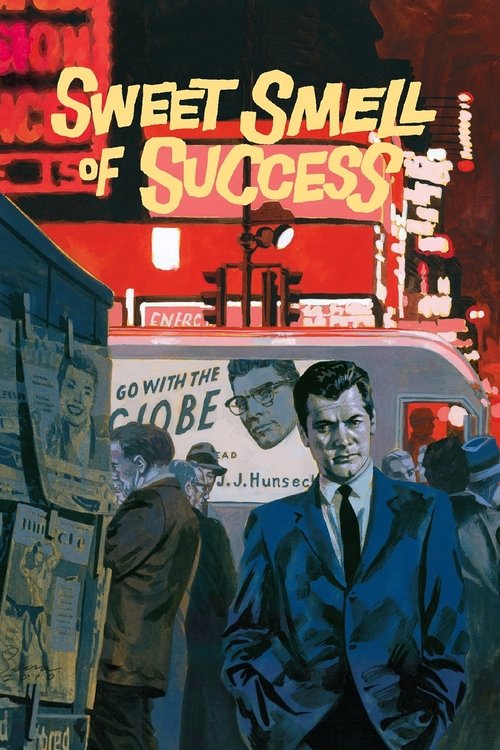
Sweet Smell of Success1957
Another corrosive tale of a manipulative newsman who destroys lives for a story. Burt Lancaster's columnist is vicious and brilliant, and the film's cynicism about media and leverage is far more eloquent than its plot.
But The pacing is mannered and the dialogue occasionally overwrites itself. If you want plot momentum, this will feel glacial.
The Killers1946
Burt Lancaster's debut: a small-town mystery that unravels backward, seduced by noir's moral ambiguity. Mark Hellinger's direction is taut and imaginative, using landscape and shadow to suggest corruption everywhere.
But The narrative jumps around in time, which was daring then but can feel bumpy now. Some exposition feels clunky by modern standards.

In a Lonely Place1950
Bogart as a volatile, damaged Hollywood screenwriter wrongly suspected of murder. Ray's film is interested in how suspicion poisons trust, and how a rotten guy can seem innocent. Deeply sad and intelligent.
But The romantic subplot feels obligatory and the ending is bleak in ways that won't comfort you. Also fairly slow for a thriller.

Not sure tonight? Get a pick in a minute, starting from The Underworld Story
The wildcard
Something you would not have found on your own.
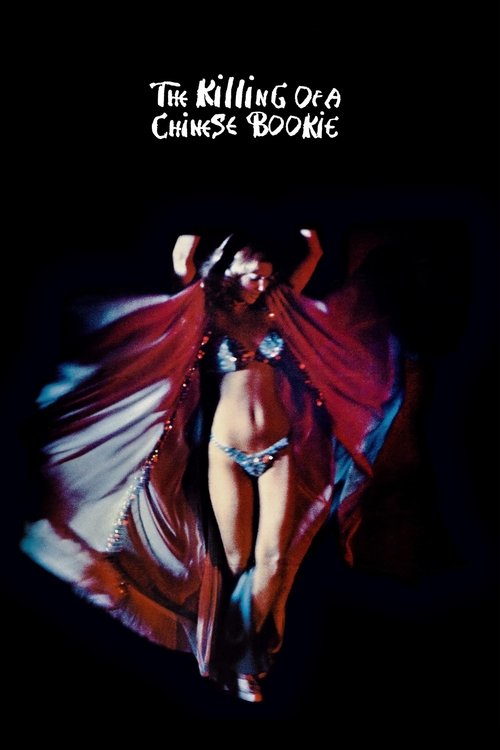
The Killing of a Chinese Bookie1976
Both follow a flawed protagonist through a small-town underworld where everyone is implicated by proximity. Corruption doesn't arrive; it's ambient.
Cassavetes' fever dream about a strip-club owner pulled into a murder by proximity and obligation. Like *Underworld Story*, it's about how one bad decision cascades through a small world and destroys it. Shot with documentary realism but feeling like a dream.
But Structurally messy and sometimes incoherent. Cassavetes' method can feel undisciplined. Long and hypnotic in ways that test patience.
More like this (7)
The Killing1956
Kubrick's debut about a doomed racetrack heist told in fractured time. It's economical, clever, and humane about desperate people making terrible choices together.
But The budget was tiny and it shows. Some scenes are stagey and the acting is uneven. The femme fatale character is sketchy by any standard.

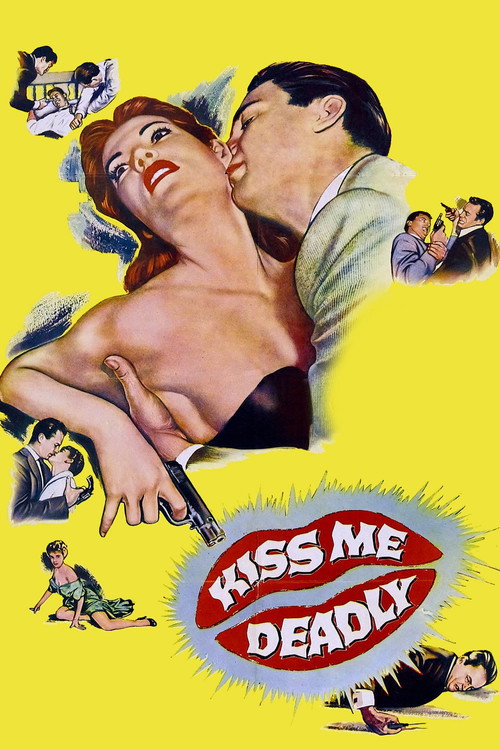
Kiss Me Deadly1955
Aldrich's vicious revision of Hammett: a philandering private eye stumbles into a conspiracy that may destroy the world. Savage, sexy, and visually inventive. The atomic-age paranoia feels contemporary.
But Misogynistic by design. Rape and violence are treated as plot furniture. The ending is bleak and apocalyptic in ways that won't resolve satisfyingly.
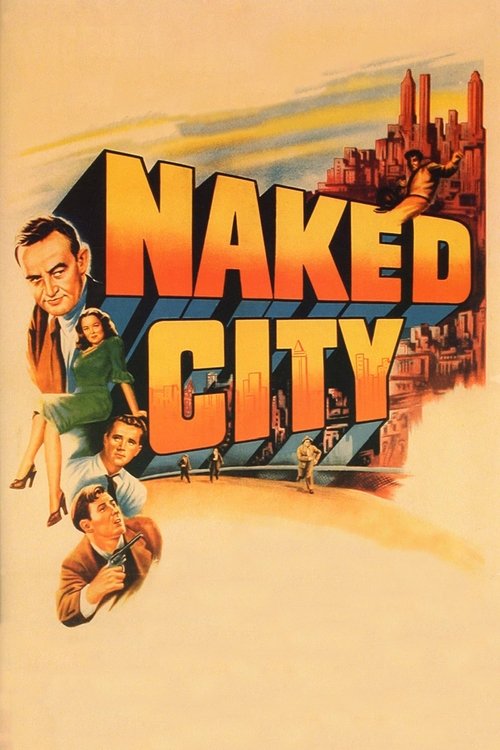
The Naked City1948
A cop-and-corpse procedural that treats New York itself as the real protagonist. Shot on location with a documentary eye, it suggests that crime emerges from urban texture and desperation.
But The plot is functional, not gripping. There's a lot of scenic wandering. By today's standards, the pacing is glacial.
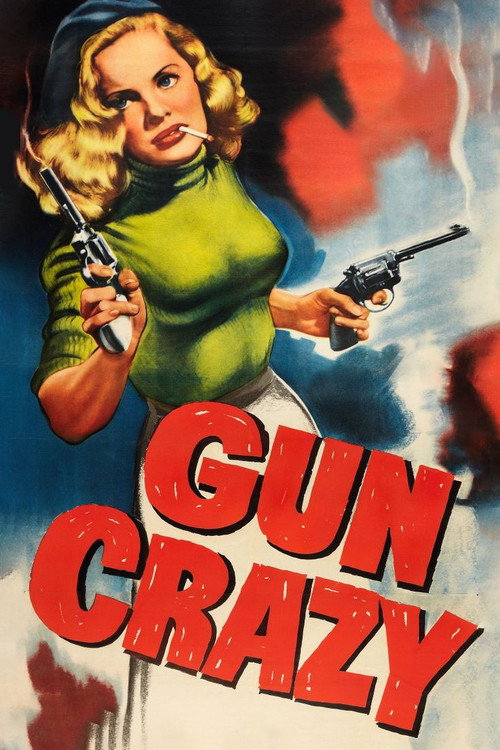
Gun Crazy1950
A couple of young lovers go on a crime spree, shot with real energy and visual flair. The film is sympathetic to their recklessness and finds poetry in their doomed trajectory. Genuinely exciting.
But The social commentary is thin and the portrait of criminality is semi-romantic in ways that don't quite earn themselves. It can feel naive.
The Asphalt Jungle1950
Huston's heist masterpiece: a caper told from the criminals' side, with real attention to procedure and character. Invented the template. Tightly plotted and surprisingly moving.
But You've seen its DNA in a hundred films since. It may feel familiar now. Some of the dialogue is exposition-heavy.

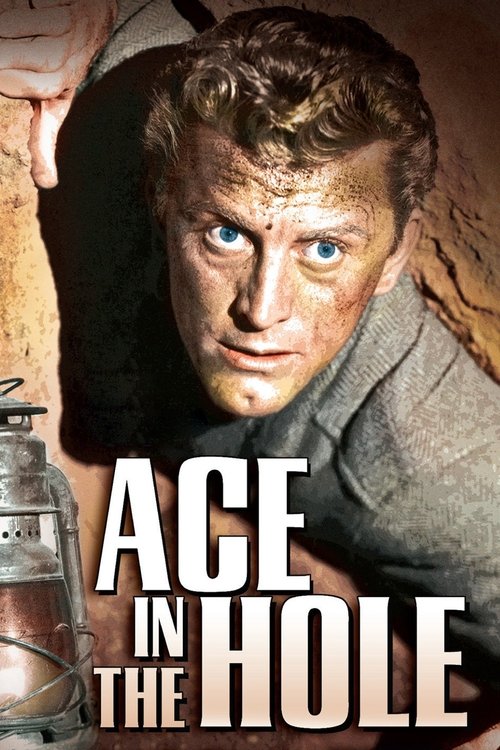
Ace in the Hole1951
Both use journalism and media manipulation as their moral center. Both ask: what does a man become when he treats other people's suffering as currency?
Billy Wilder's pitch-black masterpiece about a desperate reporter who cynically manipulates a mining disaster to resurrect his career. Angrier and more morally certain than *Underworld Story*—it knows exactly how disgusting the protagonist is.
But It's nasty and despairing. Wilder offers no redemption, no warmth, no joke that doesn't curdle. Modern audiences often find it too bleak.
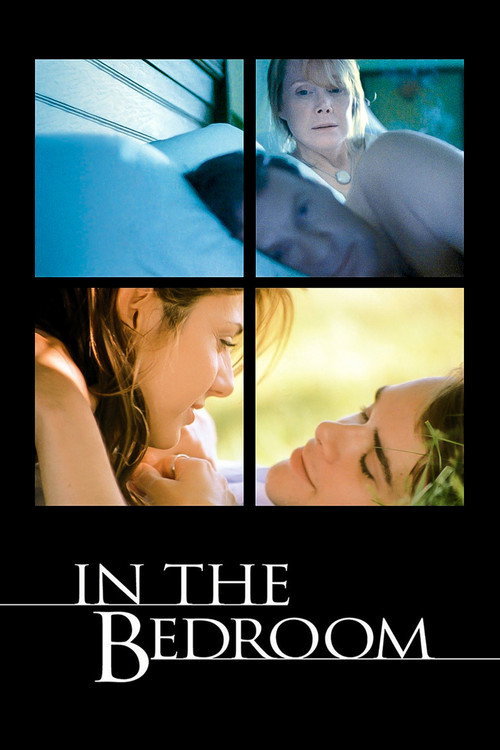
In the Bedroom2001
Both understand that corruption is often a cascade: one bad choice, then another, then you're someone else entirely. Both suggest that people don't change in moments; they change by degrees until the sum is unrecognizable.
A grief-stricken father methodically descends into revenge after his son's death. Todd Field's film is glacially patient about moral corruption—watching a decent man become something else through pain and rage.
But The pacing is glacial and the violence, when it comes, is sudden and unsettling. It's a long, quiet meditation on a bleak subject. Not cathartic.
People
Cast
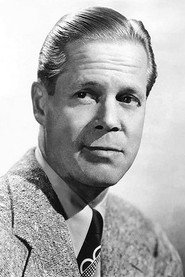 Dan DuryeaMike Reese
 Herbert MarshallE.J. Stanton
 Gale StormCatherine Harris
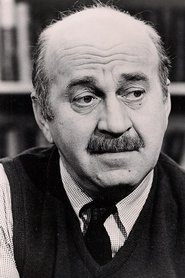 Howard Da SilvaCarl Durham
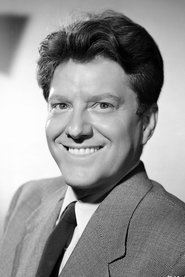 Michael O'SheaRalph Munsey
 Mary AndersonMolly Rankin
- Gar MooreClark Stanton
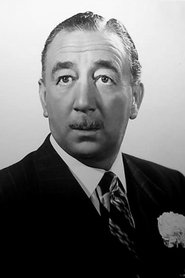 Melville CooperMajor Redford
 Frieda InescortMrs. Eldridge
 Art BakerLieutenant Tilton
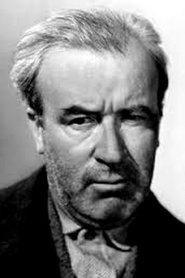 Harry ShannonGeorge Parker
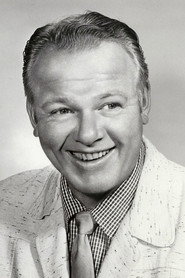 Alan Hale Jr.Shaeffer
Directing
- William A. Calihan Jr.Assistant Director
- Bobbie SierksContinuity
- Cy EndfieldDirector
Writing
- Cy EndfieldAdaptation
- Henry BlankfortScreenplay
- Craig RiceStory
Production
- Bernard W. BurtonAssociate Producer
- Hal E. ChesterProducer
- Allen K. WoodProduction Manager