
Film
The Killers
The Killers (1946) takes Hemingway's ten-page story — two gunmen arrive, the marked man doesn't run — and builds an entire mystery around why. Told through interlocking flashbacks as an insurance investigator pieces together a boxer's slide into ruin, it's dense, atmospheric noir, notable for Burt Lancaster's debut and Ava Gardner at her most lethal. More interested in inevitability than suspense.
If you liked this
Criss Cross1949no page yet
Lancaster and director Robert Siodmak reunite for an even bleaker heist noir — a man who can see the trap closing and still can't stop walking into it.
But Very similar fatalistic mood and cast chemistry, so it may feel like more of the same rather than something new.
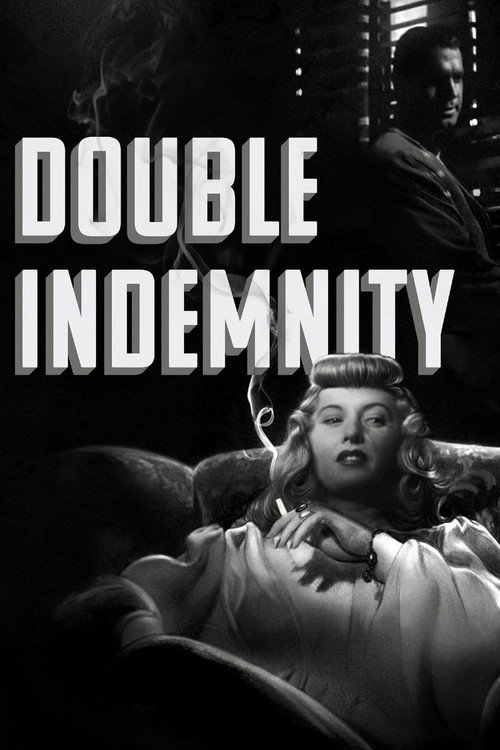
Double Indemnity1944
The insurance-investigator framing device done first and sharpest — the femme fatale blueprint, Wilder's razor dialogue, and a flashback structure that's note-perfect.
But Its voiceover narration is much more constant and overt than what you just watched; some find it talkier.
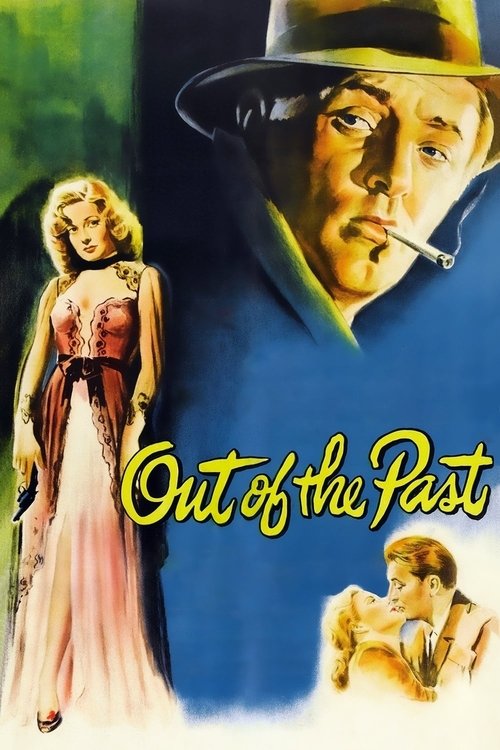
Out of the Past1947
Robert Mitchum plays a man who can't outrun a past entanglement with a woman who ruins everyone she touches — gorgeous, fatalistic noir at its most confident.
But The double-crosses pile up fast and the plotting gets genuinely knotty; blink and you'll lose the thread.
The wildcard
Something you would not have found on your own.
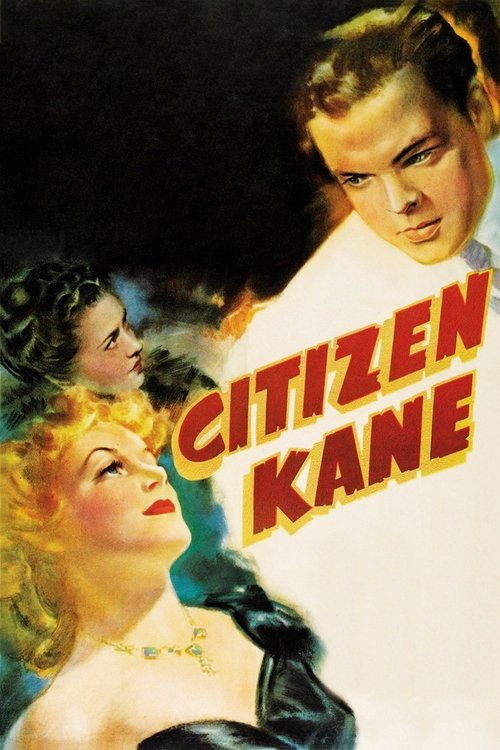
Citizen Kane1941
Both films refuse a single narrator, building a dead man's biography from clashing testimony instead of one flashback — Kane just points that machine at ambition rather than a bullet.
A reporter interviews everyone who knew a dead man to explain his dying word — the same fractured, contradictory-witness structure, aimed at a whole life instead of a single killing.
But A towering prestige drama with no crime plot, gunmen, or genre thrills whatsoever.
More like this (8)
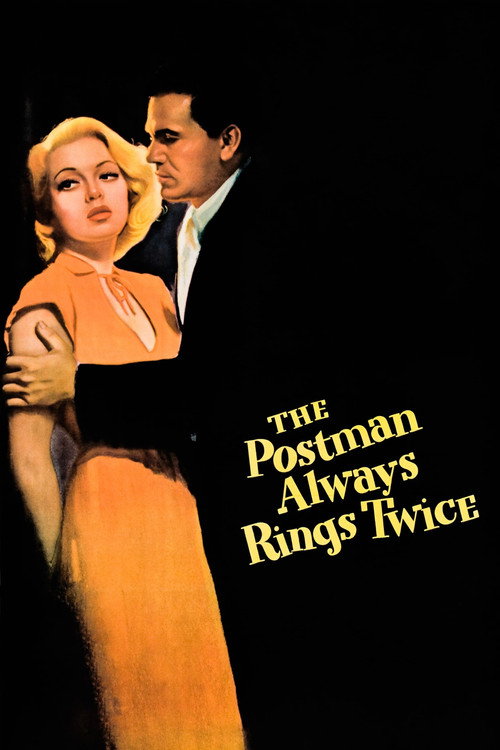
The Postman Always Rings Twice1946
Lana Turner as the woman behind a doomed man's downfall — the same genre engine of desire leading straight to ruin, made the very same year.
But Told straight through rather than pieced together from testimony, so it feels more conventional and less puzzle-like.
Gilda1946no page yet
Rita Hayworth's entrance alone justifies it — another dangerous woman, another man undone by loyalty and desire in a smoky, treacherous world.
But Leans harder into melodrama and romantic torment than into mystery-solving or investigation.
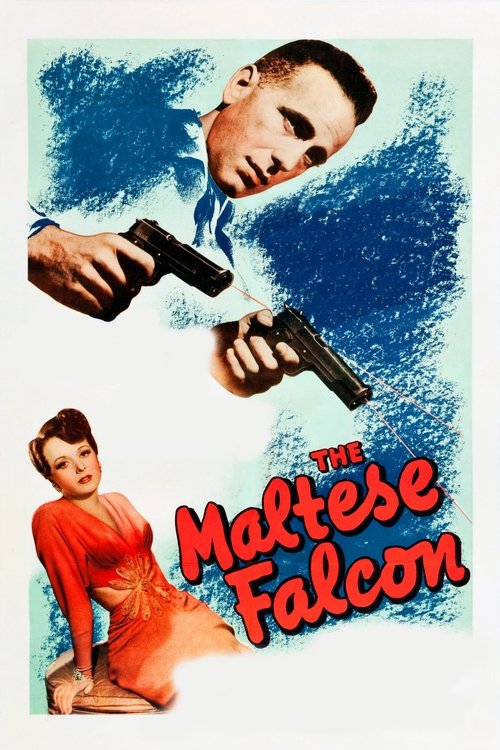
The Maltese Falcon1941
Bogart's detective unravels a web of liars and schemers chasing a dead man's secret — essential noir craft, the genre's founding text for tangled investigations.
But Driven by wit and rapid-fire dialogue rather than mood and dread; a very different noir flavour.
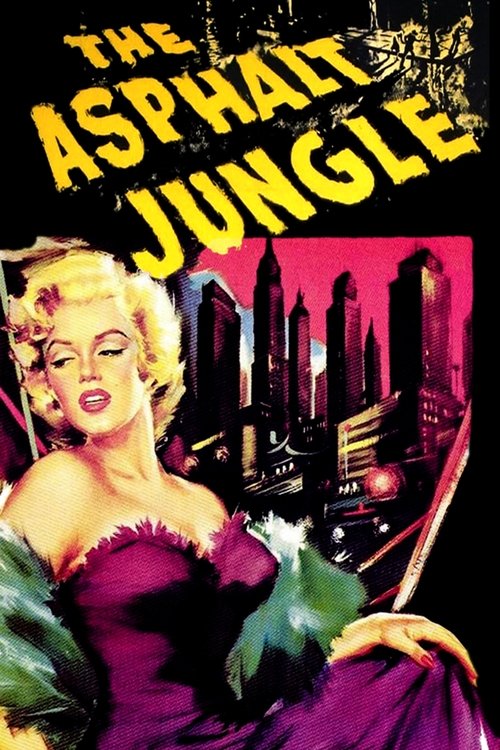
The Asphalt Jungle1950
John Huston's heist film treats its criminals with the same weary sympathy — a plan undone not by bad luck but by plain human weakness.
But No femme fatale driving the story, so if that dynamic hooked you, this lands quite differently.
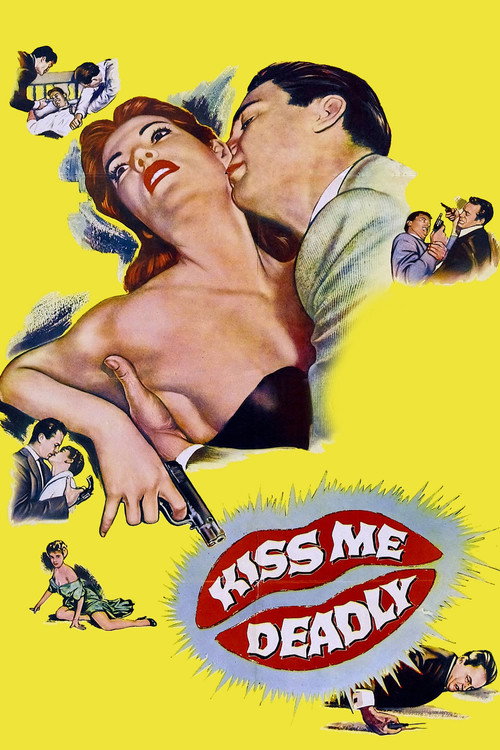
Kiss Me Deadly1955
A pulpier, meaner, more paranoid noir — the genre curdling into something closer to horror, with a detective barely better than the killers he's chasing.
But Its nihilism and strange, apocalyptic ending are polarizing; not everyone wants noir pushed this cynical.
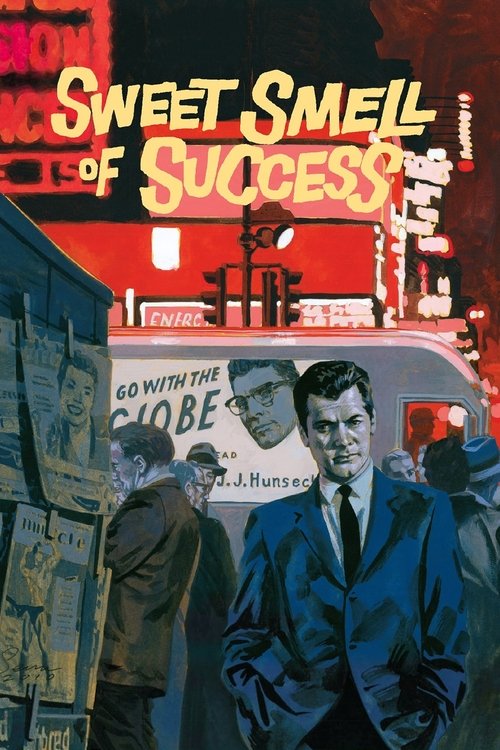
Sweet Smell of Success1957
Lancaster again, now as predator instead of prey — a vicious Broadway columnist in one of cinema's nastiest character studies, all venom and no mercy.
But There's no crime mystery here at all; it's really for Lancaster completists chasing a different kind of performance.
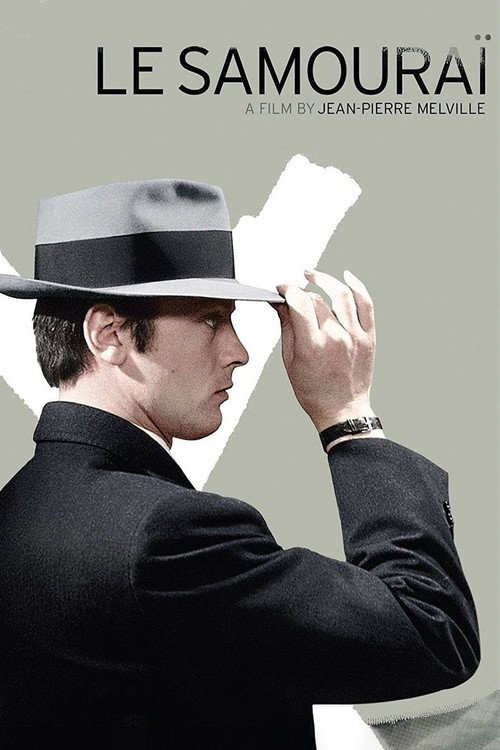
Le Samouraï1967
Melville strips The Killers' opening idea — a man who knows death is coming and doesn't run — down to pure mood, trading American pulp warmth for existential French cool.
A French hitman moves through Paris with near-silent, ritualistic precision, waiting for the world to catch up to him — fatalism distilled to its coldest, most stylish essence.
But Almost no dialogue and a glacial pace; it asks you to read faces and rooms rather than follow plot.
The Killers1964no page yet
Same opening scene, same source story, but two decades later it's stripped of noir poetry and played as flat, matter-of-fact brutality — a direct look at how the same ten pages age.
Don Siegel's version of the same Hemingway premise, originally made for TV and shelved as too violent to air — Lee Marvin ice-cold, Ronald Reagan in his only villain role.
But Cruder and glossier, with garish colour and blunt violence instead of shadow and mood.
People
Cast
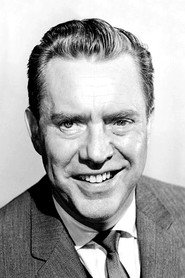 Edmond O'BrienJim Reardon
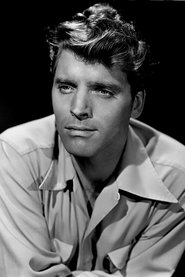 Burt Lancaster'Swede' Andersen
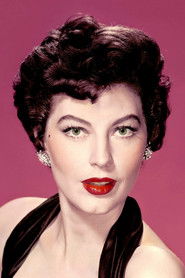 Ava GardnerKitty Collins
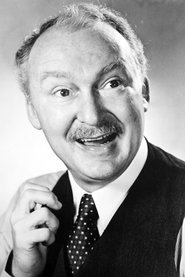 Albert DekkerBig Jim Colfax
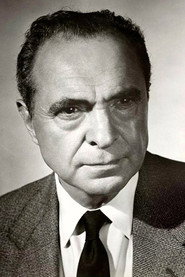 Sam LeveneLt. Sam Lubinsky
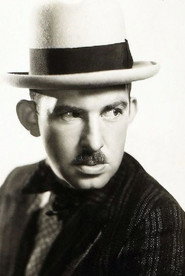 Vince BarnettCharleston
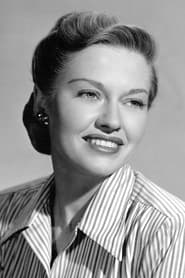 Virginia ChristineLilly Harmon Lubinsky
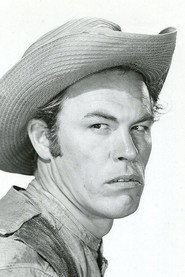 Jack Lambert'Dum-Dum' Clarke
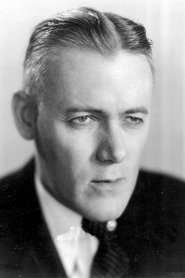 Charles D. BrownPacky Robinson - Ole's Manager
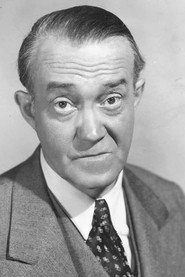 Donald MacBrideR.S. Kenyon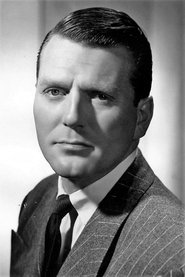
Directing
- Melville ShyerAssistant Director
- Robert SiodmakDirector
Writing
- Ernest HemingwayNovel
- Anthony VeillerScreenplay
- John HustonWriter
- Richard BrooksWriter
Production
- Mark HellingerProducer
Recommended by
Double Indemnity, The Glass Key, The Set-Up, Bad Day at Black Rock, This Gun for Hire