
Film
The Shanghai Gesture
Josef von Sternberg's 1941 fever dream of Shanghai's underworld: all shadows, scheming, and moral rot. Gene Tierney spirals through a noir-adjacent world of gambling dens and blackmail with operatic desperation. It's arch, theatrical, and utterly artificial in a way that feels intentional. For viewers who want their drama overheated and their morality ambiguous.
Should you watch it?
Watch it if you love lurid, candlelit melodrama where every frame is over-dressed and the sins are operatic, and you don't mind a plot that trades logic for atmosphere.
Skip it if you want restraint or realism, since its melodrama is theatrical to the point of camp and its exotic Shanghai setting is a studio fantasy.
What it asks of you: Settle in for a tight 99 minutes of stylized, sometimes garish imagery, where the pleasure lies in mood and gesture more than in patient character work.
Not sure? Find tonight's pick in a minute.
If you liked this
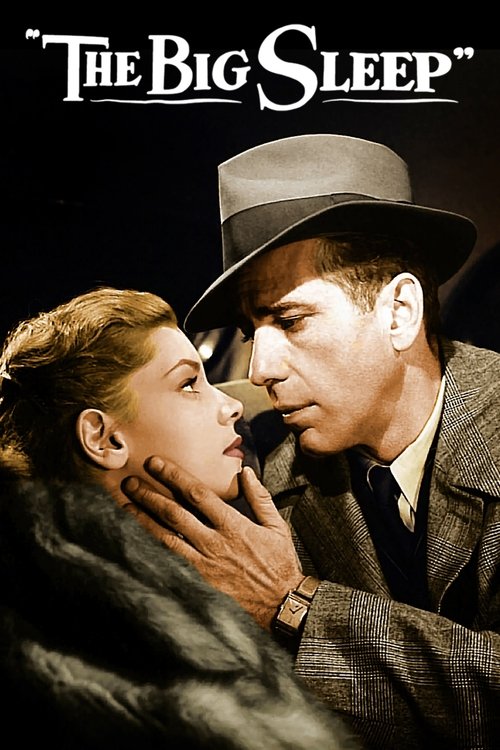
The Big Sleep1946
Chandler's LA underworld packed into a Bogart vehicle. Convoluted, sexy plot where nobody's clean and everyone's lying. Laurens Bacall combusts onscreen with effortless charisma.
But The plot genuinely doesn't hold together—even Chandler admitted he forgot who killed the chauffeur. If clarity matters more than atmosphere, you'll be frustrated.
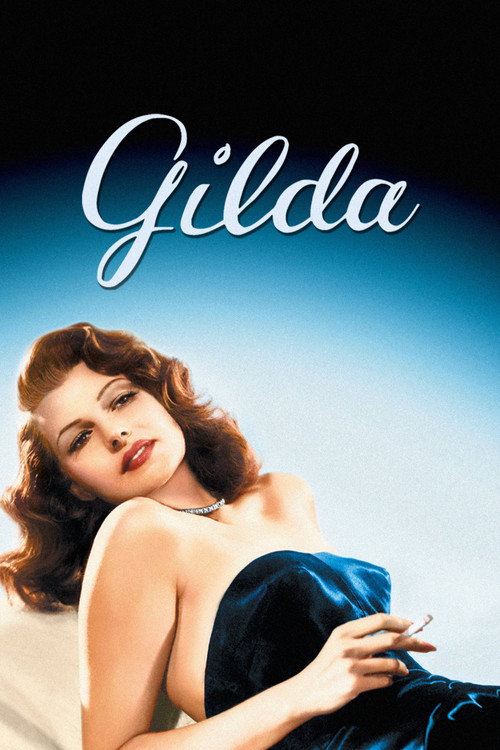
Gilda1946
Rita Hayworth in post-war Buenos Aires, all dangerous glamour and moral ambiguity. Like Shanghai Gesture but sexier and with better pacing. Obsessive love as plot engine; betrayal as art form.
But Hayworth's supporting cast is wooden, and the entire film hinges on her. If you need ensemble depth, the sidelining gets noticeable.
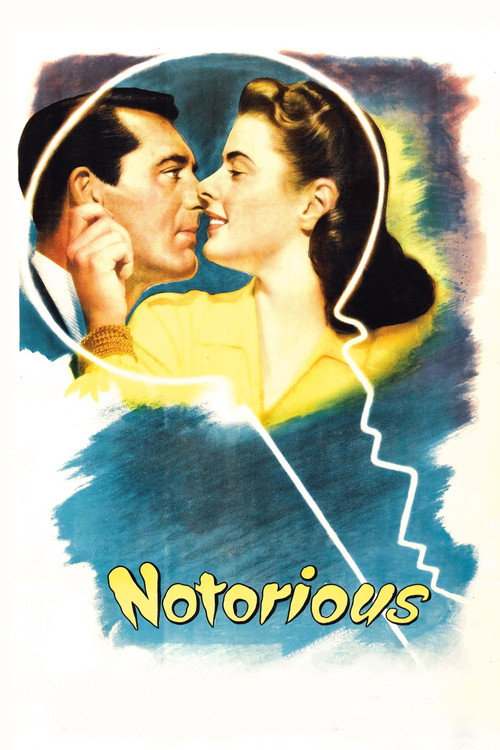
Notorious1946
Hitchcock's version of moral corruption: espionage, wine, lingering camera work on faces. Cary Grant and Ingrid Bergman as people who've done terrible things for country. Operatic emotional stakes without losing control.
But The first hour is setup. If you need immediate action, it's a slow burn into dread rather than thrills.
Not sure tonight? Get a pick in a minute, starting from The Shanghai Gesture
The wildcard
Something you would not have found on your own.
Pandora's Box1929
Both use a woman's sexuality and amorality as the engine of male destruction. Both are photographed like fever dreams of moral infection.
Silent German expressionism: Louise Brooks as a woman whose mere existence destroys everyone around her. Predates Shanghai Gesture by over a decade and inspired Sternberg's entire visual language. Moral decay as inevitability, expressed through pure image.
But Silent, black-and-white, 110 minutes. The pacing is deliberate in ways modern viewers often find difficult. No dialogue softens the weight.

More like this (7)
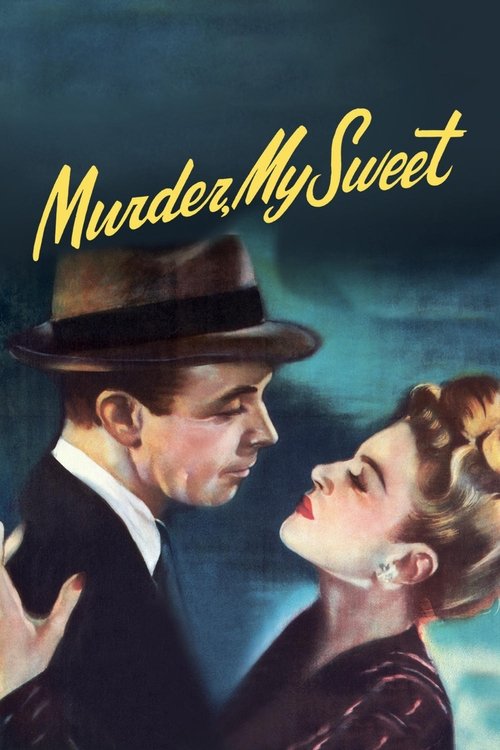
Murder, My Sweet1944
Dick Powell as a private detective spiraling through Los Angeles corruption. Complex, shadowed, funny in dark moments. Femme fatales with actual agency who outthink everyone.
But The ending pivots into melodrama that some find unconvincing after the cynicism preceding it.
In a Lonely Place1950
Bogart as a man whose blackest instincts nearly destroy an innocent woman. Sternberg-level examination of character corruption. The title sequence alone justifies the watch.
But It's claustrophobic and mean-spirited in ways that feel designed to alienate comfort. Not remotely cathartic.

The Killers1946
Burt Lancaster's debut in a Hemingway adaptation that understands fatalism. Non-linear structure, beautiful composition, every character making the worst choices. Ava Gardner as inevitable doom.
But At 103 minutes it occasionally drags. The middle section can feel like marking time between more compelling moments.

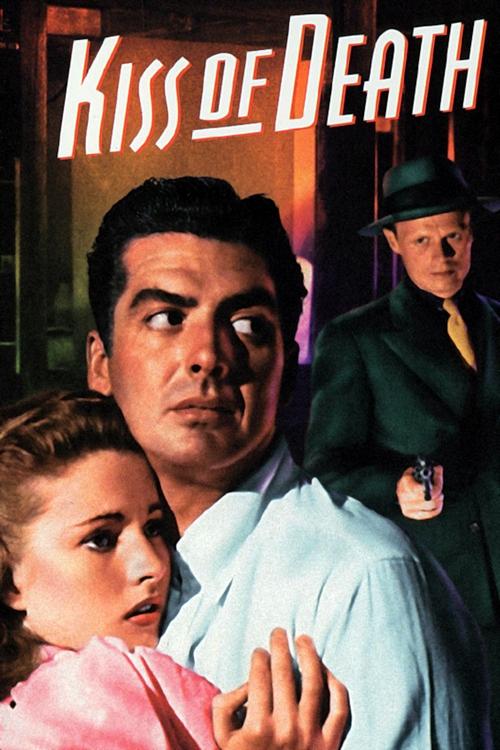
Kiss of Death1947
Victor Mature again—in a film about informants and guilt that actually earns its moral complexity. Richard Widmark's sneer is genuinely unsettling. Based on a real case; feels lived-in.
But Uneven tonal shifts between procedural police work and melodrama. The climax asks you to care about plot mechanics that don't entirely track.
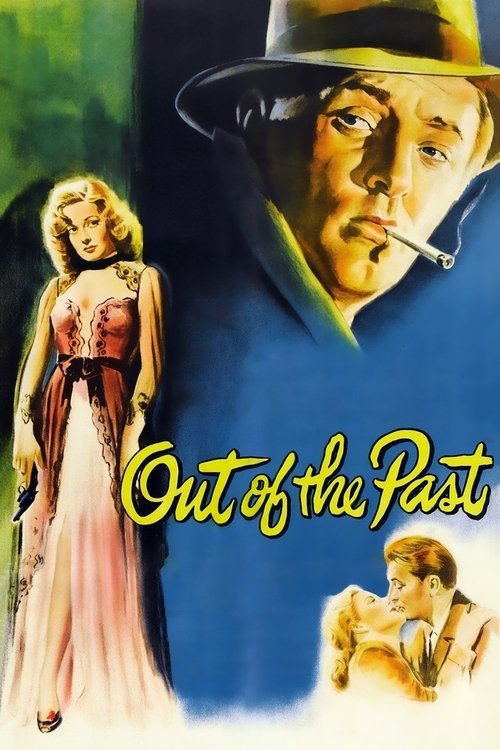
Out of the Past1947
Jeff Bailey can't escape his past; neither can we. Robert Mitchum in the role that defined noir passivity. Every woman is beautiful and corrupting. Destiny spelled out in shadows and cigarette smoke.
But The fatalism is so thorough it begins to feel like nihilism dressed up. If you need hope or agency, it's not here.
In the Mood for Love2000
Both are Shanghai stories told as visual obsession rather than plot. Both understand that longing and desperation can be more interesting than resolution.
Wong Kar-wai's Shanghai; all reds and greens and yearning. A marriage detected rather than shown; two people trapped in a choreography of restraint. Hyperstylized romance that's actually about the erasure of self in emotion.
But The plot is minimal and the film moves at a haze. If you need narrative momentum or conventional dialogue, you're watching something that exists in pure aesthetic space.

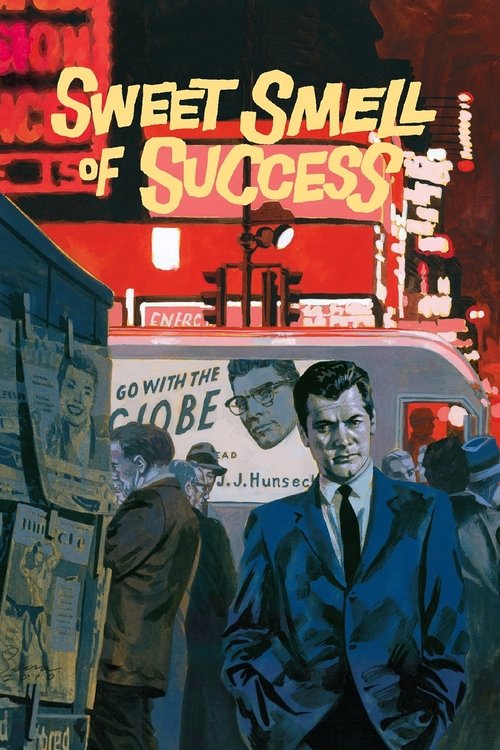
Sweet Smell of Success1957
Both are about systems of control, blackmail, and the dissolution of character in pursuit of money or power. Both refuse to soften the portrait.
Mackendrick's corrosive study of power, ambition, and blackmail in New York's theater world. Makes Shanghai Gesture look almost optimistic. Lehman's screenplay is possibly the best ever written. Moral rot so complete it circles back to watchable.
But It's actively hostile to its characters. The cruelty isn't balanced by sentiment, and the ending offers no redemption. Punishing to watch in the best possible way.
People
Cast
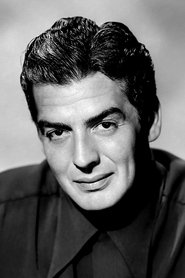 Victor MatureDoctor Omar
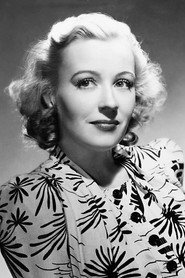 Ona Munson'Mother' Gin Sling
 Gene TierneyVictoria Charteris (aka "Poppy Smith")
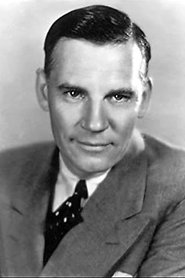 Walter HustonSir Guy Charteris
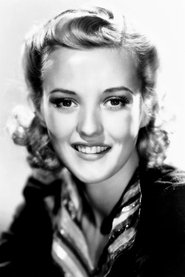 Phyllis BrooksDixie Pomeroy
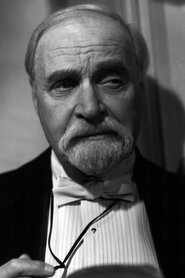 Albert BassermannVan Elst
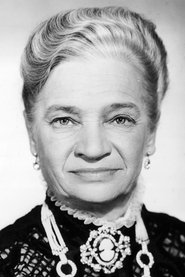 Maria OuspenskayaThe Amah
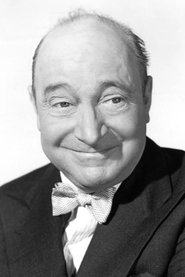 Eric BloreCaesar Hawkins
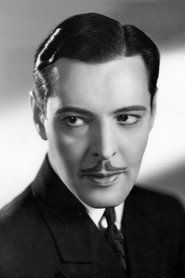 Ivan LebedeffBoris
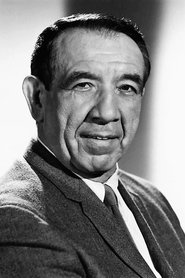 Mike MazurkiThe Coolie
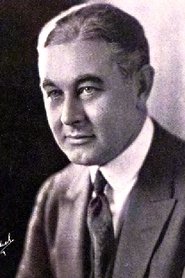 Clyde FillmorePercival Montgomery Howe
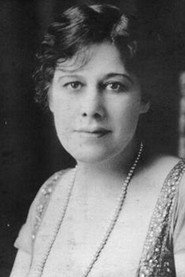 Grayce HamptonLady Blessington
Directing
- Josef von SternbergDirector
- John LondonSecond Assistant Director
Writing
- Josef von SternbergAdaptation
- John ColtonTheatre Play
- Geza HerczegWriter
- James M. CainWriter
- Josef von SternbergWriter
- Jules FurthmanWriter
- Karl VollmöllerWriter
Production
- Albert de CourvilleProducer
- Arnold PressburgerProducer
Recommended by
Anna and the King of Siam, The Adventures of Sherlock Holmes, The General Died at Dawn, The Bitter Tea of General Yen, Seven Sinners, The Spoilers