
Film
Seven Sinners
A 1940 adventure-comedy where Marlene Dietrich plays a charming con artist banished across the Pacific, using wit and allure to manipulate everyone from naval officers to gangsters. It's a light, roguish entertainment—Dietrich at her most magnetic, Wayne as the sucker who might actually be smarter than he looks. For anyone who likes old Hollywood swagger and doesn't mind a heroine who answers to no one.
If you liked this
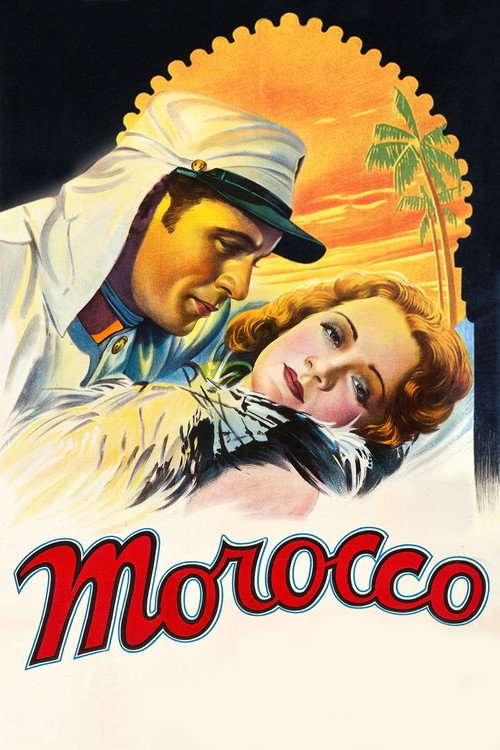
Morocco1930
Marlene Dietrich's breakthrough role, where she establishes the cool, worldly persona she'd refine for decades. Directed by von Sternberg, it's pure cinema—moody, sensual, and absolutely in command of the frame.
But Silent-era pacing and a plot that exists mainly to show off Dietrich's bone structure and mystique. If you want narrative momentum, look elsewhere.
The Philadelphia Story1940
Released the same year as Seven Sinners, it's screwball romance with three leads in perfect balance. Witty, charming, and effortlessly elegant—the platonic ideal of how to make smart people solving romantic problems look like pure fun.
But The gender politics are 1940s-grade patronizing. And if you're not in the mood for banter, the constant quipping can feel exhausting rather than delightful.

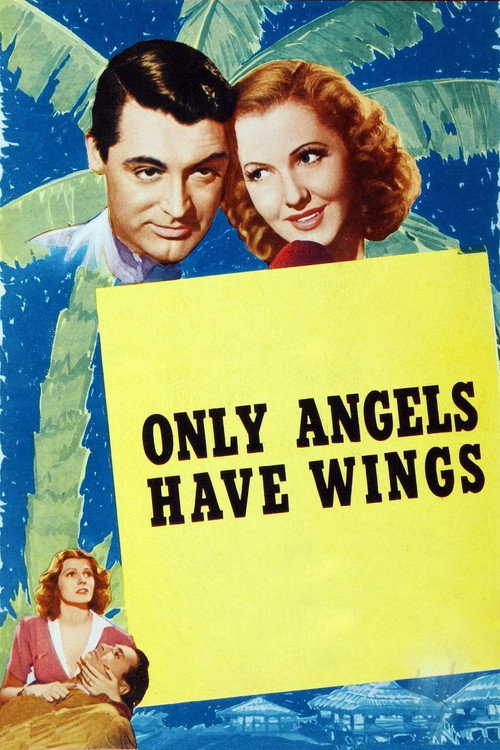
Only Angels Have Wings1939
Hawks directing Cary Grant in a film that moves like a jet—action, romance, comedy, danger, all woven without breaking rhythm. A masterclass in treating an audience like grown-ups. John Wayne appears and holds his own against Grant.
But The plot is flimsy and pretextual; it's really just about style and chemistry. And Rita Hayworth's role, while glamorous, doesn't give her much to do.
Not sure tonight? Get a pick in a minute, starting from Seven Sinners
The wildcard
Something you would not have found on your own.
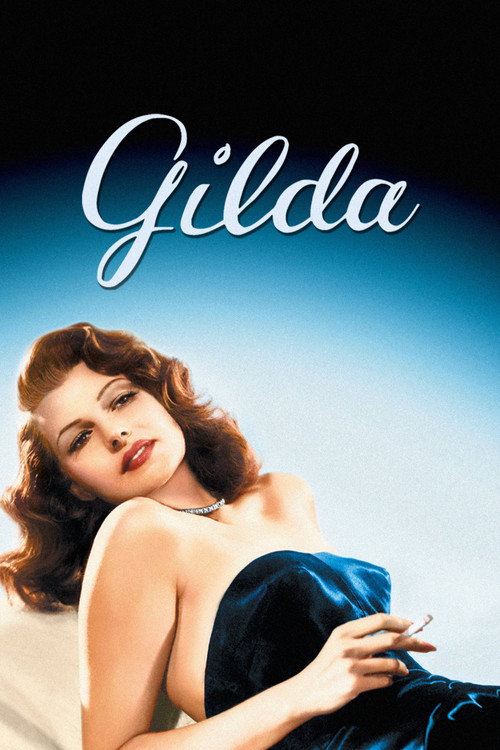
Gilda1946
Both films pivot on a woman using her charm as currency in a world of men, but Gilda inverts the tone—less roguish fun, more noir menace. Dietrich's Bijou is always in control; Gilda's power is deliberately ambiguous.
Rita Hayworth as a woman of mysterious motives and total magnetism in a film noir that uses her like a weapon. It's sensuous, paranoid, and obsessed with the question of whether a woman can be trusted. The dance number is legendary.
But It's frustratingly vague about what Gilda actually wants or feels. You're meant to project onto her mystery. And if you need plot over mood and image, you'll be annoyed by how little actually happens.
More like this (8)
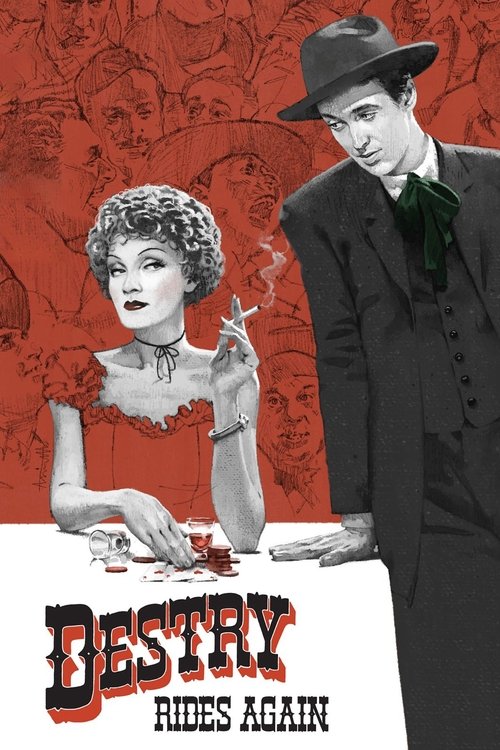
Destry Rides Again1939
Marlene Dietrich again, this time as a saloon girl in a Western comedy. James Stewart plays a pacifist sheriff. It's fast, funny, and Dietrich's legs-and-sass routine finds perfect comedic company in Stewart's earnest bewilderment.
But The gender dynamics are retrograde by any standard. The Native American casting is appalling. And if you need a strong plot, the Western trappings are mostly stage dressing.
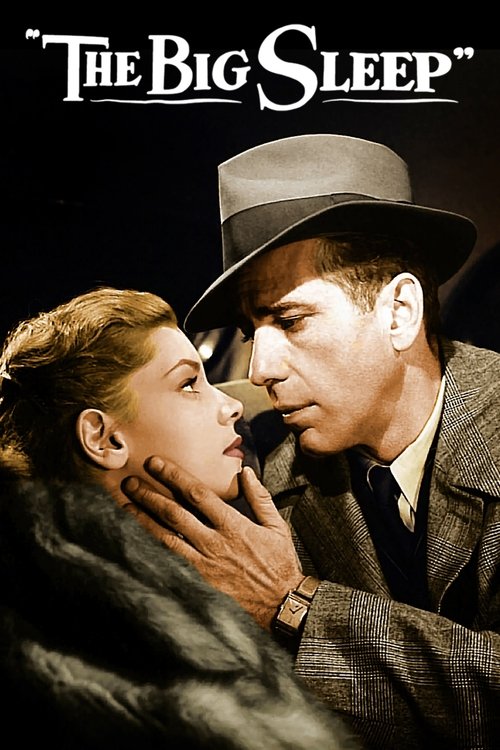
The Big Sleep1946
Humphrey Bogart and Lauren Bacall in a noir that barely bothers with its own plot. What matters is the chemistry, the dialogue, and watching two brilliant actors riff off each other like jazz musicians. It's intoxicating.
But The story is genuinely hard to follow—famously, even Hawksand the writers didn't know who killed the chauffeur. If narrative clarity matters to you, frustration will follow.
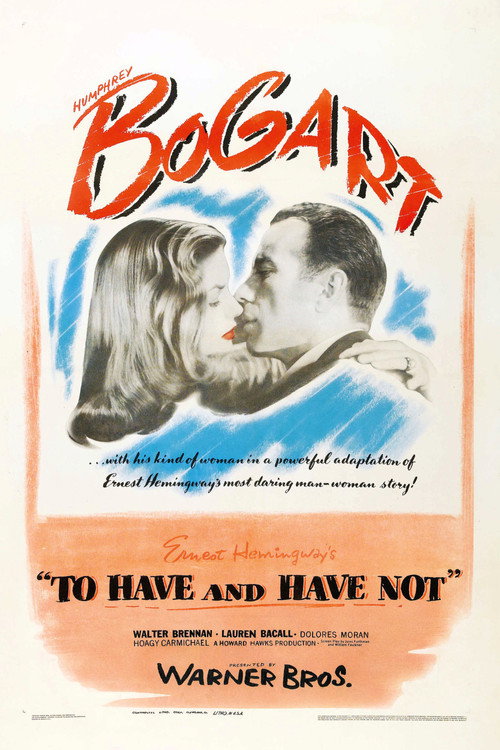
To Have and Have Not1945
Another Bogart-Bacall pairing, but earlier and even more crackling with flirtation. Set in Martinique during WWII, it's adventure and romance wrapped in wartime shadows. Bacall's entrance is one of cinema's perfect moments.
But The plot feels thin and the moral stakes are muddled. Some scenes creak under wartime propaganda that hasn't aged well.
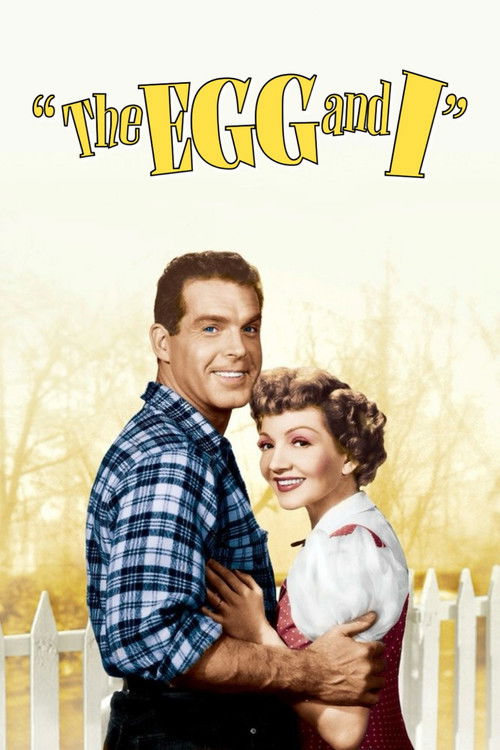
The Egg and I1947
Claudette Colbert and Fred MacMurray in a comedy about a city woman learning to be a farmer's wife. It's lighter than air, funny without trying too hard, and captures the specific charm of two seasoned performers who know their jobs.
But If you're looking for anything with teeth or relevance, you won't find it. It's pure comfort—which is either exactly what you want or nothing you want.
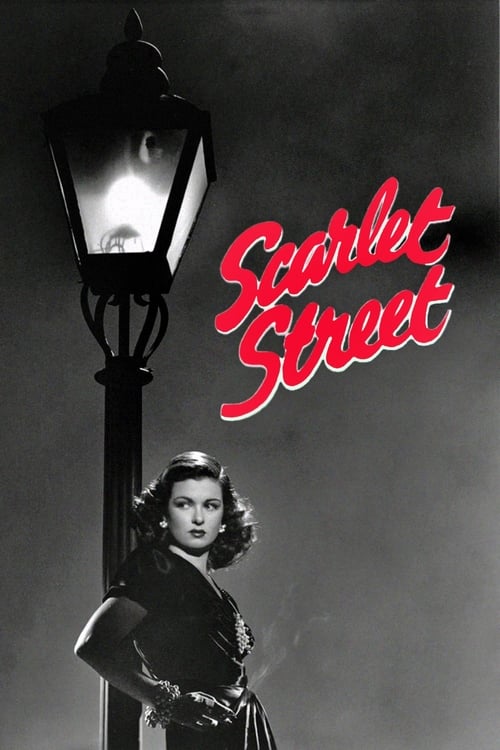
Scarlet Street1945
Fritz Lang directing Edward G. Robinson as a meek bank clerk undone by a femme fatale. It's darker and more vicious than it first appears, with a real sense of a man being systematically destroyed by desire and delusion.
But It's deliberately bleak and punishing—there's no winking or levity. And Robinson's pathetic character is hard to spend two hours watching suffer.
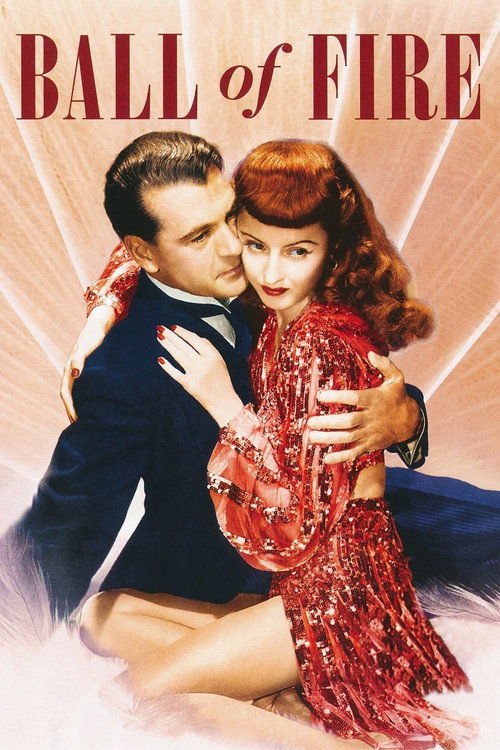
Ball of Fire1941
Gary Cooper as one of seven bachelor professors; Barbara Stanwyck as a nightclub singer hiding from mobsters in their house. It's chaos, flirtation, and genuine warmth. Stanwyck is particularly radiant.
But The pacing lags in stretches and the humor is very much of its era. Some will find it sweet; others will find it sitcom-lite.
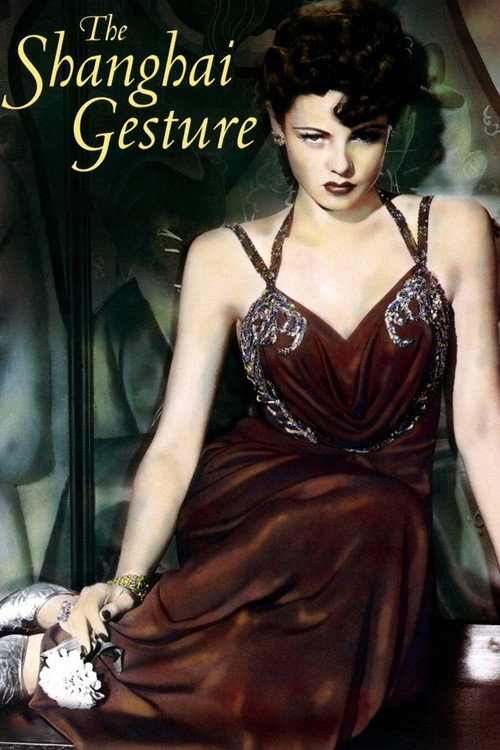
The Shanghai Gesture1941
Like Seven Sinners, it's a film about international spaces where rules don't quite apply and a woman uses sex as strategy. But where Dietrich's film is light and clever, von Sternberg's is gothic and almost hallucinatory—same engine, completely different register.
Josef von Sternberg directing Victor Mature and Ona Munson in a film that feels like a fever dream of pre-war Shanghai—lush, decadent, operatic, filthy with desire and moral corruption. It's hypnotic and genuinely strange.
But The plot is baroque and hard to follow. The racial caricatures are beyond uncomfortable. And the whole film moves at a dreamlike pace that reads as slow if you're looking for conventional drama.
The Killers1946
Both are about a beautiful woman moving through a world of men, but The Killers is the dark inversion of Seven Sinners' playfulness. Here, that power destroys. It's what happens when the con falls apart and the cost is counted.
Ava Gardner as a woman who destroys a man through no effort at all, just by existing beautifully. Burt Lancaster as the man being destroyed. It's taut, brutal noir that understands how completely a person can unmake another. Adapted from Hemingway's short story.
But It's bleak and cynical about desire. There's violence and moral emptiness. And Gardner's character barely speaks—you piece her together from how men react to her, which is either brilliant or infuriating depending on your patience.

People
Cast
 Marlene DietrichBijou
 John WayneDan
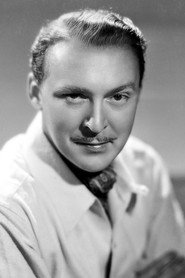 Albert DekkerDr. Martin
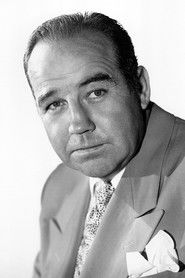 Broderick CrawfordLittle Ned
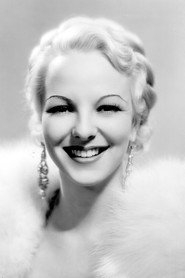 Anna LeeDorothy
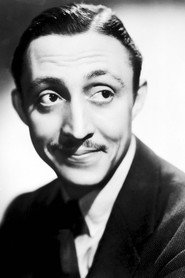 Mischa AuerSasha
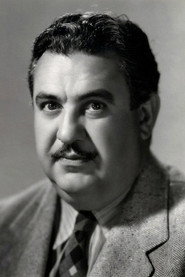 Billy GilbertTony
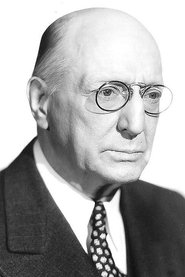 Richard CarleDistrict Officer
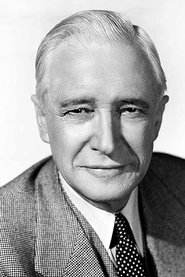 Samuel S. HindsGovernor
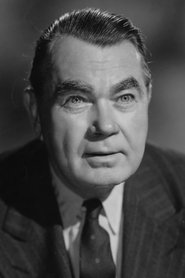 Oskar HomolkaAntro
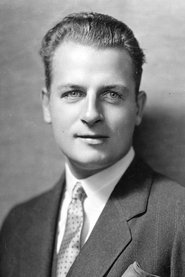 Reginald DennyCaptain Church
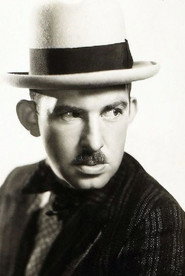 Vince BarnettBartender
Directing
- Phil KarlsonAssistant Director
- Tay GarnettDirector
Writing
- Ladislas FodorOriginal Story
- László VadnayOriginal Story
- Harry TugendScreenplay
- John MeehanScreenplay
Production
- Joe PasternakProducer