
Film
Morocco
A 1930 romance of almost reckless glamour: Gary Cooper's hardened Foreign Legionnaire and Marlene Dietrich's cynical cabaret singer circle each other across the Moroccan desert, all smoke and cheekbones and elaborate indifference. Josef von Sternberg directed it like a fever dream. It's beautiful, strange, and for patient viewers—a masterclass in sexual tension expressed through glances.
Should you watch it?
Watch it if you love old Hollywood films where a glamorous, weary heroine and a dashing drifter trade sly looks and half-spoken desires across a sandy, smoky desert town.
Skip it if you need brisk plotting or modern pacing, since this 1930 picture moves at the unhurried rhythm of early sound cinema and leans heavily on stagey dialogue and mood.
What it asks of you: It asks for patience with the slow build and the formal talkiness of early talkies, then rewards you with a short, romantic, quietly melancholy ninety-odd minutes.
Not sure? Find tonight's pick in a minute.
If you liked this
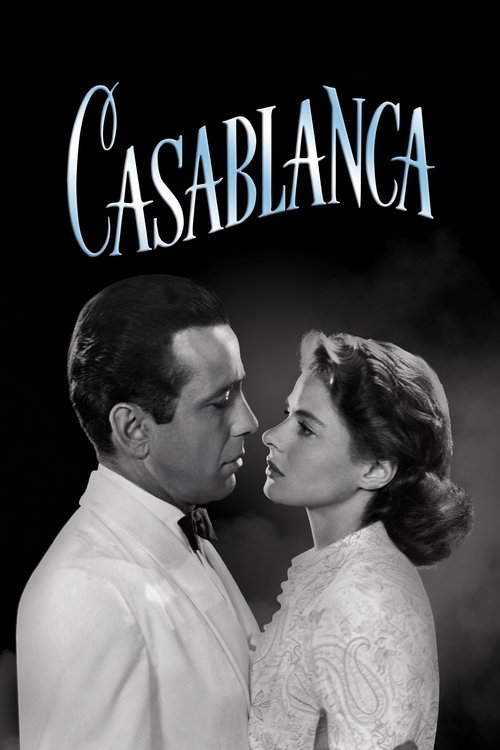
Casablanca1943
Another doomed romance in North Africa with the same fatalistic poetry. Bogart and Bergman have the same smoldering distance Cooper and Dietrich pioneered—but with sharper dialogue and the weight of wartime behind it.
But It's the movie everyone knows already, and that familiarity can dull even perfection. Also: much more plot, less mood.
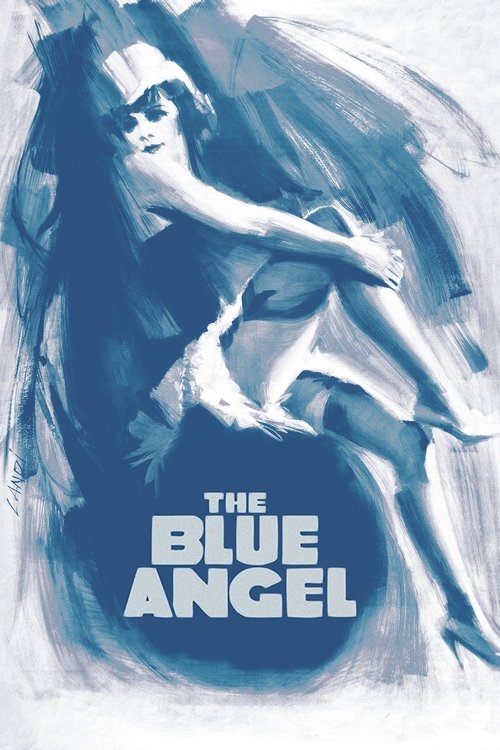
The Blue Angel1930
Marlene Dietrich again, also von Sternberg's direction, also a romance that destroys everyone involved. More brutal than Morocco, more claustrophobic. If you loved Dietrich here, this is her at her most magnetic and dangerous.
But It's in German with subtitles, and considerably darker. The destruction feels less romantic, more inevitable.
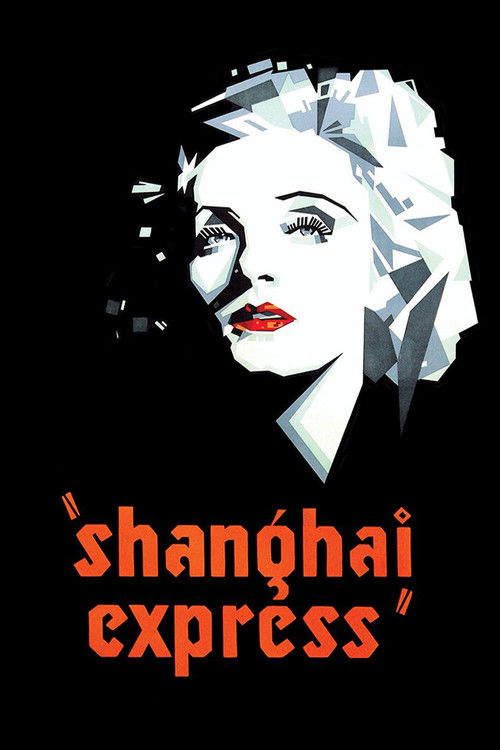
Shanghai Express1932
Dietrich again with von Sternberg, this time on a train caught between warlords. Same visual intoxication, same sexual intelligence. If Morocco won you over, this refines what that film was doing.
But Even more plot-thin than Morocco. Some viewers find it plotless rather than poetic. And Dietrich's character is morally murkier than here.
Not sure tonight? Get a pick in a minute, starting from Morocco
The wildcard
Something you would not have found on your own.
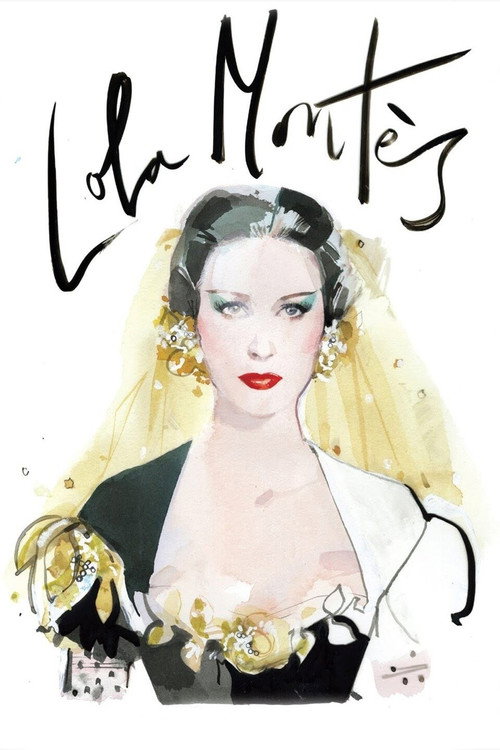
Lola Montès1955
Both films center on a woman who sells herself—sex, glamour, mystery—as currency, and both are unflinching about the spiritual price. But where von Sternberg aestheticizes that transaction, Ophüls reveals its architecture and mourns it.
Max Ophüls' late masterpiece: a woman's life told in fractured, dizzying flashbacks—beautiful, tragic, performed by Martine Carol with absolute conviction. Like Morocco, it's about a woman's power and its cost, but Ophüls fragments the story into something vertiginous and profound.
But It's structurally disorienting and demands active viewing. The circus framing device troubles some viewers. Also: French, subtitled, and formally demanding in ways that can exhaust rather than enchant.
More like this (8)
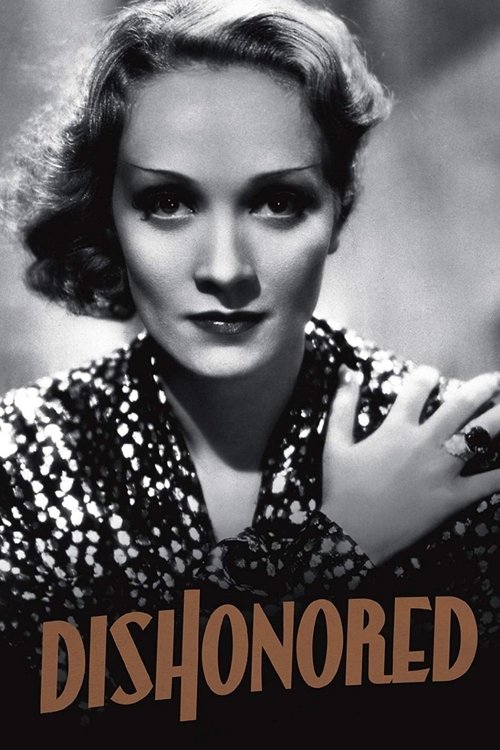
Dishonored1931
Dietrich as a spy, von Sternberg directing again. The triangle of desire-and-duty that Morocco uses so well gets weaponized here—stakes higher, tension tighter, every scene calculated.
But It's all surface and suggestion; if you need story momentum this will feel glacial. Also: early 1930s production values may date it.
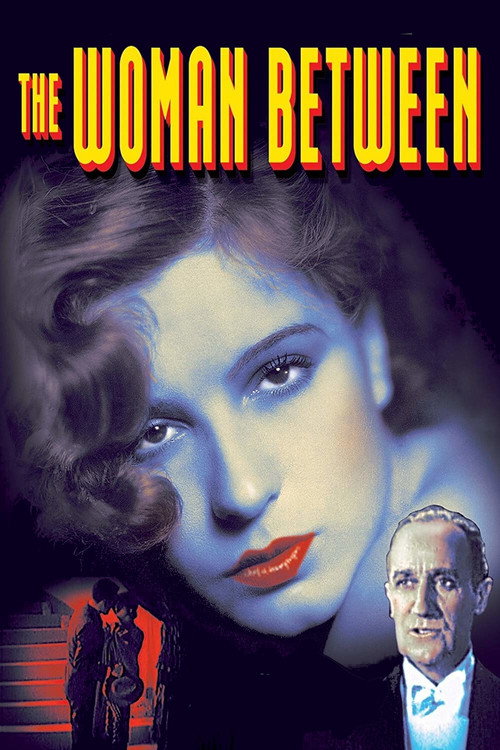
The Woman Between1931
Lily Damita and Charles Boyer in a similar emotional register—a romantic triangle among European sophisticates, all restraint and lingering looks. Less visually stunning than Morocco but emotionally just as tangled.
But It's more straightforward drama and less cinema. Requires patience with 1931 pacing and theatrical acting styles.
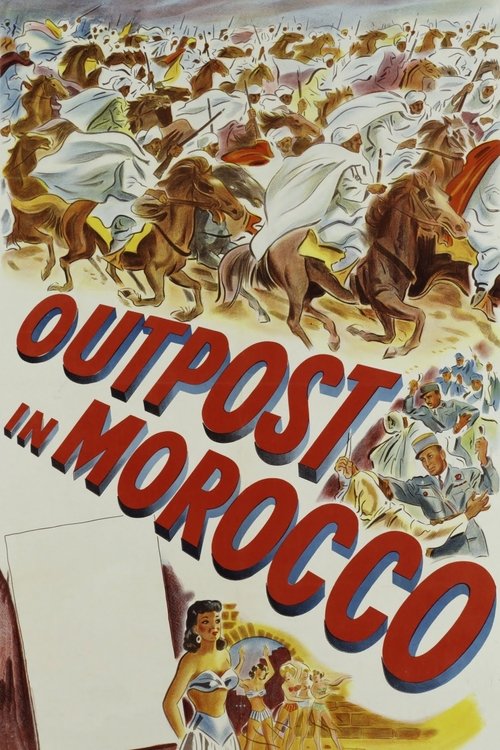
Outpost in Morocco1949
George Raft in the Foreign Legion, another romance blooming against sand and duty. Intentionally echoing Morocco while updating the style. Lighter and more melodramatic, but earnest.
But It tries to have it both ways—romantic and action-driven—and satisfies neither impulse fully. Also considerably less artful.
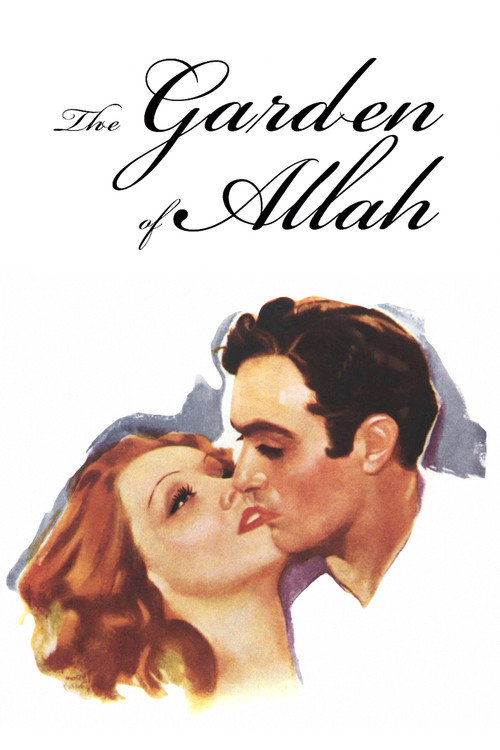
The Garden of Allah1936
Marlene Dietrich again, this time in the Sahara with Charles Boyer, again directed by Richard Boleslawski. Desert romance with Technicolor beauty and the same fatalistic undercurrent.
But More conventional Hollywood romance than Morocco, less visually daring. Dietrich's presence is the main attraction here.
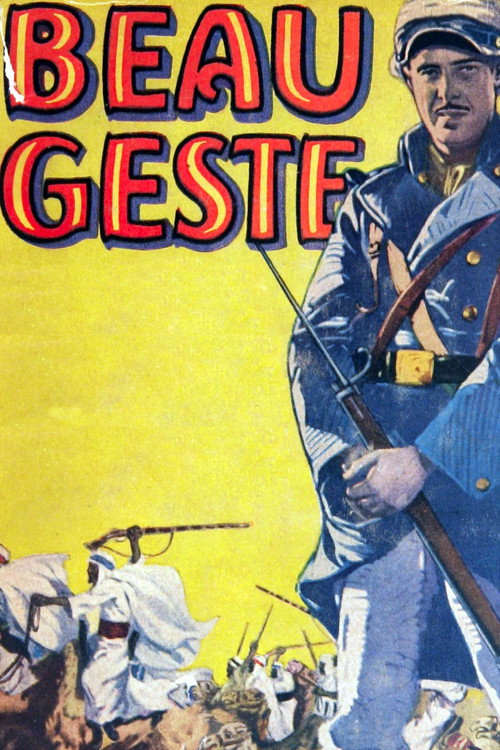
Beau Geste1926
Silent Foreign Legion film with Ronald Colman—the masculine mythology Morocco is deconstructing. See it first to understand what von Sternberg was pushing against with all that irony.
But It's a silent film from 1926. Real commitment required. And it's earnest where Morocco is knowing.
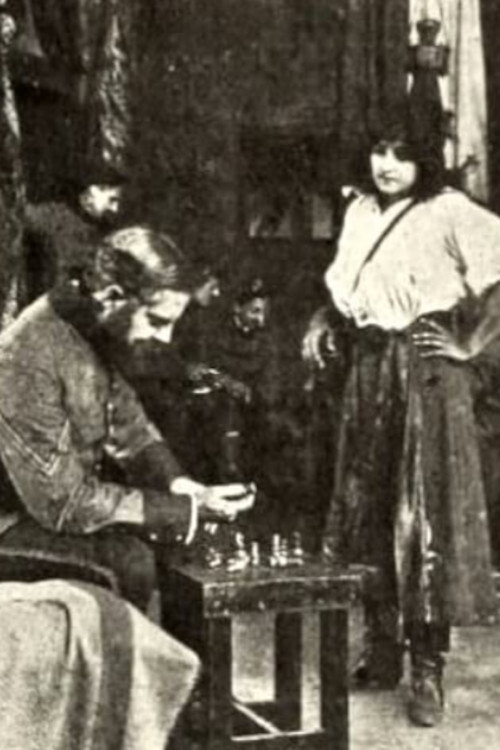
Under Two Flags1912
A 1912 Pathé film with the same plot DNA—soldier, cabaret woman, the desert, inevitable tragedy. Fascinating precursor to Morocco's visual and emotional language.
But It's over a century old and only survives in fragments. Watching it requires patience and interest in cinema history, not just story.
The Leopard1963
Both films understand that beauty and desire are most poignant when they're doomed by forces larger than the lovers. Both use visual splendor to frame that tragedy, not escape it.
Visconti's three-hour Italian epic about aristocracy facing obsolescence. Lancaster and Cardinale in a romance overshadowed by history. Visually sumptuous like Morocco, but operating at Shakespearean scope—intimate human drama drowning in inevitability.
But It's long, subtitled, and requires patience with 1960s pacing. Also—it's fundamentally a film about political and social collapse, not romantic fantasy. The beauty is elegiac, not intoxicating.

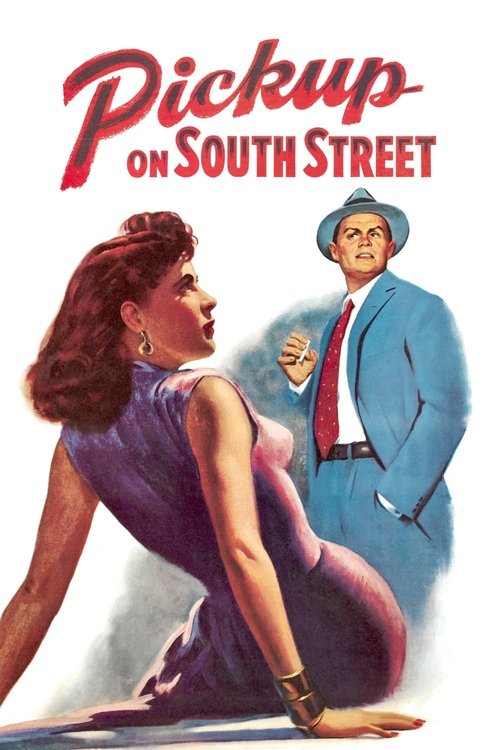
Pickup on South Street1953
Both films hinge on a man and woman who cannot trust each other, who are each other's contradiction. But where von Sternberg makes that contradiction poetic and tragic, Fuller makes it practical and vital. Same emotional core, opposite surfaces.
Samuel Fuller's gritty, kinetic noir with Richard Widmark and Jean Peters—streetwise, violent, funny, morally ambiguous. A romance that emerges from mistrust and crime, just like Morocco, but American, contemporary, shot in sharp black-and-white. Same sexual tension, completely different register.
But It's a Cold War spy thriller, not a romantic meditation. Tonally brash where Morocco is dreamy. And Fuller's style is deliberately ugly—neon and pavement, not desert and silk.
People
Cast
 Gary CooperLégionnaire Tom Brown
 Marlene DietrichMademoiselle Amy Jolly
 Adolphe MenjouMonsieur La Bessiere
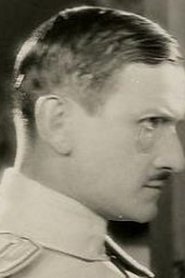 Ullrich HauptAdjudant Caesar
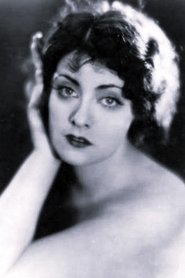 Eve SouthernMadame Caesar
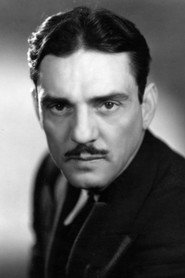 Francis McDonaldSergeant Tatoche
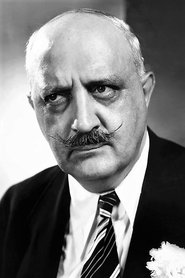 Paul PorcasiLo Tinto
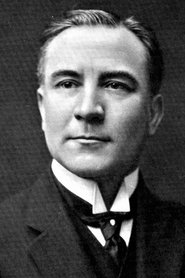 Émile ChautardFrench General (uncredited)
 Juliette ComptonAnna Dolores (uncredited)
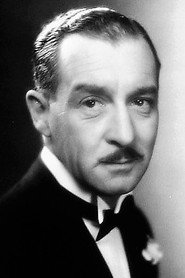 Albert ContiCol. Quinnovieres (uncredited)
- Thomas A. CurranMinor Role (uncredited)
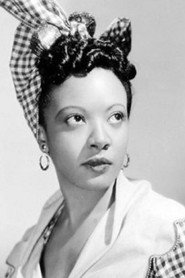 Theresa HarrisCamp Follower (uncredited)
Directing
- Josef von SternbergDirector
Writing
- Benno VignyTheatre Play
- Benno VignyWriter
- Howard HawksWriter
- Jules FurthmanWriter
Production
- Hector TurnbullProducer
- Elizabeth McGrearyUnit Production Manager
Recommended by
Dishonored, Rope of Sand, Mata Hari, Shanghai Express, Outpost in Morocco, Red Dust, Fort Algiers, The Mysterious Lady, Seven Sinners, Firepower