
Film
Beau Geste
Other titles called Beau Geste: the 1939 film, the 1966 film.
A 1926 silent adventure classic about three brothers who join the French Foreign Legion, only to discover that honour, brotherhood, and family secrets matter far more than survival. Rousing, genuinely thrilling, with real stunt work and combat sequences that still impress. For anyone who loves adventure cinema before dialogue arrived to complicate things.
Should you watch it?
Watch it if you enjoy classic desert-fort adventure where loyalty and stiff-upper-lip bravado carry the story, and you're happy to let a melodrama be sincere rather than ironic.
Skip it if you want spoken dialogue and modern pacing, since this silent-era film relies on title cards, sweeping visual set pieces, and earnest sentiment that runs very high.
What it asks of you: Roughly 101 minutes, with patient setup before the action arrives, and it asks for your eyes more than your ears.
Not sure? Find tonight's pick in a minute.
If you liked this
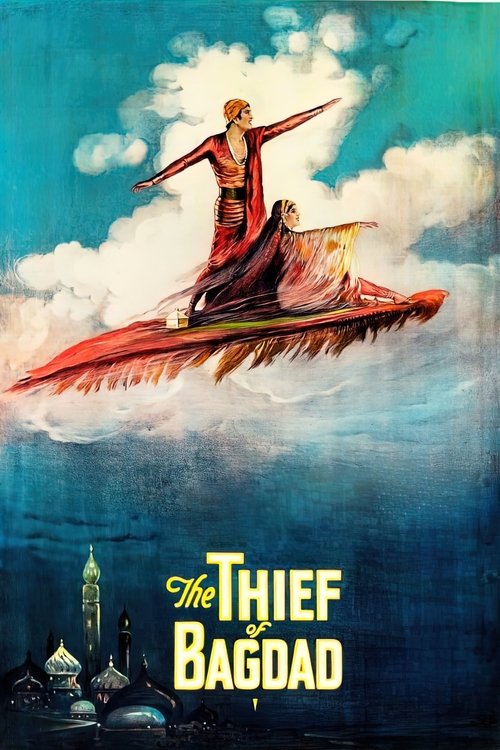
The Thief of Bagdad1924
Douglas Fairbanks at his peak, performing impossible acrobatics and sword-work across a magical kingdom. A pure adventure fantasy with genuine spectacle and wit—silent cinema showing what it could do.
But The pacing is distinctly 1920s. Long sequences of pantomime and intertitles will test your patience if you're used to modern cuts.
Sunrise: A Song of Two Humans1927
F.W. Murnau's masterpiece about a man tempted to murder his wife. Visually dazzling, emotionally devastating, and proof that silent film could be as psychologically complex as anything made since.
But It's heavy. No rousing adventure beats, no comic relief—just a portrait of desire, betrayal, and the possibility of redemption.

Intolerance: Love's Struggle Throughout the Ages1916
D.W. Griffith's four-story epic linking ancient Babylon, Renaissance Italy, modern America, and early Christianity. Wildly ambitious, visually astonishing, and genuinely moving about the cyclical nature of human cruelty.
But It's nearly four hours long and structurally unconventional. The editing between storylines can feel jarring if you're expecting a linear narrative.

Not sure tonight? Get a pick in a minute, starting from Beau Geste
The wildcard
Something you would not have found on your own.
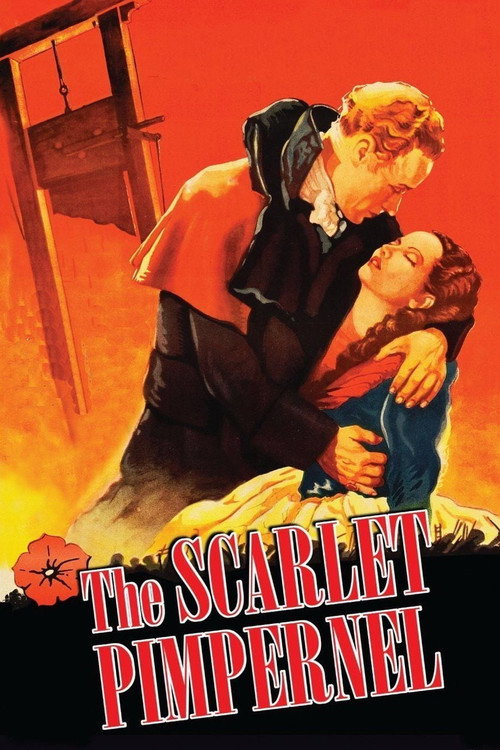
The Scarlet Pimpernel1934
Both are about men who join dangerous causes for love and honour, hiding their true selves behind a constructed persona. Both feature found-family bonds stronger than blood and enemies-to-allies reversals.
Harold Young's adaptation of the Orczy novel about an English nobleman secretly rescuing aristocrats during the Terror. Same DNA as Beau Geste—honour, disguise, brothers-in-arms, and adventure across enemies' territory—but with wit sharper than any sword.
But The theatrical melodrama might feel overwrought. And the film assumes you understand French Revolutionary politics, which it doesn't explain.
More like this (7)
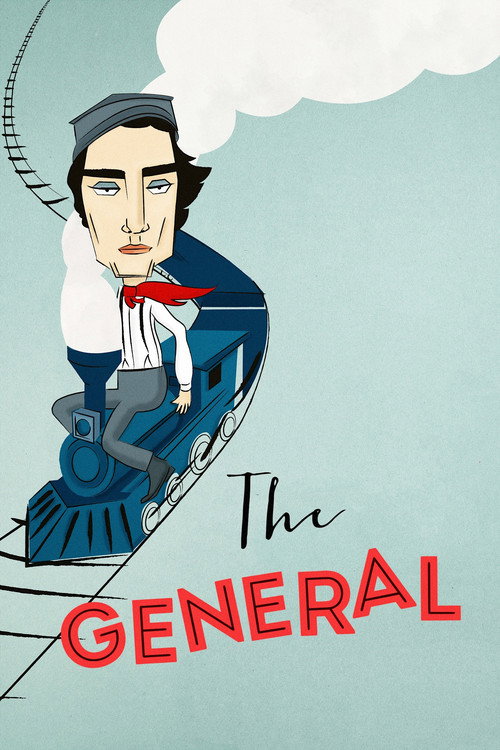
The General1926
Buster Keaton as a railway engineer during the Civil War, performing death-defying physical comedy with a real train. Comedy and action inseparable—he was doing stunts bigger than most modern blockbusters.
But It's a comedy, and Keaton's deadpan style reads very differently from what audiences expect. Some will find it cold where others find it hilarious.
The Phantom Carriage1921
Victor Sjöström's ghost story about redemption and second chances, shot with astonishing visual inventiveness. A genuine supernatural thriller that influenced horror cinema for decades.
But The sentiment is thick—it's about salvation and moral reckoning, which can feel heavy-handed if you're expecting creepy scares.

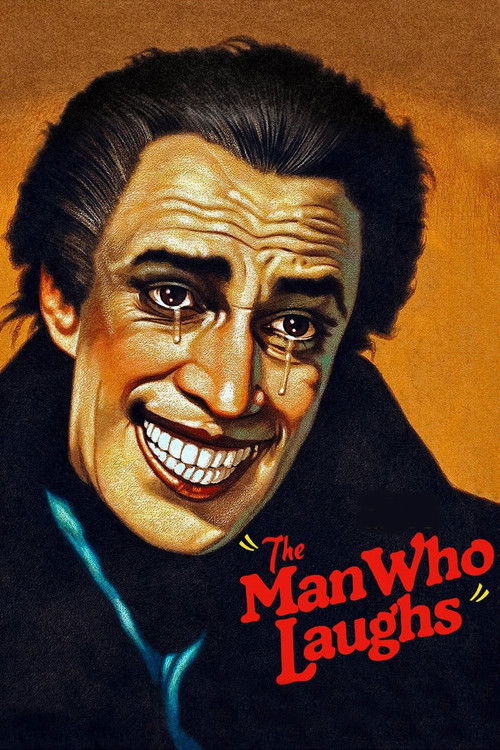
The Man Who Laughs1928
Conrad Veidt's scarred face and exaggerated performance create genuine unease in this adaptation of Hugo. Dark, grotesque, surprisingly complex about identity and how others see us.
But Veidt's style of acting is extreme and occasionally stagey. If heightened emotion reads as melodramatic to you, this will amplify that feeling.
Nosferatu1922
F.W. Murnau's vampire film is terror distilled to its essence—a shadow on a wall, a coffin, the absence of sunlight. Influenza-haunted, hypnotic, and genuinely scary despite (or because of) its simplicity.
But At 82 minutes it's slow and repetitive by modern standards. The logic of vampirism is strange and the film doesn't explain itself—you have to trust the mood.

Battleship Potemkin1925
Sergei Eisenstein's revolutionary masterpiece about a sailor uprising. The Odessa Steps sequence alone rewrote how film could convey chaos and emotion through montage editing.
But It's openly propagandistic Soviet cinema. Thematically heavy, deliberately didactic, and the editing can feel cold and mechanical rather than emotionally warm.

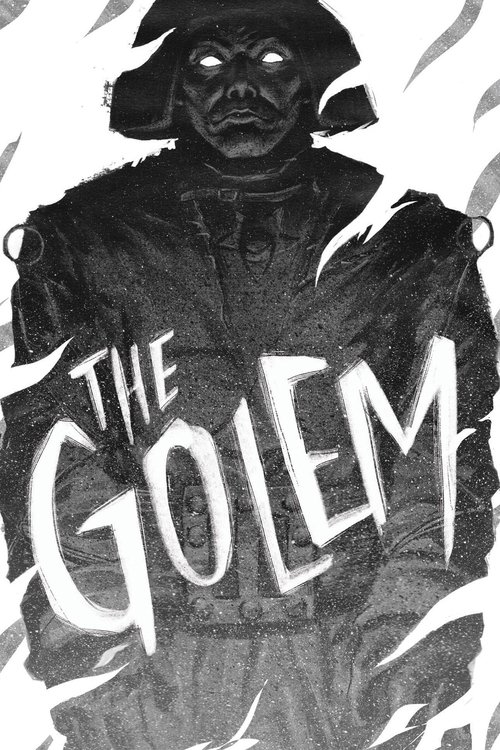
The Golem: How He Came into the World1920
A Jewish fairy-tale about a clay monster protecting a Prague ghetto. Expressionist design so distinctive it looks like stepping into a woodcut—genuinely unsettling and unique.
But The plot is simple and repetitive. It's really a visual and atmospheric experience, not a narrative one—plot matters less than mood and composition.
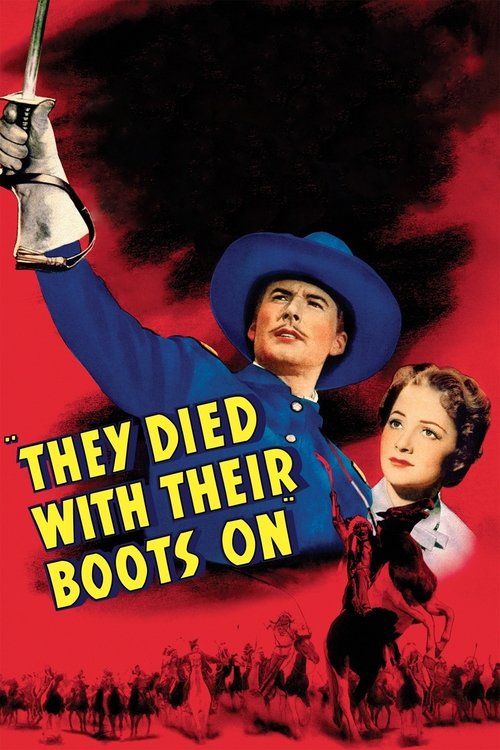
They Died with Their Boots On1941
Both films find glory in doomed military brotherhood and impossible stands against overwhelming forces. But where Beau Geste is abstract, this is rooted in actual historical atrocity—same story shape, opposite moral register.
Raoul Walsh's Custer epic with Errol Flynn, who—unlike the myth—was a genuinely great physical performer. A cavalry adventure with real location work, spectacle, and the strange power of watching a man ride toward his own doom.
But It's a cavalry Western, so it's deeply compromised by its treatment of Indigenous peoples. The film is thrilling but morally rotten in ways that can't be ignored.
People
Cast
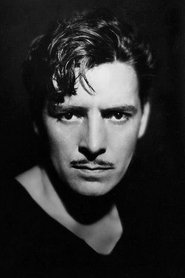 Ronald ColmanMichael 'Beau' Geste
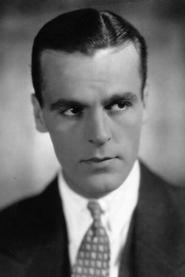 Neil HamiltonDigby Geste
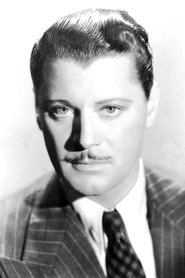 Ralph ForbesJohn Geste
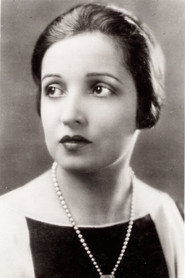 Alice JoyceLady Patricia Brandon
 Mary BrianIsabel Rivers
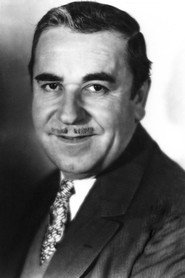 Noah BeerySgt. Lejaune
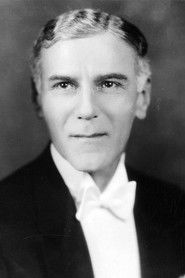 Norman TrevorMaj. de Beaujolais
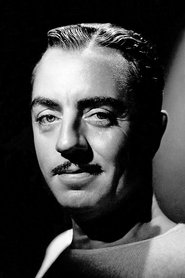 William PowellBoldini
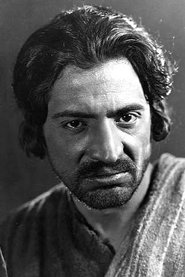 George RegasMaris
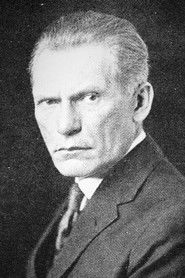 Bernard SiegelSchwartz
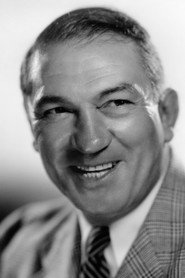 Victor McLaglenHank
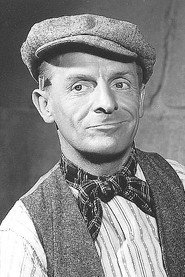 Donald StuartBuddy
Directing
- Ray LissnerAssistant Director
- Herbert BrenonDirector
Writing
- Percival Christopher WrenNovel
- Herbert BrenonWriter
- John RussellWriter
- Paul SchofieldWriter
Production
- Adolph ZukorProducer
- Herbert BrenonProducer
- Jesse L. LaskyProducer
- William LeBaronProducer
- Frank M. BlountProduction Manager
Recommended by
Seven Chances, The Four Feathers, The Prisoner of Zenda, Morocco, Outpost in Morocco, Fires of Fate, Storm Over the Nile, Lost Horizon, Under Two Flags, The Foreign Legion, The Winning of Barbara Worth, Under Two Flags, The Winding Stair, The Arizona Kid