
Film
The Man Who Laughs
- Period drama
- Very dark
A 1928 silent masterpiece about a man born with a grotesque grin carved into his face, who becomes a carnival attraction yet harbors profound dignity and love. It's visually stunning, emotionally rich, and fundamentally about how the world judges beauty and suffering. For anyone who loves cinema as an art form, not just a story delivery system.
Should you watch it?
Watch it if you love silent-era melodrama where the grand gestures and expressive faces carry the story, and you enjoy gothic romance with a gleam of grotesque horror at its edges.
Skip it if you need dialogue to drive a plot or want modern pacing, since this 1928 silent film moves at its own stately speed and leans heavily on exaggerated, theatrical performance.
What it asks of you: Over roughly110 minutes you will need patience with a slow build and a lot of silent staging, and you must read faces and intertitles closely rather than let the images wash past.
Not sure? Find tonight's pick in a minute.
If you liked this
The Cabinet of Dr. Caligari1920
German Expressionism at its most daring. Distorted sets and twisted shadows create a nightmare logic that influenced horror forever. Essential viewing for understanding how film can distort reality itself.
But It's deliberately artificial in a way that can feel cold. The plot is thin, and the pacing is slow by modern standards.

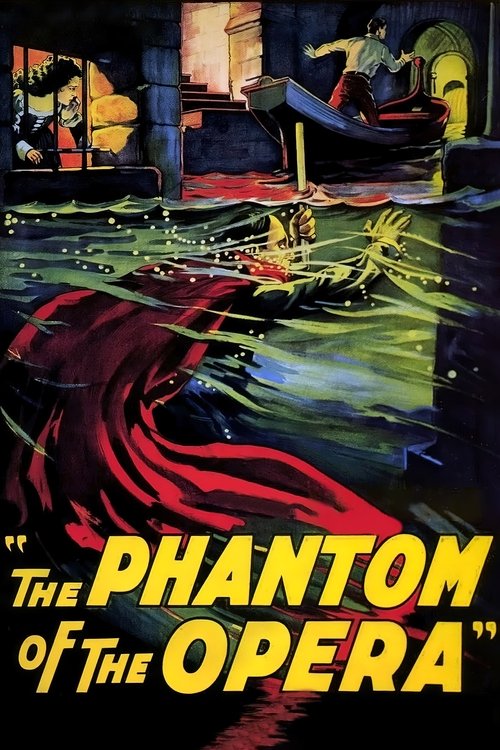
The Phantom of the Opera1925
Lon Chaney's performance as a disfigured outsider seeking love is raw and magnetic. The production design rivals *Man Who Laughs* in ambition, and the unmasking scene is genuinely unforgettable.
But The plot hinges on opera house mechanics that strain credibility. It's operatic in the worst sense—overwrought, sometimes unintentionally funny.
Nosferatu1922
Max Schreck's vampire is pure nightmare fuel, and the film's visual language—shadow, symmetry, slow dread—influenced everything since. It proves silent film can be terrifying without a single sound.
But It's slower than slow, and some viewers find the pacing genuinely punishing. The restoration quality varies wildly depending on which version you find.

Not sure tonight? Get a pick in a minute, starting from The Man Who Laughs
The wildcard
Something you would not have found on your own.
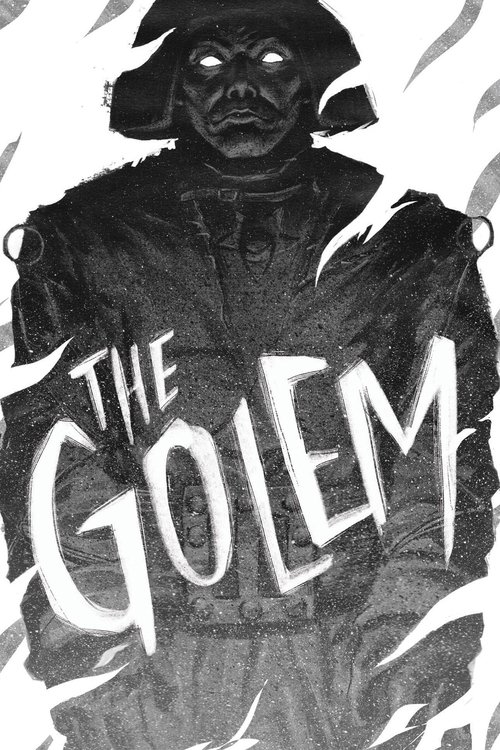
The Golem: How He Came into the World1920
Both are about beings society marks as monsters, exploring whether the world's cruelty creates the monstrosity, or reveals it.
A creature born to protect, instead feared and hunted. Like *Man Who Laughs*, it's about monstrous appearance masking a desperate need to belong. The creature design and Prague expressionism are haunting.
But The print quality is poor in most versions, making it hard to appreciate the cinematography. It's slow and the narrative is thin.
More like this (8)
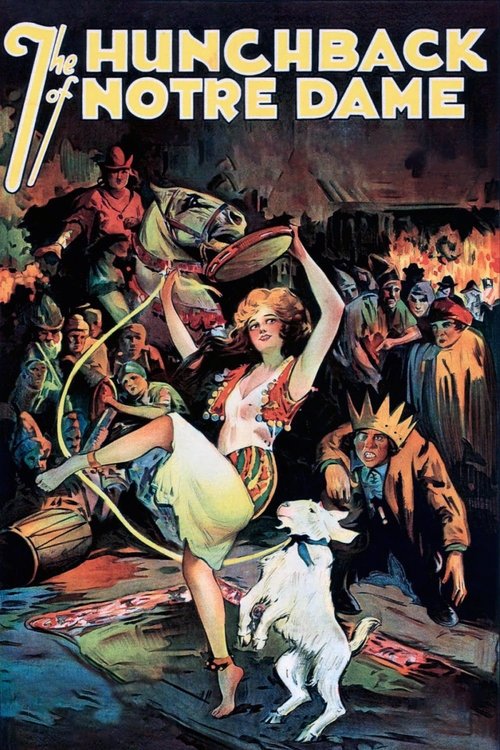
The Hunchback of Notre Dame1923
Lon Chaney again, this time as Quasimodo—a role of genuine tenderness beneath monstrosity. The cathedral itself becomes a character, and the crowds scenes are staggering in scope and humanity.
But The plot is melodramatic in ways that can feel silly. Some of the comedy doesn't land, and the romance subplot is thinner than it should be.
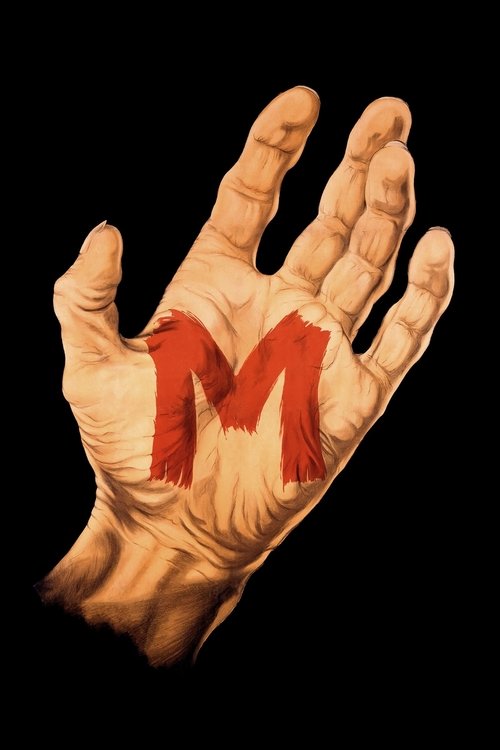
M1931
Fritz Lang's first sound film is a masterclass in tension and moral ambiguity. Peter Lorre's performance as a child murderer forced to confront society—and himself—is chilling and heartbreaking.
But It's heavy and relentless, and the subject matter is genuinely disturbing. Not a film that provides catharsis or comfort.
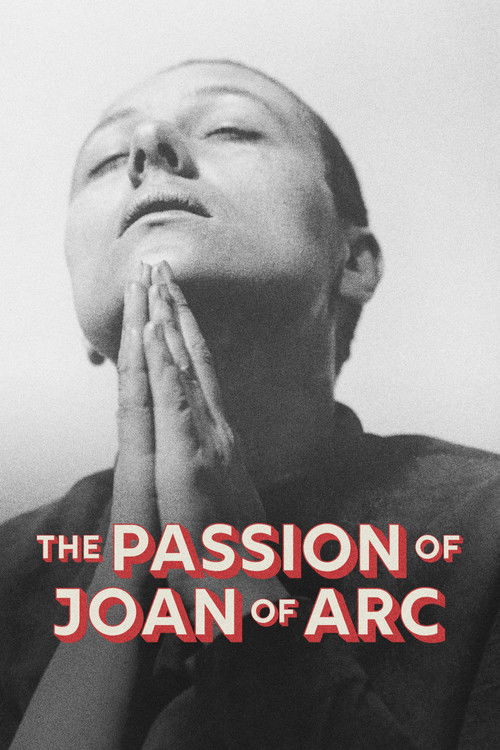
The Passion of Joan of Arc1928
Renée Jeanne Falconetti's close-ups are among the most powerful performances ever filmed. Carl Theodor Dreyer finds grace and devastation in stillness. Silent cinema's emotional peak.
But The trial proceedings are repetitive. Watching it means sitting with profound suffering for over an hour—it's emotionally exhausting.
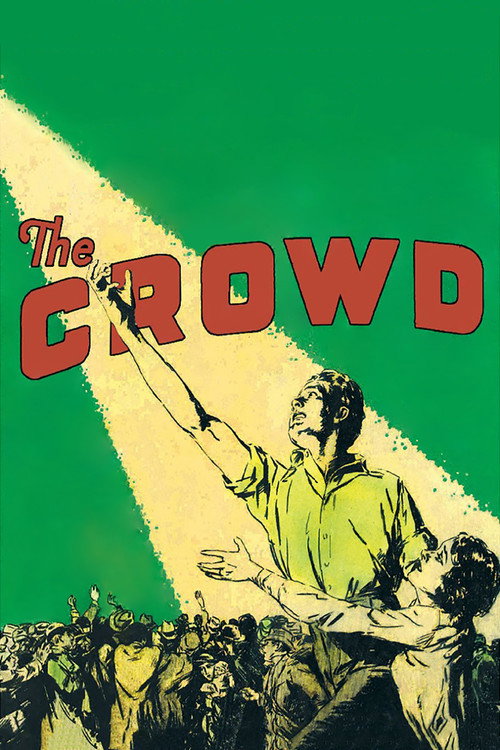
The Crowd1928
King Vidor's portrait of ordinary American life is tender and funny and sad all at once. It finds cinema poetry in the everyday, and the ending is genuinely daring for its era.
But It's deliberately anti-dramatic, which means very little happens. If you want plot momentum, this will feel aimless.
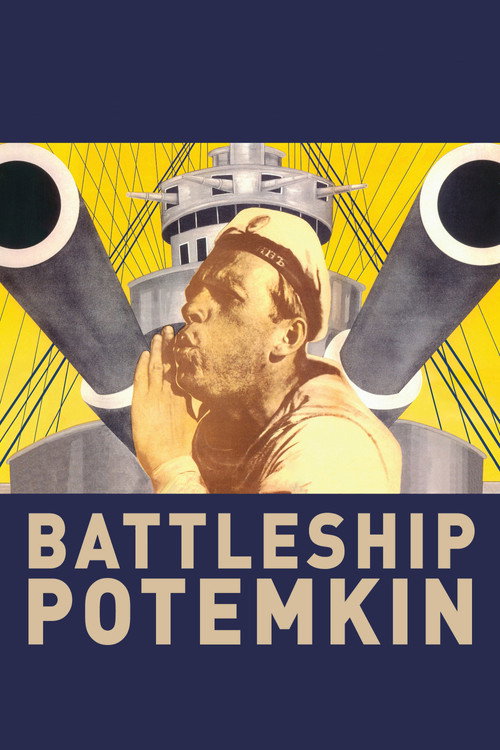
Battleship Potemkin1925
Eisenstein's masterpiece of Soviet montage is about revolution and justice, but its real power is formal—cutting and composition used to make you *feel* ideology. Endlessly inventive.
But The Odessa Steps sequence overshadows the rest. The film's politics feel dated, and the fragmentary style can be alienating.
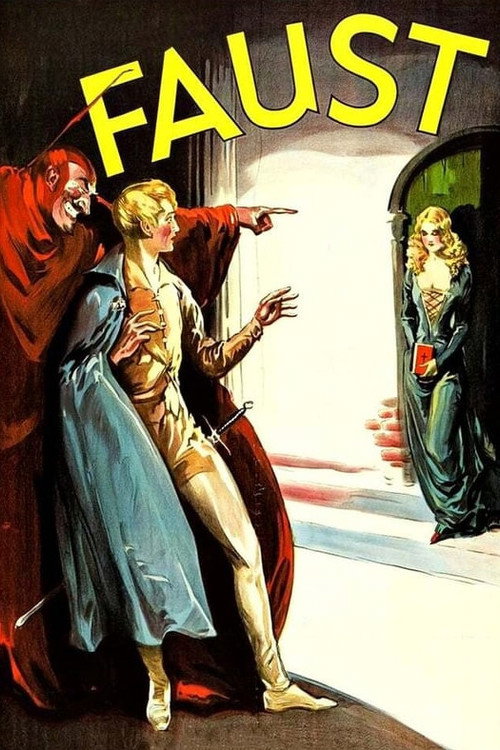
Faust1926
F.W. Murnau's take on the Faust legend is visually gorgeous and spiritually ambitious. Emil Jannings as Mephistopheles is magnetic, and the special effects still impress.
But It's very long and the plot meanders. The heavenly sequences feel overwrought, and the pacing deflates in the third act.
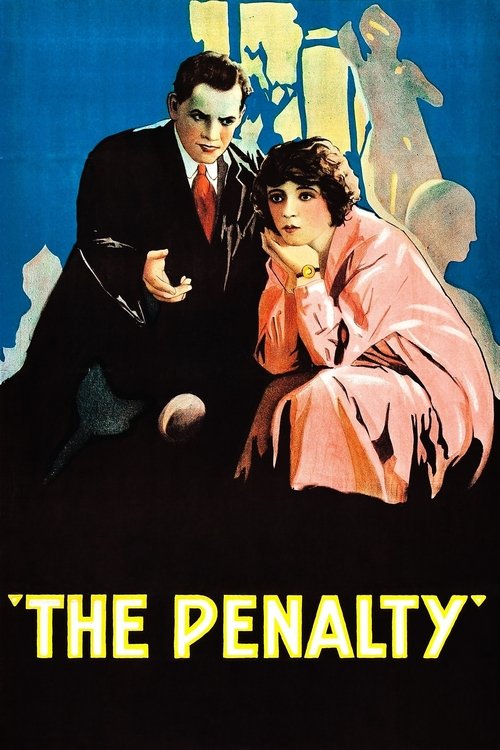
The Penalty1920
Both feature Chaney-era fascination with disability as a visual language, and both ask whether we pity or despise the disfigured.
Lon Chaney as an armless criminal mastermind—a vulnerable body containing brilliant, vengeful intelligence. It's pulpier than *Man Who Laughs* but asks the same question about sympathy and disfigurement.
But It's melodramatic and creaky, with a plot that strains logic. The special effects showing Chaney's amputation are crude.
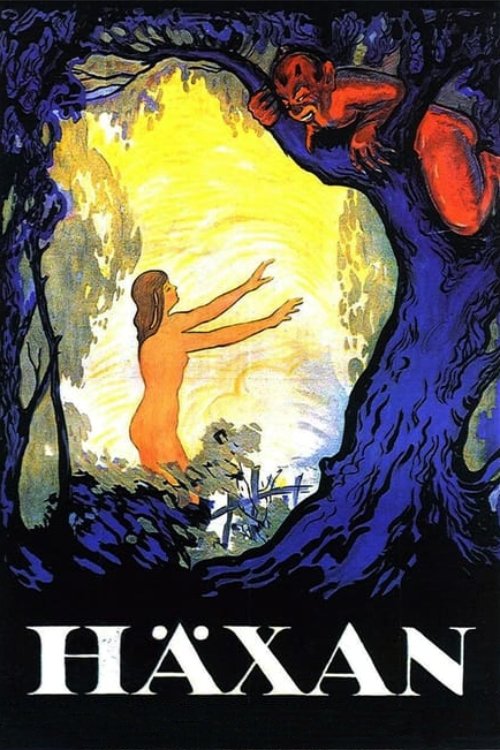
Häxan1922
Both use grotesque imagery and performance to interrogate how society punishes those it deems monstrous or dangerous. Both suggest the real horror is systemic, not supernatural.
A Danish documentary-fantasia about witchcraft, superstition, and persecution. It's grotesque, darkly funny, and visually baroque in ways narrative film never attempted. Utterly unique.
But It's not really a story in the conventional sense. Some sequences are genuinely disturbing (the devil's imagery is grotesque), and the academic framing feels distant.
People
Cast
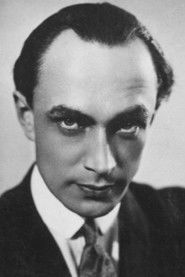 Conrad VeidtGwynplaine / Lord Clancharlie
 Mary PhilbinDea
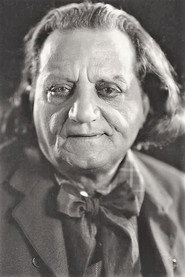 Cesare GravinaUrsus
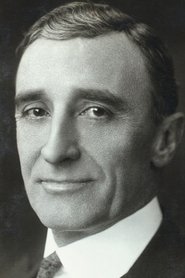 Brandon HurstBarkilphedro
 Olga BaclanovaDuchess Josiana
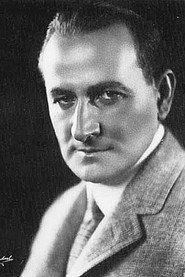 Sam De GrasseKing James II
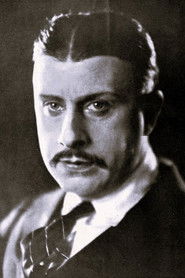 Stuart HolmesLord Dirry-Moir
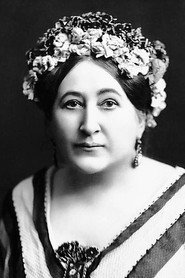 Josephine CrowellQueen Anne
- Julius MolnarYoung Gwynplaine
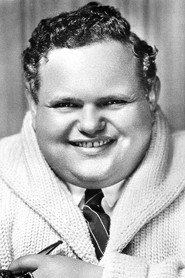 Károly HuszárInnkeeper
- Deno FritzSword Swallower
- Delmo FritzSword Swallower
Directing
- J. Grubb AlexanderContinuity
- Paul LeniDirector
Writing
- J. Grubb AlexanderAdaptation
- Victor HugoNovel
- Bela SekelyStory Supervisor
- Charles E. WhittakerWriter
- Marion WardWriter
- May McLeanWriter
- Walter AnthonyWriter
Production
- Carl LaemmleProducer
- Paul KohnerProduction Supervisor
Recommended by
Body and Soul, The Phantom of the Opera, The Unknown, The Perils of Pauline, He Who Gets Slapped, The Hunchback of Notre Dame, Beau Geste, Svengali, Hotel Imperial, The Hands of Orlac, Cheap Kisses, The Bells