
Film
The Unknown
A silent masterpiece of obsession and grotesque desire. Lon Chaney hides his arms in a circus to escape his past, then performs elaborate deceptions to win a woman who fears touch. It's deeply strange—body horror, psychological manipulation, and a love story that curdles into something genuinely unsettling. Essential cinema for anyone who wants to understand what silent film could do.
Should you watch it?
Watch it if you love silent films that tell everything through bodies and faces, the way this circus gothic lets a twisted romance and a dark secret play out in gesture and shadow.
Skip it if the big, mannered acting and melodramatic gestures of silent-era performance make you wince, or a slow, jealous romance in a circus tent sounds more tiresome than tense.
What it asks of you: Roughly seventy minutes, with no spoken dialogue to fall back on, so you need to watch faces and hands closely and accept a somber, unsettling mood that rarely lightens.
Not sure? Find tonight's pick in a minute.
If you liked this
Nosferatu1922
An even earlier German Expressionist nightmare about obsession and parasitic desire. Max Schreck's vampire is pure dread, and the visual language—shadows, distortion, dread—shows you where Chaney was drawing from.
But It's slower than modern horror and relies entirely on mood rather than plot momentum. Silent film grammar takes patience.

The Phantom Carriage1921
Ystjörn Gräd's masterpiece of guilt and supernatural haunting. A drunk man sees his death coming and must reckon with every harm he's caused. It has the same emotional weight and visual inventiveness as The Unknown—silent cinema at its most ambitious.
But The pacing is glacial by modern standards, and the moral framework is deeply moralistic. Can feel preachy.

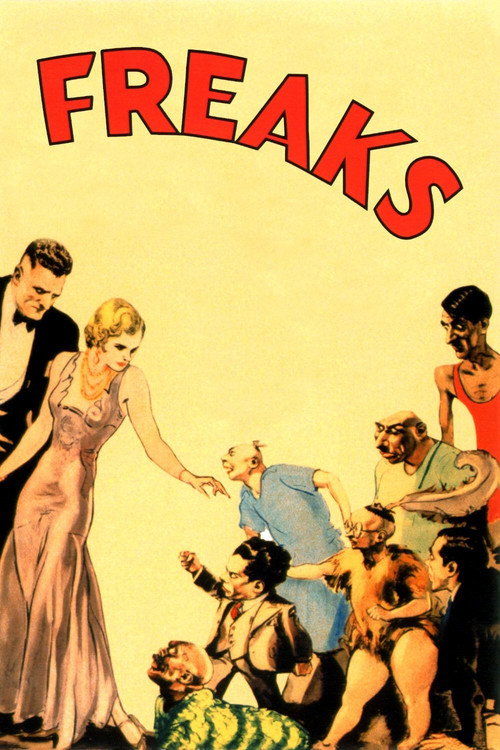
Freaks1932
Tod Browning's follow-up mines the same circus setting and themes of identity hidden and revealed. Real circus performers enact a story of betrayal and revenge that's genuinely upsetting. Brave filmmaking about bodies and exploitation.
But The attitudes toward disability are complicated—the film uses real disabled performers, which is radical, but in a fundamentally exploitative narrative. Watching it requires moral complexity.
Not sure tonight? Get a pick in a minute, starting from The Unknown
The wildcard
Something you would not have found on your own.
The Killing1956
Both films trust the viewer to piece together who people really are beneath their performance. Both understand that love often blinds us to the con happening in front of us.
Kubrick's racetrack heist film told non-linearly, layering the same events from different perspectives until nothing means what you thought. Like The Unknown, it's about how perspective shapes reality and desire shapes how we see people—but filtered through noir instead of German Expressionism.
But The chronological jumping can be confusing on first watch, and the plotting sometimes feels more clever than emotionally true.

More like this (8)
The Cabinet of Dr. Caligari1920
The grandfather of German Expressionism. Distorted sets, painted shadows, psychological horror—this is where cinema learned to show us madness visually. Deeply influential on how The Unknown looks and feels.
But The story is fairly simple and the twist is easy to see coming. It's more about atmosphere than narrative surprise.

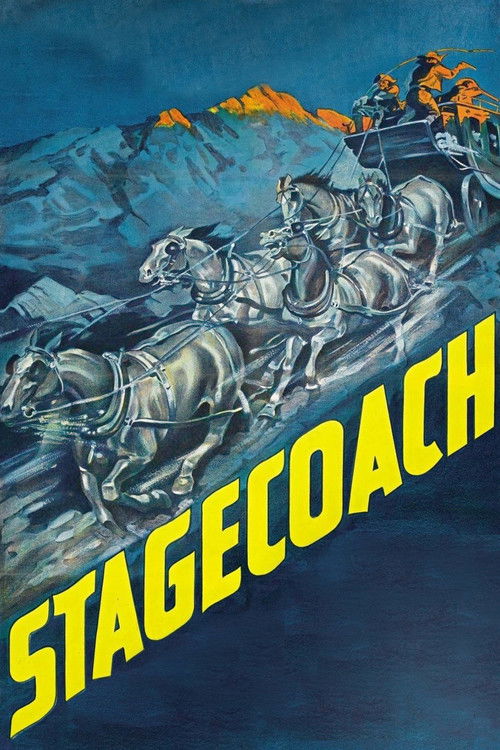
Stagecoach1939
John Ford's masterpiece of strangers trapped together, each hiding something, each revelation changing everything. Sharp dialogue, moral ambiguity, and genuine tension. Far more accessible than the silent films, but same DNA.
But It's a Western, so if that's not your world it might feel distant. The pacing, while excellent, won't feel like plot-driven entertainment.
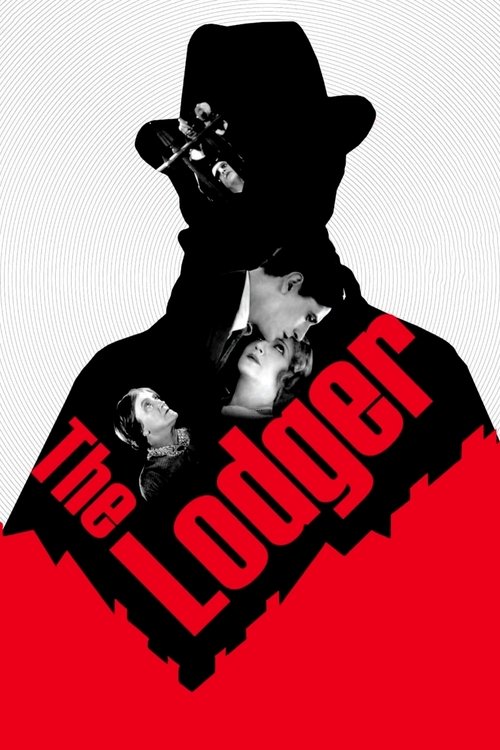
The Lodger: A Story of the London Fog1927
Hitchcock's silent masterpiece about a mysterious tenant and the family convinced he's a killer. Psychological suspense, innovative camera work, and that same feeling of not knowing whom to trust or love.
But The film is genuinely slow, and some of the plot mechanics feel contrived even for 1927. You have to be patient.
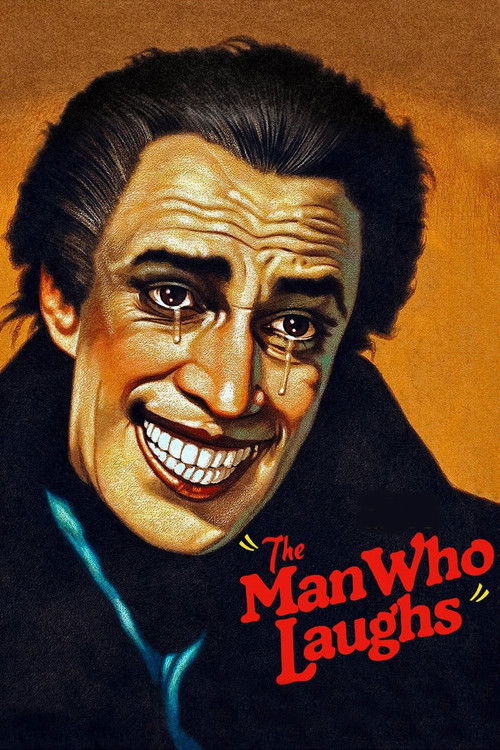
The Man Who Laughs1928
Another Lon Chaney marvel: a man with a permanent grotesque grin trying to live and love. Conrad Veidt is astonishing as the lead. It asks: how do we see people when their bodies don't match our expectations?
But It's even more melodramatic than The Unknown, and the ending is bleak in ways that can feel manipulative rather than earned.
Pandora's Box1929
Pabst's German tragedy of Lulu, a woman who destroys everyone who loves her. Not because she's evil—because men project onto her and she simply exists. Sexual, dangerous, and morally complex in ways most films still aren't.
But The misogyny is baked into the narrative, even if the film critiques it. Louise Brooks is mesmerizing, but the plot punishes her for existing.

M1931
Lang's sound debut is a hunt for a child murderer through Weimar Berlin. It has the psychological depth and moral ambiguity of The Unknown but with the clarity sound adds. German Expressionism's last gasp before everything changed.
But It's relentlessly grim and deals with child murder. There's no lightness here, and some viewers will find it unbearably bleak.

In a Lonely Place1950
Both are love stories that recognize love itself as potentially pathological. Both characters are drawn to people precisely because those people are dangerous and unknowable. Both films refuse to let us off the hook morally.
Nicholas Ray's Hollywood noir where Humphrey Bogart plays a volatile, unstable man who may or may not be a killer. A woman falls for him anyway. It's The Unknown but with post-war American disillusionment and moral darkness that cuts deeper.
But It's bleak in a way that modern audiences sometimes find dated—there's a resignation to the doom that can feel slow-building rather than thrilling.

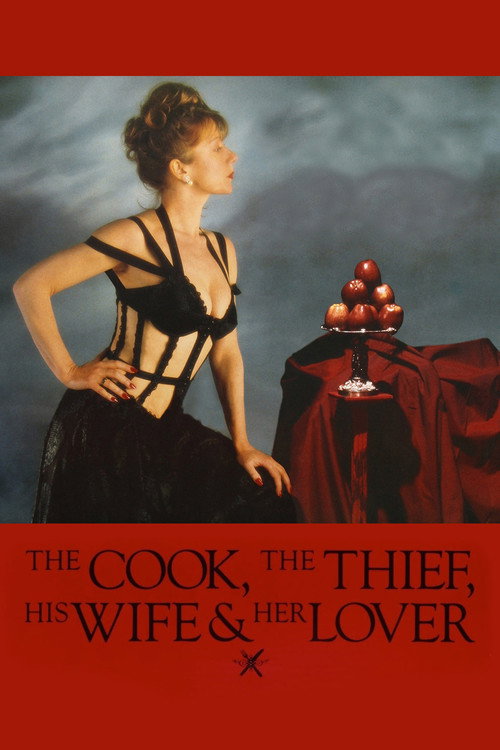
The Cook, the Thief, His Wife & Her Lover1989
Both are circus worlds where bodies are spectacle. Both track obsession toward inevitable destruction. Both understand that eroticism and horror are closer neighbors than we admit. Both show us people who cannot see clearly because wanting clouds vision.
Peter Greenaway's baroque nightmare: a gangster, his wife, her lover, cannibalism, and bodies treated as meat. It sounds transgressive for transgression's sake, but it's actually a precise moral horror about desire, power, and what we consume. Visually spectacular and genuinely difficult in the way silent cinema was.
But It's extremely graphic sexually and violently. It's also deliberately artificial and stylized in ways that feel mannered. It can read as pretentious rather than profound.
People
Cast
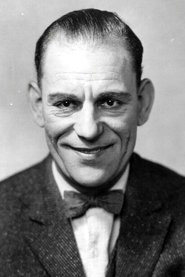 Lon ChaneyAlonzo
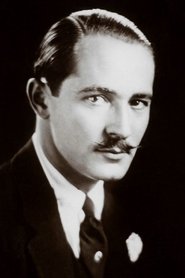 Norman KerryMalabar
 Joan CrawfordNanon Zanzi
 Nick De RuizAntonio Zanzi
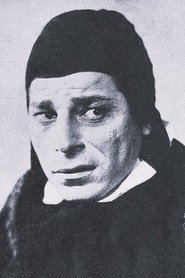 John GeorgeCojo
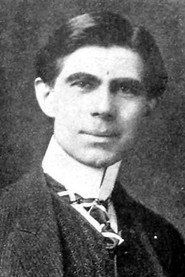 Frank LanningCostra
- Tom AmandaresGypsy Running to Zanzi's Death Scene (uncredited)
- Margaret BertFortune Teller (uncredited)
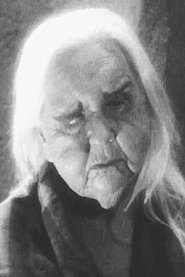 Louise EmmonsGypsy Woman (uncredited)
- Italia FrandiGirl in Audience Flirting with Malabar (uncredited)
- Venezia FrandiWoman in Audience (uncredited)
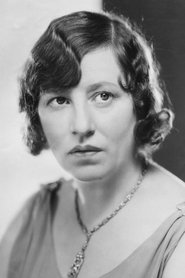 Polly MoranLandlady / Servant in Audience (uncredited)
Directing
- Harry SharrockAssistant Director
- Tod BrowningDirector
Writing
- Waldemar YoungScreenplay
- Tod BrowningStory
- Joseph FarnhamWriter
Production
- Irving ThalbergProducer
Recommended by
Talk to Her, Waxworks, The Cat Creeps, The Gorilla, The Haunted Castle, The Gorilla, The Magician, The Student of Prague, The Telltale Heart