
Film
The Cook, the Thief, His Wife & Her Lover
Peter Greenaway's 1989 provocation is less a crime drama than a fable staged like theatre: a gangster restaurateur terrorises his wife, her lover, and everyone's dinner, while Jean-Paul Gaultier's costumes and Michael Nyman's score turn cruelty into spectacle. It's gorgeous, disgusting, and unapologetically vicious — arthouse revulsion plated beautifully, for viewers who want their moral outrage served with style.
If you liked this
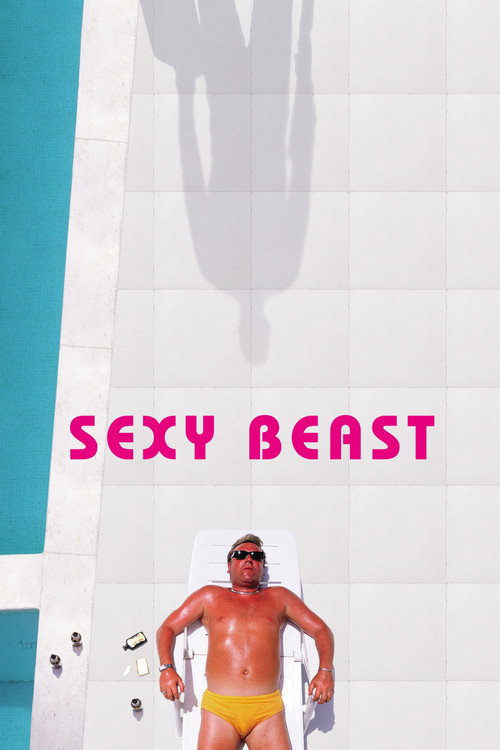
Sexy Beast2001
Ben Kingsley's Don Logan is pure, coiled menace, a gangster who terrifies through sheer force of personality rather than violence — the same queasy pleasure as watching Spica hold a room hostage over dinner.
But It's leaner and funnier than Greenaway's film, with none of the visual excess or moral grandstanding.
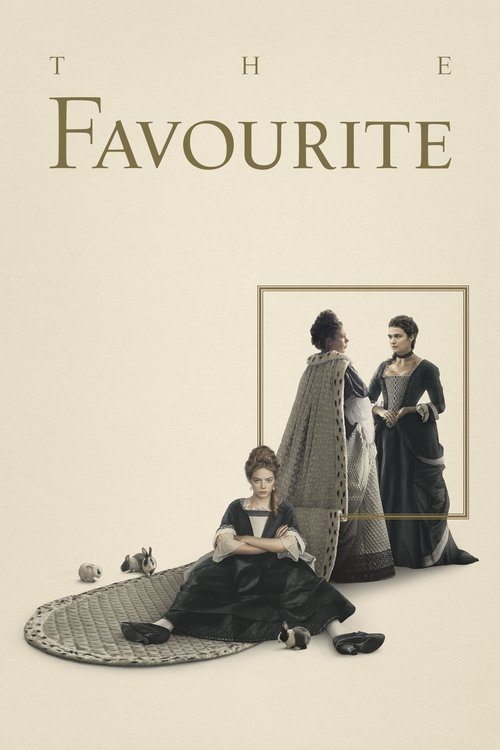
The Favourite2018
Yorgos Lanthimos stages court intrigue with the same arch, theatrical cruelty — gorgeous frocks, vicious wit, and characters who wield power like a carving knife. If you loved the style over the story, this delivers plenty of both.
But It's a comedy first, cruelty played for laughs rather than horror — less stomach-turning, more cattily entertaining.
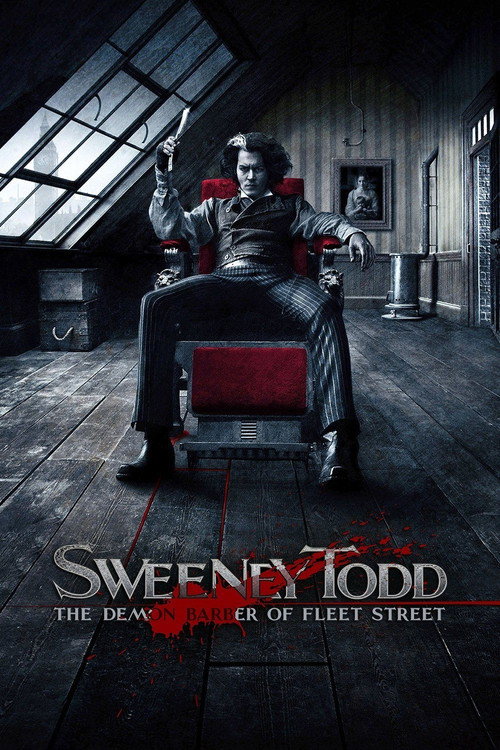
Sweeney Todd: The Demon Barber of Fleet Street2007
Tim Burton's musical serves up revenge literally baked into meat pies — grand guignol theatricality, operatic gore, and a director unafraid to make cruelty gorgeous to look at.
But It's a full-blown musical, so if singing throats-slit isn't your idea of fun, steer clear.
The wildcard
Something you would not have found on your own.
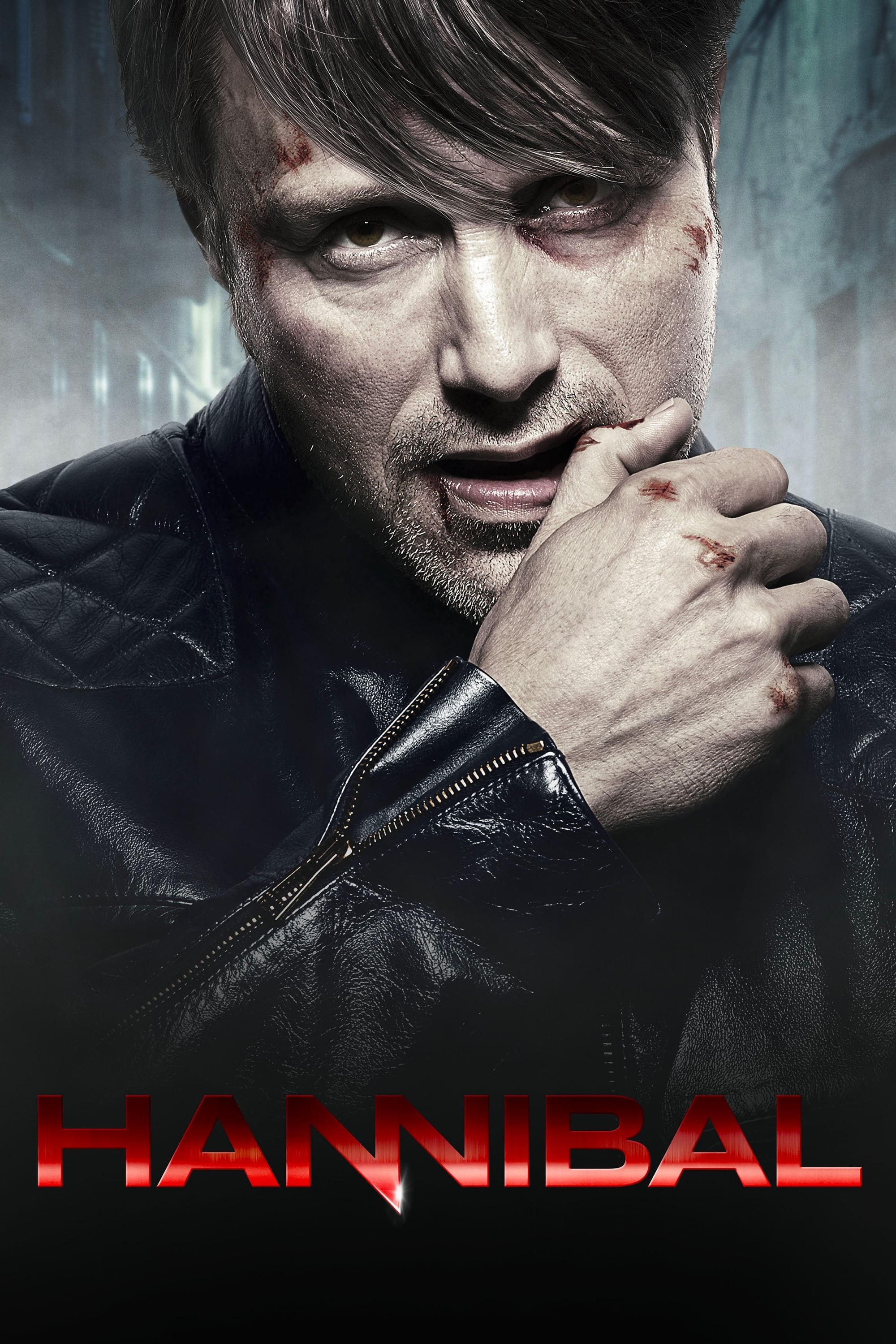
Hannibal2013
Both treat eating as an act of dominance and food as the stage for cruelty — Hannibal just does it as prestige television instead of arthouse cinema, swapping Greenaway's stagey theatricality for Fuller's cinematic, painterly horror.
Bryan Fuller's prestige series turns murder into haute cuisine, literally — every kill staged like a painting, every dinner party an act of seduction and threat. It's the same marriage of horror and gastronomy, stretched across three gorgeous, unhinged seasons.
But It's a long-term commitment, and its slow-burn psychological chess takes patience a two-hour film doesn't demand.
More like this (8)
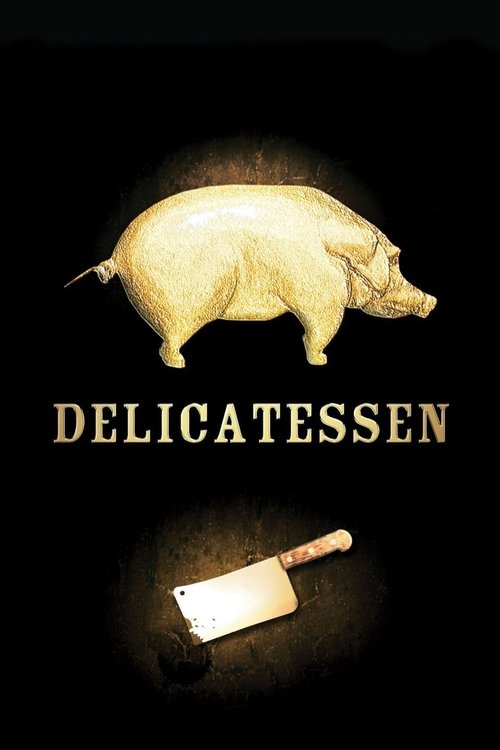
Delicatessen1991
Jeunet and Caro's post-apocalyptic butcher shop plays cannibalism for absurdist slapstick, with the same grotesque relish for bodies-as-meat and food as horror, dressed up in gorgeous, twisted production design.
But It's whimsical where Greenaway is savage — closer to a fairy tale than a moral punishment.
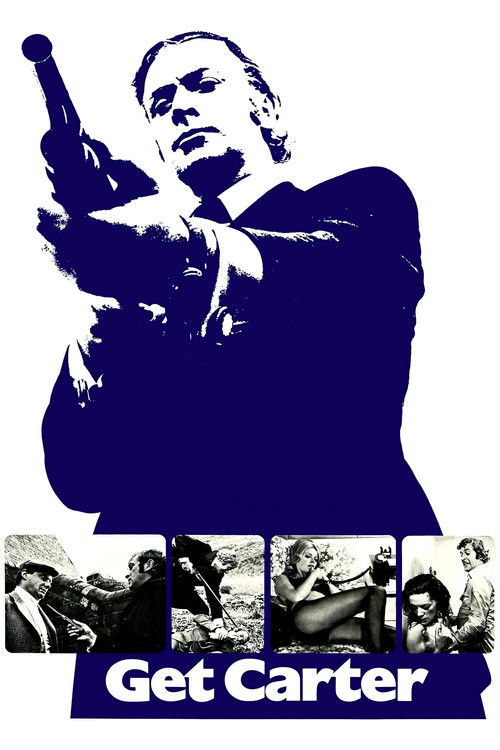
Get Carter1971
Michael Caine's ice-cold revenge thriller is the granddaddy of British gangster cinema — no stylised sets, just concrete, violence, and a man who will not stop until everyone responsible is dead.
But It's grim and realist rather than theatrical — none of Greenaway's painterly excess or dark humour.
Titus1999no page yet
Julie Taymor's Shakespeare adaptation is baroque, blood-soaked, and utterly unembarrassed about its own excess — revenge, mutilation, and a meat pie that rivals anything Spica could dream up.
But It's Shakespearean in language and pacing, which can feel heavier going than a straight crime film.
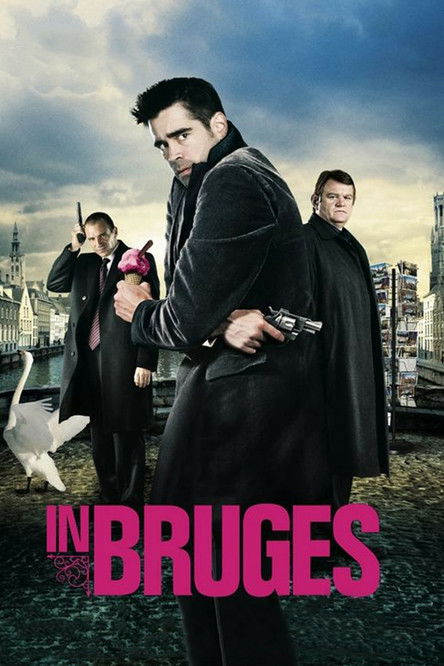
In Bruges2008
Martin McDonagh's hitman comedy finds pitch-black laughs inside real cruelty and guilt, proof that violence and wit can share the same plate without cancelling each other out.
But It's warmer and far more forgiving toward its characters than Greenaway ever allows himself to be.
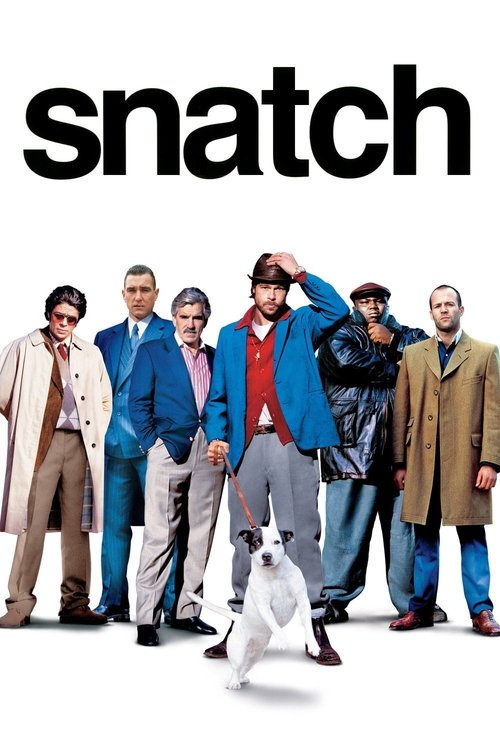
Snatch2000
Guy Ritchie's ensemble gangster comedy is pure chaotic energy — colourful crooks, sudden violence, and a sense that everyone involved is having a filthy amount of fun with the genre.
But It's fast, flashy, and shallow by design — none of the formal control or menace of Greenaway's film.
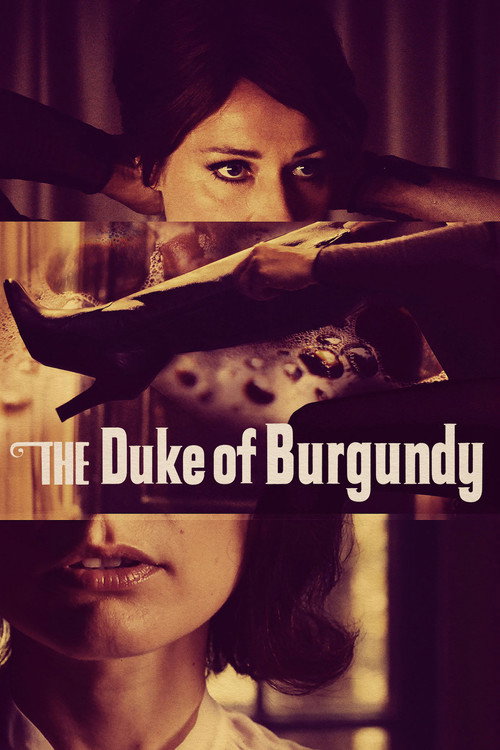
The Duke of Burgundy2015
Peter Strickland's hushed, gorgeous chamber piece about control and desire shares Greenaway's obsessive formalism — every frame composed like a painting, every silence loaded with power.
But It's slow, hushed, and far less violent — a study in restraint rather than gleeful excess.
Babette's Feast1987
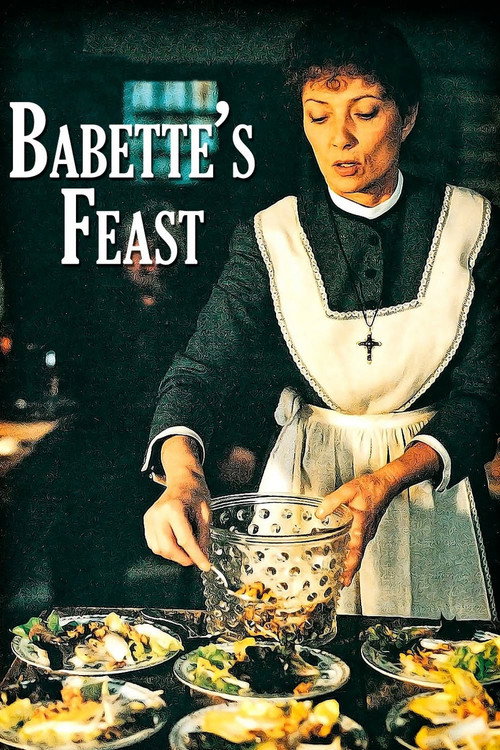
Same premise — a lavish meal as the emotional and moral center of the film — but where Greenaway uses food to punish and disgust, this uses it to forgive and redeem. Watching them back-to-back tells you everything a dinner table can mean.
A retired French chef repays two austere sisters' kindness with the greatest meal of their lives — a film where cooking is generosity, not punishment, and a feast becomes an act of grace rather than revenge.
But It's slow, devout, and almost entirely without cruelty — the tonal opposite of everything you just watched.
Freaks1932
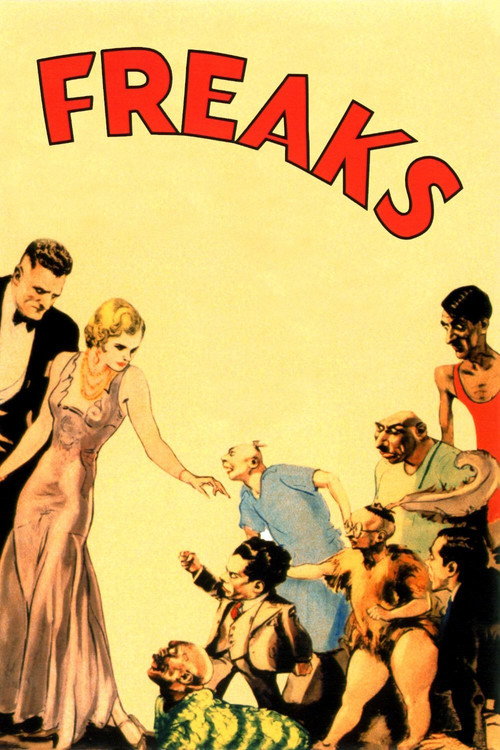
Both films punish cruelty with a horror engineered to fit the crime, and both ask who the real monster is — the visibly grotesque, or the beautiful person who behaves monstrously. Greenaway just swapped the carnival for a restaurant.
Tod Browning's pre-Code horror about a carnival sideshow ends in one of cinema's most shocking acts of collective revenge — grotesque bodies punishing a cruel, beautiful woman for her contempt.
But It's nearly 90 years old, black-and-white, and genuinely upsetting in ways modern gore rarely manages.
People
Cast
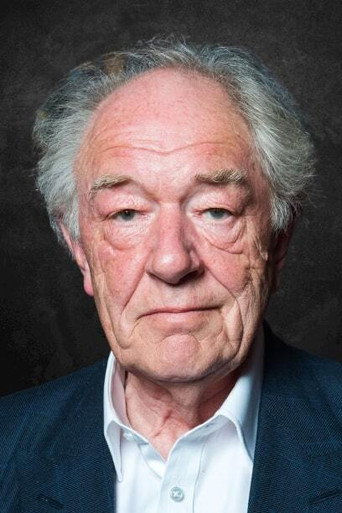 Michael GambonAlbert Spica
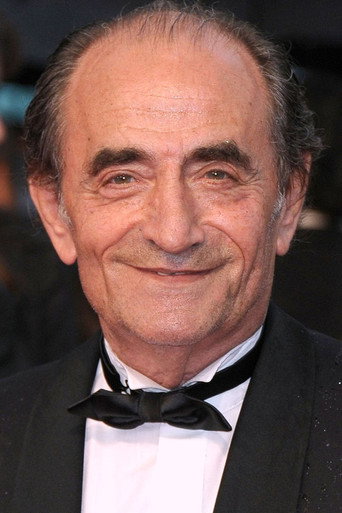 Richard BohringerRichard Boarst
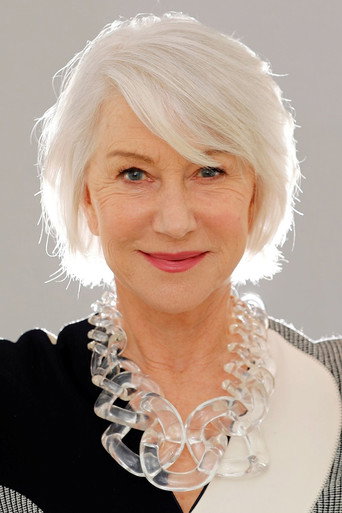 Helen MirrenGeorgina Spica
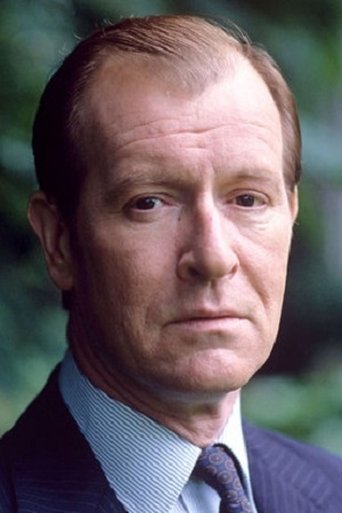 Alan HowardMichael
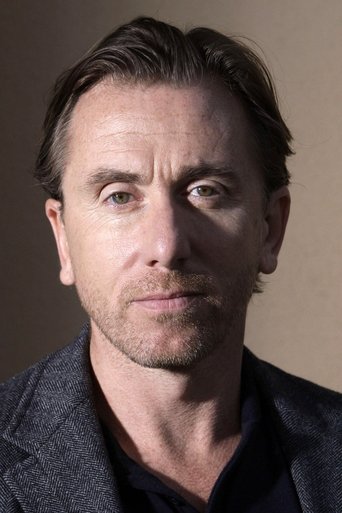 Tim RothMitchel
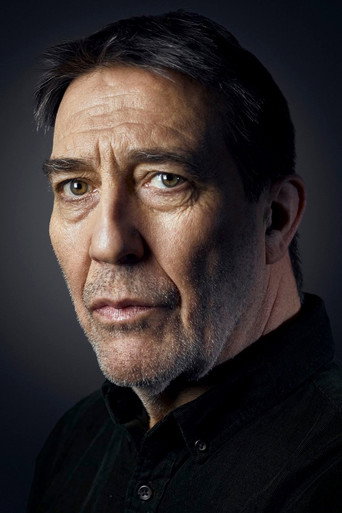 Ciarán HindsCory
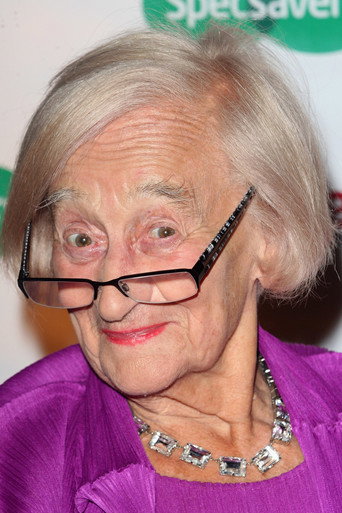 Liz SmithGrace
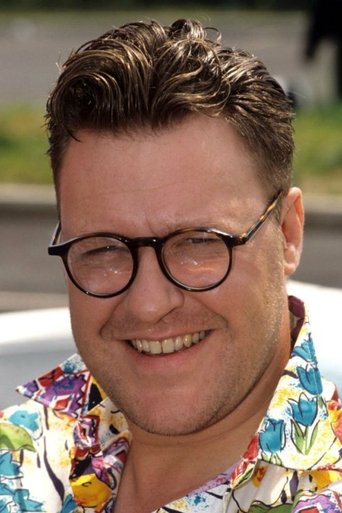 Gary OlsenSpangler
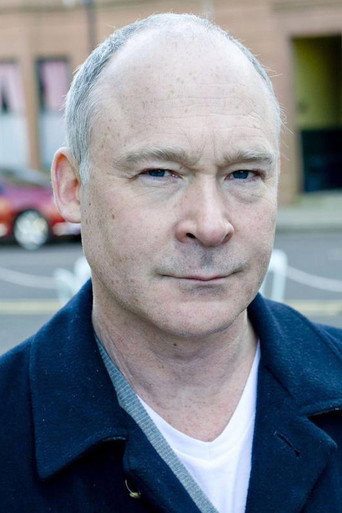 Ewan StewartHarris
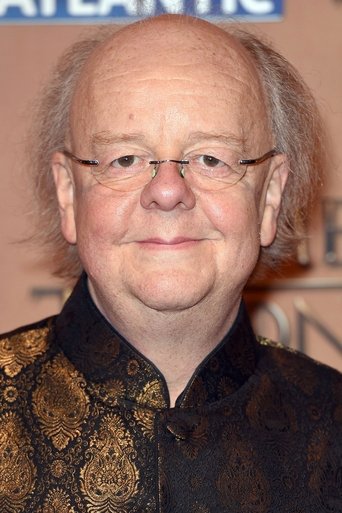 Roger Ashton-GriffithsTurpin
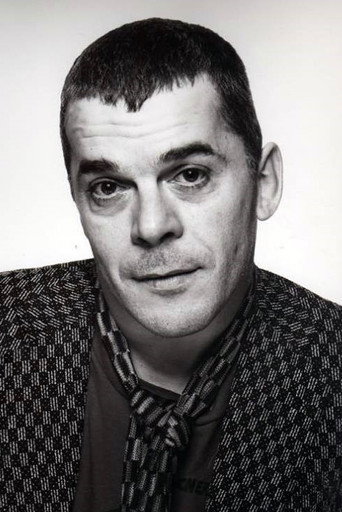 Ian DuryTerry Fitch
- Diane LangtonMay Fitch
Directing
- Peter GreenawayDirector
- Gerrit MartijnFirst Assistant Director
Writing
- Peter GreenawayScreenplay
Production
- Sharon Howard-FieldCasting
- Daniel Toscan du PlantierCo-Producer
- Denis WigmanCo-Producer
- Pascale DaumanCo-Producer
- Kees KasanderProducer
Recommended by
Tampopo, The Menu, Babette's Feast, The Platform, Delicatessen