
Television series
Rachael Ray
- Light-hearted
- Dip in and out
A daytime talk show built on Rachael Ray's infectious energy and culinary foundation, blending celebrity interviews, lifestyle segments, and quick cooking demos. It's companionable and unpretentious—the kind of show that runs in the background and becomes a comfort ritual. Best if you enjoy Ray's particular brand of enthusiasm and don't need your talk show to challenge you.
If you liked this
The Oprah Winfrey Show1986
The architectural template Rachael Ray built from: celebrity guests, personal stories, lifestyle expertise, audience engagement. Oprah's version has more emotional depth and cultural impact, making it essential viewing for understanding what this format can do at its best.
But It's a massive time commitment—25 years of episodes. The tone can feel earnest and therapeutic in ways that might feel dated or heavy depending on your mood.
The View1997
Same daytime slot, same blend of entertainment and lifestyle chat, but with a panel format that creates genuine debate. It's snappier than Rachael Ray and often tackles harder topics without losing accessibility.
But The panel dynamic means louder personalities can dominate, and the quality swings wildly depending on who's hosting that season.
Enemy at the Gates2001
Ellen DeGeneres brought the same accessible warmth and celebrity-focused format to daytime, with sharper comedic timing. If you like Ray's friendliness without the cooking angle, this delivers the talk-show comfort food more purely.
But The show eventually became mired in workplace controversy, which casts a shadow over rewatching. Also, Ellen's humor can wear thin across multiple episodes.
Not sure tonight? Get a pick in a minute, starting from Rachael Ray
The wildcard
Something you would not have found on your own.
Julie & Julia2009
Both center on a woman using food and teaching as the vehicle for genuine connection with an audience. Ray's show is the extended improvisation; this film is what that impulse looks like when treated as material for genuine drama.
Meryl Streep as Julia Child is an absolute joy, and the film captures the genuine pleasure of cooking and teaching as spiritual practice. It's a love letter to food, pedagogy, and enthusiasm—everything Ray's show celebrates but which this film treats as genuinely transformative.
But The Amy Adams storyline (the modern framing) feels thin and perfunctory compared to the Julia Child sections, which can make the film feel unbalanced.
More like this (5)
Good Morning America1975
Broader scope than Ray—news, weather, entertainment, lifestyle—but shares the same spirit of being a trustworthy daily companion. The segments are snappier and there's genuine journalistic credibility underneath the celebrity chatter.
But It's a harder sell at 3 hours every morning. You're committing to a news program as much as a talk show, which changes the viewing contract.

Today1952
The granddaddy of American morning/daytime television. It pioneered the format Ray borrowed from, and watching it historically shows why this structure works so well for keeping audiences engaged daily.
But The historical episodes are archival footage, which means production quality and pacing feel remote from what you're used to. Modern episodes are long and slow-moving.

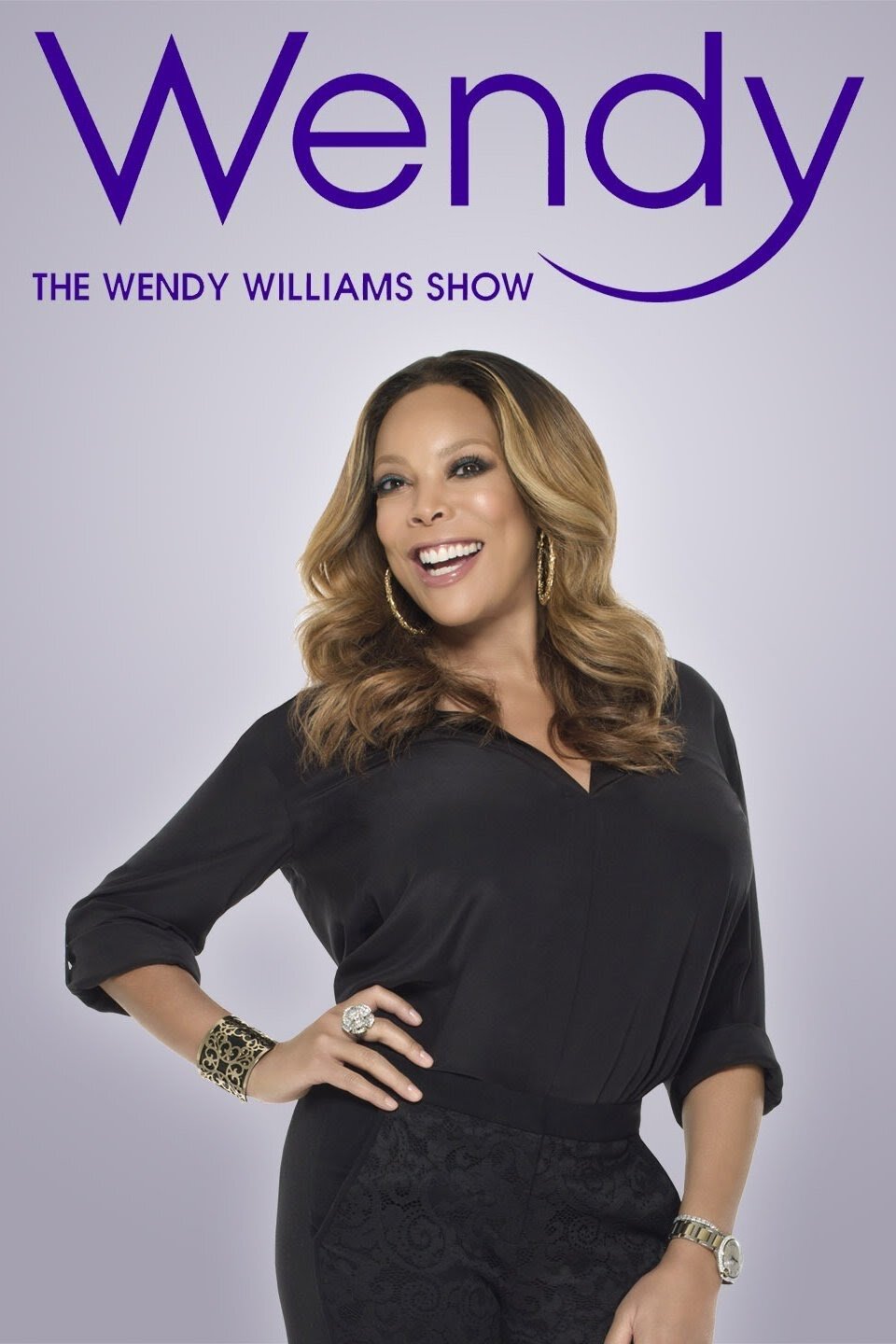
The Wendy Williams Show2008
Shares the talk-show infrastructure but replaces Ray's warmth with gossip and personality-driven chaos. It's entertaining in a completely different register—meaner, messier, more theatrical—but proves the format has range.
But The humor punches down, the energy is exhausting rather than companionable, and Wendy's personal scandals eventually overtook the show's narrative.
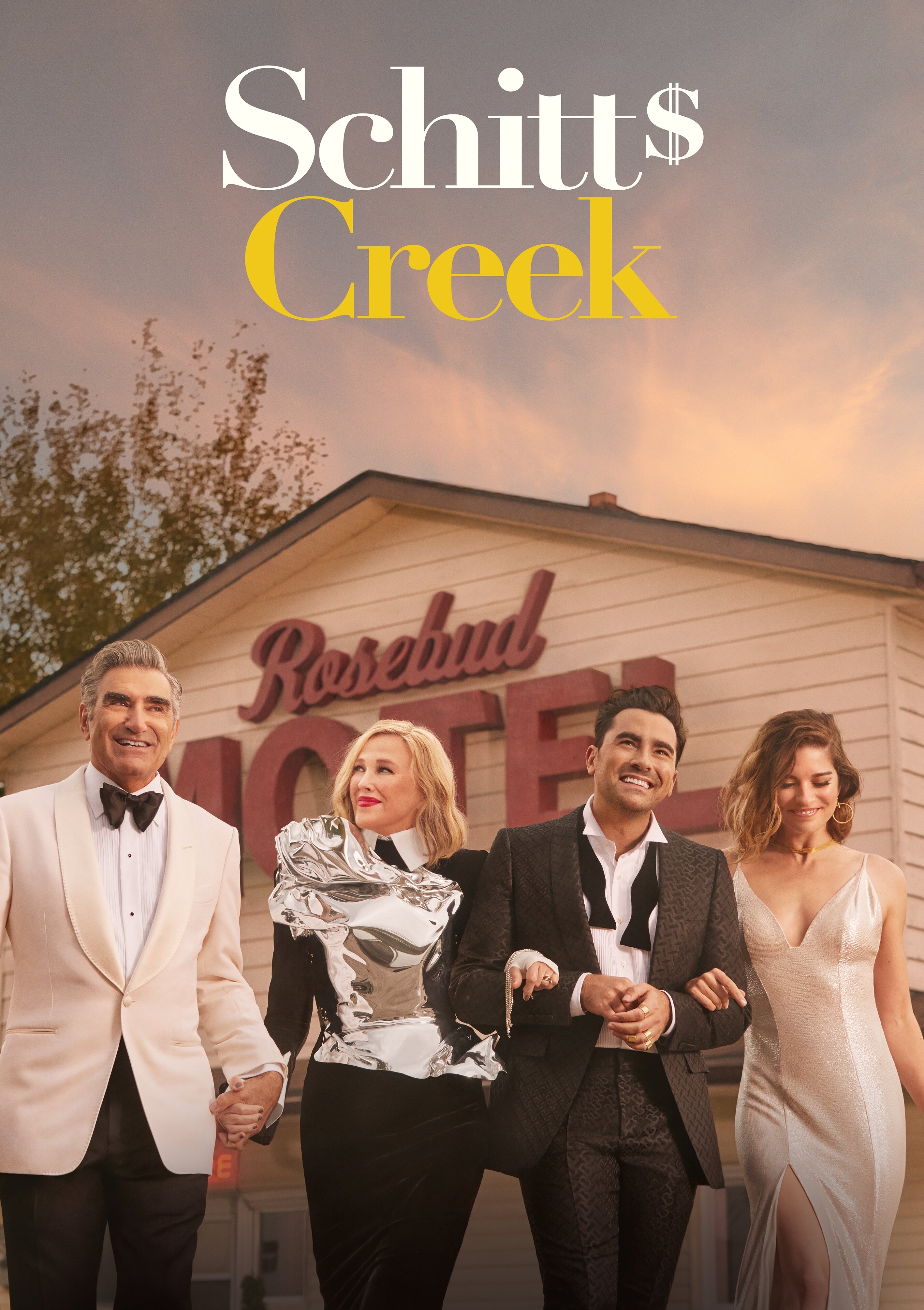
Schitt's Creek2015
Both are daily rituals of kindness and comfort in an entertainment landscape often hostile to either. Both prove that warmth and lack of meanness can be genuinely entertaining rather than naive.
A scripted sitcom that captures the same tone Ray brought to daytime—unpretentious, warm, genuinely funny without punching down, and built entirely on character affection rather than cynicism. It's what a daily talk show format might produce if written as narrative comedy.
But The early seasons are broader than later ones, and some viewers find the optimistic tone saccharine or the character arcs too neat.
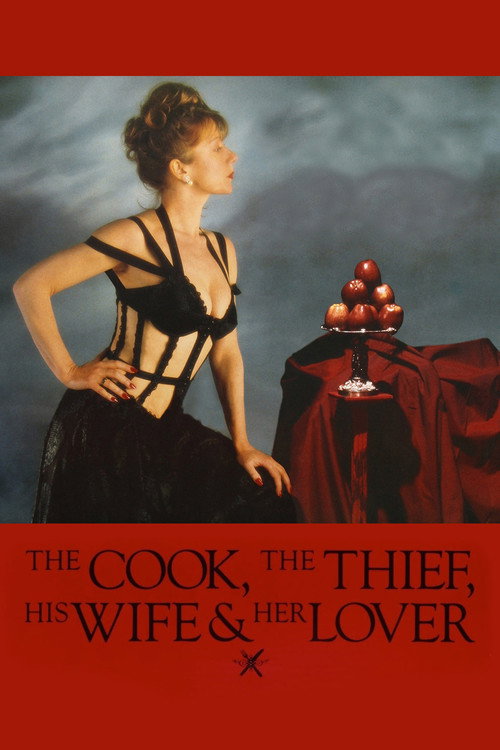
The Cook, the Thief, His Wife & Her Lover1989
Both are intensely interested in how we consume food—not just nutritionally but as ritual, performance, and social contract. Ray shows the best outcome of that contract; Greenaway shows it weaponized. They're mirror images.
Peter Greenaway's visually sumptuous nightmare about food, power, and control. It's the anti-Rachael Ray—if her show is about food as joy and connection, this is about food as domination, theater, and transgression. Gorgeously made and genuinely disturbing.
But It's sexually explicit, violent, deliberately alienating, and moves at an art-film pace. The color palette is overwhelming. It will feel hostile if you approach it expecting anything resembling pleasure.
People
Cast
 Rachael RayHost
Writing
- Oprah WinfreyCreator