
Television series
The Oprah Winfrey Show
- Light-hearted
- Dip in and out
A daily talk show that became a cultural force. Oprah built genuine connection with guests and audience alike—confessions, transformations, uncomfortable truths—while maintaining an infectious optimism about human potential. Addictive, intimate, sometimes maddening, always present. For anyone who wants to understand American conversation in the 1990s and 2000s, or how television can actually change things.
If you liked this
Today1952
The closest peer: daily, live, unscripted encounters with guests and real people. It invented the formula that Oprah refined. Watching both shows side-by-side reveals what Oprah's warmth and willingness to go deep actually changed about talk television.
But Slower pacing, less emotional intensity. The Today Show is breakfast company first, revelation second. You'll be waiting for Oprah's intensity.

60 Minutes1968
Long-form storytelling that trusts the audience to sit with discomfort. Like Oprah at her best: patient investigation into why people do what they do, no easy answers, real consequences. Morally serious without preaching.
But No warmth, no embrace. It's interrogation, not conversation. If you come for Oprah's humanity, this will feel cold.
The Ellen DeGeneres Show2003
A direct heir: daily, celebrity-driven, warm without being intrusive. Lighter touch than Oprah, less interested in transformation, but you can see the Oprah template working in every segment. Good if you want the comfort without the emotional labor.
But Feels safer and smaller. The stakes are lower. You might miss Oprah's willingness to actually push people toward change.

Not sure tonight? Get a pick in a minute, starting from The Oprah Winfrey Show
The wildcard
Something you would not have found on your own.
An American Family1973
Both found power in letting ordinary people's real lives unfold on camera without judgment. An American Family proved audiences were hungry for truth before Oprah proved they'd come back for it every day.
A documentary series that invented reality television fifteen years before Oprah invented talk television as we know it. Twelve episodes following the Loud family's unraveling: divorce, homosexuality, cruelty, in real time. It's unnerving, intimate, and changed what television could show. Oprah's emotional honesty has roots here.
But Glacially paced by modern standards. No music, no editing tricks, no narrator. You're watching a family fall apart with nobody to guide you through it. Can feel uncomfortably voyeuristic.
More like this (6)
Dr. Phil2002
Spun off from Oprah's show and carries her DNA: therapy-adjacent, problem-solving, the idea that television can heal. Phil takes the intervention model Oprah pioneered and makes it the entire show. Compulsively watchable.
But Can feel exploitative and prescriptive. Where Oprah usually listened first, Phil arrives with answers. The rescue fantasy gets thin fast.
Oprah: Where Are They Now?2012
Oprah returns to her formula with the distance of years. Reunion episodes with old guests and storylines. If you loved the show, this feels like visiting an old friend and comparing notes on who changed and who didn't.
But Nostalgia can be a trap. The formula feels a little tired when Oprah isn't doing it five days a week. It's a victory lap for fans, not a discovery.
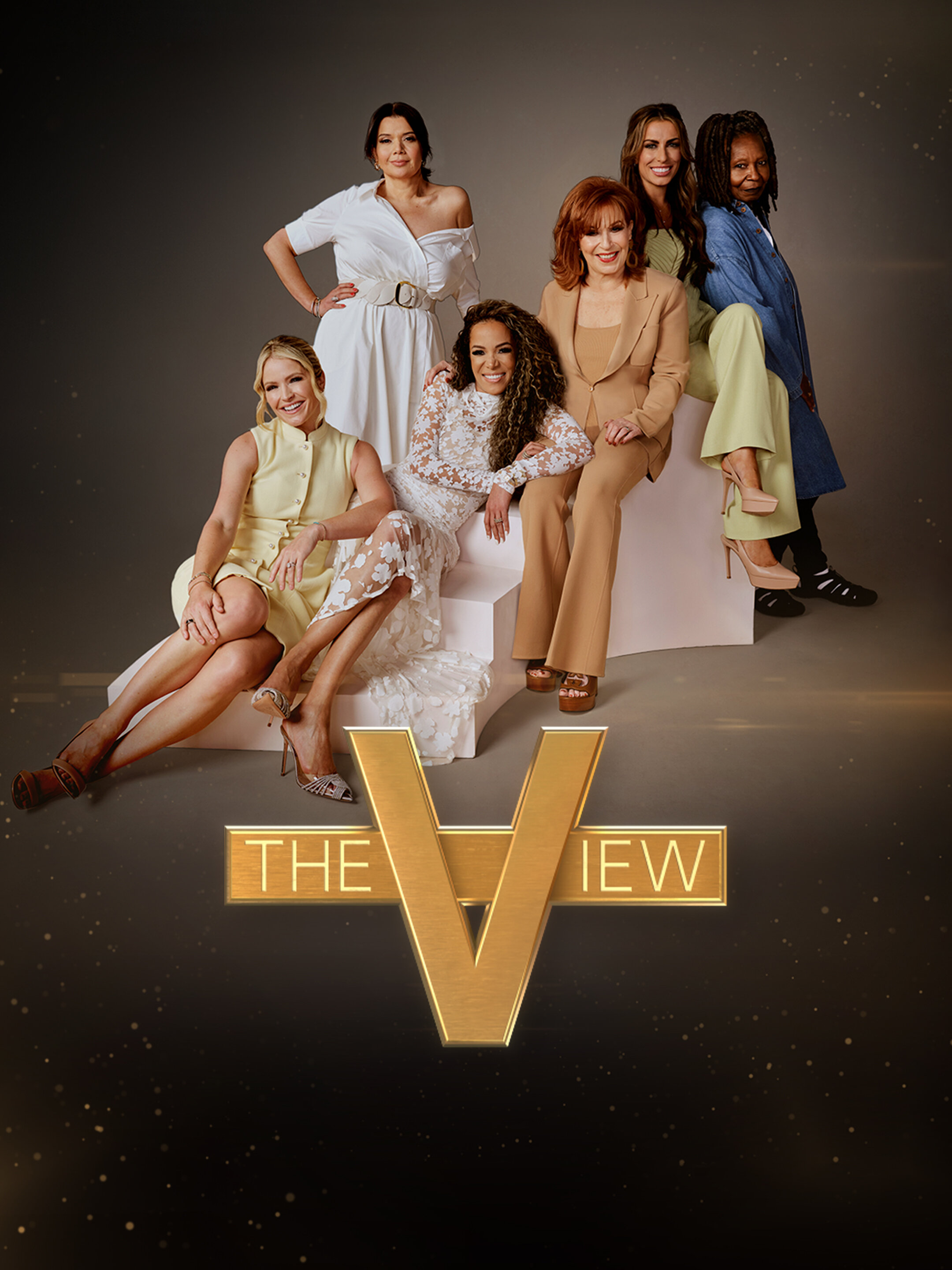
The View1997
An ensemble version of Oprah's conversational model: daily, unscripted, multiple perspectives colliding. Messier, more combative, but it proves Oprah's format was powerful enough to sustain imitation.
But Too many voices fighting for space. The structure that worked with one brilliant host fractures with five. Chaos instead of clarity.
Good Morning America1975
Network morning television at its best. Lighter than Oprah, more journalistic, but built on the same idea: famous people and real stories, five days a week, meant to feel like a friend visiting your home.
But Diffuse focus. It's doing news, weather, entertainment, and advice all at once. You're rarely held long enough to care deeply about any one thing.

Synecdoche, New York2008
Both Oprah and Kaufman are obsessed with the same question: can we heal ourselves through attention and confession? Can watching our own lives change them? Oprah says yes with infectious warmth. Kaufman says yes and then shows you it's more complicated than that.
Charlie Kaufman's film about a theater director who builds a life-size replica of New York inside a warehouse. Dense, disorienting, brilliant. It captures something true about Oprah's project: the human hunger to understand ourselves by watching ourselves, the confusion between real life and its performance, the idea that enough introspection can save us.
But Deliberately frustrating. The plot collapses into itself. You won't know what's real by the end. It demands you think hard about something that makes you uncomfortable.

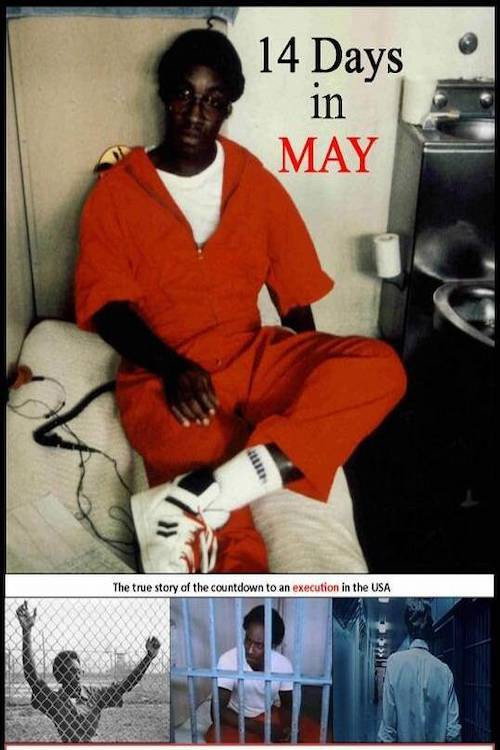
Fourteen Days in May1987
Both use the language of intimacy that Oprah mastered—the close-up, the quiet moment, the sense that you're alone with someone telling the truth. But where Oprah uses that to inspire change, this documentary uses it to show what can't be changed, what media can't fix.
A documentary about a man on death row in the final two weeks before his execution. No music, no voiceover, just footage and silence and the question of whether this man deserves to die. It's devastating. Made the same year Oprah's show became a phenomenon—a mirror showing what happens when television stops trying to fix people and just bears witness.
But Punishing to watch. There's no redemption, no transformation, no Oprah-style revelation that makes things better. It ends the only way it can. Some viewers will find it manipulative.
People
Cast
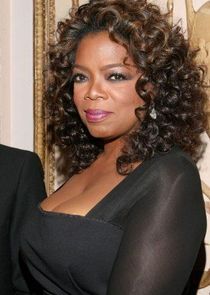 Oprah WinfreyHost
Writing
- Oprah WinfreyCreator
Recommended by
The Arsenio Hall Show, Rachael Ray, The Ellen DeGeneres Show, Tamron Hall, The Jennifer Hudson Show, Dr. Phil