
Film
Fourteen Days in May
A 1987 documentary that spends two weeks with Edward Earl Johnson, a man on death row for a crime he didn't commit. It's intimate and unbearable—not exploitative, but unflinching. You watch his last days unfold with the people around him: guards, inmates, lawyers, family. Essential viewing about capital punishment and wrongful conviction.
Should you watch it?
Watch it if you want a plain, patient record of how the machinery of capital punishment grinds on a single man, and you can sit with silence and unanswered questions without needing them resolved.
Skip it if you need a story that moves, since it refuses momentum and long stretches are simply people waiting and talking in rooms.
What it asks of you: Expect a slow, close, unhurried shape: unbroken attention to faces and routine, with little relief, running a compact hour and a half.
Not sure? Find tonight's pick in a minute.
If you liked this
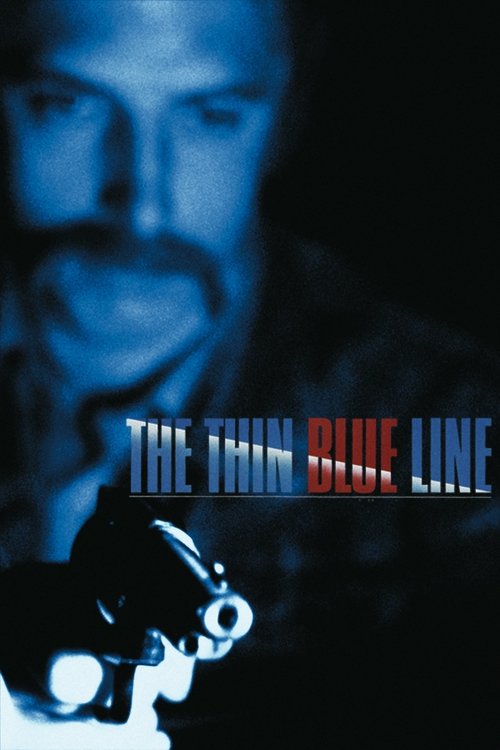
The Thin Blue Line1988
Errol Morris's masterpiece about a wrongful murder conviction and a detective's journey toward truth. Stylistically inventive yet emotionally devastating. It changed criminal justice history.
But The subject matter is harrowing, and the formal experimentation—animation, reenactment, music—might feel at odds with its gravity if you're not prepared for it.
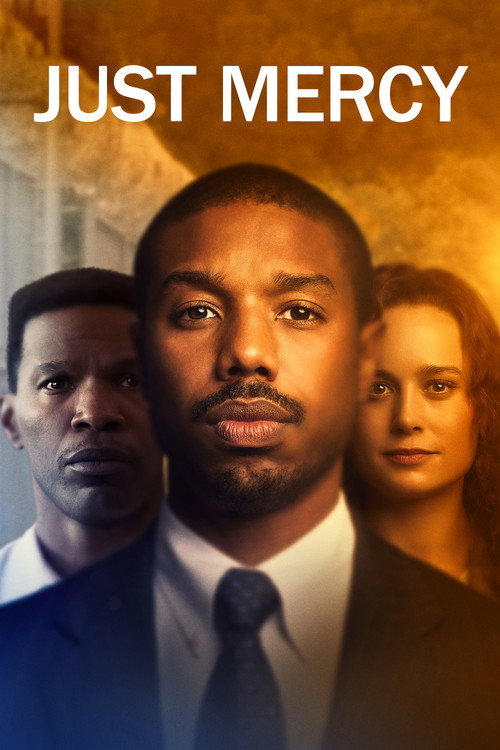
Just Mercy2019
Michael B. Jordan and Jamie Foxx in a powerful drama about a young lawyer defending death row inmates. It's accessible, beautifully made, and argues its case without preaching. Moves you to anger and hope.
But The ending provides some catharsis, which softens the sharper edges of the injustice. Some viewers find it too Hollywood-smooth for such brutal material.
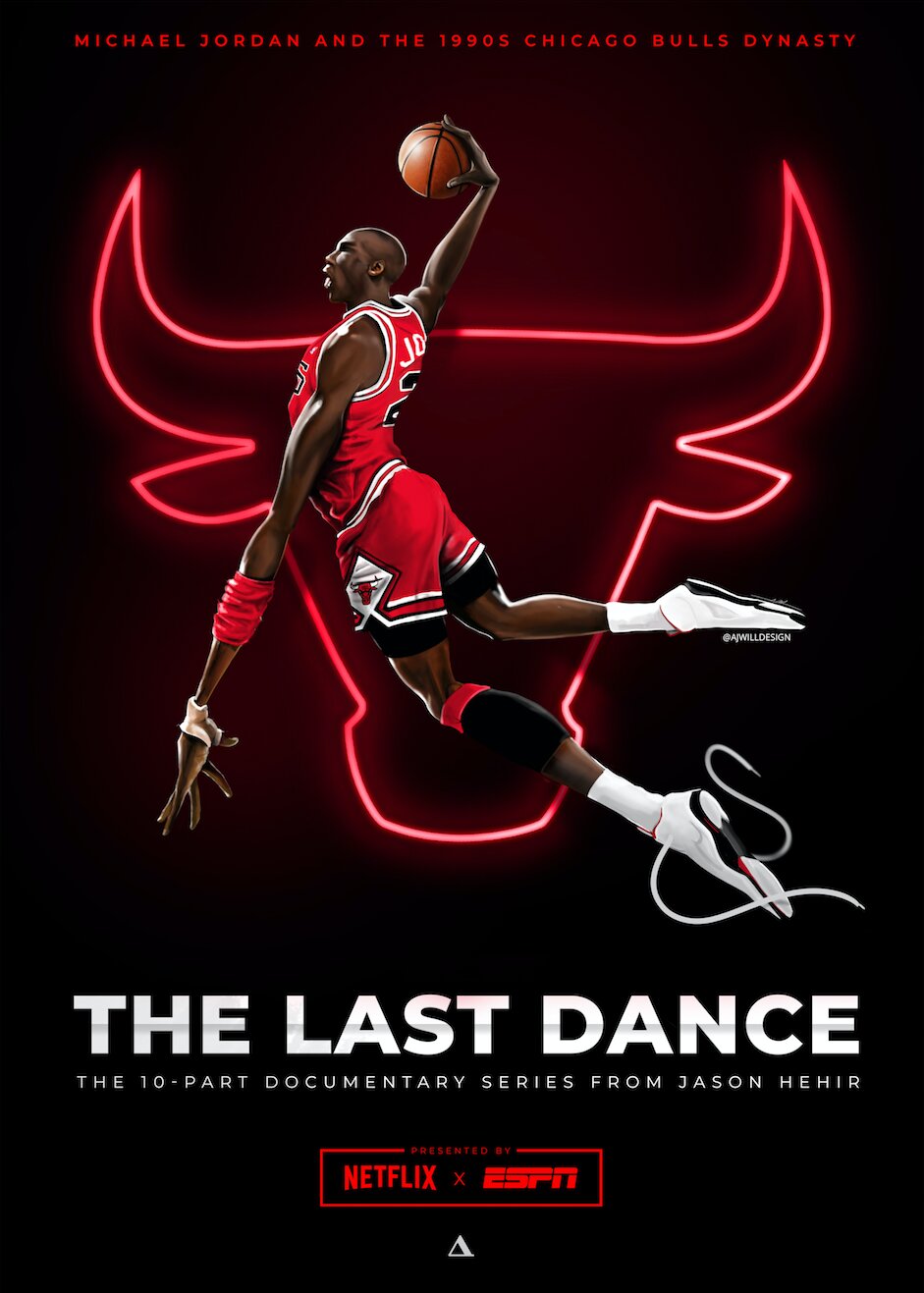
The Last Dance2020
A miniseries following a man's final weeks before execution, examining his life, crimes, and the machinery around capital punishment. Thoughtful and genuinely unsettling without being sensational.
But It's slow and deliberately paced. There's no investigation to carry suspense—it's an examination of state killing, which demands patience from you.
Not sure tonight? Get a pick in a minute, starting from Fourteen Days in May
The wildcard
Something you would not have found on your own.
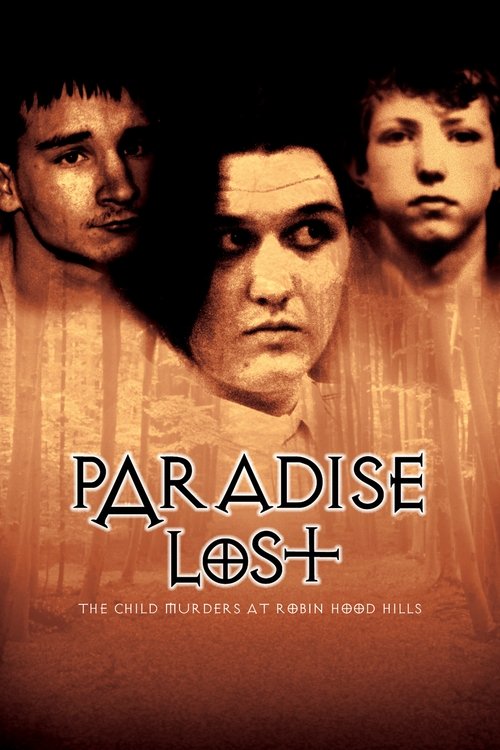
Paradise Lost: The Child Murders at Robin Hood Hills1996
Both are intimate portraits of men on death row during their final fight for freedom, constructed from interviews, footage, and legal attempts. Both trust the viewer to sit with doubt.
Three young men convicted of murdering children in Arkansas. The documentary trilogy follows their case for 18 years, watching the legal machinery grind. Visually stunning, narratively heartbreaking, and it will change how you see justice.
But It's three films totaling over six hours. The first alone is a commitment, and you'll finish it knowing less than when you started. That uncertainty is the point, but it's frustrating.
More like this (4)
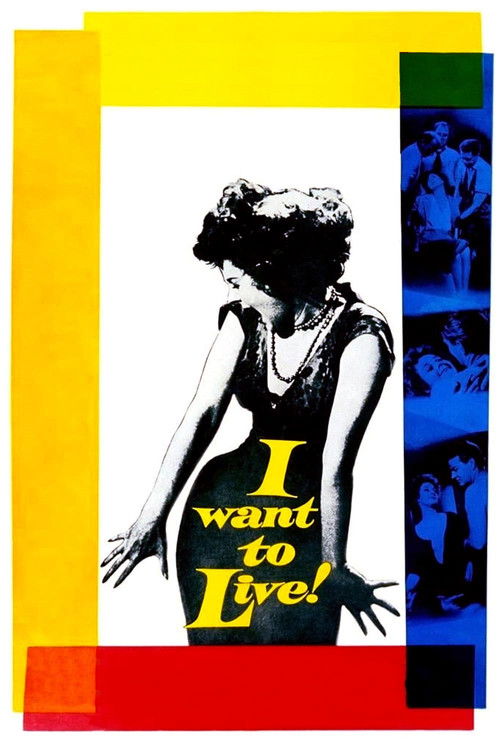
I Want to Live!1958
Susan Hayward in a stark drama about a woman facing execution for a crime she didn't commit. Made decades before wrongful conviction became a conversation, it's a historical record of indifference.
But It's a 1950s Hollywood film, so the narrative wraps tighter than real life does. Some artificiality will show through if you're watching closely.
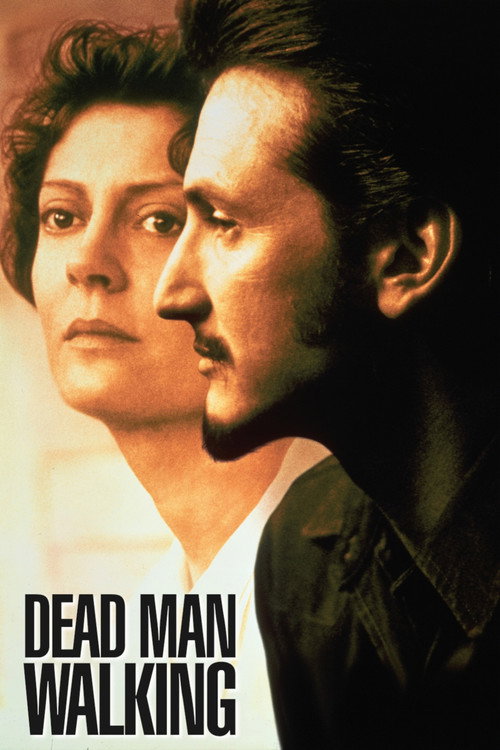
Dead Man Walking1995
Sean Penn and Susan Sarandon in Tim Robbins's meditation on capital punishment, faith, and the humanity of the condemned. Morally complex without being preachy. A career-best for Penn.
But It centers the humanity of the man on death row, which can feel like it asks for sympathy in a way some viewers find difficult or wrong.
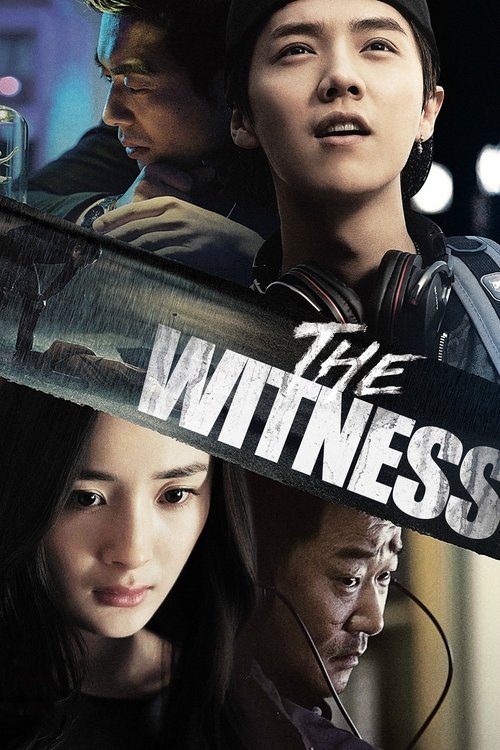
The Witness2015
A documentary following a man reexamining a decades-old murder case he witnessed. Propulsive and genuinely gripping—it's a mystery that deepens the more you look.
But It's primarily about one man's quest for answers rather than a broader indictment of the system, so it's narrower in scope than some might want.
Memories of Murder2003
Both examine the machinery of state power and culpability—how systems designed to protect us often condemn the innocent. Both ask you to bear witness to something you can't fix.
Bong Joon-ho's masterpiece: a serial killer investigation in 1980s South Korea where the police are as corrupt as they are desperate. Visually brilliant, morally ambiguous, and devastating about systems that fail the innocent.
But It's a Korean film with subtitles, a police procedural rather than a death row story, and it ends without providing the justice or closure you crave. It's also darkly funny, which might feel wrong.

People
Cast
- Clive Stafford SmithHimself
Directing
- Paul HamannDirector
Writing
- Paul HamannWriter
Production
- Jenny BarracloughExecutive Producer
- Paul HamannProducer