
Television series
The Arsenio Hall Show
- Comedy
- Light-hearted
- Dip in and out
Arsenio Hall's late-night show was the first major talk show hosted by a Black performer, introducing American audiences to breakout talent while challenging the genre's formula. Energetic, spontaneous, and genuinely curious about its guests, it launched careers and became an cultural force—a place where comedy, music, and politics felt alive.
Should you watch it?
Watch it if you enjoy loose, unscripted late-night chaos where a host's easy charm and the audience's energy do most of the work, and you like seeing a comic's personality drive the room.
Skip it if you want tight writing, polished sketches or a steady format; this is a loose live talk show of its era, with the rambling and uneven pacing that such programs carry.
What it asks of you: Each episode runs about an hour and moves in conversational stretches, so you give it an evening's attention in bites rather than sustained focus, and you accept its shifting rhythm.
Not sure? Find tonight's pick in a minute.
If you liked this
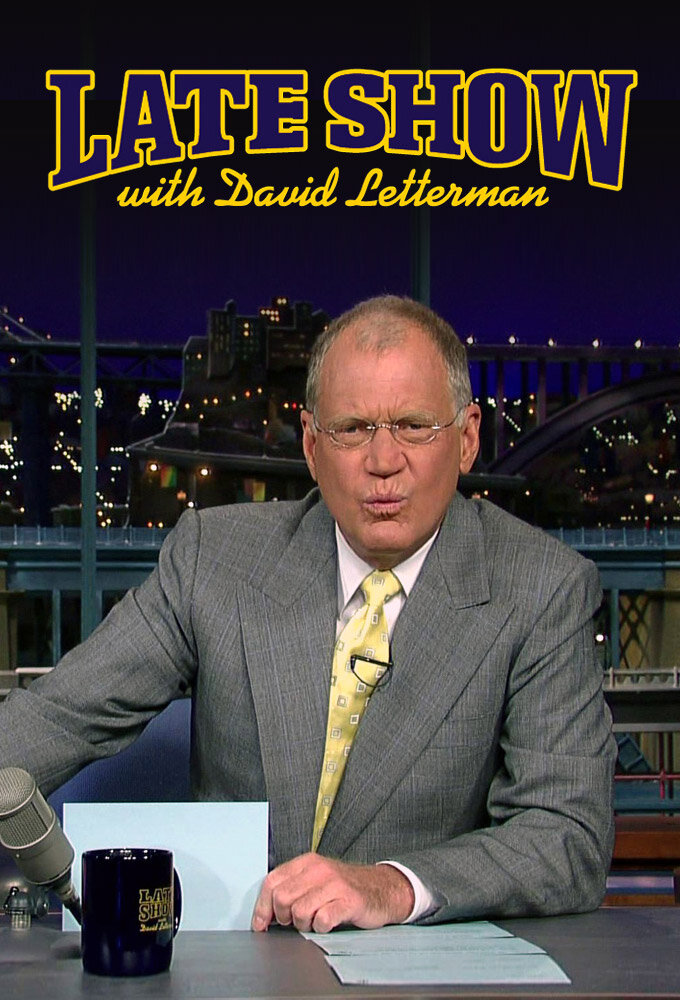
The Late Show with David Letterman1993
The gold standard of '90s late-night: Letterman's irreverent humor and willingness to surprise guests with absurdist bits shaped an entire generation of talk-show comedy. Sharp writing meets genuine unpredictability.
But The show's relentless irony can feel cold. Letterman sometimes mocked guests rather than connecting with them, and the comedy-first approach occasionally buried the actual conversation.
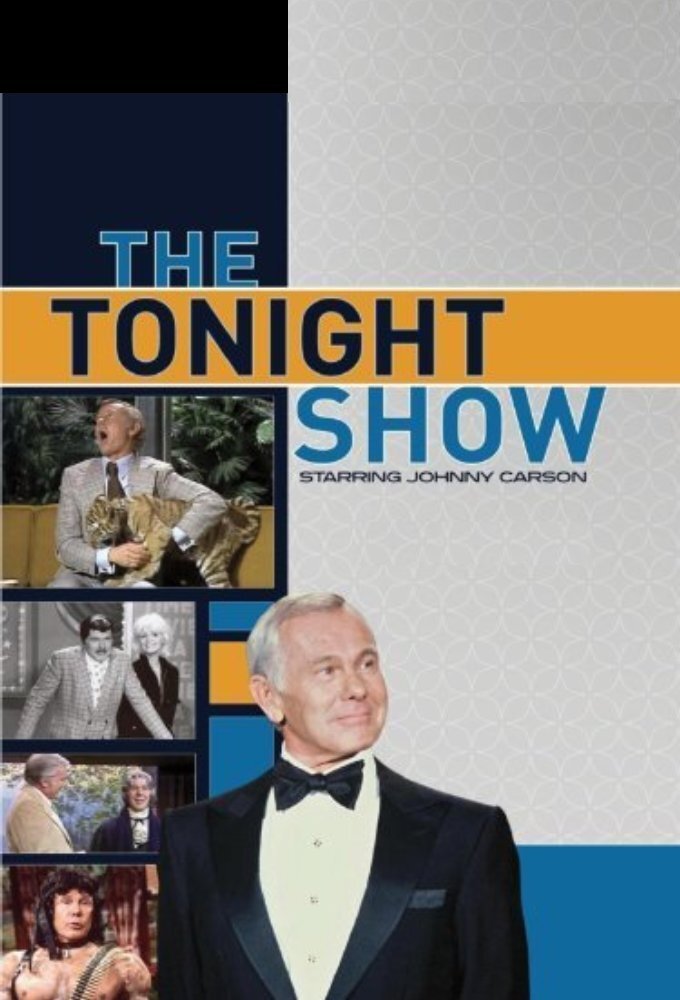
The Tonight Show Starring Johnny Carson1962
The template for everything that came after: Carson's calm authority, impeccable timing, and ability to make strangers feel at ease defined what late-night could be. A masterclass in talk-show hosting across three decades.
But The pacing is deliberate by modern standards. Without the adrenaline of Arsenio's energy, some segments feel padded, and the pre-cable aesthetic can feel remote.
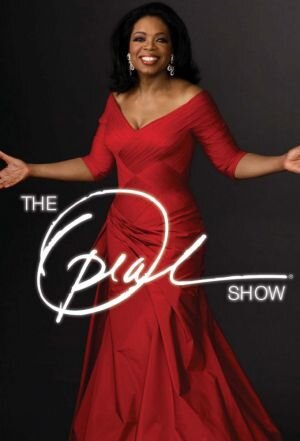
The Oprah Winfrey Show1986
Oprah brought genuine empathy and emotional depth to daytime television, creating a format where real connection mattered more than zingers. She proved audience intimacy could be ratings gold.
But The show's later seasons leaned heavily into celebrity worship and consumerism. Early episodes have better pacing; later ones can feel self-congratulatory.
Not sure tonight? Get a pick in a minute, starting from The Arsenio Hall Show
The wildcard
Something you would not have found on your own.
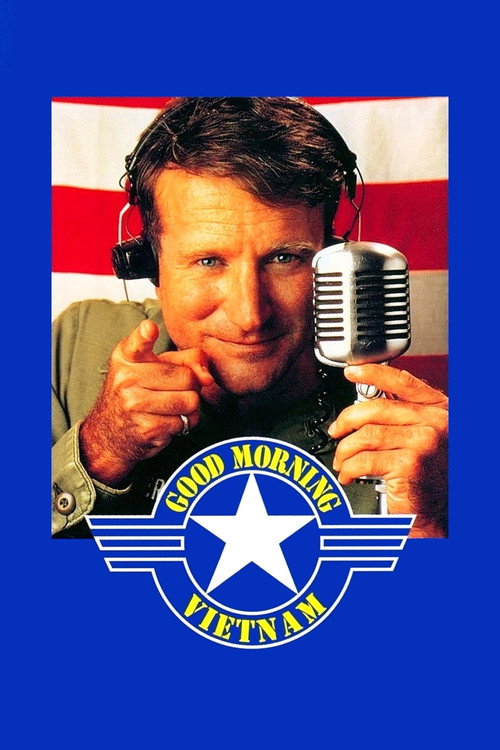
Good Morning, Vietnam1987
Both celebrate the power of a compelling voice and personality to reshape a space—whether a radio station or late-night television. The infectious energy of someone refusing to play by established rules.
Robin Williams as a DJ in 1965 Saigon: riffing on-air, energizing his audience, bulldozing through bureaucracy with charm and talk-radio spontaneity. It captures what made Arsenio's infectious enthusiasm feel revolutionary.
But The film softens a brutal war into a romantic backdrop. Its politics are ultimately optimistic to the point of evasion, which can feel glib.
More like this (8)
Late Night with Conan O'Brien1993
Conan inherited Letterman's slot with a completely different sensibility: absurdist, theatrical, genuinely weird. He proved you could be strange and popular, intellectual and hilarious.
But The jokes often prioritize cleverness over connection. Some sketches go nowhere intentionally, which is precisely the point—but not everyone enjoys structured chaos.
Saturday Night Live1975
The live chaos and genuine risk of SNL creates a different energy than taped talk shows. Every episode could crater; that possibility makes the successes land harder.
But The hit-to-miss ratio is real. Sketches run long, musical guests aren't always to taste, and a bad host can tank an entire episode.
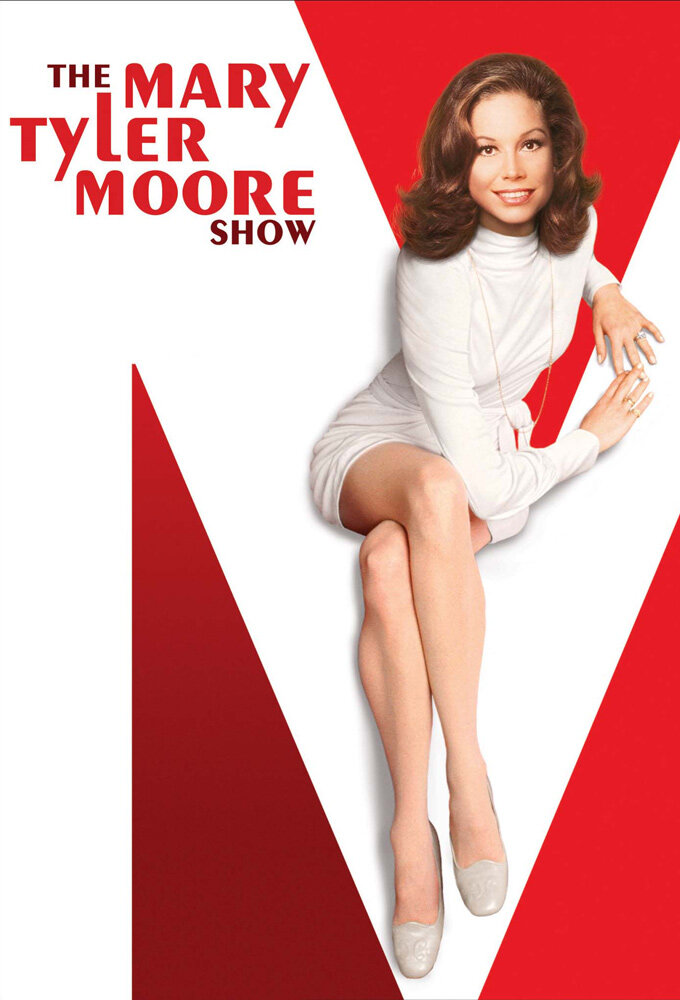
The Mary Tyler Moore Show1970
A sitcom about television production that understood workplace dynamics and character development better than anything before it. Sharp, warm, and structurally innovative.
But It's a studio sitcom with a laugh track. If the '70s sitcom format irritates you, no amount of quality writing will fix it.
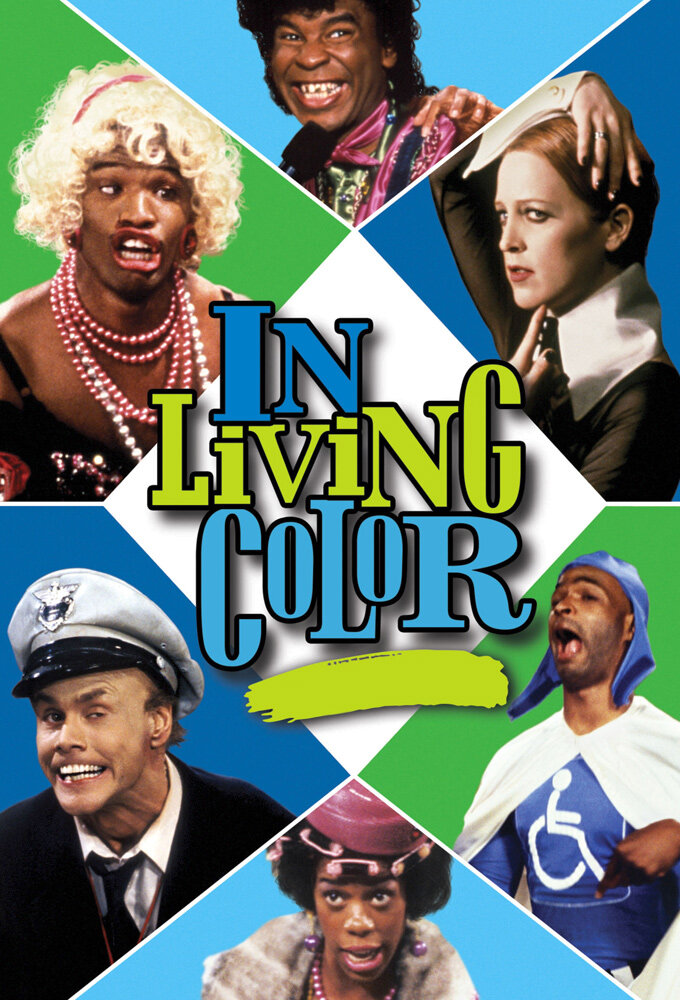
In Living Color1990
Keenen Ivory Wayans created a sketch show that felt urgent and dangerous in ways network TV wasn't. The writing was consistently better than SNL's, and it launched enormous careers.
But Some sketches haven't aged well; the show's cutting edge occasionally became just crude. The pacing can feel uneven across a full episode.
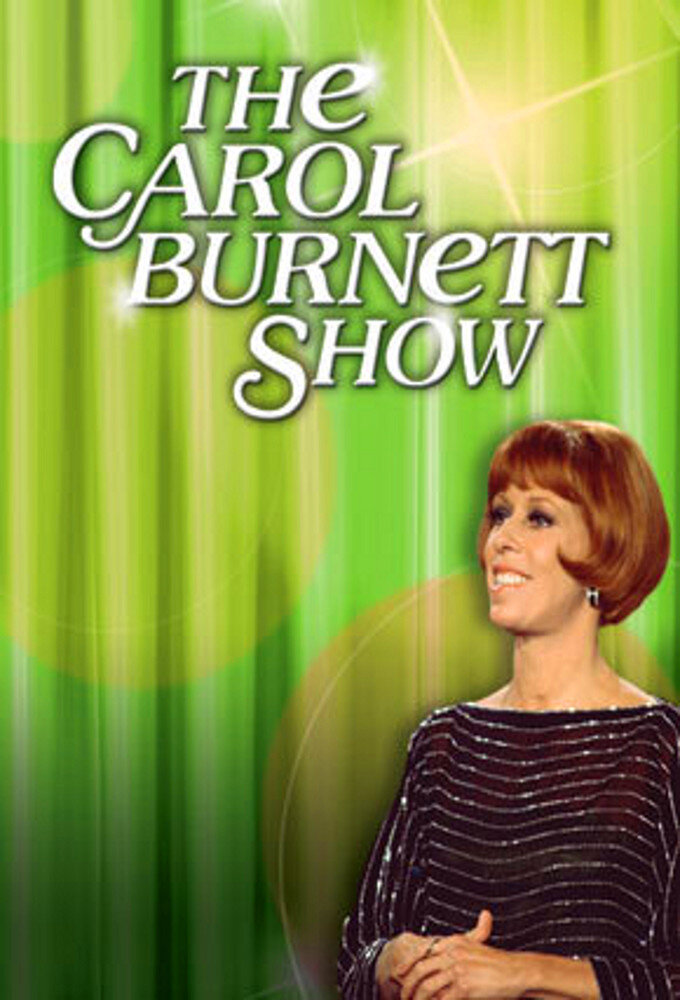
The Carol Burnett Show1967
Variety television at its absolute peak: sketch comedy that prioritized character and emotion, not just punchlines. Burnett's warmth and the ensemble's trust in each other created genuine magic.
But The format is dated. If you need high-concept structure rather than character moments, the show can feel shapeless and slow.
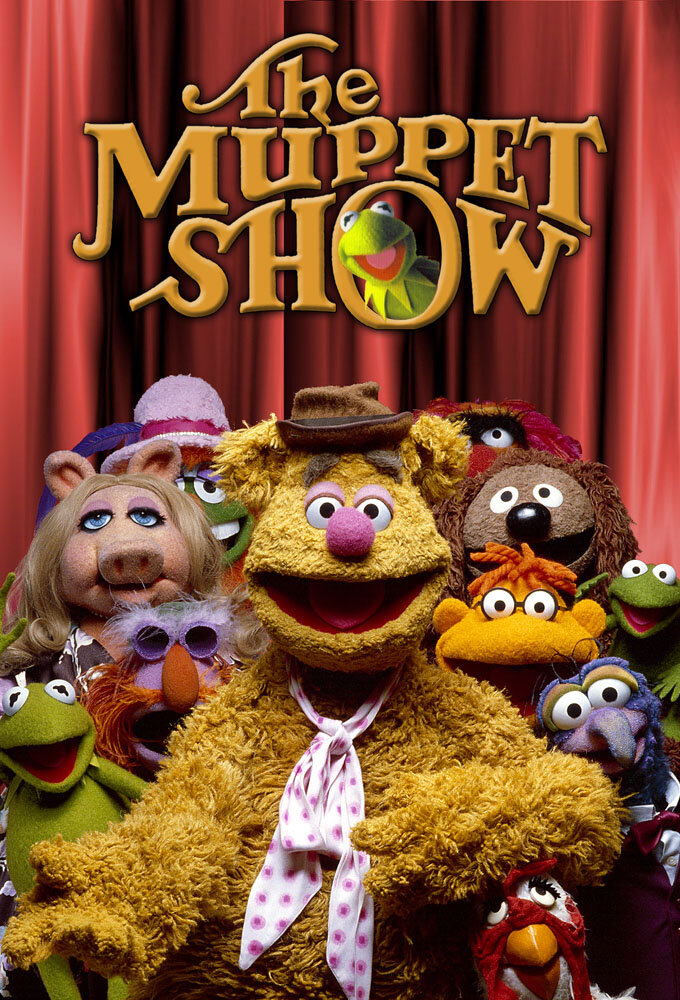
The Muppet Show1976
Jim Henson created the ultimate variety format: celebrity guests performing alongside absurdist puppets in a theater that barely held together. It's pure joy and creative confidence.
But Some musical numbers lag. The show's relentless cheerfulness isn't for moods when you need irony or edge.
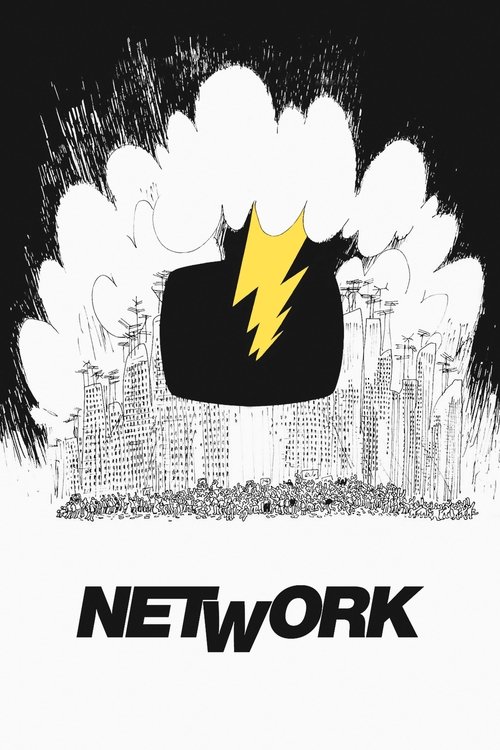
Network1976
Both explore how television made personalities into cultural forces—but Network shows the cost of that machinery. Where Arsenio embodied optimistic disruption, Network warns about what happens when ratings hunger consumes everything.
A savage satire about television's hunger for ratings and personality over substance. Peter Finch as a news anchor having a breakdown on live TV—a dark mirror of what made talk shows so powerful.
But It's bleak and furious, not fun. Paddy Chayefsky's dialogue is dense and occasionally heavy-handed; the film lectures more than it entertains.
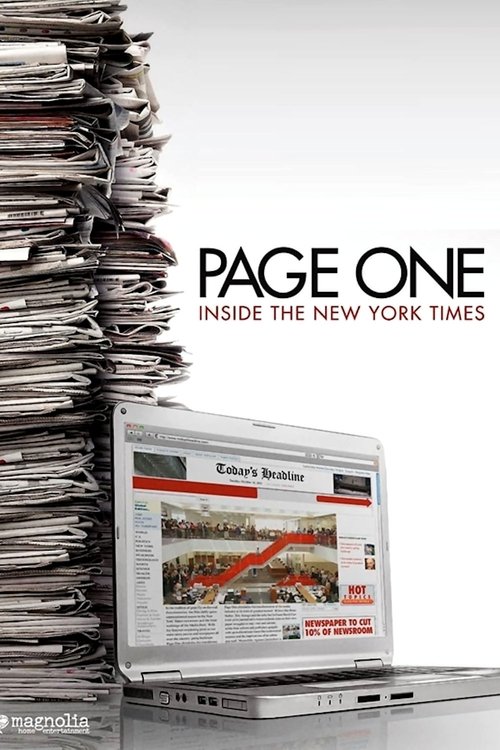
Page One: Inside the New York Times2011
Both are about live, spontaneous communication—what happens when you have to think and perform simultaneously. The documentary captures in journalism what Arsenio did nightly on television: the intensity of real-time consciousness.
A documentary following journalists during the 2010 financial crisis: you watch smart people thinking in real time, under pressure, about what matters. It has the spontaneity and urgency of great talk television.
But It's a newspaper documentary, not entertainment. The pacing is observational rather than shaped; you're watching work happen, not a story unfold.
People
Cast
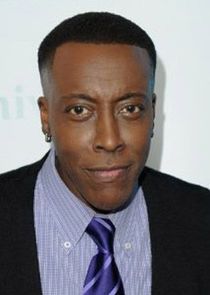 Arsenio HallHost