
Television series
Dr. Phil
- Dip in and out
Dr. Phil is a daytime talk show where psychologist Phil McGraw addresses personal crises and behavioral problems with blunt advice and confrontation. It's watchable as therapy-adjacent entertainment—armchair psychology with dramatic stakes—aimed at people curious about other people's mess and how an authority figure handles it.
Should you watch it?
Watch it if you like confrontational talk formats where a host pushes a guest hard on their own choices, and you enjoy hearing blunt advice delivered with plenty of conviction and very little hand-wringing.
Skip it if you find on-air confrontation and loud certainty grating, or you want a show that treats its guests gently; the format is a steady stream of hard questions and firm verdicts.
What it asks of you: Each episode runs about an hour and is built around a single guest's problem, so it asks you to sit through long stretches of talk, with the same rhythm returning day after day across many seasons.
Not sure? Find tonight's pick in a minute.
If you liked this
Intervention2005
Follows real families wrestling with addiction across multiple episodes, offering genuine stakes and slow-motion transformation. The format gives you time to actually care about whether someone recovers.
But Extremely heavy. Long stretches of addiction and enabling with no guarantee of happy endings. You're watching real suffering, not performance.
Hoarders2009
Clinical documentation of hoarding disorder paired with practical intervention and cleanup. Morbidly fascinating without exploitation—it respects the complexity behind the chaos.
But Relentlessly depressing and sometimes graphic. The problems often return. If mess triggers you, this will test that.

Behind the Music1997
Psychologically astute documentary series examining how fame, trauma, and ambition collide in musicians' lives. Genuinely moving in ways Dr. Phil's format cannot achieve.
But Dated production values and a few subjects feel exploited in retrospect. The 90s earnestness is very much on display.

Not sure tonight? Get a pick in a minute, starting from Dr. Phil
The wildcard
Something you would not have found on your own.
The Staircase2022
Both promise to untangle human behavior, but Staircase shows how elusive that actually is. Where Dr. Phil offers answers, Staircase documents how fragile answers really are.
HBO's forensic documentary explores whether a man killed his wife or she fell down stairs. It's psychology in real time—the court, the media, the family trauma, competing narratives—without anyone performing wisdom. You watch a system fail.
But Thirteen episodes is a commitment. The case remains unsolved, so there's no cathartic resolution. Grueling and genuinely ambiguous.
More like this (8)
60 Minutes1968
Investigative journalism that actually digs—into criminal psychology, medical mysteries, institutional failure. Real accountability and reporting, not advice-giving.
But Can feel dry and self-serious. Not designed to be entertaining; it's designed to inform, which is a different thing.
The Oprah Winfrey Show1986
The template Dr. Phil followed but with genuine emotional intelligence and curiosity. Oprah actually listens; the transformation feels earned rather than performed.
But Twenty seasons deep is a lot. Some episodes feel dated. The mythology around Oprah's wisdom can be cloying.

Dateline NBC2012
Mystery-driven storytelling about real crimes and moral dilemmas. Slower pacing than network news allows for actual character and context.
But True crime format can feel sensationalist. Some stories are deeply grim. The production occasionally melodramas real trauma.
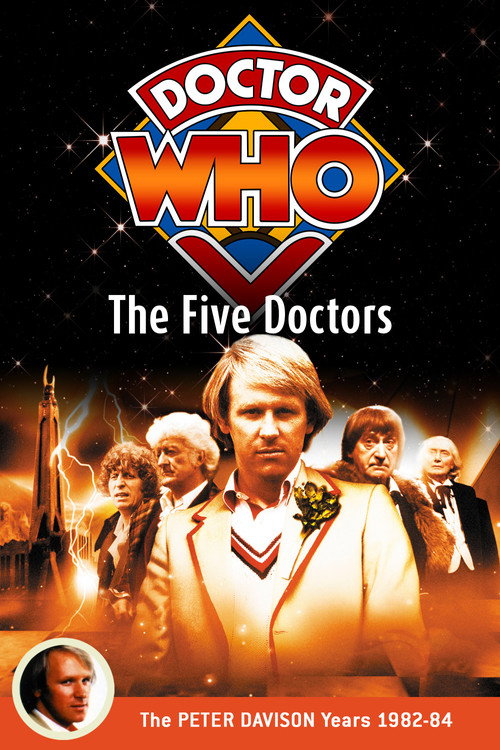
Doctor Who: The Five Doctors1983
Medical talk show with actual physicians discussing health issues. More factual than advice-driven, which feels like a corrective to the Dr. Phil model.
But Less dramatic. If you want confrontation and personality over information, this will feel flat.
Judge Judy1996
Conflict resolution by someone with actual authority and wit. Faster paced, genuinely funny, and the stakes are real (money judgments).
But Court cases are often petty. The format is rigid. Judge Judy's persona wears on some people quickly.

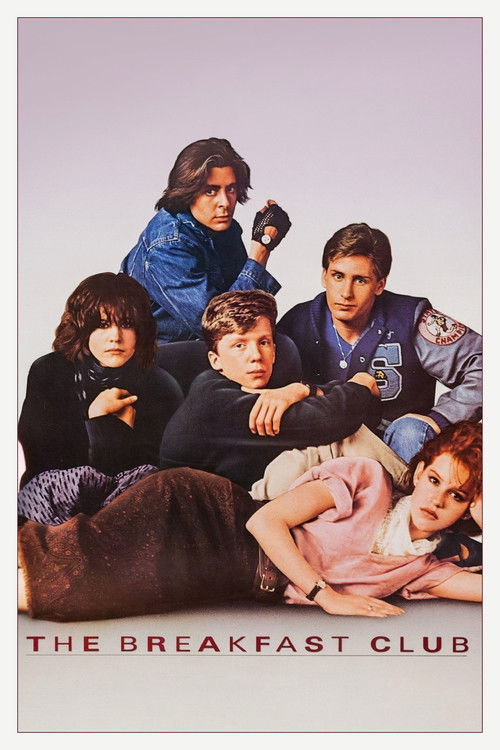
The Breakfast Club1985
Teenagers confessing their actual selves to each other under authority pressure. It's what real psychology looks like—messy, non-linear, transformative through connection rather than diagnosis.
But Dated soundtrack and fashion. The gender politics haven't aged brilliantly. At 97 minutes it's efficient, but some find it slow.
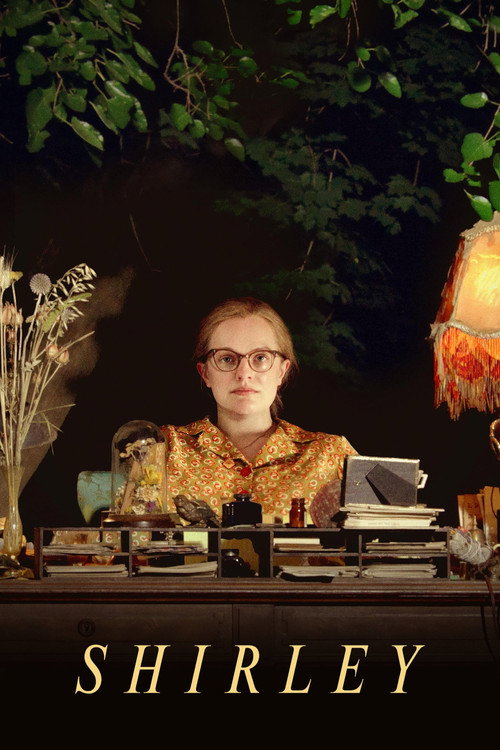
Shirley2020
Both excavate psychology, but Shirley rejects the idea that it can be neatly explained or solved. It's the artistic version of the opposite impulse.
Elizabet Moss as novelist Shirley Jackson, mentally unraveling while trying to understand evil and conformity. It's a psychological portrait—cinema about how the mind actually breaks—not psychology as entertainment.
But Deliberately abstract and claustrophobic. No catharsis. Disturbing and slow, with no one learning anything or getting fixed.
Synecdoche, New York2008
Where Dr. Phil assumes psychology can be accessed through conversation, Synecdoche argues the self is too strange to fully know or explain. It's the opposite faith.
Charlie Kaufman's film about a director building a life-sized replica of New York inside a warehouse—a portrait of obsession, mortality, and meaning collapse. It's genuinely about the psychology of creation and failure, not diagnosis.
But Bewilderingly dense and formally difficult. Some find it pretentious. It will not make you feel better. It will make you feel something harder to name.

People
Cast
Writing
- Oprah WinfreyCreator
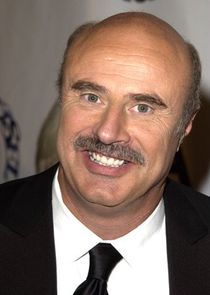
- Phil McGrawCreator
Production
- Carla PenningtonExecutive Producer
- Phil McGrawExecutive Producer