
Television series
Hoarders
Hoarders documents real people living in severe accumulation, working with psychologists and cleaners to excavate homes and lives. It's unflinching and occasionally heartbreaking, touching on loss, trauma, and the physical manifestation of mental illness. For people fascinated by transformation, the psychology of attachment, or simply unable to look away from extremity.
Should you watch it?
Watch it if you want patient, human observation of compulsion and recovery, where the mess is the backdrop and the people are the point, and you don't mind sitting with discomfort while help slowly arrives.
Skip it if you need a tidy, fast-moving format or find real-life distress hard to watch, since episodes linger on people's worst days and the cleanup formula repeats across sixteen seasons.
What it asks of you: It asks for patience with a repeating shape, where each household's story unfolds in stages through dread, progress and setback, and the tone rarely lightens into relief.
Not sure? Find tonight's pick in a minute.
If you liked this
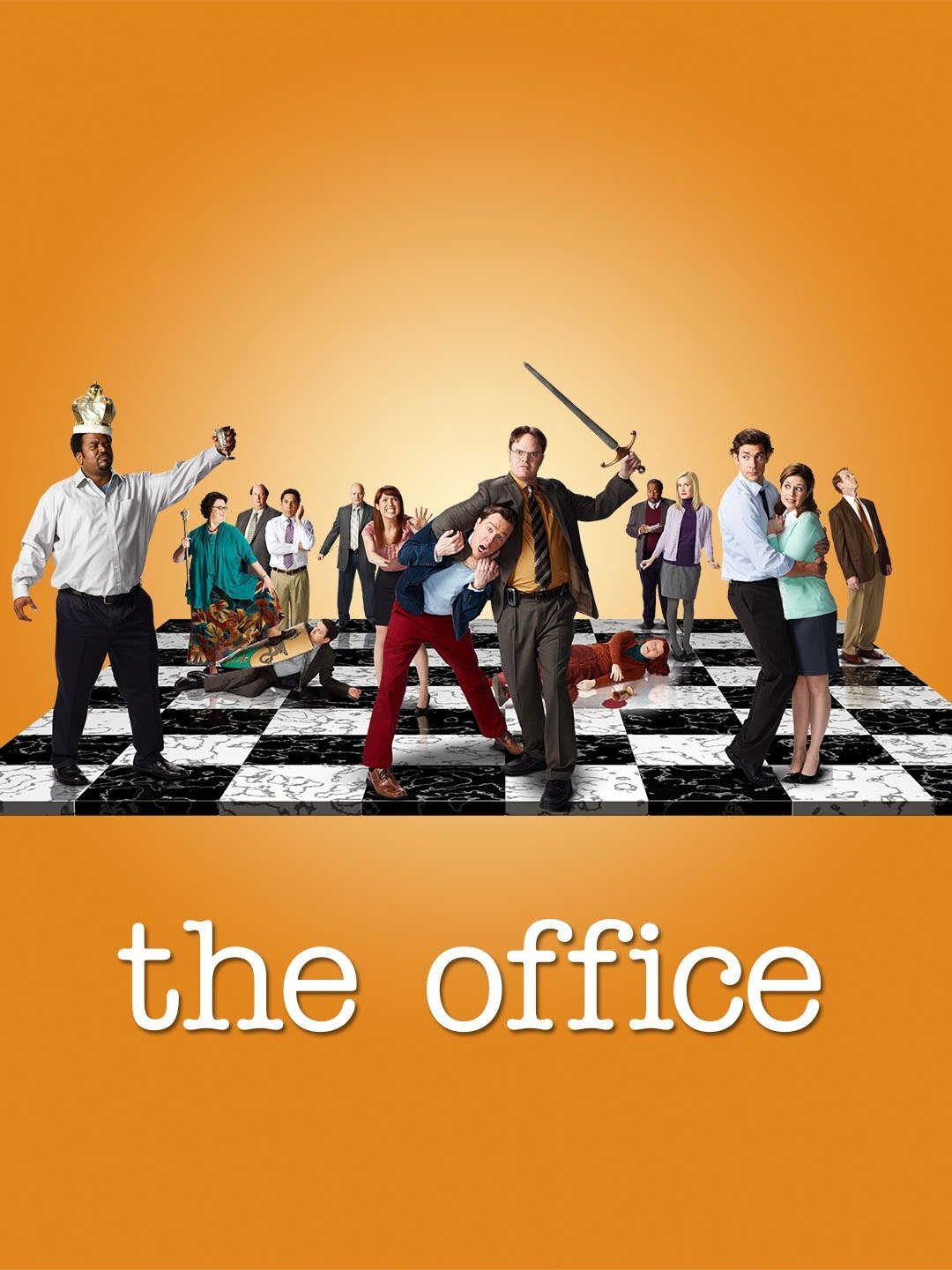
The Office2005
Observational comedy about ordinary people in mundane circumstances, finding pathos and humour in their specific struggles. The mockumentary format mirrors Hoarders' intimate, non-judgmental camera presence without the devastation.
But It's sitcom-broad in tone—nothing like the genuine suffering you'll see in Hoarders. The comedy might feel trivial by comparison.
Intervention2005
Another A&E documentary series following the same structure: meet the person, witness their crisis, bring in experts, attempt transformation. Same emotional architecture, different addiction. Equally gripping and raw.
But It can feel repetitive if you watch many episodes back-to-back. The format doesn't vary much season to season.
My 600-Lb. Life2012
Follows people battling extreme weight gain with similar documentary intimacy. Same question asked repeatedly: will they change? Same mixture of compassion and difficult truth about human struggle.
But The subject matter is relentless. If Hoarders exhausted you, this won't feel like relief.

Not sure tonight? Get a pick in a minute, starting from Hoarders
The wildcard
Something you would not have found on your own.
Grey Gardens1976
Both films observe extreme domestic chaos without sensationalising. Both reveal how environments become both prison and fortress. Grey Gardens asks the question Hoarders keeps asking: what keeps someone here?
Landmark documentary of two reclusive women living in filth and decay in a decaying mansion. The original, unfiltered ancestor of shows like Hoarders—unsettling, compassionate, visually hypnotic. Essential cinema.
But Shot in 1975 on 16mm in real time, it's slow and formally strange. No narration, no experts, no neat resolutions. Pure observation can feel aimless if you want structure.

More like this (5)
Tidying Up with Marie Kondo2019
The inverse—people choosing to declutter with a gentle guide. Surprisingly moving in how it reveals what objects mean to people, the emotional archaeology that Hoarders explores from the other direction.
But It's calming and almost meditative. If you're drawn to Hoarders' darkness and urgency, this might feel saccharine.

Minimalism: A Documentary About the Important Things2015
Explores why we accumulate and what happens when we don't. Philosophical where Hoarders is visceral, but both grapple with the meaning of stuff.
But It's cheerful and aspirational. The opposite emotional temperature from Hoarders' struggle and desperation.
The Toys That Made Us2017
Documentary series about collections—why humans accumulate specific things, what these objects mean culturally and personally. Hoarding's distant, funnier cousin.
But Celebratory rather than cautionary. If you watch Hoarders for the cautionary tale, this won't scratch that itch.

Diagnosis2019
Medical documentary following Dr. Lisa Sanders solving mysterious illnesses. Same intimate, problem-solving structure—person + expert + will they improve? Different stakes, same narrative tension.
But Medical cases don't carry the same emotional weight as psychological breakdown. It's more intellectual than gut-wrenching.

Possession1981
Both use physical space as a portrait of interior collapse. Possession turns hoarding into horror-movie language, but the root is the same: people living inside the manifestation of their own minds.
Surreal psychological horror about a marriage dissolving into chaos—clutter, obsession, things spiralling beyond control. Uses visual accumulation as metaphor for mental breakdown. Deeply weird and visually stunning.
But It's deliberately difficult and abstract. If you want reality, this is nightmarishly stylised. The plot is intentionally opaque.

Recommended by
Intervention, Extreme Couponing, 1000 Ways to Die, Salvage Hunters, Get Organized with The Home Edit, Secret Life of a Vegas Casino, Flipping Out, Interior Therapy with Jeff Lewis, Parking Wars, Dr. Phil, Room Raiders, Restoration Garage