Television series
Parking Wars
- Crime
- Dip in and out
A fly-on-the-wall documentary following parking enforcement officers in Philadelphia and Detroit as they issue citations, boot cars, and tow vehicles. It's oddly compelling conflict theatre—watching ordinary people do thankless work while angry citizens push back. For anyone who finds human drama in the everyday, or wants to understand why your neighbor is screaming at a clipboard.
Should you watch it?
Watch it if you enjoy watching people handle confrontation under pressure, where the fun comes from small human standoffs over a windshield and a parked car rather than from any plot.
Skip it if you want a story that builds toward something, since each episode is a loose run of unrelated tickets and tows with little continuity and the arguments can repeat in shape.
What it asks of you: Half an hour per episode with no serialized thread to hold onto, so you can drop in and out easily, though it runs to seven seasons if you get hooked.
Not sure? Find tonight's pick in a minute.
If you liked this
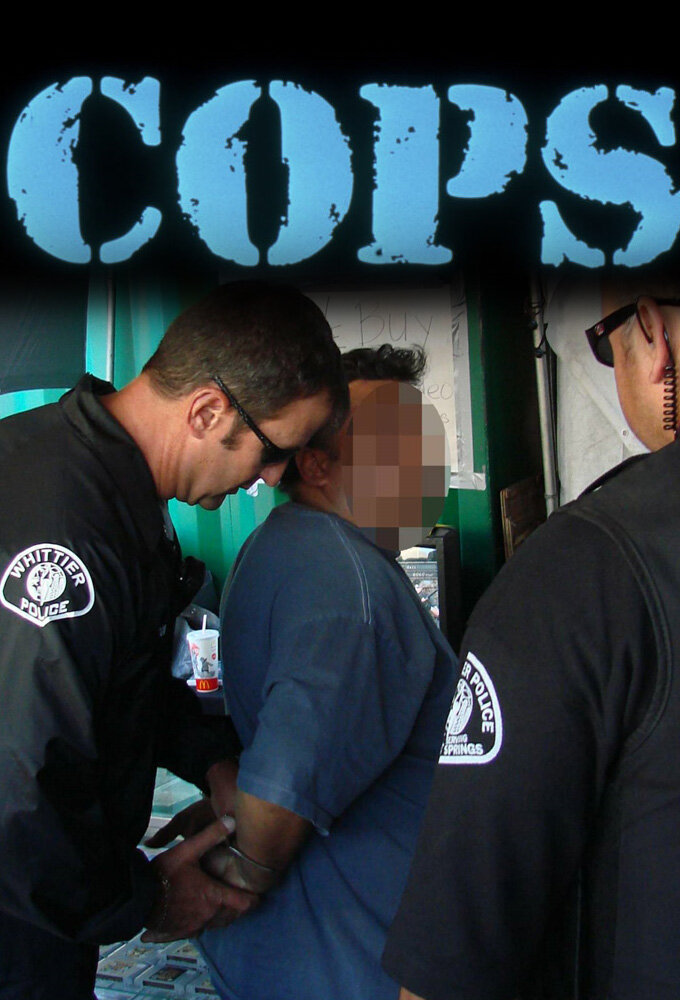
Cops1989
The obvious ancestor. Raw, unscripted footage of police responding to real calls creates the same jittery tension and dark humour that makes Parking Wars work. You watch ordinary situations escalate unpredictably.
But The show's relationship to law enforcement and how it frames certain communities has become genuinely complicated. It rewards a critical eye.
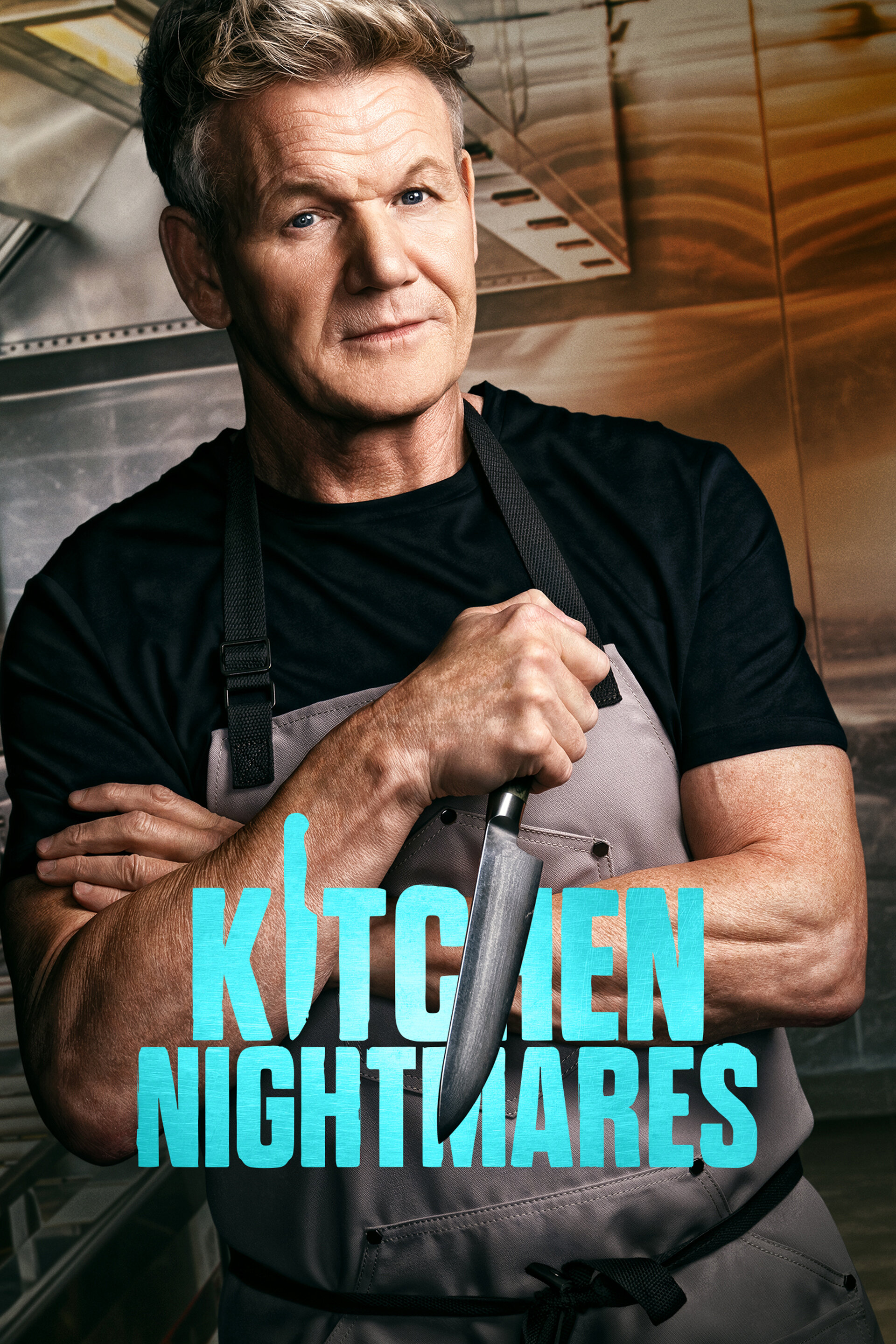
Kitchen Nightmares2007
Gordon Ramsay enters failing restaurants and forces confrontation. Like Parking Wars, it's built on the collision between authority and desperate resistance—but here the stakes feel slightly higher and the transformation matters.
But Ramsay's aggressive style wears thin fast. After three episodes you've seen the formula repeat, and it stops feeling like observation.
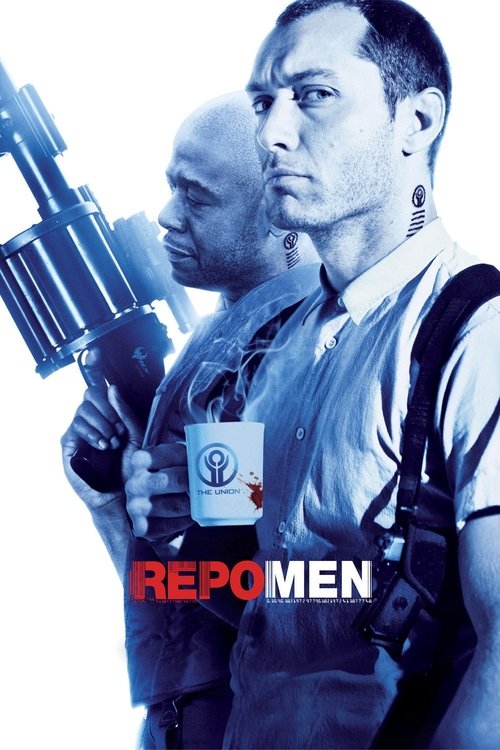
Repo Men2010
A feature film about repossession agents doing the work nobody wants to do. Same moral ambiguity, same question of whether the enforcement officer is hero or villain. Sharper and more focused than the series.
But It's deliberately bleak and ends on genuine unease. Not cathartic. Some people want their conflict resolved.
Not sure tonight? Get a pick in a minute, starting from Parking Wars
The wildcard
Something you would not have found on your own.
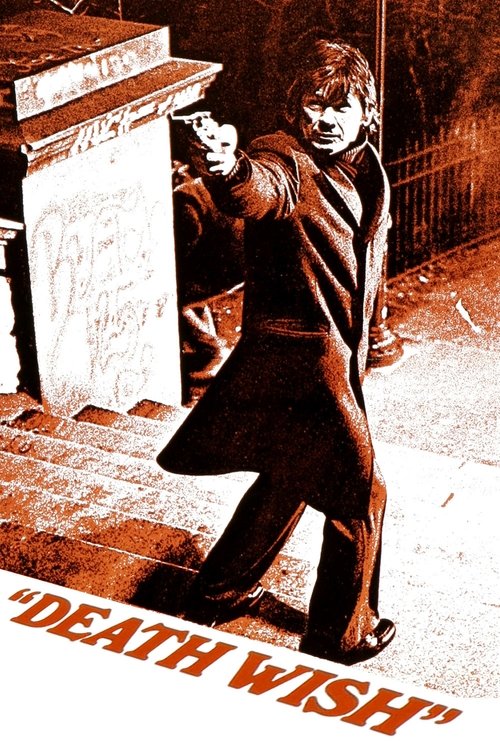
Death Wish1974
Both examine the moment when ordinary citizens stop accepting authority and what happens when they push back. Parking Wars films it from the enforcer's side; Death Wish films it from the civilian's. Same conflict, opposite camera.
Charles Bronson's architect takes justice into his own hands after a home invasion. It's a feature film that asks the same underlying question as Parking Wars: who decides what's fair? Who gets to enforce the rules? It's angrier and more violent, but structurally it's about the moment when ordinary people stop accepting the system.
But It's a 1974 vigilante film with real political baggage and a queasy relationship to violence. It does not endorse Bronson—or does it? The ambiguity is the point, but it's uncomfortable.
More like this (8)
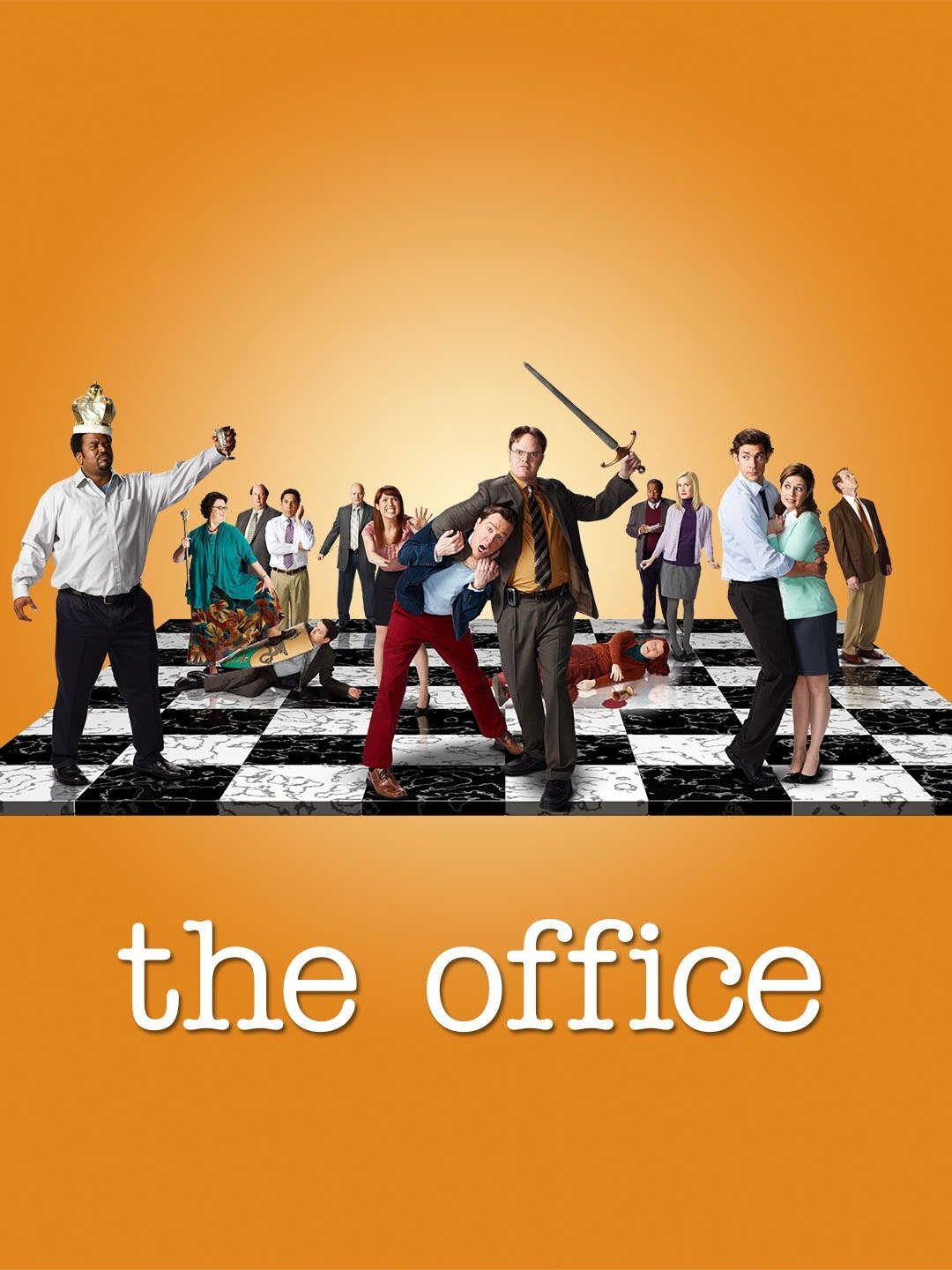
The Office2005
Not quite the same thing, but the mockumentary format observing workplace tedium and awkward human moments. Finds humour in the spaces between important things—exactly what Parking Wars does.
But American Office is uneven and eventually tires of its own format. The later seasons drift into sentiment.
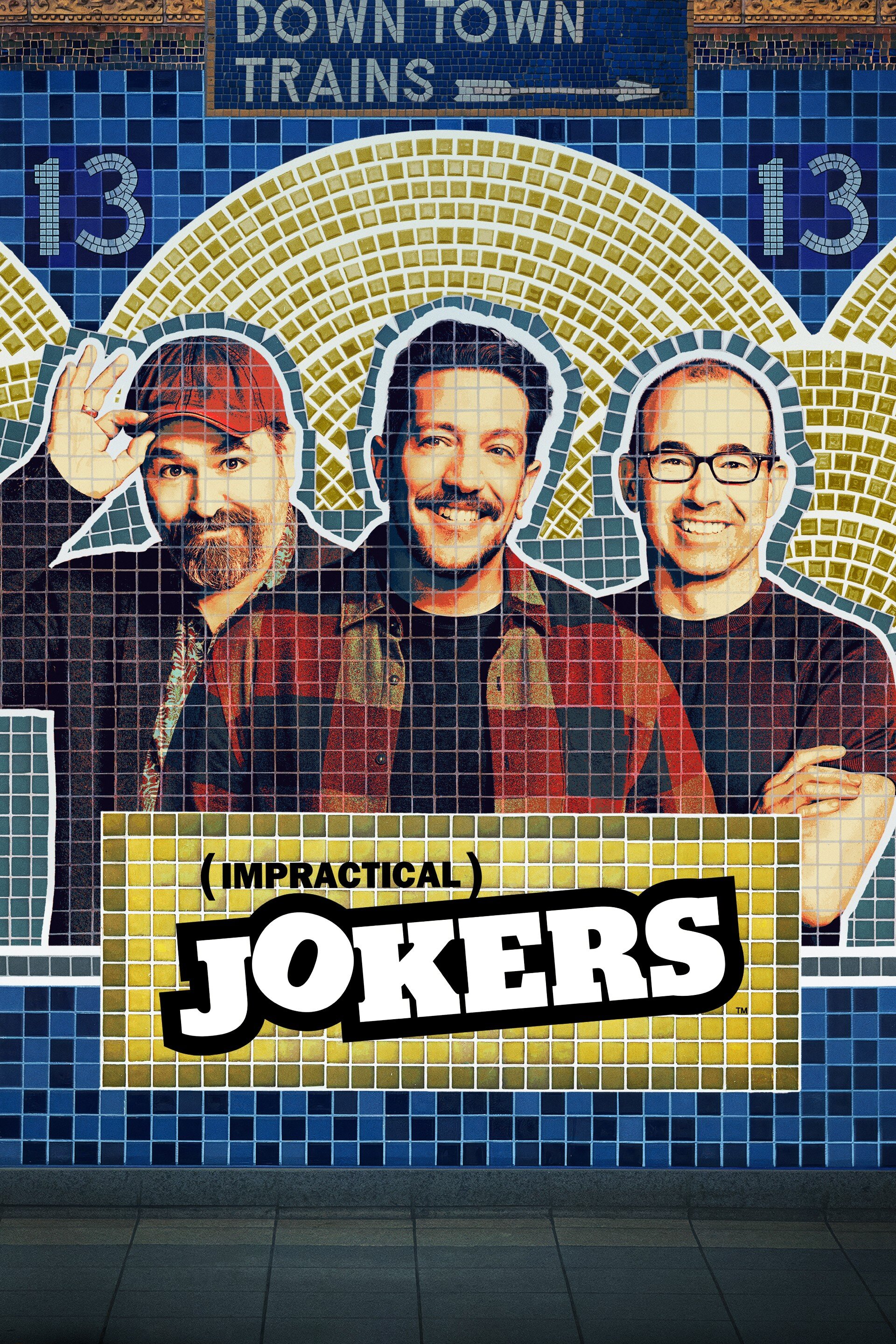
Impractical Jokers2011
Four men in public spaces creating chaos and discomfort. The appeal is similar—watching strangers react genuinely to unusual situations, catching the moment of confusion or anger before someone figures out what's happening.
But The show's entire appeal is pranks. If pranks bore you, there's literally nothing else here.
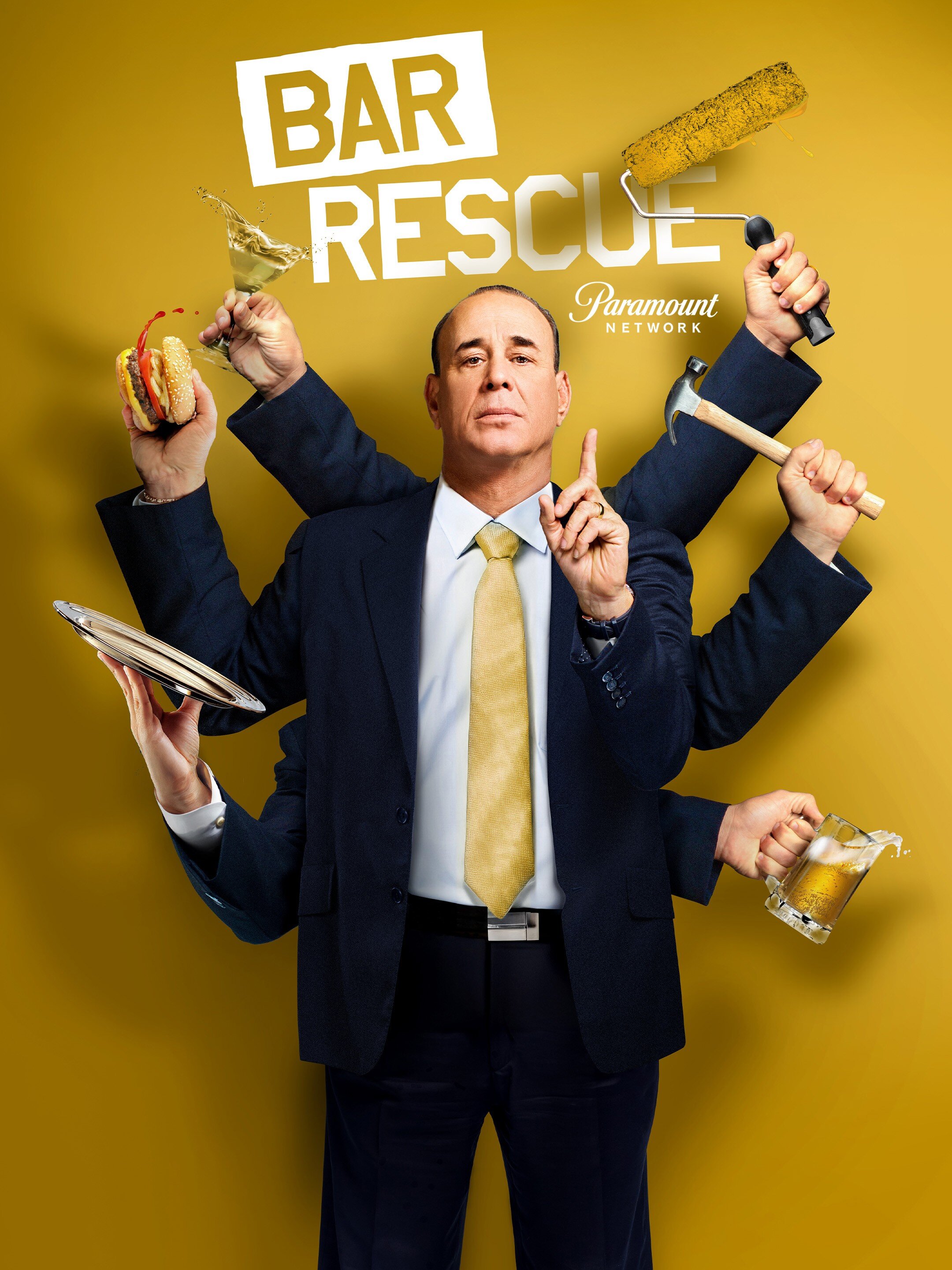
Bar Rescue2011
Jon Taffer fixes broken bars by confronting owners with hard truths. Real stakes, real frustration, real pushback from people who don't want to change. The conflict feels earned rather than manufactured.
But Taffer's intervention is essentially dictatorial. If you dislike watch-someone-fix-things shows generally, this won't convert you.
Undercover Boss2010
CEO works a day in their own company anonymously, then reveals themselves. Creates genuine awkwardness and unexpected moments of human connection. Like Parking Wars, it finds drama in the gap between authority and reality.
But The format is inherently artificial—everyone performs slightly differently knowing cameras are there. The big reveal moments feel engineered.
Hoarders2009
Documentary following people forced to confront impossible living situations. Real emotional stakes, genuine resistance, actual transformation. More serious than Parking Wars but from the same observational family.
But It's genuinely distressing to watch. Not light viewing, and some episodes are harder to shake than others.

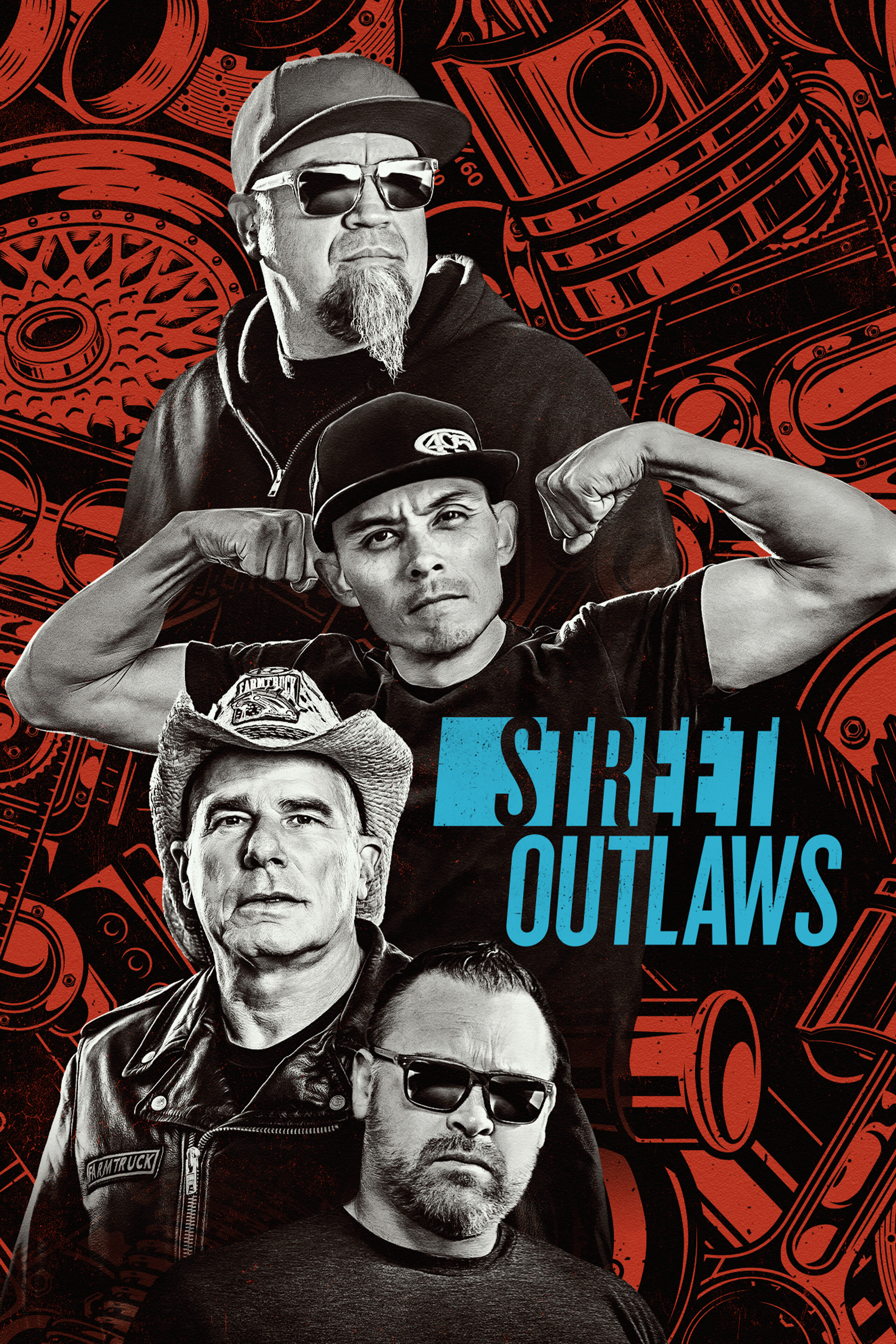
Street Outlaws2013
Underground racing culture, real stakes, people doing something illegal and dangerous. Has the same 'let's see what happens when we film actual conflict' energy, just with faster cars.
But It's repetitive and the editing is frantic. You need to be in the mood for it or it just looks like noise.
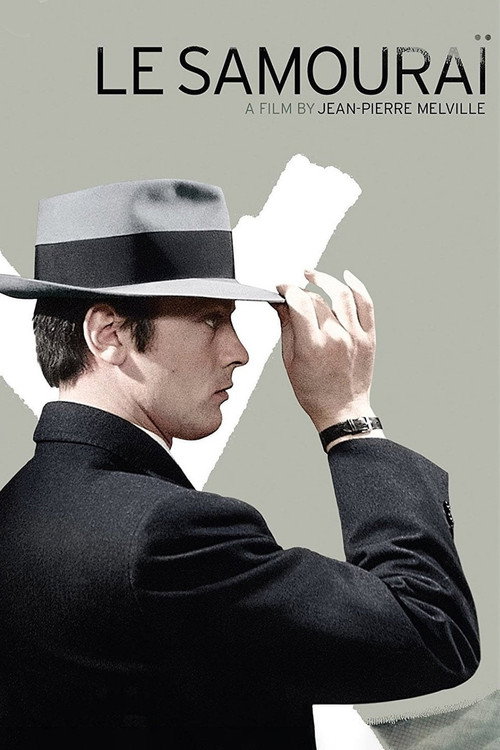
Le Samouraï1967
Like Parking Wars, it finds drama in the gap between a worker simply doing their assigned task and everyone else's reaction to that task. The job itself is morally neutral; everything else is interpretation.
A hitman does his job with methodical precision while everyone around him—police, employers, betrayers—tries to understand or stop him. It's a French New Wave thriller that's essentially about someone doing their job while everyone else finds it morally complicated. Hypnotic, minimal, perfect.
But There's almost no plot. It's 105 minutes of a man smoking, driving, and existing. If you need narrative momentum and dialogue, you'll find it glacially slow.
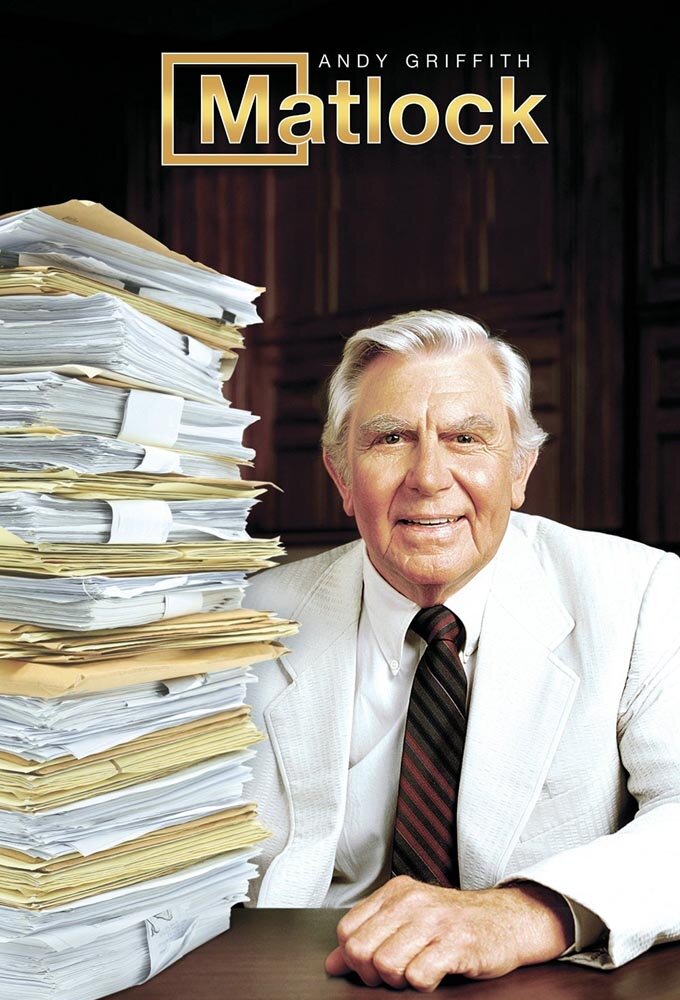
Matlock1986
Both find their drama in the confrontation between authority and resistance, but Matlock frames the authority figure as wise and ultimately right. Parking Wars leaves it ambiguous. It's the same show asking the opposite question.
Andy Griffith plays a folksy defense attorney who wins cases by finding the human truth everyone else missed. It's comfort television, but it's also obsessively interested in the moment when someone tells the truth under pressure. The stakes are higher than parking, but the narrative engine is identical.
But It ran for nine seasons and follows a formula that never changes. If you've seen three episodes, you've seen the shape of all of them. Some people need variety.