
Television series
Bar Rescue
- Workplace drama
- Dip in and out
Bar Rescue is a high-octane turnaround show where consultant Jon Taffer descends on failing bars to diagnose systemic problems and enforce radical change in a single makeover week. It's pure adrenaline—part intervention, part boot camp, part business clinic. Built for people who find disaster scenarios entertaining and want to believe a tough outsider can fix anything with enough yelling and spreadsheets.
Should you watch it?
Watch it if you like rescue formats where a bruised, failing business gets a hard-nosed overhaul, and you enjoy watching an operator's habits get picked apart piece by piece.
Skip it if you want characters who develop over a season, since each hour follows the same consultant-diagnoses-the-mess formula, and the reality-TV shouting can wear thin fast.
What it asks of you: An hour per sitting, and the template repeats so closely that you can dip in anywhere without losing the thread.
Not sure? Find tonight's pick in a minute.
If you liked this
Kitchen Nightmares2007
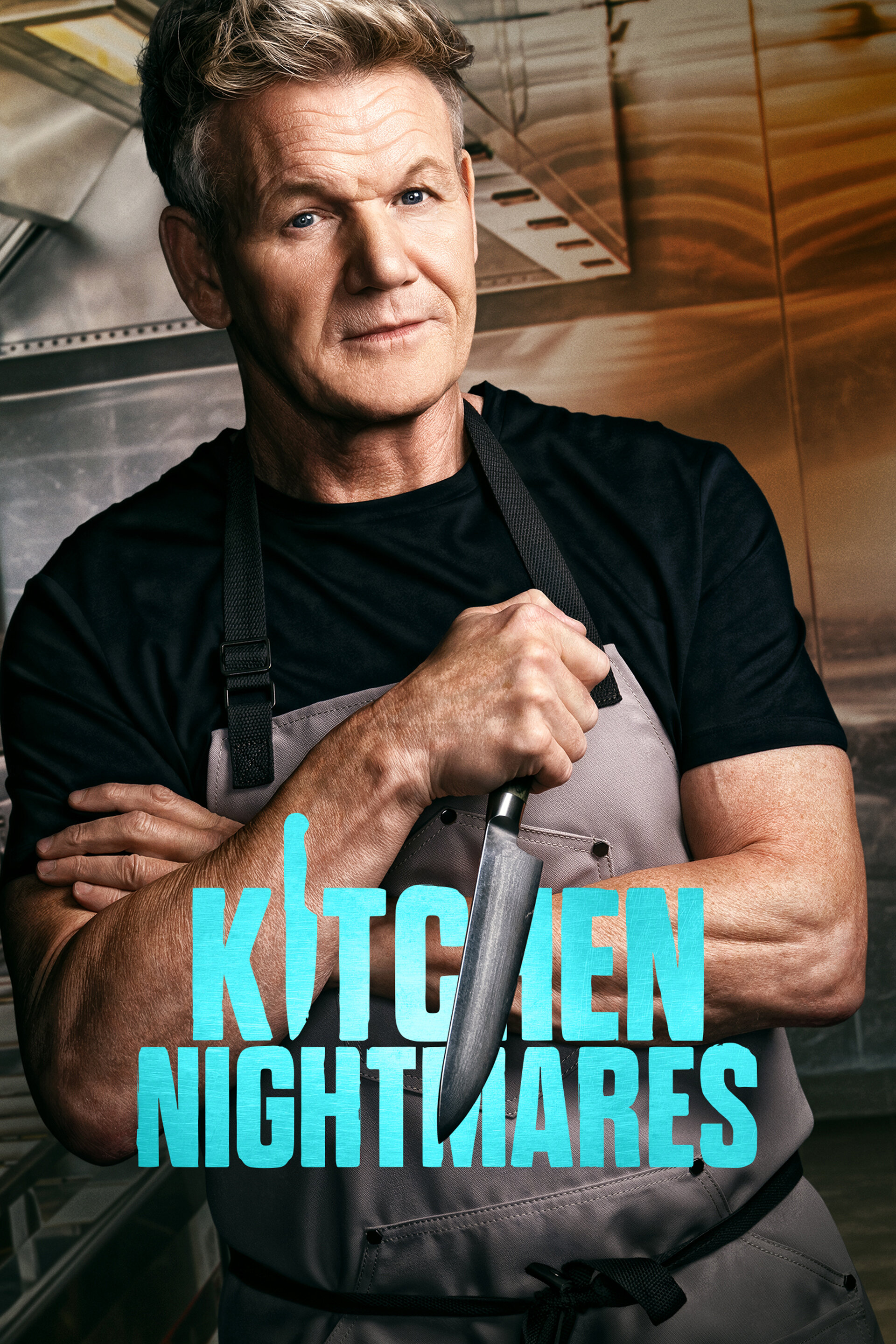
Gordon Ramsay's relentless restaurant rescue formula proved the template that Bar Rescue would follow. Watching him strip everything down and rebuild it is genuinely cathartic, and his explosions of frustration are oddly therapeutic.
But Ramsay's verbal abuse can feel unpleasant rather than motivating, and many restaurants featured on the show have failed anyway, which undermines the whole premise.
The Profit2013
Marcus Lemonis brings a sharper financial angle than Bar Rescue, focusing on systems and psychology rather than just kitchen standards. He's a more measured listener, which somehow makes the transformation more convincing.
But Fewer pyrotechnics and dramatic music swells. It's slower and more methodical, which some find less entertaining than the manufactured crisis atmosphere.
Restaurant: Impossible2011
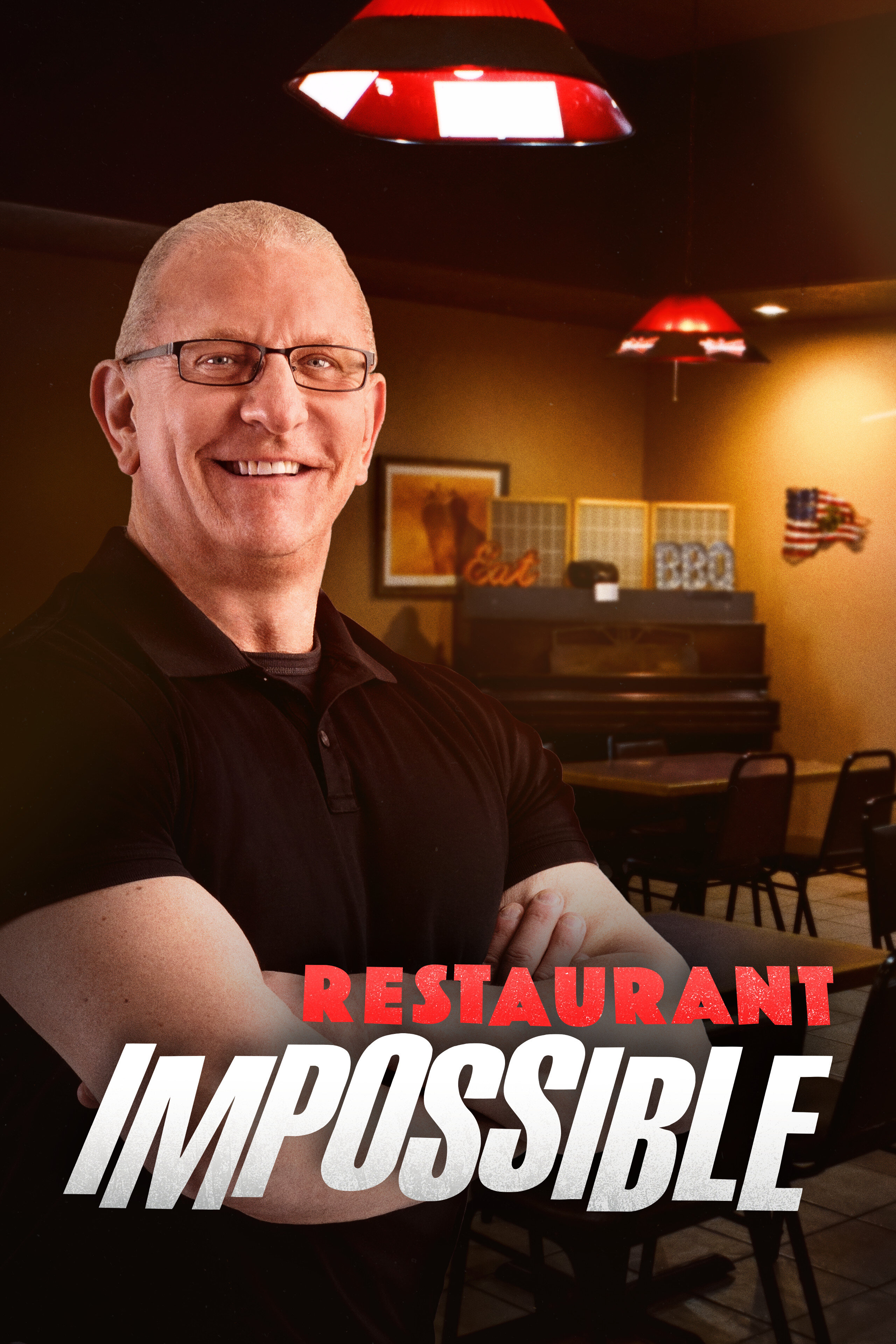
Robert Irvine does the same makeover-in-a-week format but with more warmth and a genuine interest in the people running these places. You feel invested in whether they actually succeed.
But Less confrontation, which paradoxically makes it feel less dramatic. If you're watching for the fireworks, this will feel soft.
Not sure tonight? Get a pick in a minute, starting from Bar Rescue
The wildcard
Something you would not have found on your own.
The Toys That Made Us2017
Both are about business obsession and problem-solving, but one is about rescue through confrontation and one is about creative persistence. Both examine how people can bend the world to their will through sheer conviction.
Netflix docuseries examining how iconic toys came into being and transformed companies. It's the opposite of rescue—watching people build and innovate under pressure instead of rescue chaos. Genuinely nostalgic and surprising.
But Zero crisis narrative, zero transformation arc, zero personalities clashing. If you're watching Bar Rescue for the drama, this is pure history and appreciation. Very slow pacing.

More like this (6)
Undercover Boss2010
Same problem-diagnosis structure but inverted: a CEO goes undercover in their own failing business to see what's broken. The moments of revelation land harder because they're real surprise, not manufactured conflict.
But Pacing is slower and the stakes feel softer. There's less urgency and fewer clear villains to blame for failure.
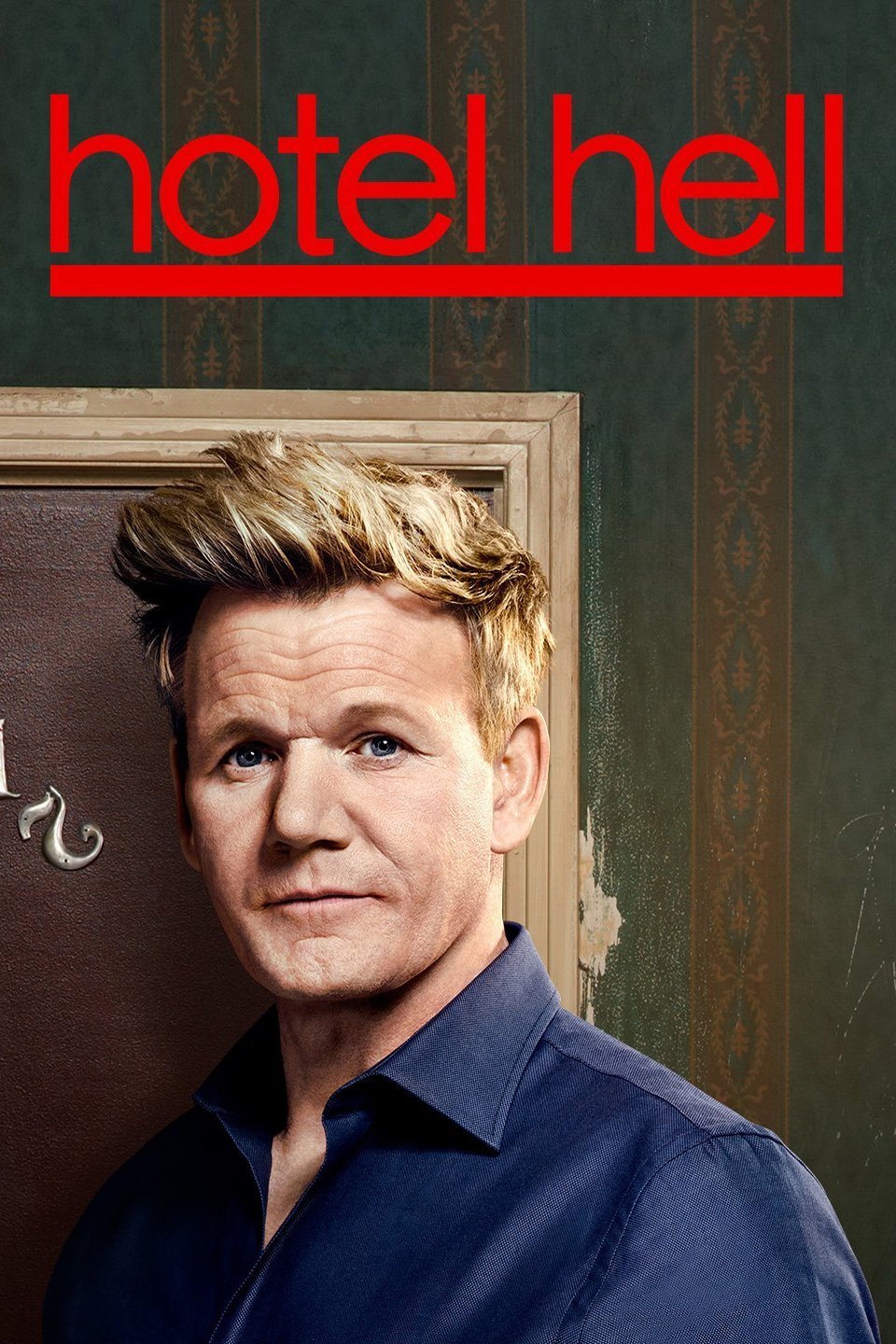
Hotel Hell2012
Gordon Ramsay applies the Kitchen Nightmares formula to hotels, which means the chaos is more architectural and systemic. Watching him fix management culture is often more interesting than watching him yell at chefs.
But Some episodes feel repetitive—the problems don't vary as much as in restaurants. And Ramsay's persona can grate when stretched across an hour.
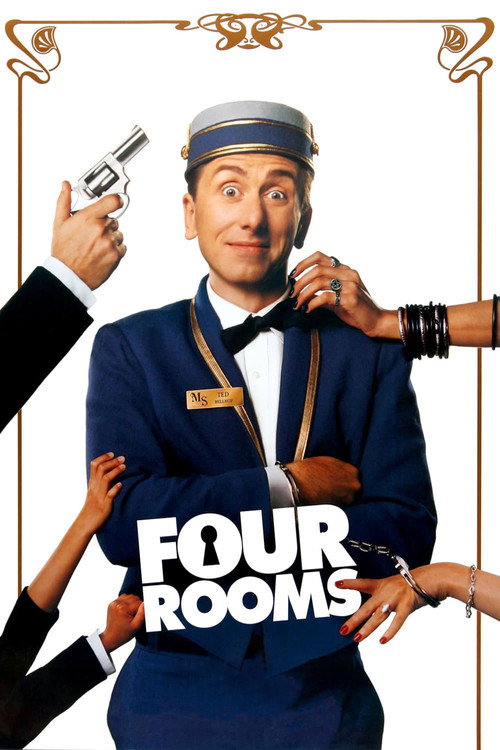
Four Rooms1995
Amy Nadine and her team fix hotels with a focus on design and experience. It's calmer and more design-forward than other rescue shows, which refreshes the format considerably.
But Without an abrasive personality driving conflict, the show can feel gentler than you want. It's less about crisis intervention and more about aesthetic problem-solving.
The Restaurant2003
Robert Irvine returns to restaurants he's already fixed to see if they've actually survived and grown. It's a rare follow-up that holds people accountable, which feels more earned than another first rescue.
But You need to have watched the original episodes to care. And some places really did fail anyway, which is sobering rather than entertaining.
Million Dollar Listing: New York2012
Not a rescue show, but it taps the same vein of watching people under professional pressure managing chaos and egos. The high stakes and personality clashes are real, not manufactured.
But It's about real estate, not bars. If you want the specific business-rescue formula, this deviates too far into lifestyle territory.

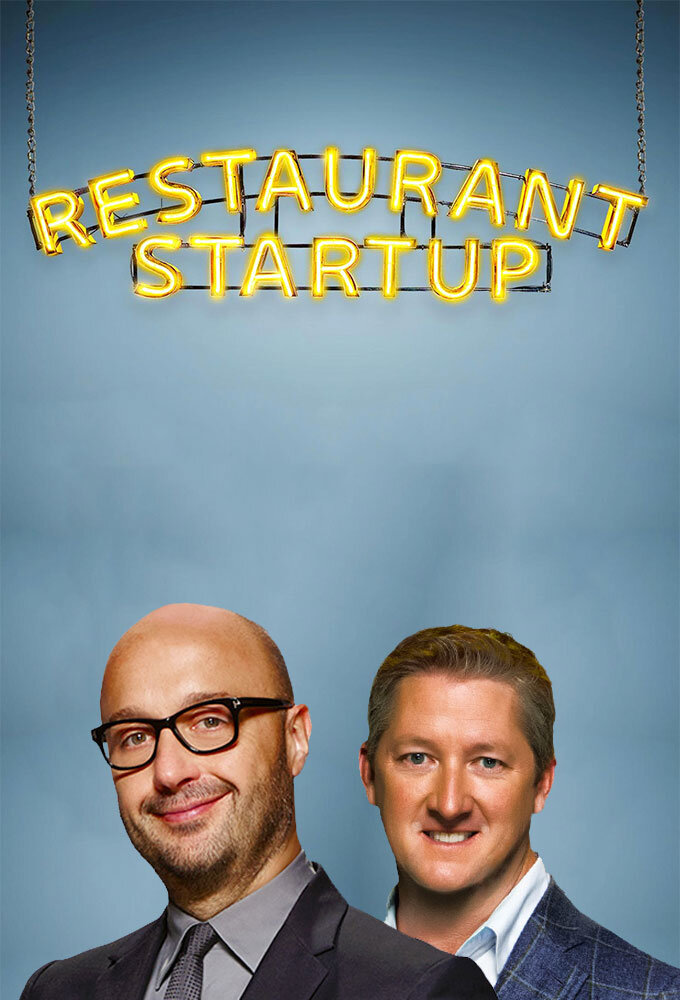
Restaurant Startup2014
Instead of rescuing failures, this watches entrepreneurs pitch new restaurant concepts to investors. It's the opposite problem: can a good idea survive contact with reality? The tension is different but genuine.
But No makeover payoff. Watching people fail at pitches is less satisfying than watching a space transform, and some episodes end in limbo rather than resolution.
People
Cast
 P.J. KingNarrator




Production
- Jon TafferCo-Executive Producer
- Barry BloomExecutive Producer
- D.J. NurreExecutive Producer
- J.D. RothExecutive Producer
- Michael BravermanExecutive Producer
- Tim WarrenExecutive Producer
- Todd A. NelsonExecutive Producer
Recommended by
Bait Car, Flip or Flop, The Profit, Secret Life of a Vegas Casino, Restaurant: Impossible, Hotel Hell, Hardcore Pawn, Repo Games, Garage Rehab, Parking Wars