
Television series
Hotel Hell
- Workplace drama
- Dip in and out
Gordon Ramsay leaves the kitchen to rescue failing hotels, motels, and B&Bs across America. He's blunt, occasionally cruel, but genuinely invested in saving businesses. It's comfort viewing for people who enjoy watching someone competent fix broken things, delivered with theatrical fury and occasional warmth.
If you liked this
Kitchen Nightmares2007
The original format that made Ramsay's intervention model work. Smaller stakes than Hotel Hell, tighter editing, and restaurants where his expertise is unchallengeable. Pure comfort-viewing problem-solving.
But Repetitive structure across seasons—you know the beats by episode three. Some owners are so resistant that watching becomes uncomfortable rather than cathartic.

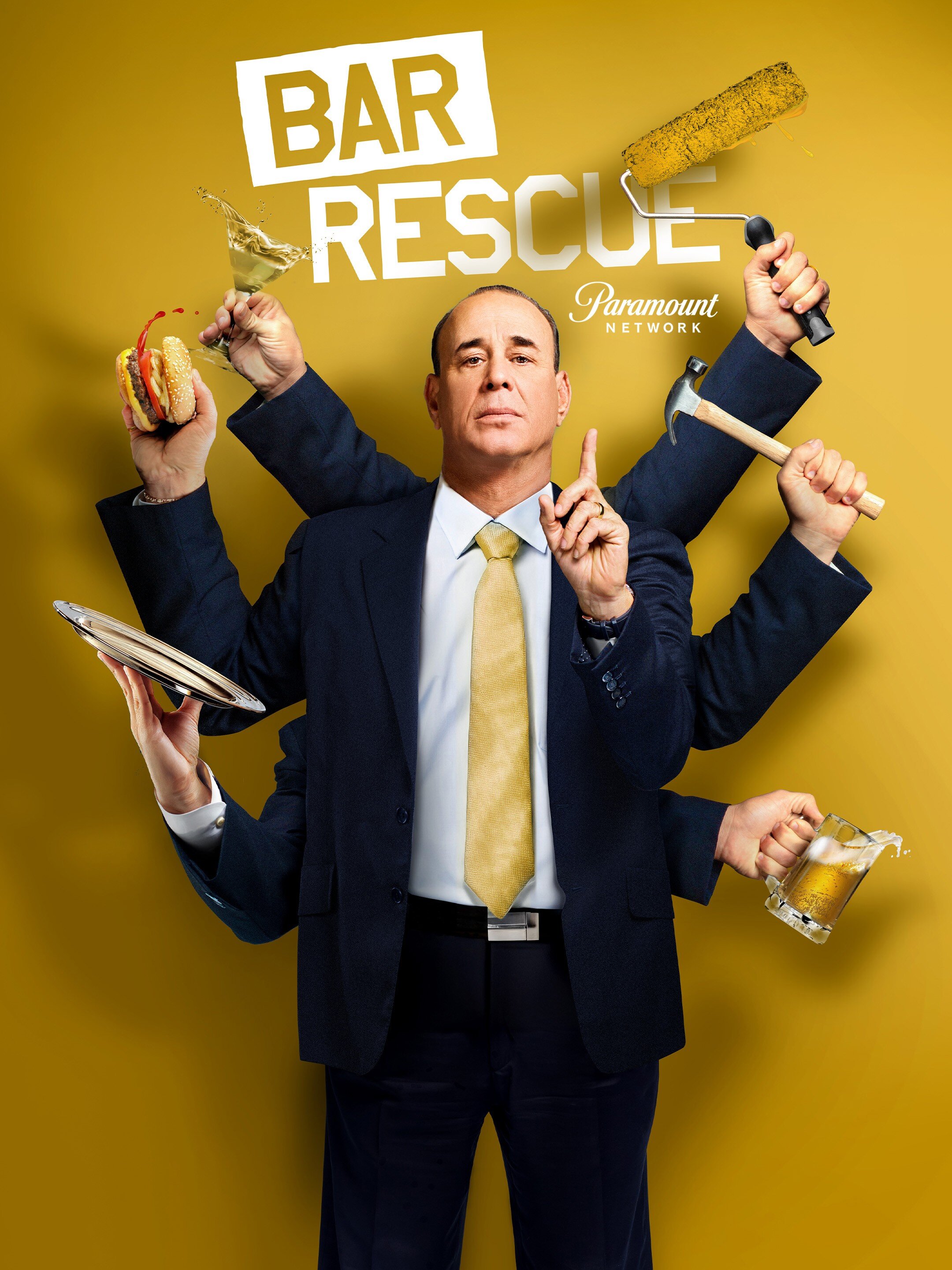
Bar Rescue2011
Jon Taffer brings the same intervention energy to struggling bars. It hits the same pleasure centers as Hotel Hell but with different problems to solve and a more charismatic host than you'd expect.
But The formula becomes predictable fast. Many bars don't stay rescued after the cameras leave, which can feel like watching Sisyphus push his boulder.
Restaurant: Impossible2011
Robert Irvine tackles failing restaurants with more gentleness than Ramsay but equal competence. It's the same show's kinder cousin, with clever design solutions and real emotional stakes.
But Less dramatic confrontation means it can feel slower and safer. If you're watching for fireworks, you'll be disappointed.

Not sure tonight? Get a pick in a minute, starting from Hotel Hell
The wildcard
Something you would not have found on your own.
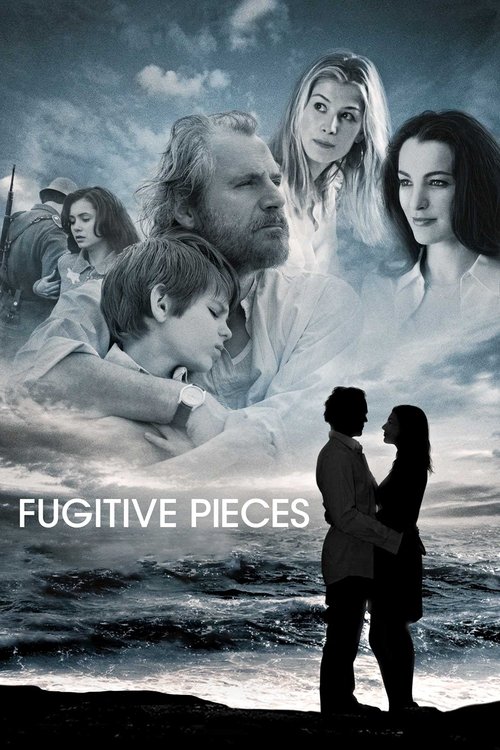
Fugitive Pieces2008
Both stories about spaces (physical or emotional) that have become uninhabitable, and the painstaking work required to make them livable again.
A haunting meditation on trauma, survival, and the spaces we build to heal. Beautiful cinematography and a fractured timeline that mirrors emotional damage. Hotel Hell finds meaning in fixing broken systems; this finds meaning in broken people trying to rebuild themselves.
But Slow, poetic, and deliberately obscure. There's no cathartic fix—only the messy process of learning to live with damage. If you watch for clean resolutions, you'll leave frustrated.
More like this (6)
The Profit2013
Marcus Lemonis invests in and rebuilds broken small businesses. Same diagnostic clarity as Hotel Hell but across different industries, with higher emotional intelligence and actual financial consequences.
But Business jargon can overwhelm the human drama. Some episodes turn into tedious money conversations rather than transformation stories.
Undercover Boss2010
CEOs work undercover in their own companies to see what's broken. It's the inverse of the intervention model—discovery before fix—and reveals why businesses fail at a deeper level.
But Feels manufactured and soft. The emotional payoffs are predictable, and the stakes feel artificially low because we know the boss has money to solve problems.
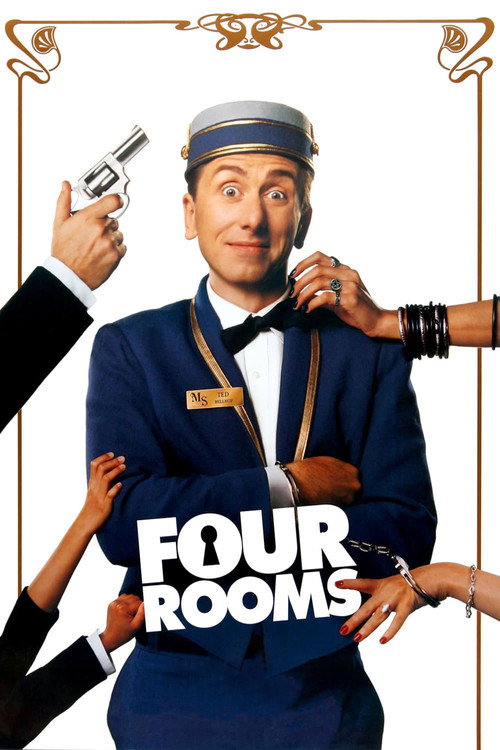
Four Rooms1995
A comedy about hotel staff under pressure on New Year's Eve. It's the only film that takes hotel operations as seriously as Hotel Hell does, though it finds the absurdity rather than the tragedy.
But Deliberately artificial and stagey. If you're watching Hotel Hell for reality, this will feel like the wrong genre entirely.
Southern Hospitality2022
A documentary series following real chefs and restaurateurs opening new places. It captures the genuine chaos and passion of the hospitality business without the intervention format.
But No dramatic fixes or before-and-afters. Some episodes are slow character studies rather than problem-solving narratives.

Million Dollar Listing: New York2012
High-end real estate agents solving problems and closing deals. The same DNA of crisis-management and interpersonal stakes, applied to property instead of hospitality.
But Focuses on ego and competition rather than genuine rescue. The problems feel manufactured for drama rather than rooted in real struggle.

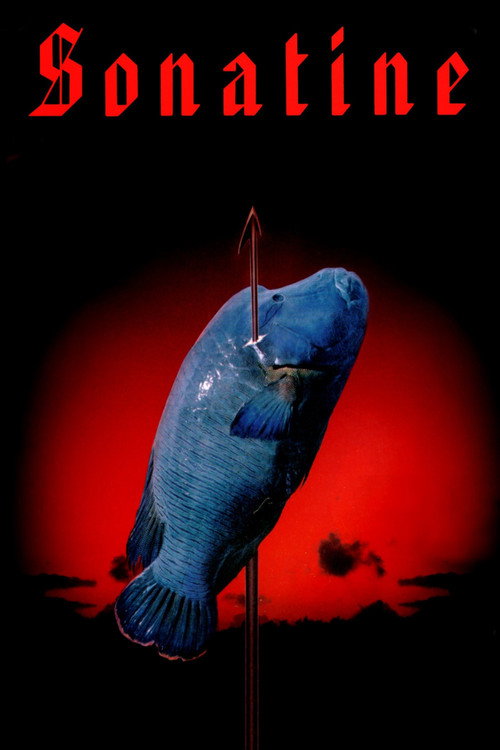
Sonatine1993
Both examine whether struggling establishments—and the people running them—can genuinely be saved, or whether some failures are too deep. Hotel Hell says yes; Sonatine is less sure.
A yakuza film about broken men finding unexpected refuge in a temporary space. Takeshi Kitano's precision and violence meet genuine tenderness. It's about damaged systems and whether broken things can be repaired—or if they should just be let go.
But Violent, bleak, and in Japanese. Not a feel-good film. If you expect warmth or resolution, you'll find instead a meditation on futility and beauty in decay.
People
Cast

Production
- Glenn Gt TaylorCo-Executive Producer
- Jay HunterCo-Executive Producer
- Jonathan ChinnCo-Executive Producer
- Matt CahoonCo-Executive Producer
- Pip WellsCo-Executive Producer
- Shawn GutierrezCo-Executive Producer
- Adeline Ramage RooneyExecutive Producer
- Ben AdlerExecutive Producer
- Gordon RamsayExecutive Producer
- Lindsay KuglerExecutive Producer
- Maria SilverExecutive Producer
- Patricia LlewellynExecutive Producer
- Pip WellsExecutive Producer
- Dana BuningSupervising Producer
- Evan SwedelsonSupervising Producer
- Max PorisSupervising Producer
- Pip WellsSupervising Producer
- Ryan SimpkinsSupervising Producer