
Film
Fugitive Pieces
A Holocaust survivor's fragmented memory becomes poetry. A man who escaped Poland as a child—hidden by a Greek professor during the war—carries trauma and beauty into adulthood in Canada. It moves through time like remembering itself: gorgeous, fractured, sometimes painfully slow. For viewers who want intimacy with grief and language.
Should you watch it?
Watch it if you are drawn to elegiac, literary dramas where memory and landscape carry the weight, and you don't need the plot to rush toward a payoff.
Skip it if you want a story that moves steadily forward, since this one drifts in fragments across decades and continents and its grief stays patient and unrelenting.
What it asks of you: A little under two hours of patient, lyrical attention, moving between eras with little relief from sorrow; it rewards stillness more than close tracking of events.
Not sure? Find tonight's pick in a minute.
If you liked this
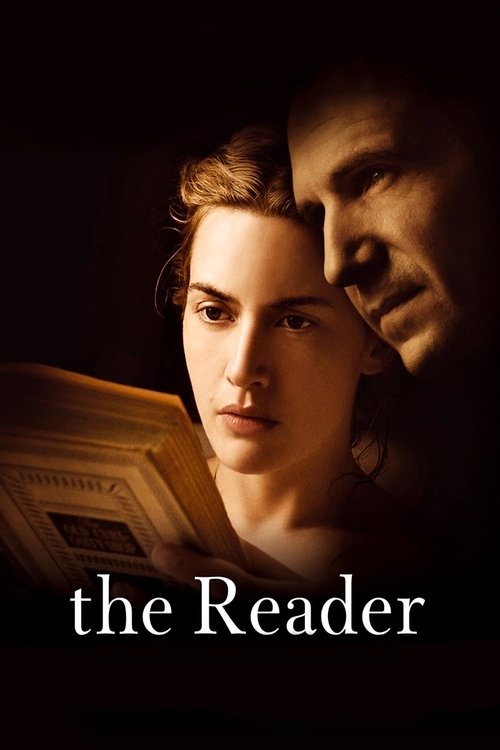
The Reader2008
Another meditation on how the Holocaust reshapes survivors and those who love them. Kate Winslet gives a career-best performance; the moral ambiguity will stay with you for weeks.
But It's also European, introspective, and occasionally opaque. If you want clarity and closure, this isn't it.
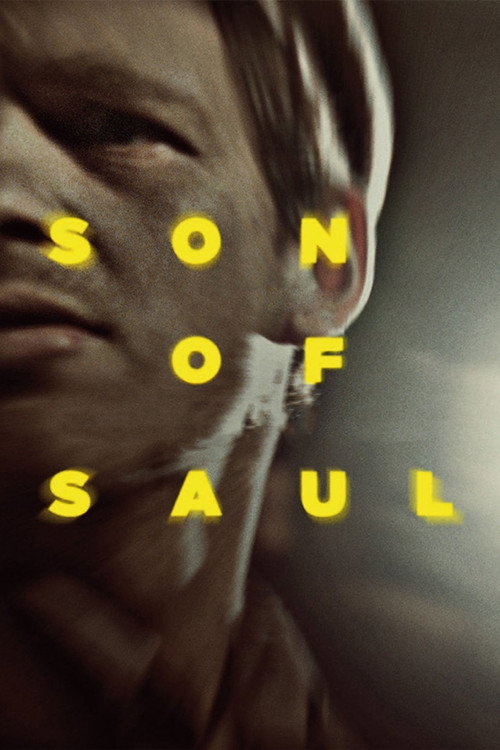
Son of Saul2015
A single day inside Auschwitz, following a Sonderkommando through hell. The cinematography is a character itself—claustrophobic, devastating, impossibly human. Modern cinema at its most unflinching.
But It's unrelenting and dense. There are no moments of relief, and the sound design alone can feel like drowning.
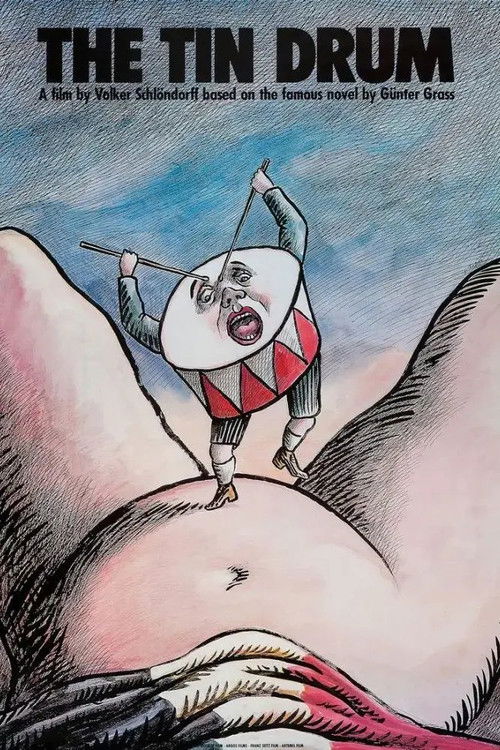
The Tin Drum1979
A boy born in Nazi Germany chooses muteness as resistance. Visually baroque, morally complex, structurally wild—Volker Schlöndorff asking what it means to refuse to grow up into a monstrous world.
But It's elliptical and strange. The magical realism approach to atrocity puzzles some viewers. Nearly three hours.
Not sure tonight? Get a pick in a minute, starting from Fugitive Pieces
The wildcard
Something you would not have found on your own.
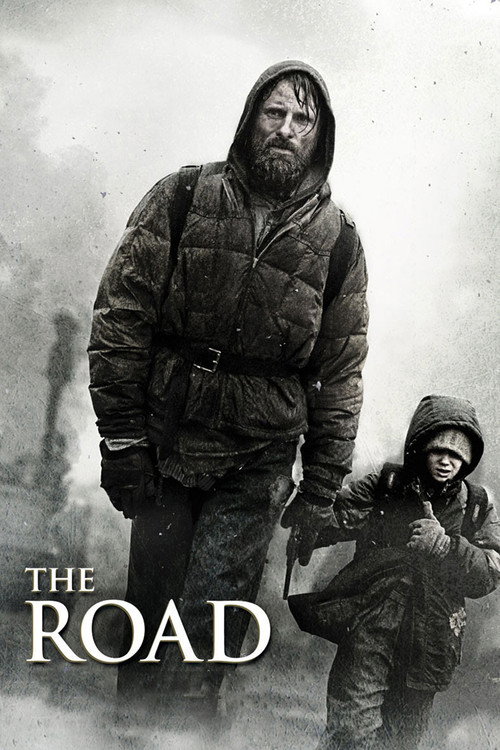
The Road2009
Both move through catastrophe and memory as poetry. Both insist that love exists in the wreckage. Both are more interested in interior space than plot.
Cormac McCarthy's post-apocalyptic novel adapted as pure father-son love in a dying world. No war, but the same weight of inherited trauma and beauty persisting anyway. Viggo Mortensen hauling his son through ash and silence.
But Gray, relentless, and deeply bleak. Many find it numbing rather than moving. The pacing is glacial.
More like this (8)
Requiem for a Dream2000
Darren Aronofsky's masterpiece of addiction and decay. Four lives spiraling, interconnected, scored by Clint Mansell's haunting motif. The energy of Fugitive Pieces but turned inside-out through contemporary America.
But It's brutal and relentless. Not introspective—punishing. The visual style can overwhelm the story.

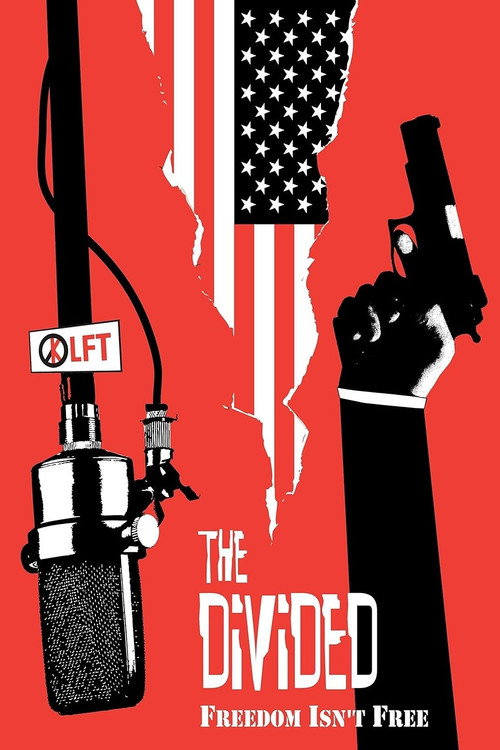
The Divided2009
Bosnia and grief. A man returns to his devastated hometown after years away. Quiet, layered, preoccupied with how landscapes hold memory. Made the same year, operating in a similar register.
But It's even slower than Fugitive Pieces. Very few people have heard of it. It demands patience that not everyone has.
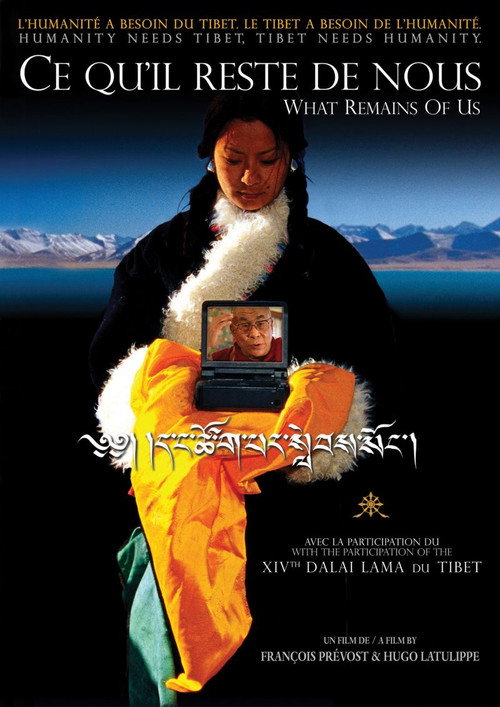
What Remains of Us2004
A meditation on grief after losing a parent to Alzheimer's. Structured as memory itself—fragmentary, looping, sometimes incomprehensible. A film that understands language fails before loss.
But It's experimental and difficult. Under an hour but feels longer. Some will find it pretentious; others will weep.
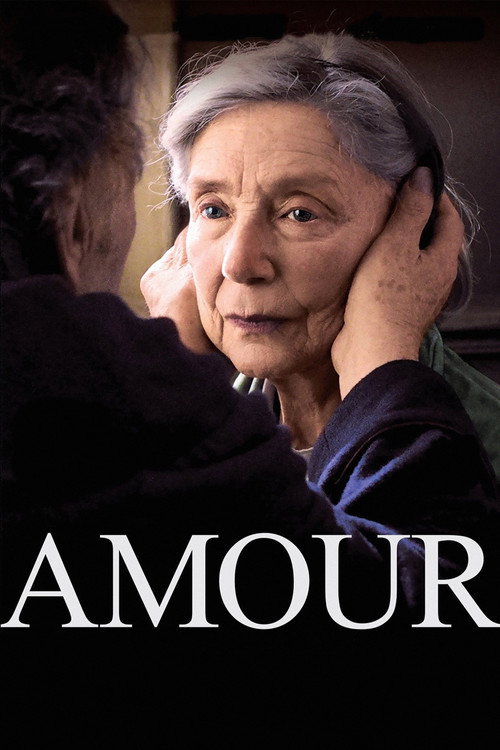
Amour2012
An elderly couple, one declining into dementia. Michael Haneke observes intimacy and suffering without sentiment or music. Pure presence. Every frame earns its silence.
But It's a film about aging, disability, and death. Long takes of stillness. No narrative momentum whatsoever.
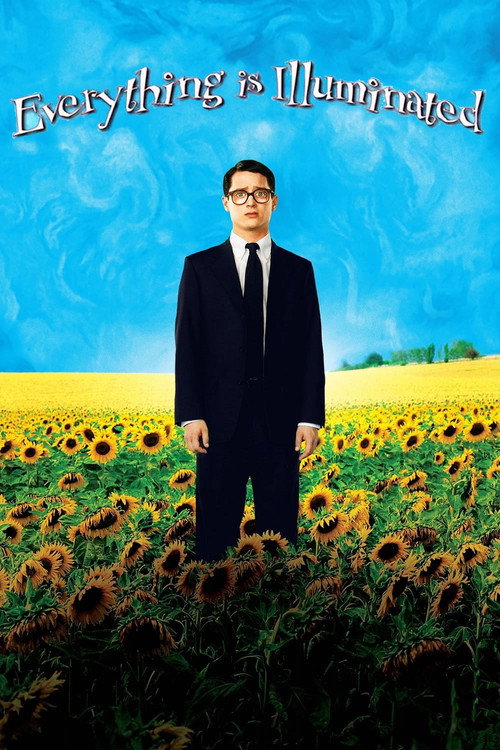
Everything Is Illuminated2005
A Jewish-American writer travels to Ukraine to trace his roots. Liev Schreiber directing; Elijah Wood learning the weight of family history. Sadness and humor woven together.
But It wavers in tone. The comic relief can feel wrong-footed for some. Not as consistent as Fugitive Pieces.
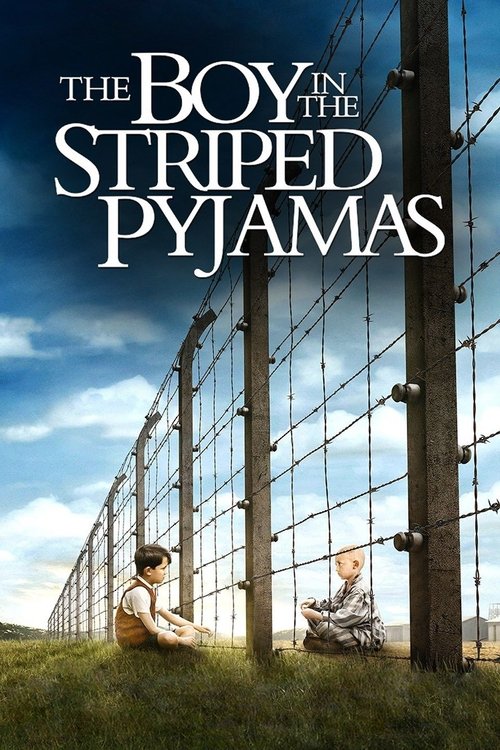
The Boy in the Striped Pyjamas2008
A boy's innocent friendship across a concentration camp fence. Visually elegant, emotionally devastating. Mark Herman finding horror through a child's perspective and limited understanding.
But The twist is widely known and debated. Some find the innocence implausible. It's almost aggressively heartbreaking.
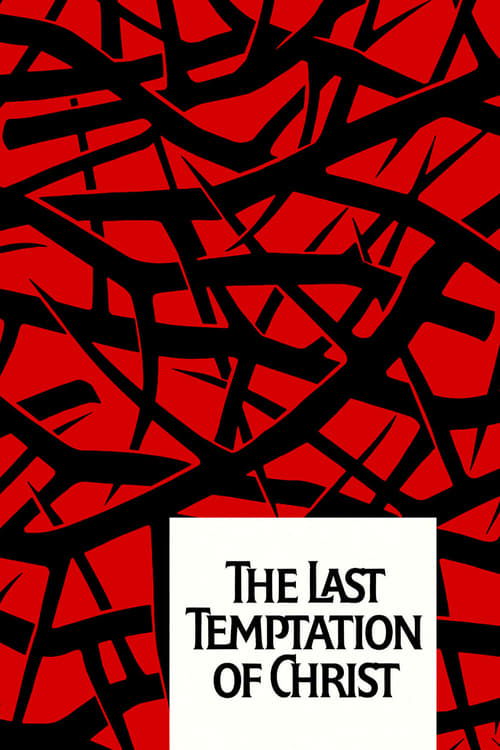
The Last Temptation of Christ1988
Both treat religious and philosophical questions as lived experience rather than plot points. Both understand that trauma and grace are inseparable. Both risk irreverence to reach toward truth.
Scorsese's Kazantzakis adaptation is a four-hour meditation on suffering, doubt, and how narrative shapes meaning. Willem Dafoe's Christ wrestling with divinity and desire. A spiritual text disguised as heresy.
But It's theologically provocative and will offend people who hold faith dear. Extremely long. Scorsese's most uncompromising film, which means it's demanding and sometimes feels airless.
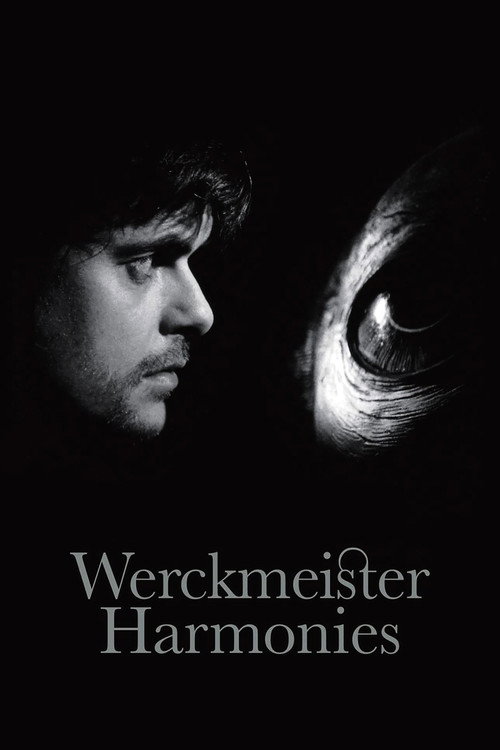
Werckmeister Harmonies2001
Both understand that memory and history exist outside plot. Both are interested in how individual trauma connects to collective catastrophe. Both trust image and silence over explanation.
Béla Tarr's seven-minute single takes watching a town break apart spiritually. A whale washes ashore; nothing will be the same. Transcendent black-and-white cinematography. Call it anti-narrative cinema that feels prophetic.
But It's 145 minutes of shots that last three or four minutes each. No conventional story. Deliberately alienating visual style. Requires total surrender to work.
People
Cast
 Rade ŠerbedžijaAthos
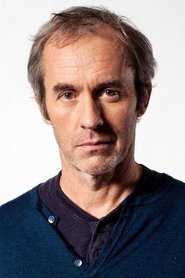 Stephen DillaneJakob Beer
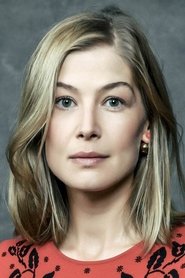 Rosamund PikeAlex
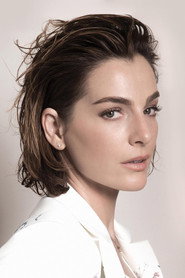 Ayelet ZurerMichaela
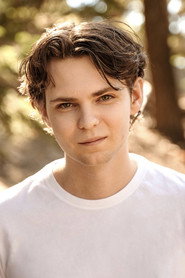 Robbie KayYoung Jakob
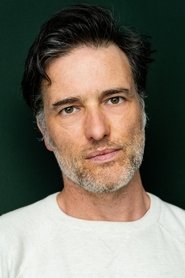 Ed StoppardBen
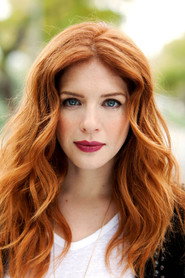 Rachelle LefevreNaomi
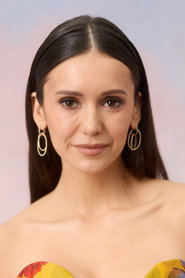 Nina DobrevBella
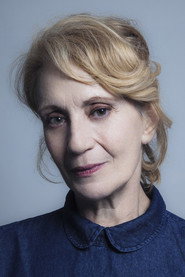 Themis BazakaMrs Serenou
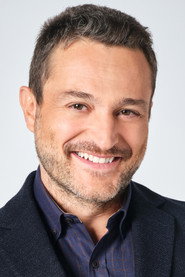 Yorgos KaramihosIoannis
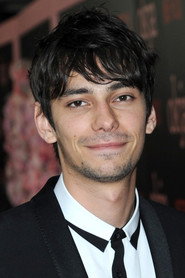 Devon BostickBen (Teenager)
Directing
- Jeremy PodeswaDirector
- Donna GardonScript Supervisor
Writing
- Jeremy PodeswaWriter
Production
- Makis GazisCasting
- Nancy BishopCasting
- Nina GoldCasting
- Robert LantosProducer
- Matthew DaviesProduction Designer