
Film
What Remains of Us
A Tibetan-American filmmaker returns to occupied Tibet to document her homeland's transformation under Chinese rule. Shot with intimate restraint, it's a personal reckoning—part homecoming, part elegy—that avoids rhetoric in favour of what remains: memory, landscape, family, faith. Essential viewing for anyone wanting to understand Tibet beyond the headlines.
If you liked this
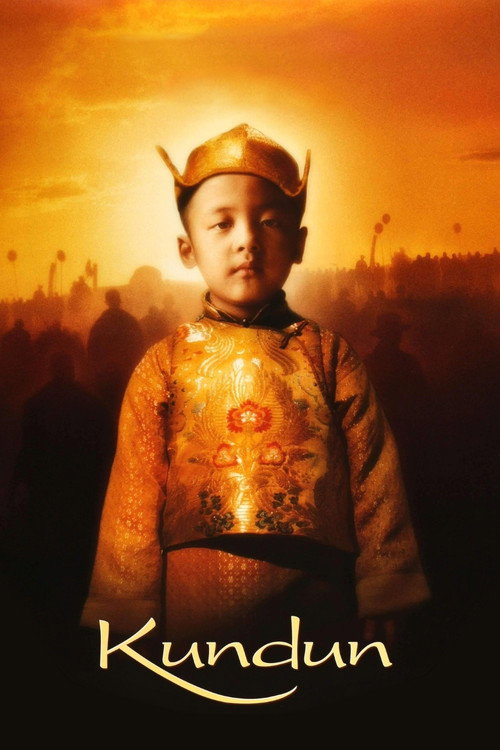
Kundun1997
Scorsese's lyrical biography of the young Dalai Lama captures the spiritual and political dimensions of Tibetan Buddhism with rare visual poetry and emotional depth.
But It's a reverential film that doesn't interrogate its subject, and the casting of non-Tibetan actors in Tibetan roles remains controversial.
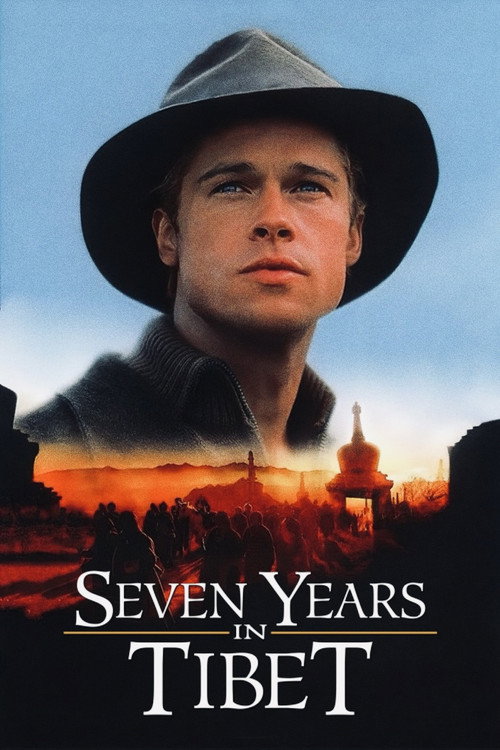
Seven Years in Tibet1997
A Swiss mountaineer's journey to Everest becomes a window into Tibetan culture and the developing friendship between climber and Tibetan guide. Humanising and accessible.
But Spielberg's approach is sometimes sentimental, and the film privileges the Western protagonist's perspective over deeper cultural exploration.
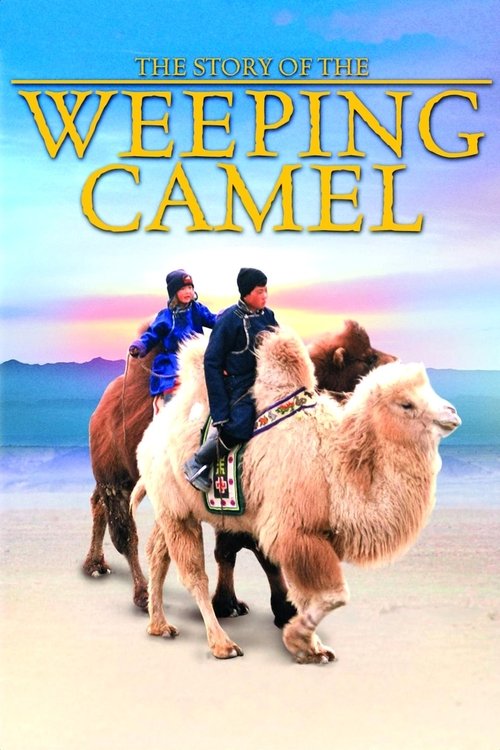
The Story of the Weeping Camel2004
A Mongolian family helps a camel birth its calf in this quietly profound portrait of herding life, tradition, and belonging in Central Asia. Gorgeously shot, meditative.
But It's deliberately paced and plotless. If you want narrative momentum or dramatic stakes, you won't find them here.
Not sure tonight? Get a pick in a minute, starting from What Remains of Us
The wildcard
Something you would not have found on your own.
Sans Soleil1983
Both use the filmmaker's return to a place as a threshold into larger questions about occupation, time, and what we can actually know about home.
Marker's essayistic meditation on memory, Japan, Africa, and colonialism—delivered via voiceover over images that refuse to illustrate. Unsettling, poetic, feeds the mind for weeks.
But It's radically non-narrative. If you need plot or clarity, this will feel like being lost in someone else's daydream.

More like this (8)
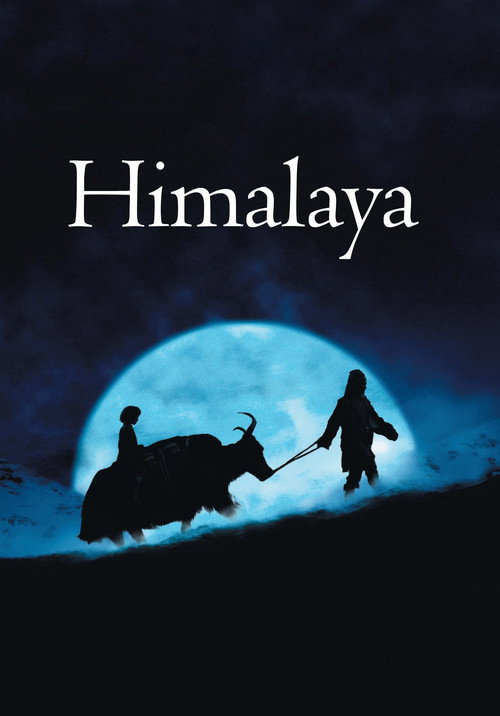
Himalaya1999
A Nepali village divided by generational pride undertakes a perilous trading expedition across mountain passes. A film about duty, landscape, and the cost of tradition.
But The dubbed English narration can feel intrusive, and the pacing occasionally loses momentum in its second half.
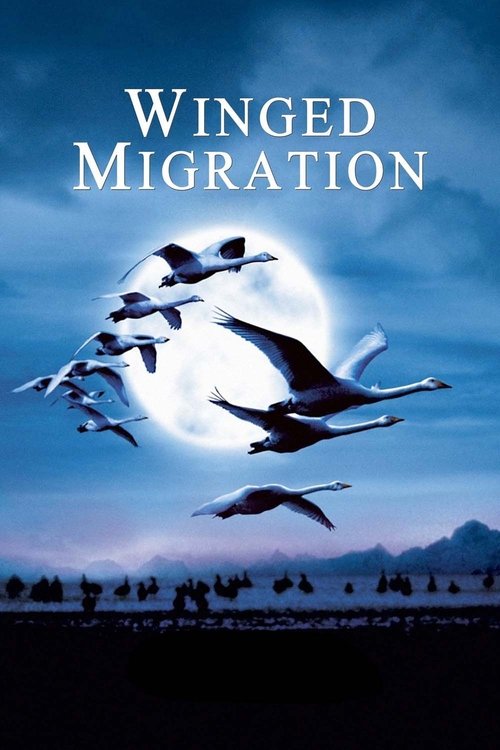
Winged Migration2001
A four-year shoot following bird migrations across continents. Visual spectacle unlike anything else, and a meditation on movement, fragility, and interconnection.
But There's no human narrative or emotional arc. It's pure observation, which some find transcendent and others find exhausting.
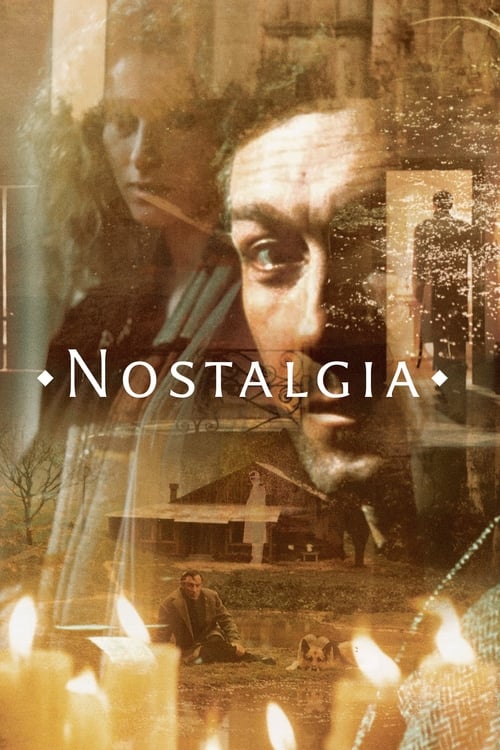
Nostalgia1983
Tarkovsky's Russian filmmaker visiting Italy reflects on memory, faith, and loss. Slow, hypnotic, layered with philosophical weight. A masterpiece about displacement and yearning.
But It demands patience. At 163 minutes of long takes and minimal dialogue, it will test whether you've come to watch or to think.
The Act of Killing2012
Indonesian death squad perpetrators re-enact their own atrocities while confronting what they've done. Devastating, complex, and fundamentally about complicity and memory.
But It's morally and emotionally gruelling. Watching someone gradually recognise their own evil takes everything out of you.

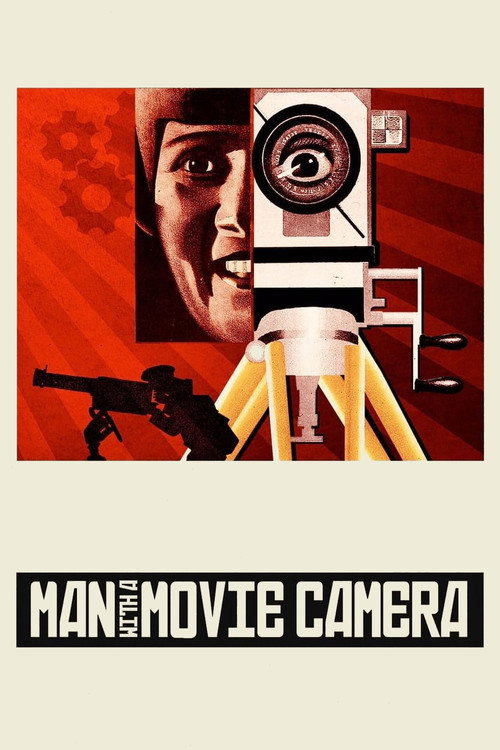
Man with a Movie Camera1929
A Soviet avant-garde poem to the city and technology. Shot and edited with dizzying invention, it's about seeing and being seen—still radical almost a century later.
But There's no plot or conventional narrative. It's pure cinematic form, which feels like homework if you're not in the mood.
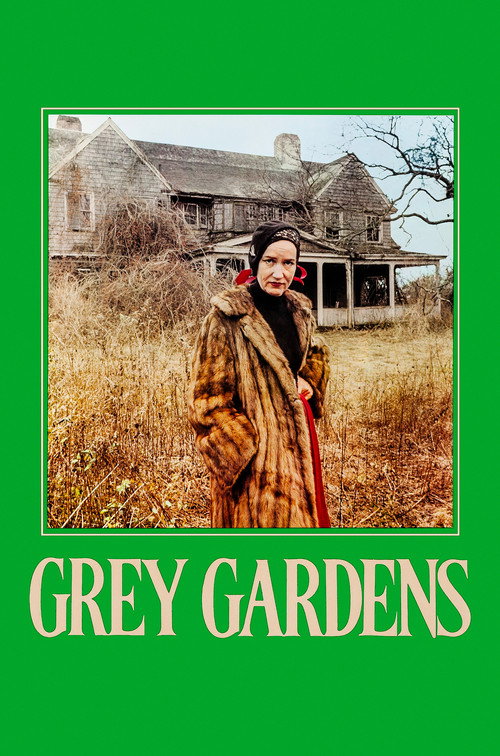
Grey Gardens1976
A documentary portrait of two isolated socialites living in decay. A film about memory, American high society, and how glamour curdled into ruin. Fascinating and sad.
But It trades in voyeurism and pity. You may feel uncomfortable watching two vulnerable women reduced to curiosities.
Stalker1979
Both films treat land itself—whether Tibet or the Zone—as a character that shapes consciousness and reveals what remains of the soul.
Tarkovsky's sci-fi parable about a guide leading two men through a mysterious zone to a room that grants wishes. Metaphysical, patient, about faith and the spaces we carry inside.
But It's 163 minutes of deliberate pacing and philosophical abstraction. The genre label is misleading—this is not escapist science fiction.

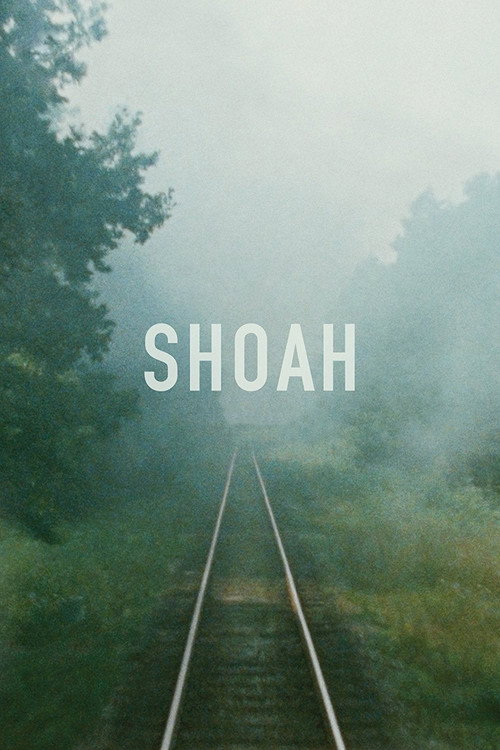
Shoah1985
Both documents witness the aftermath of occupation through the voices and silences of those who lived it, refusing easy answers or comforting narrative.
Lanzmann's nine-hour oral history of the Holocaust. No archive footage, just testimony, landscape, and silence. The most rigorous account of catastrophe ever filmed.
But Its length is not indulgent—it's the point. Watching people recount atrocity requires time and stillness that most viewers can't sustain.
People
Cast
- Kalsang DolmaSelf - Narrator
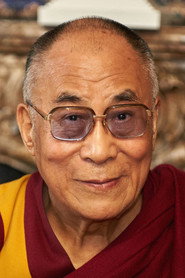 Tenzin GyatsoSelf
Directing
- François PrévostDirector
- Hugo LatulippeDirector
Writing
- François PrévostWriter
- Hugo LatulippeWriter
Production
- François PrévostProducer
- Yves BisaillonProducer