
Film
Himalaya
A Tibetan salt caravan departs for its annual high-altitude journey. The village's aging leader and an ambitious young rival clash over tradition versus progress, their power struggle playing out against stunning Himalayan peaks. A film about community, pride, and the cost of ambition, shot like a documentary and paced like a fable.
Should you watch it?
Watch it if you are drawn to slow, landscape-driven storytelling where the scenery and the rhythms of a long, dangerous journey do much of the talking.
Skip it if you need brisk plotting or talkative drama, since it moves at the pace of footsteps and explains little, trusting the landscape to carry feeling.
What it asks of you: Settle in for about 108 minutes of patience, with long stretches of plodding travel and a mood that is more contemplative than tense.
Not sure? Find tonight's pick in a minute.
If you liked this
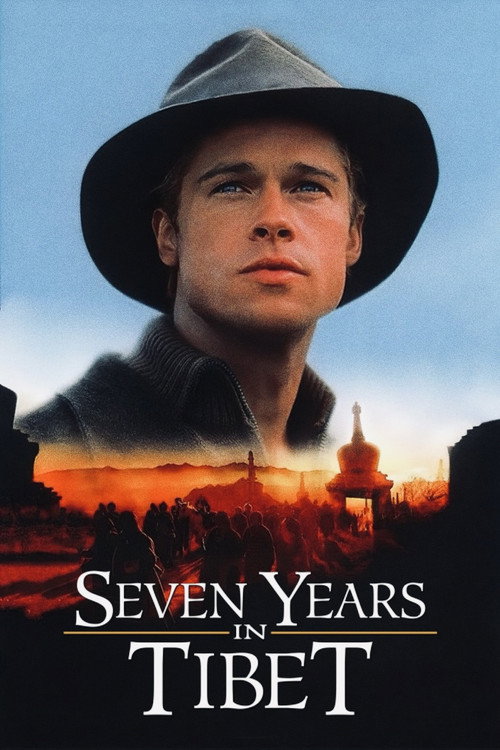
Seven Years in Tibet1997
A mountaineer's spiritual and moral awakening on Everest, with stunning location cinematography and Heinrich Harrer's complex engagement with Tibet and its people. Similar scale and meditative pace.
But The historical framing can feel dated. Harrer's past is handled somewhat delicately for modern tastes.
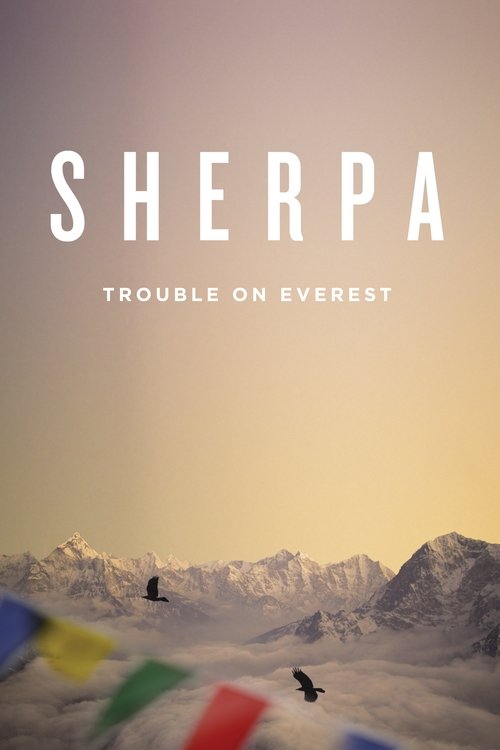
Sherpa2015
Documentary portrait of Sherpa climbers on Everest that treats them as full humans rather than expedition support. The same refusal to exoticize, shot with deep respect for Himalayan labour and risk.
But Quieter than you might expect. Not a rescue thriller—it's slower, observational work that asks patience.
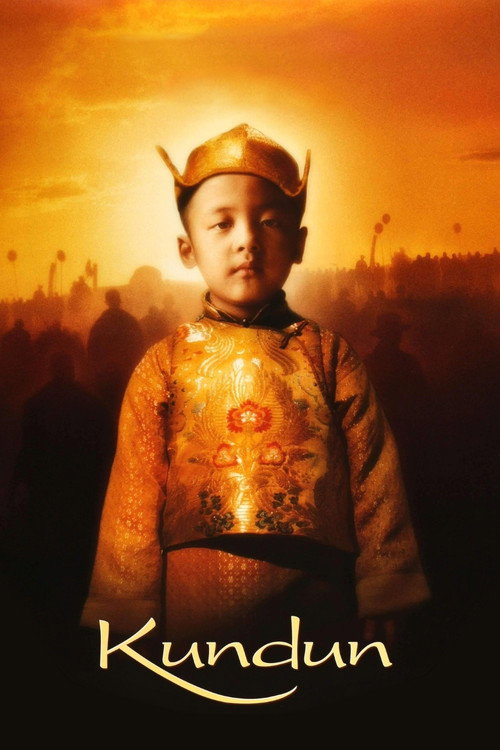
Kundun1997
Scorsese's visually sumptuous account of the young Dalai Lama's life. Spiritual and political, with remarkable cinematography of Tibet. Shares Himalaya's interest in tradition under pressure from outside forces.
But Formally experimental in places. Some find its pacing too contemplative; others feel its perspective, though respectful, remains ultimately outsider.
Not sure tonight? Get a pick in a minute, starting from Himalaya
The wildcard
Something you would not have found on your own.
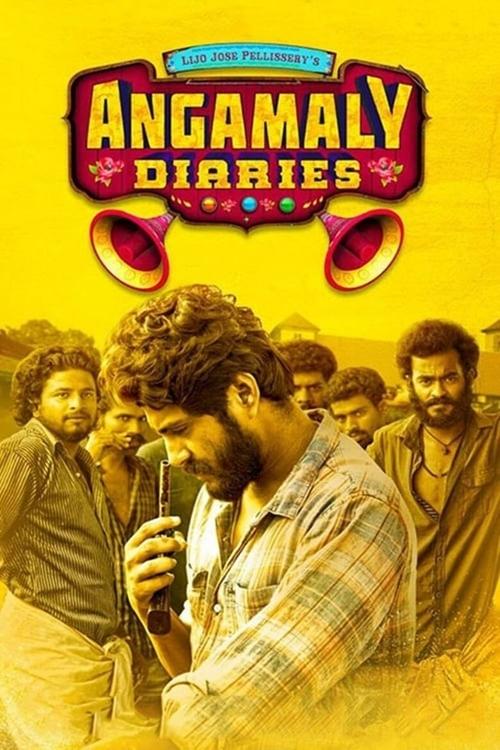
Angamaly Diaries2017
Both are films about ritual journeys where tradition becomes a battleground. Both use the physical landscape—and exhaustion—to reveal character.
A Malayalam film about a caravan—a festive religious procession—that doubles as a meditation on tradition, masculinity, and ritual violence. Like Himalaya, it's a journey film where the real story is social hierarchy and male ego colliding with something larger.
But Densely populated, low-key, in Malayalam. The tone hovers between documentary realism and baroque excess in ways that can feel disorienting.
More like this (8)
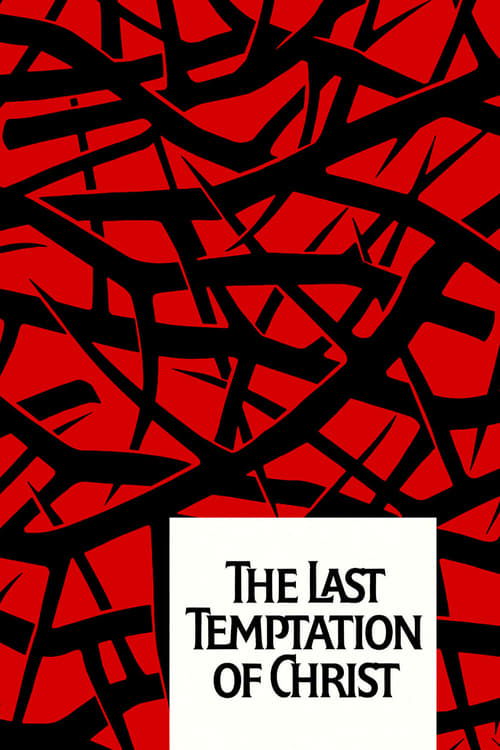
The Last Temptation of Christ1988
Another Scorsese film about belief, doubt, and the weight of community expectation. A protagonist torn between duty and desire, framed in moral rather than narrative terms.
But Provocative religious content upset many on release. Its 3.5-hour length and dialogue-heavy approach won't suit everyone.
The Wrestler2008
An older man clinging to relevance, refusing to accept change, watching his authority slip. Physically brutal and emotionally precise about pride and obsolescence—similar emotional DNA to Tinle's arc.
But Bleak and repetitive by design. Aronofsky's style is deliberately unglamorous; the subject matter is grinding rather than uplifting.

City Slickers1991
A cattle drive as spiritual reckoning and male bonding; the journey itself is the story. A gentler version of what Himalaya does, but with the same belief that arduous travel clarifies things.
But Comedy-drama that doesn't always land its tonal shifts. Some of the humour feels dated; the sentimentality can tip into schmaltz.

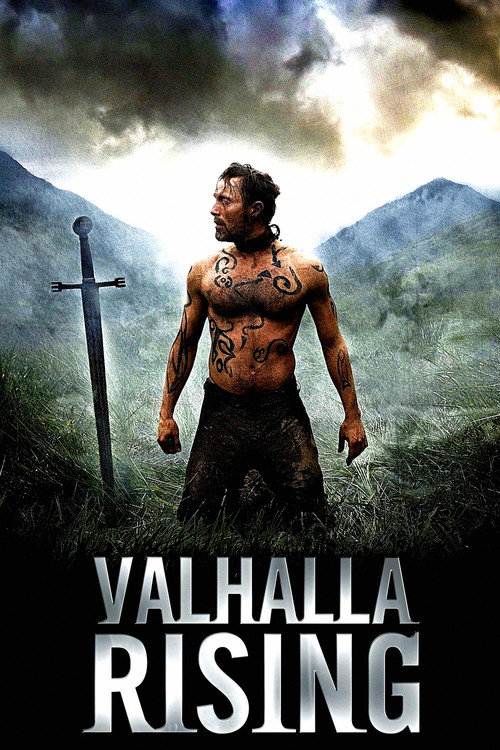
Valhalla Rising2010
A journey through brutal landscape with cryptic spiritual weight. Nicolas Winding Refn's visual and narrative minimalism creates meaning through geography and silence, much like Himalaya.
But Wilfully obscure and violent in ways that can feel gratuitous. Many find it impenetrable; it rewards patience but offers no reassurance.
Ikiru1952
An aging man comes to terms with mortality and legacy through work and community. Kurosawa's meditation on what we leave behind mirrors Tinle's struggle to hold significance as the world changes.
But Japanese cinema of the 1950s has a pace that modern viewers often find slow. The film's emotional climax is quiet rather than dramatic.

The Ballad of Little Jo1993
A revisionist frontier tale about survival, identity, and refusing society's rules. Period setting, landscapes, and a protagonist fighting against prescribed roles with similar moral seriousness.
But Deliberately paced and visually austere. The feminist themes sometimes overwhelm narrative momentum. Lesser-known even among westerns.

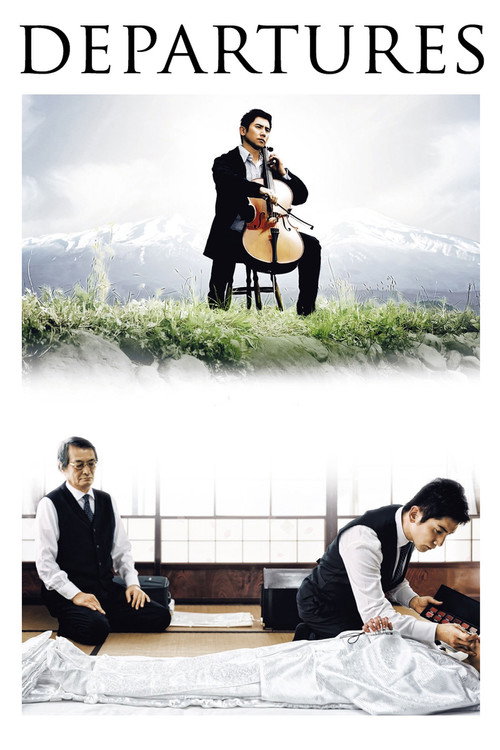
Departures2008
Both films find profound meaning in ritual labour, and both ask: what do we owe to tradition, and what does tradition owe us?
A Japanese film about a man learning to perform a ceremonial role—dressing the dead for burial. It shares Himalaya's quiet authority about duty, ageing, community obligation, and the dignity of work others overlook.
But A film about death and preparation for it. Gentle, but unmistakably about mortality. Some find the subject matter difficult regardless of tone.
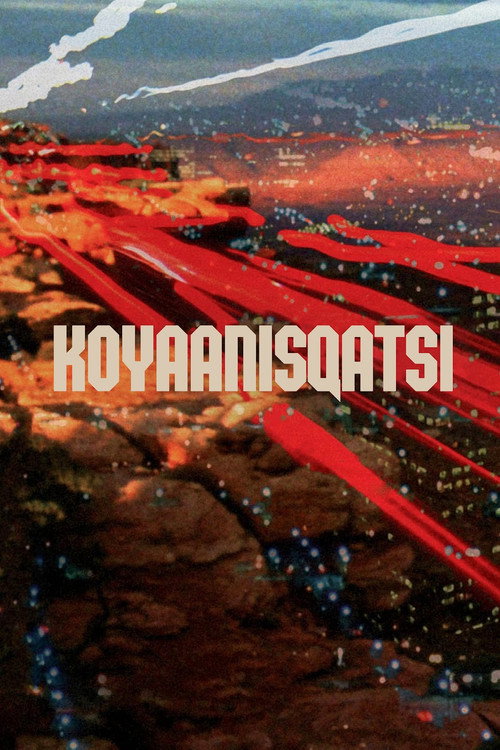
Koyaanisqatsi1983
Both explore a clash between old and new, tradition and progress, entirely through landscape, movement, and what is *not* said. Both trust the audience to find the story in what they see.
A visual essay without dialogue, set to Philip Glass's hypnotic score. It shows the Hopi concept of life out of balance through abstracted landscapes and time-lapse. An experiment in how image and music can tell a story about change, modernity, and what we've lost.
But No plot, no characters, no conventional narrative. An hour of images and music. Some experience it as profound; others as slow and impenetrable.
People
Cast
- Thilen LhondupTinle
 Gurgon KyapKarma
 Lhakpa TsamchoePema
- Karma TensingNorbou / Urgien
- Karma WangelPassang
- Labrang TundupLabrang
- Jampa Kalsang TamangJampa
- Tsering DorjeeRabkie
- Rapke GurungTundup
- Pemba BikaTensing
- Karma ChhewangMeme / Paljor
- Tenzen CharkaChopga
Directing
- Eric ValliDirector
Writing
- Eric ValliWriter
- Jean-Claude GuillebaudWriter
- Louis GardelWriter
- Nathalie AzoulaiWriter
- Olivier DazatWriter
Production
- Neer Bikram ShahCo-Producer
- Christophe BarratierProducer
- Jacques PerrinProducer
Recommended by
Kundun, Duma, Seven Years in Tibet, The Inn of the Sixth Happiness, Tenzing, What Remains of Us, Nomadic