
Film
Nomadic
- Survival adventure
- Slow-burning
A Tibetan yak herding family undertakes a perilous seasonal migration across high mountains, their ancient rhythms colliding with encroaching modernity. Shot with patient, immersive intimacy, it's a hymn to a way of life balanced on extinction's edge—meditative, visually stunning, for viewers who want to witness rather than be told.
If you liked this
Himalaya1999
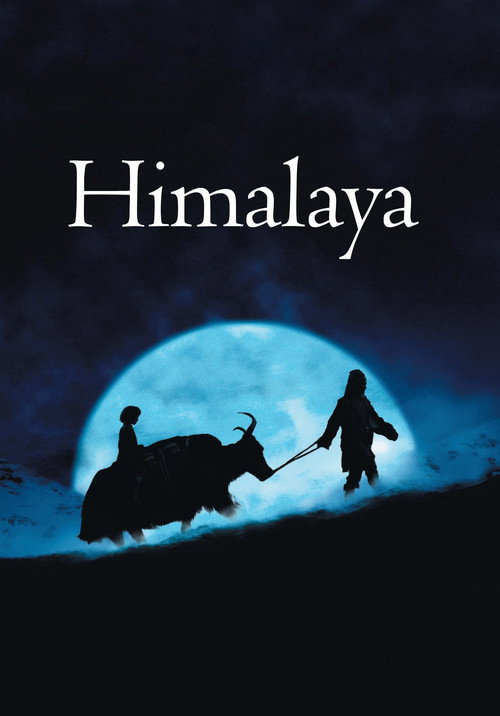
French-directed fiction film about Nepali porters in mountain trade routes; brings similar Himalayan landscape grandeur and the tension between traditional life and economic pressure, but as gripping drama.
But This is narrative cinema, not documentary intimacy, so it trades observation for plot in ways some will find less authentic.
The Salt of Life2011
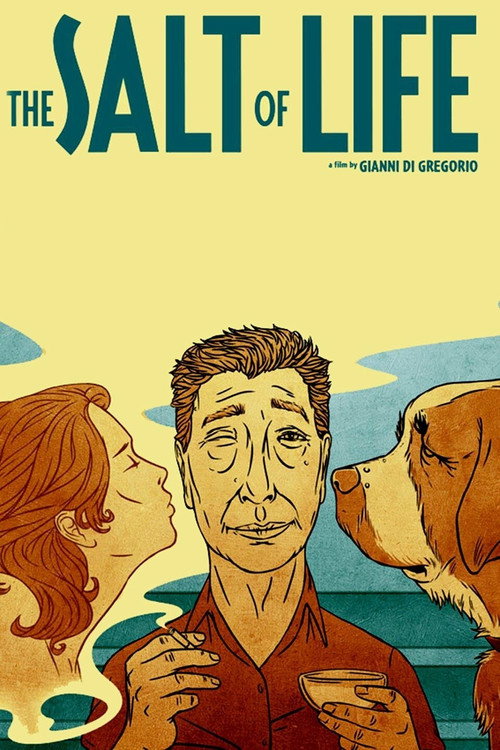
Follows salt harvesters in the Indian Himalayas across seasons; same meditative pacing, focus on physical labor and landscape as character, exploring how modernization erodes ancestral knowledge.
But Minimal music and sparse editing means it demands active engagement rather than passive watching.
My Name Is Khan2010
Though a Bollywood drama, it explores the collision of tradition and modernity in South Asia with genuine feeling; offers narrative counterweight if you want emotional stakes alongside observation.
But Completely different register—mainstream, musical, plot-driven—might feel like a tonal whiplash if you're after more documentaries.

Not sure tonight? Get a pick in a minute, starting from Nomadic
The wildcard
Something you would not have found on your own.
The Story of the Weeping Camel2004
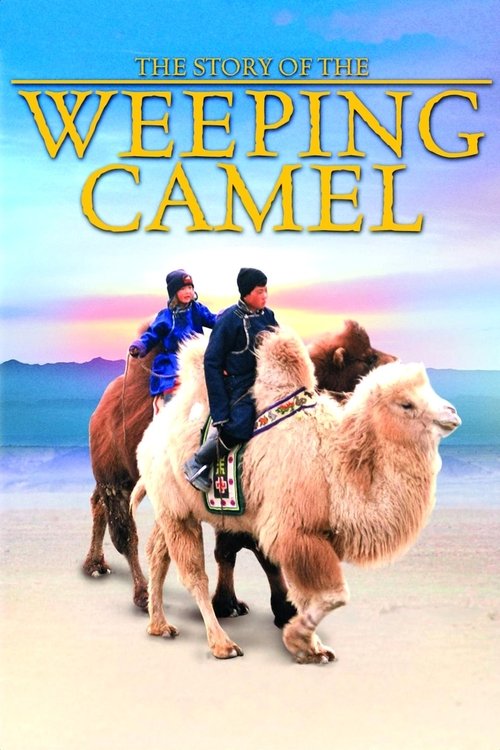
Both unfold intimate nomadic family life against harsh landscape, but this one finds an emotional story arc that transforms observation into intimate drama, showing how tradition and love survive pressure.
Mongolian family tries to coax a mother camel to nurse her rejected foal; combines nomadic herding life, seasonal hardship, and deep animal relationships with genuine narrative arc and humor. Utterly humanizing, never patronizing.
But Hybrid form—part documentary, part narrative reconstruction—blurs lines in ways purists find uncomfortable. Also, camel labor might feel distant from herding identity if you're after Tibetan specificity.
More like this (5)
Winged Migration2001
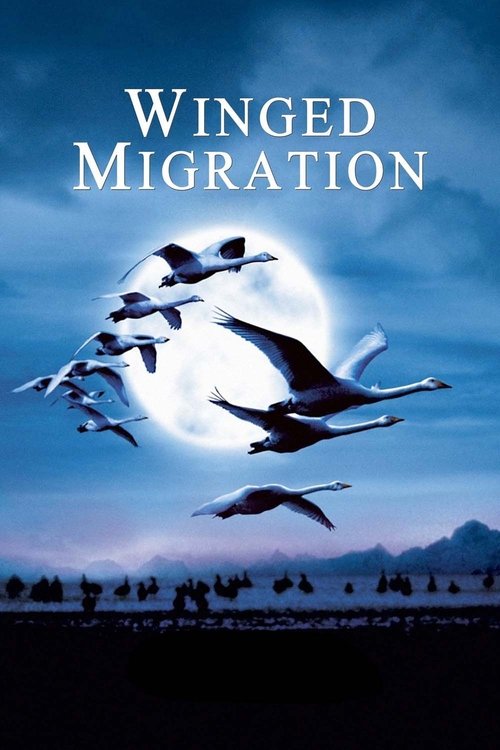
Follows animal migration across continents with panoramic beauty; shares the theme of movement, survival, and seasonal rhythm, though through non-human eyes and with more cinematic sweep.
But The soaring scope and beauty can feel almost abstract compared to the grounded human stakes of herding families.
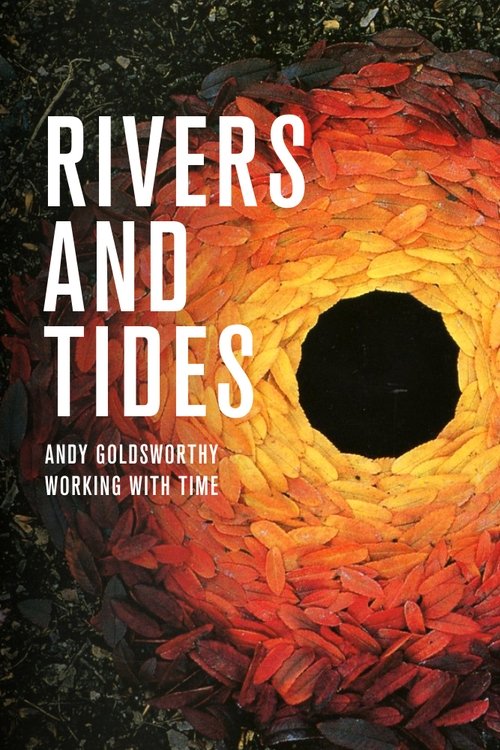
Rivers and Tides2001
Andy Goldsworthy making ephemeral art against nature; meditative on the creative relationship between people and mountain/water landscape, similarly contemplative and visually hypnotic.
But Focused on artistic practice rather than survival or cultural tradition; philosophically ethereal where Nomadic is ethnographically grounded.
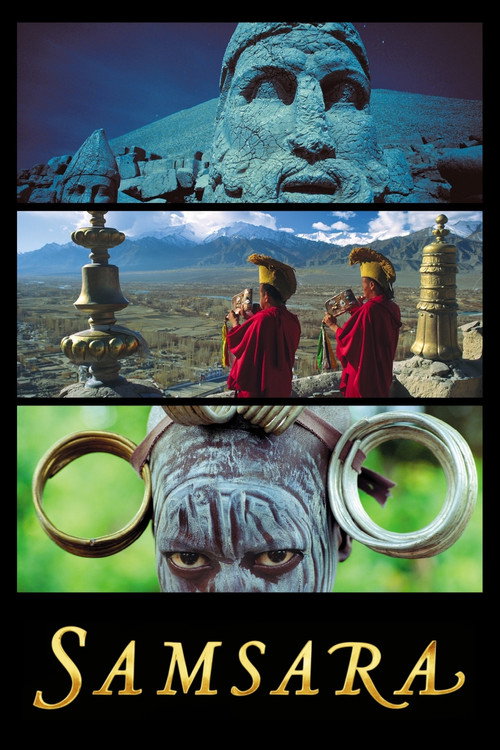
Samsara2011
Non-narrative visual meditation on human rituals, labor, and cycles across cultures and landscapes; matches Nomadic's spiritual register and patient observation of how people live within cycles.
But Completely wordless and abstract; you're reading meaning rather than learning about a specific community, which loses ethnographic specificity.
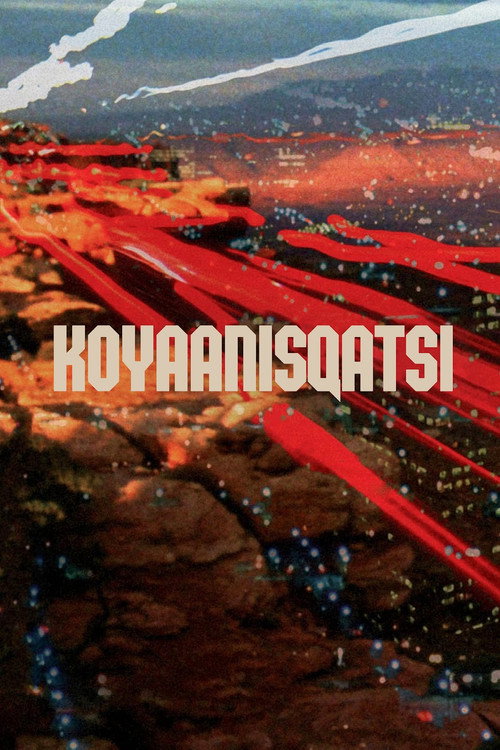
Koyaanisqatsi1983
Both use landscape and repetition as argument: Nomadic shows a rhythm being erased, Koyaanisqatsi shows the rhythm erasing it. Together they bracket the tragedy.
Wordless, hypnotic visual meditation on the collision between nature's cycles and industrial modernity; Philip Glass score creates trance state. It's the philosophical inverse of Nomadic—showing what's destroying the world Nomadic celebrates.
But Completely abstract, no people, no narrative; functions as visual essay rather than documentary. Some find it pretentious or suffocating rather than transcendent.
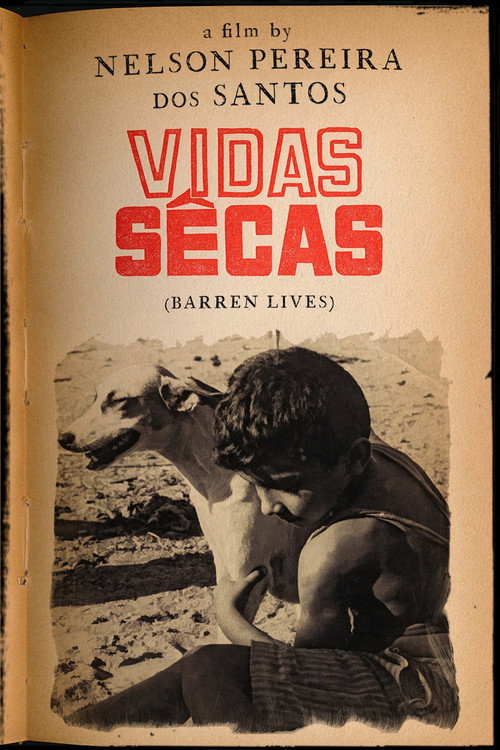
Barren Lives1963
Both follow families in perpetual migration, but Barren Lives shows the end of that road—when movement becomes desperation rather than tradition. It's what happens when nomadic life is no longer chosen.
Brazilian fiction film about a family of migrant farm laborers enduring drought and poverty; in Portuguese, decades old, absolutely shattering. Watches like documentary realism but sculpted as tragedy. Shows the human wreckage modernization leaves behind.
But Bleak and slow in ways that feel punishing; no beauty to soften the deprivation, which some experience as nihilism rather than witness. Non-English, black-and-white, demands emotional stamina.
People
Directing
- Artyk SuyundukovDirector
- Moldoseit MambetakunovDirector