
Film
Barren Lives
- Social drama
- Very dark
- Slow-burning
A 1963 Brazilian masterpiece about a family of migrant workers fleeing drought across the northeastern backlands. Severe, poetic, and unsparing—it watches suffering with dignity rather than sentiment. Shot in stark black and white, it moves like a folk ballad told by someone who has lived it. Essential cinema for anyone ready for beauty that doesn't comfort.
Should you watch it?
Watch it if you are moved by slow, observational cinema that trusts silence and landscape to carry a family's quiet dignity, and you like stories where hardship is shown in patient detail rather than speeches.
Skip it if you need propulsion or plot, since very little happens in the conventional sense and the bleakness is unrelenting, so the mood may wear you down.
What it asks of you: Settle in for roughly a hundred minutes of long walks, sparse dialogue and sun-baked stillness, with a pace set by the land rather than by the story.
Not sure? Find tonight's pick in a minute.
If you liked this
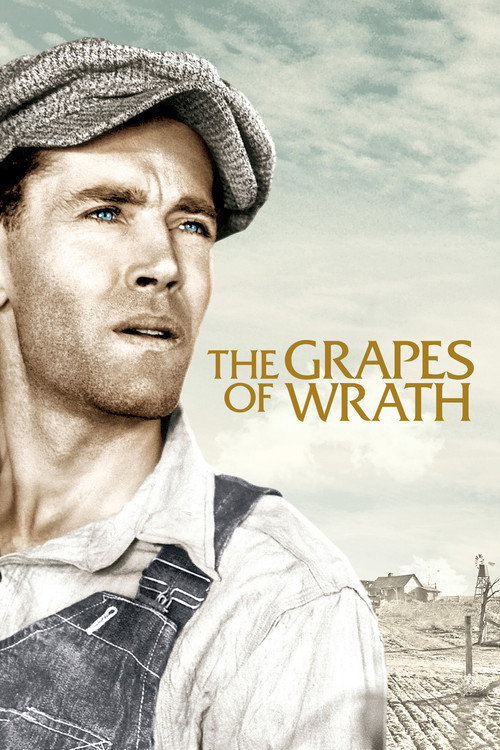
The Grapes of Wrath1940
Ford's American equivalent: dispossessed families on the road, nature as antagonist, the system indifferent to their survival. Shares Barren Lives' refusal to make poverty picturesque or redemptive.
But Longer, more explicitly political, and the ending gestures toward hope in a way Barren Lives never does. Some find it dated in style.
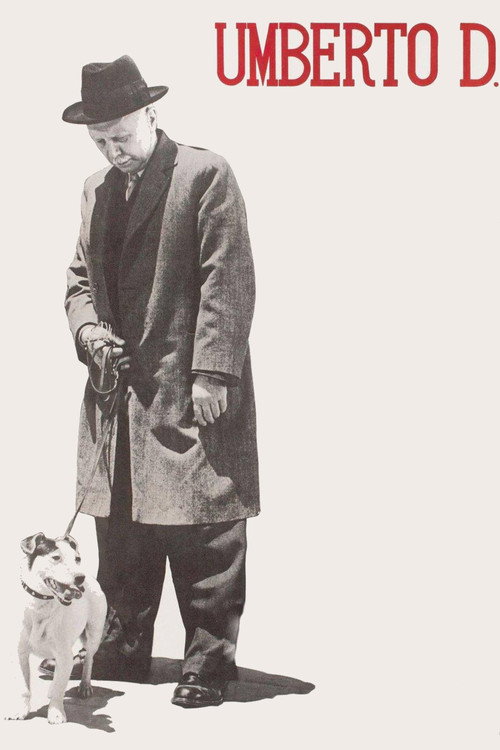
Umberto D.1952
De Sica's portrait of an old man stripped of dignity by poverty and bureaucracy. Both films find grandeur in the ordinary and refuse melodrama when depicting desperation.
But Even quieter than Barren Lives, almost plotless. The pacing will test patience; there's no music or artifice to carry you.
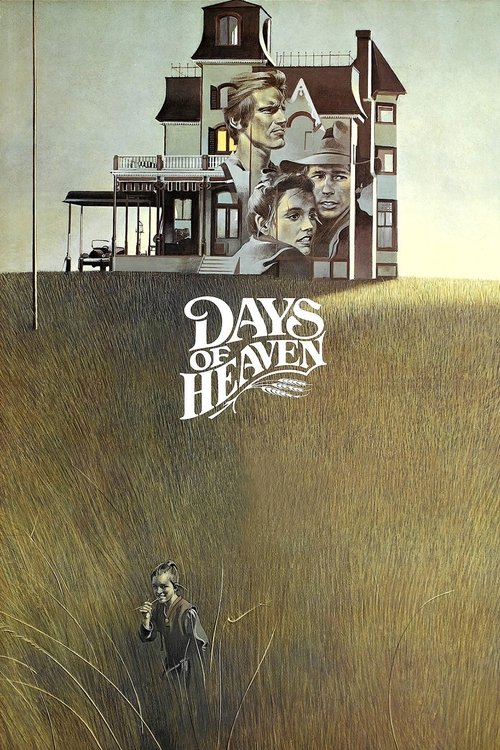
Days of Heaven1978
Malick's visually ravishing film about sharecroppers in Texas. Like Barren Lives, it treats rural labor and displacement as tragedy, and finds strange beauty in hardship.
But The narration is soft and distant; some feel it distances you from the characters rather than drawing you closer. Very different aesthetic register.
Not sure tonight? Get a pick in a minute, starting from Barren Lives
The wildcard
Something you would not have found on your own.
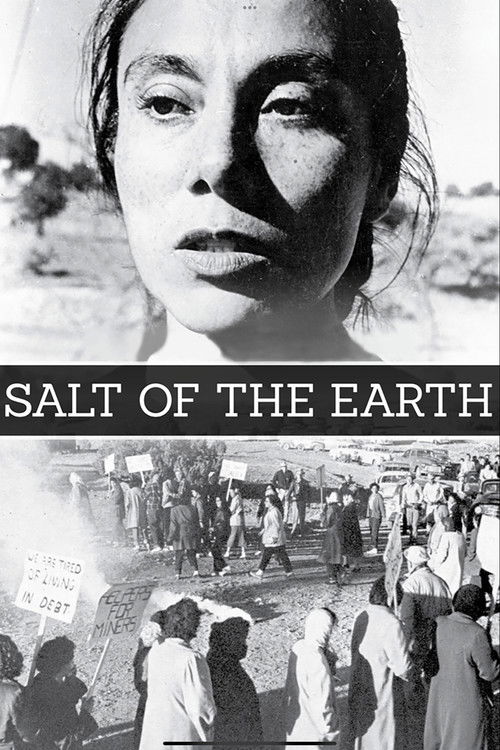
Salt of the Earth1954
Both are 1950s–60s films made by leftist artists depicting the powerlessness of the poor with unflinching clarity, but this one argues for collective action while Barren Lives shows only survival and fatigue.
A film about a miners' strike made by blacklisted communists, shot documentary-style with non-actors. It shares Barren Lives' commitment to showing labor, solidarity, and dignity among the dispossessed—and its willingness to show the system as fundamentally hostile.
But Explicitly didactic and agitprop, which can feel dated. The performances are unpolished, intentionally; some viewers mistake that for lack of skill rather than aesthetic choice.
More like this (7)
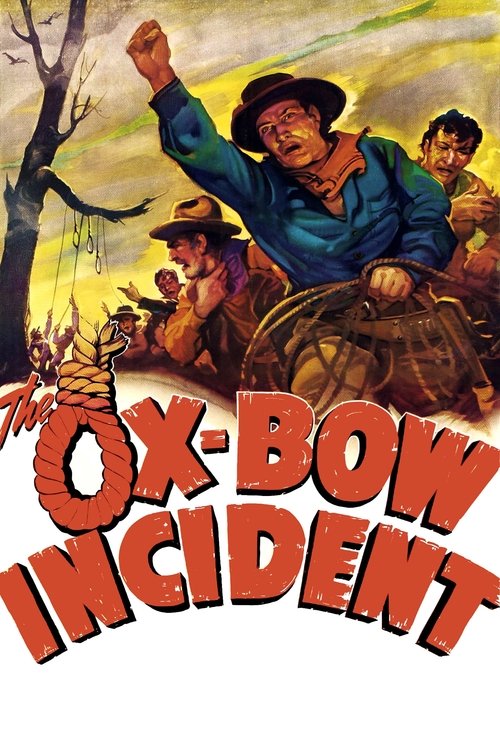
The Ox-Bow Incident1943
A western about justice, mob violence, and the powerlessness of ordinary people. Both explore how systems crush individuals and how cruelty comes dressed as law.
But Talkier and more overtly a morality play. The western elements are familiar; it's really a courtroom drama in a hat.
Come and See1985
Elem Klimov's unflinching record of childhood destroyed by war. Like Barren Lives, it refuses to soften atrocity or offer the viewer comfort; suffering is simply shown.
But Genuinely difficult—graphic violence, grotesque imagery. Not a film you watch for pleasure; you watch it to understand something true about cruelty.

The Ballad of Little Jo1993
A revisionist western about a woman surviving on the frontier by passing as a man. Shares Barren Lives' interest in survival outside law and gender, and in the West as place of exile rather than opportunity.
But Slower burn than most westerns, and the gender politics can feel more academic than lived. Maggie Greenwald's direction is deliberate rather than propulsive.

La Haine1995
Mathieu Kassovitz's black-and-white portrait of young men trapped by geography and class. The formal austerity and sense of a system designed to crush echo Barren Lives, though the register is youth and rage rather than exhaustion.
But Set in a Paris banlieue, so the world is very different. Some viewers find the aggression wearing rather than necessary.

Stalker1979
Tarkovsky's metaphysical journey across a bleak landscape. Both films move slowly through desolate terrain, and both treat landscape as a force that reveals character and fate.
But Nearly three hours, almost no plot, purely philosophical. Barren Lives has narrative momentum by comparison; this one requires genuine patience.

Winter Light1963
Bergman's film about faith and meaninglessness, shot in bleak Swedish winter. Made the same year as Barren Lives, it shares that era's unflinching gaze at human smallness and suffering.
But Chamber piece rather than epic; the suffering is spiritual and domestic rather than material. Some find Bergman's self-seriousness exhausting.

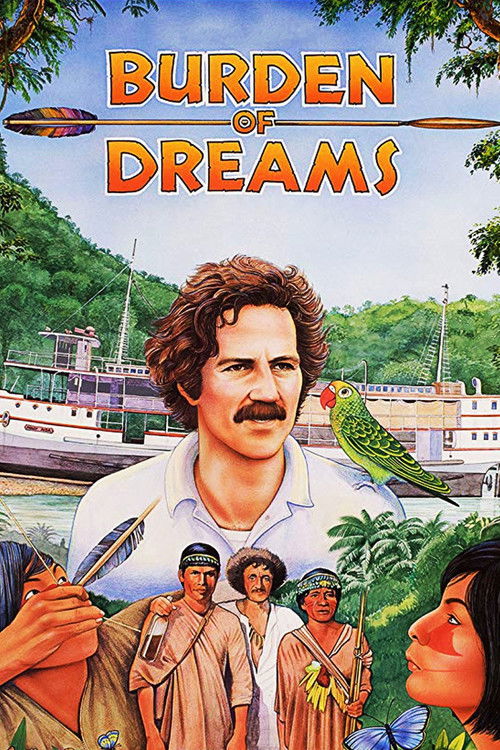
Burden of Dreams1982
Both are Brazilian/Amazonian in setting and concerned with humans at the mercy of landscape and brutality, but Burden reads the jungle as enemy to be conquered while Barren Lives shows it as indifferent to human suffering—a wholly different moral register.
Les Blank's documentary about Fitzcarraldo's production—specifically, about Werner Herzog attempting to move a ship over a mountain in the Peruvian jungle, destroying the land and the crew. A kind of anti-Barren Lives: it shows the will to dominate rather than endure, and the Amazon as obstacle rather than home.
But A documentary, not a narrative film. And it's about the making of a movie, which requires some investment in that context. At nearly three hours, it asks patience.
People
Cast
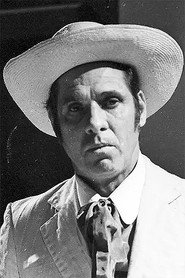 Átila IórioFabiano
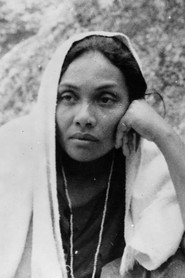 Maria RibeiroSinhá Vitória
- Gilvan LimaBoy
- Orlando MacedoSoldado Amarelo
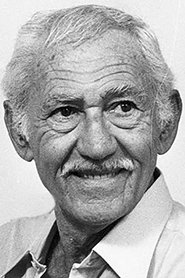 Jofre SoaresFazendeiro
Directing
- Nelson Pereira dos SantosDirector
Writing
- Graciliano RamosNovel
- Nelson Pereira dos SantosScreenplay
Production
- Danilo TrellesProducer
- Herbert RichersProducer
- Luiz Carlos BarretoProducer
Recommended by
Rio, 100 Degrees F°, The Green Wall, Black God, White Devil, The Given Word, The Bandit, Nomadic