
Film
The Bandit
A 1953 Brazilian Western set in the dusty Northeast outback, where a bandit and a kidnapped schoolteacher fall in love and flee across impossible terrain. It's shot in luminous black-and-white, balancing hardscrabble adventure with genuine tenderness. Essential viewing for anyone interested in cinema beyond the usual Hollywood canon.
Should you watch it?
Watch it if you love chase-and-landscape stories where a rugged outlaw tale doubles as a quiet romance, and you enjoy seeing a classic Western's rhythms transplanted to Brazil's sun-baked sertão.
Skip it if you need brisk plotting and modern pacing, since the film lingers on heat and wandering and its melodrama plays big.
What it asks of you: Expect a runtime of about an hour and three-quarters, with long stretches of dust, pursuit and silence, so give it patience rather than half your attention.
Not sure? Find tonight's pick in a minute.
If you liked this
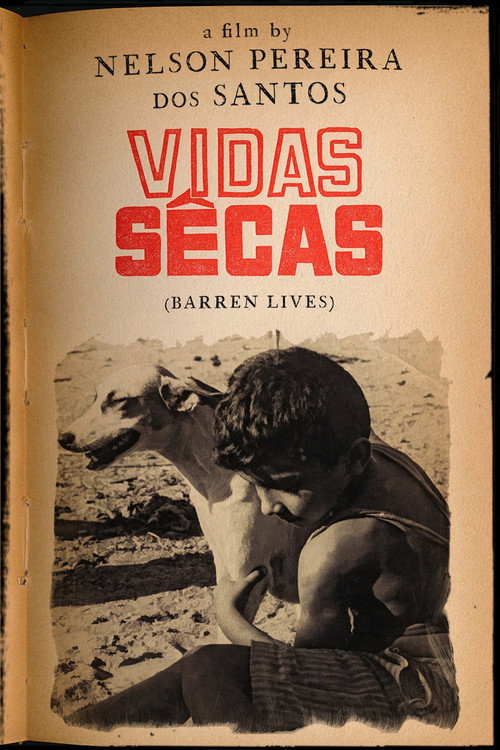
Barren Lives1963
Another masterpiece of Brazilian cinema set in the same harsh Northeast landscape. Explores drought, poverty, and human resilience through a family's journey, with visual poetry that rivals anything in world cinema.
But Deliberately sparse and emotionally subdued. It's a film about emptiness, so it won't give you the rush you might be seeking.
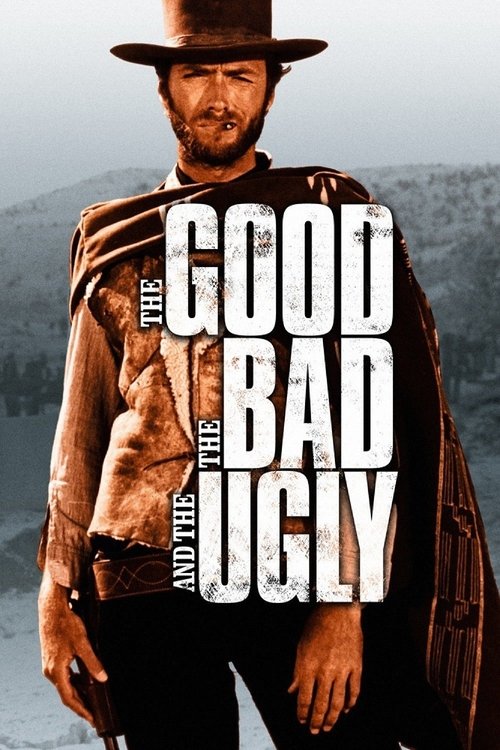
The Good, the Bad and the Ugly1966
If you want the Western form itself perfected, this is it. Sergio Leone's operatic vision of greed and survival in Monument Valley—every frame is composed like a painting.
But Three hours and very much a different tradition from the Brazilian approach. Italian, not American, but still the opposite of intimate.
Johnny Guitar1954
An American Western obsessed with landscape and feeling over plot mechanics, made by Nicholas Ray. Like *The Bandit*, it's more interested in human connection than gunplay.
But Structurally unconventional and the gender politics, while progressive for 1954, play oddly now. Some find it fascinating, others unfinished.

Not sure tonight? Get a pick in a minute, starting from The Bandit
The wildcard
Something you would not have found on your own.
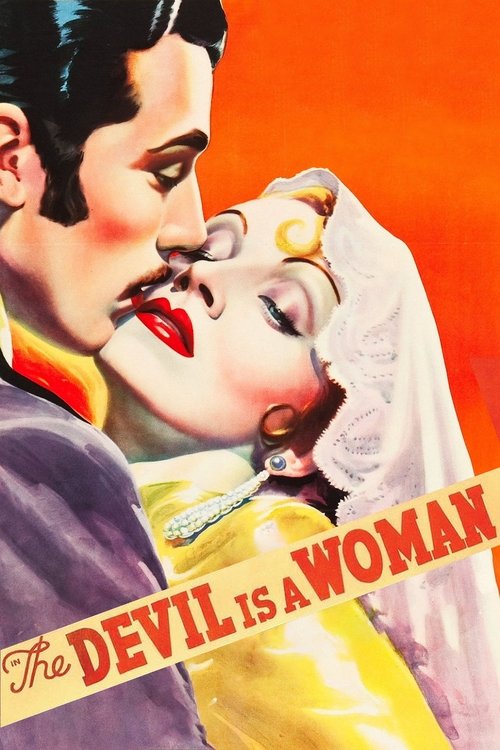
The Devil Is a Woman1935
Both films prize atmosphere and sensuality over mechanical plot. Both use landscape—whether sertão or Spain-as-fantasy—as an emotional space where conventional morality dissolves.
Josef von Sternberg's fever dream of a film, shot through gauze and cigarette smoke. It's a Western-adjacent melodrama where visual abstraction and dangerous desire are the whole story. Proves cinema can be pure mood and texture.
But Almost no plot and barely sixty minutes, but feels infinite. If you need narrative clarity and character consistency, this will frustrate you to rage.
More like this (7)
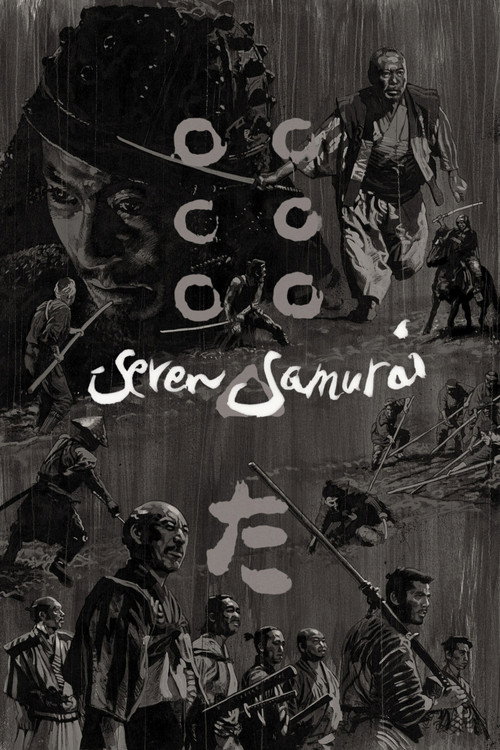
Seven Samurai1954
A group of outsiders and outcasts band together against overwhelming odds in Kurosawa's masterpiece. The emotional core—duty, loyalty, the cost of survival—echoes *The Bandit* across geography and genre.
But Nearly four hours and in Japanese. Requires the same patience commitment as the best films demand.
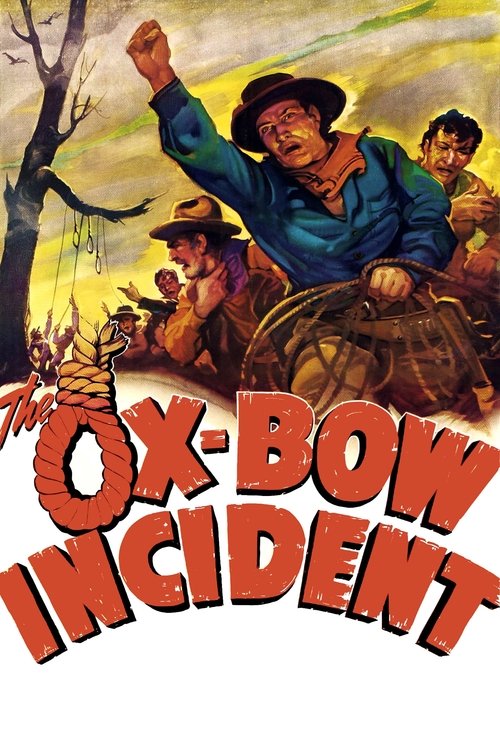
The Ox-Bow Incident1943
A Western that despises violence and questions mob justice. William Wellman's film is a moral reckoning disguised as a tense procedural, with the same complexity about right and wrong.
But Claustrophobic and pessimistic. The film argues the worst about human nature, which isn't entertainment so much as confrontation.
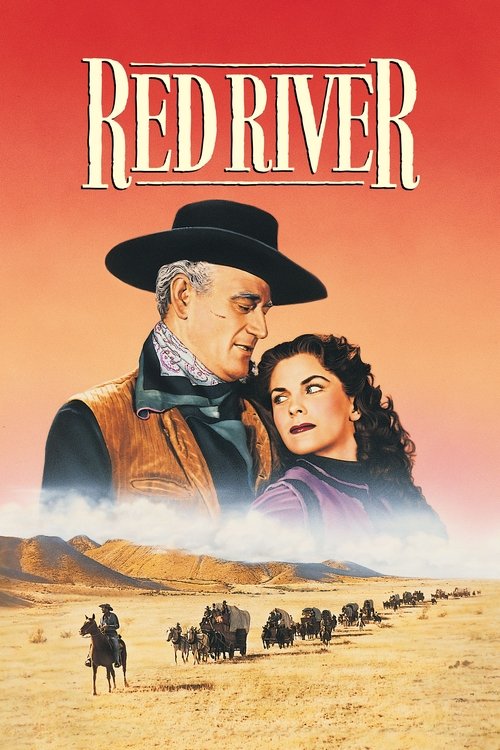
Red River1948
Howard Hawks' cattle-drive epic about the bond and fracture between father and son. Monument Valley becomes a character itself, as landscape-obsessed as *The Bandit* and far more ambitious in scope.
But Male-centered and over two hours, with a famous ending that divides viewers. Some find it sentimental, others inevitable.
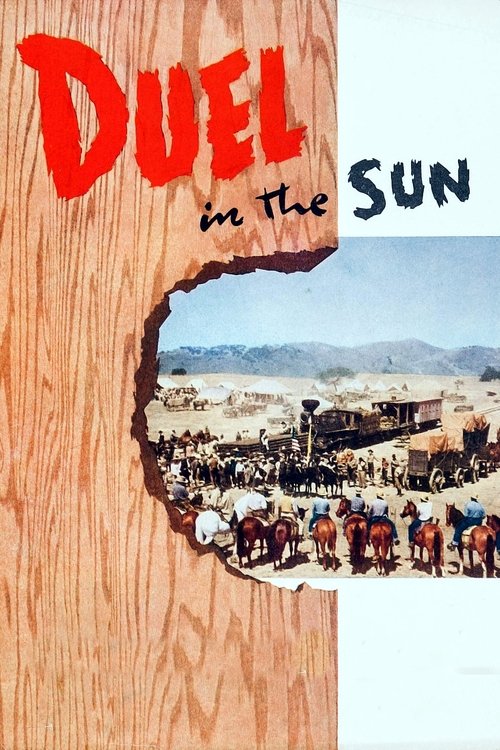
Duel in the Sun1946
A Technicolor Western melodrama about desire and class collision. Sensual and operatic—if you want the romance of *The Bandit* amplified into pure Hollywood spectacle.
But Wilfully overwrought and sometimes unintentionally funny. It wears its emotions so completely on the surface it can feel campy.
The Ballad of Little Jo1993
A revisionist Western about a woman passing as a man to survive the frontier. Maggie Greenwald's film shares *The Bandit*'s interest in outsiders finding grace in impossible circumstances.
But Quieter and more modernist than a traditional Western. The political overtones are deliberate rather than entertaining.

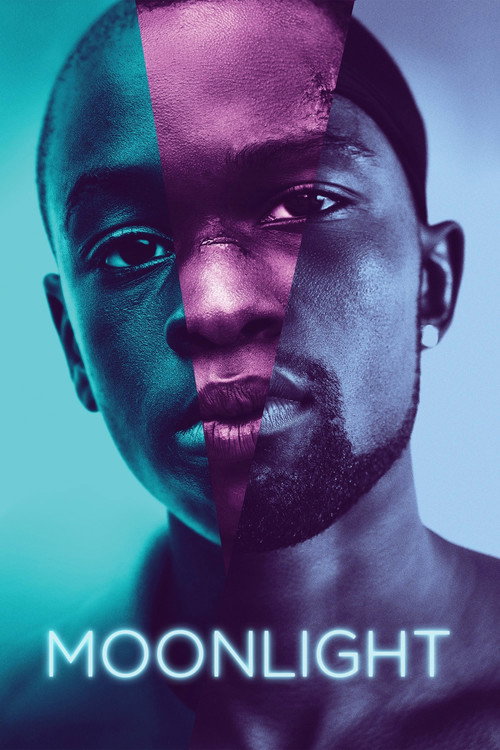
Moonlight2016
Both are love stories about outsiders finding refuge in each other despite circumstance. Both use visual beauty as a form of compassion. Both refuse easy resolution.
Barry Jenkins' three-chapter meditation on desire, identity, and safety in intimate spaces. Shot in luminous, almost painterly light that recalls *The Bandit*'s beauty. A modern film that understands what the 1953 film was doing emotionally.
But A portrait of a relationship rather than a story. Moves by accumulation and feeling, not plot momentum. Demands you sit with ambiguity and incompleteness.
Stalker1979
Both follow fugitives crossing dangerous territory toward an uncertain destination. Both trust landscape to carry meaning. Both suggest that the pursuit matters more than arrival.
Andrei Tarkovsky's hypnotic science-fiction meditation on desire and the cost of pursuing dreams. Shot in long takes across impossible terrain, it echoes *The Bandit*'s journey narrative but replaces the sertão with a mysterious Zone. Proof that adventure and philosophy can occupy the same film.
But 163 minutes of extremely slow cinema. Almost nothing happens by conventional standards. If you need forward momentum, this will test your patience past breaking.

People
Cast
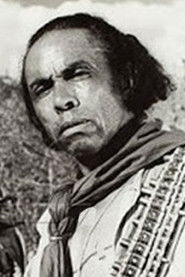 Milton RibeiroCapitão Galdino Ferreira
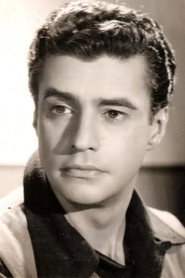 Alberto RuschelTeodoro
 Marisa PradoOlívia
 Vanja OricoMaria Clódia
- Zé do NorteZe, the singing outlaw
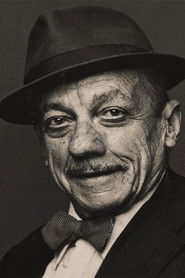 Adoniran BarbosaMané Mole
- Ricardo CamposTortured bandit
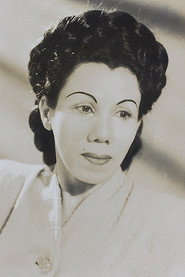 Nieta JunqueiraWoman in tears
Directing
- Dani BalboAssistant Director
- Galileu GarciaAssistant Director
- Bernadete RuchContinuity
- Lima BarretoDirector
Writing
- Rachel de QueirozDialogue
- CarybéStoryboard
- Lima BarretoWriter
Production
- Cid Leite da SilvaProducer
- Rigoberto PlothowProduction Assistant
- Valter ThomásProduction Assistant
Recommended by
How Art Made the World, Black God, White Devil, The Mayor of Casterbridge, The Man Who Broke 1,000 Chains