
Film
The Man Who Broke 1,000 Chains
A 1987 TV drama about Robert Elliot Burns, a man caught in Georgia's brutal chain-gang system who refuses to stay broken. Val Kilmer plays the relentless protagonist across two audacious escape attempts. It's angry, urgent cinema about institutional cruelty and human resilience—perfect for viewers who want their history lessons with genuine stakes and raw emotion.
If you liked this
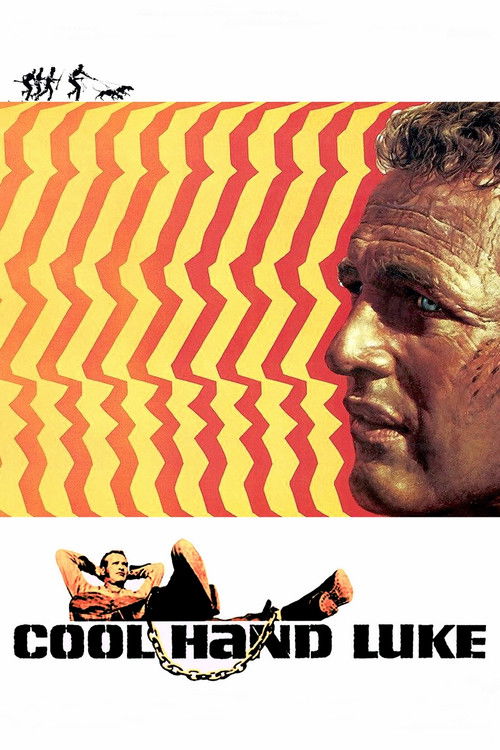
Cool Hand Luke1967
The definitive prison-escape film. Paul Newman plays an indomitable loner against an unstoppable system. Shares the chain-gang setting and the same fundamental question: what does it cost to break free?
But Slower and more philosophical than you might expect; the escape scenes are brief and the real drama is psychological, not action-packed.
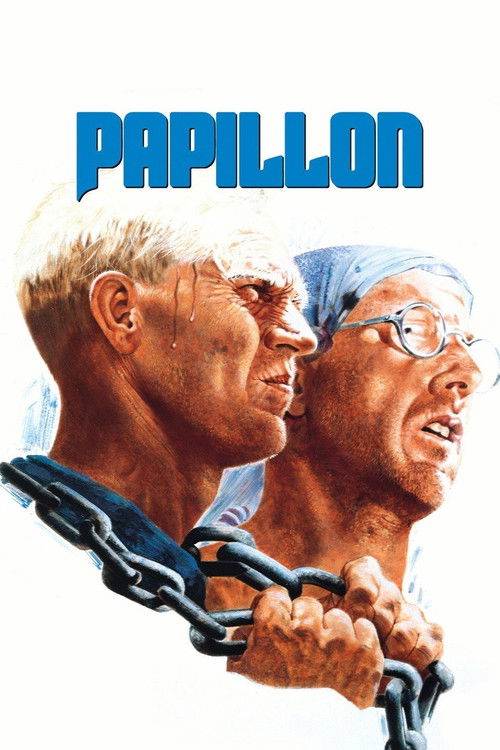
Papillon1973
Steve McQueen and Dustin Hoffman in a true-story escape epic across decades. The obsessive determination mirrors Burns' refusal to accept his sentence. Visceral, beautifully shot, and genuinely moving.
But Nearly two and a half hours, and brutal—not just the prison scenes but the moral wear of survival itself.
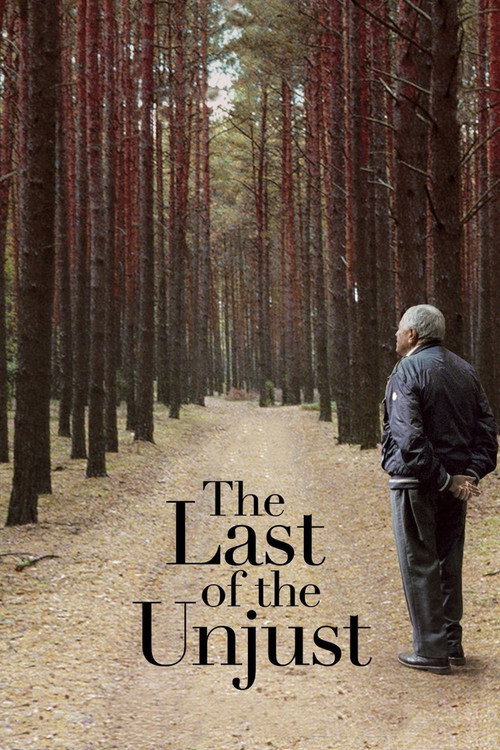
The Last of the Unjust2013
Claude Lanzmann documentary interviewing a ghetto elder about institutional evil and complicity. A different medium but the same moral archaeology: how do humans endure systematic dehumanization?
But A four-hour interrogation with no conventional narrative arc. It demands active engagement and offers no catharsis.
Not sure tonight? Get a pick in a minute, starting from The Man Who Broke 1,000 Chains
The wildcard
Something you would not have found on your own.
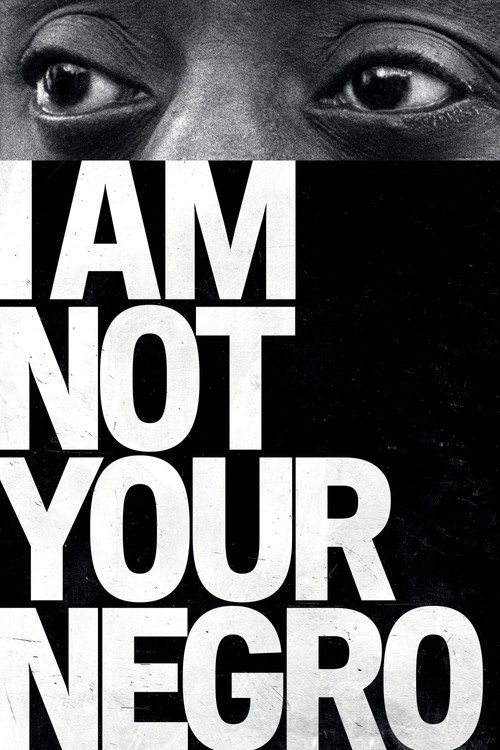
I Am Not Your Negro2017
Both examine how brutality is systematized and normalized; both ask what it means to resist when the system itself is the prison.
Raoul Peck's essay-documentary uses James Baldwin's writing and archival footage to anatomize American racial violence and the systems that perpetuate it. The same moral clarity as Burns' story but applied to a nation's architecture of cruelty. Cinematically inventive and furious.
But Not a narrative film. It's an argument, and if you disagree with Baldwin's diagnosis, it will feel didactic rather than revelatory.
More like this (7)
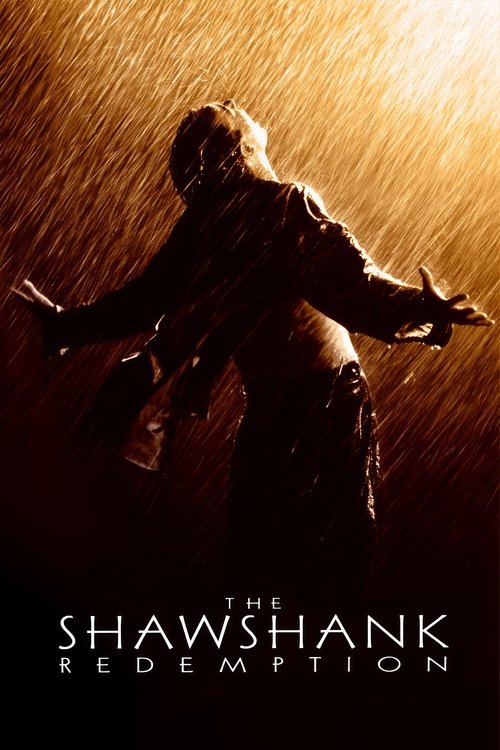
The Shawshank Redemption1994
The modern archetype of wrongful imprisonment and quiet resistance. Tim Robbins' patient brilliance and Morgan Freeman's warmth make the brutality bearable and the escape genuinely earned.
But You've probably seen it. And it's gentler than Burns' story, which can feel like a reassuring lie about how hope works.
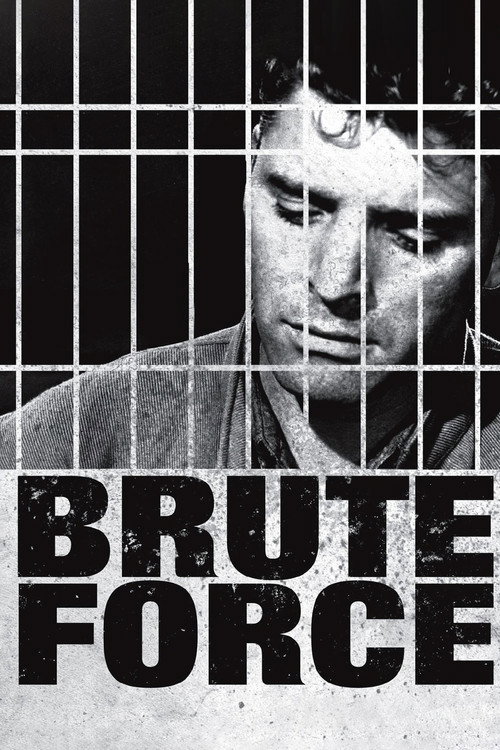
Brute Force1947
Jules Dassin's brutal noir about men ground down by a sadistic system. Raw, angry, and formally innovative. Shows how American prison cinema began and how angry it was willing to be.
But A 1947 B-picture with dated dialogue and uneven performances. The brutality is real but the art sometimes feels creaky.
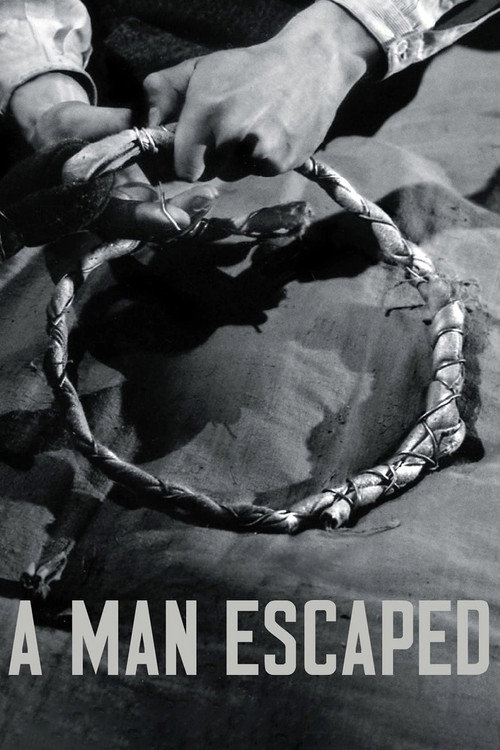
A Man Escaped1956
Robert Bresson's methodical masterpiece about a French Resistance fighter's meticulous escape from a Nazi prison. Hypnotic in its precision. The spiritual dimension elevates escape from plot to philosophy.
But Bresson's style is glacial and austere. If you want momentum and emotion, this will feel like watching someone carefully plan a shelf for ninety minutes.
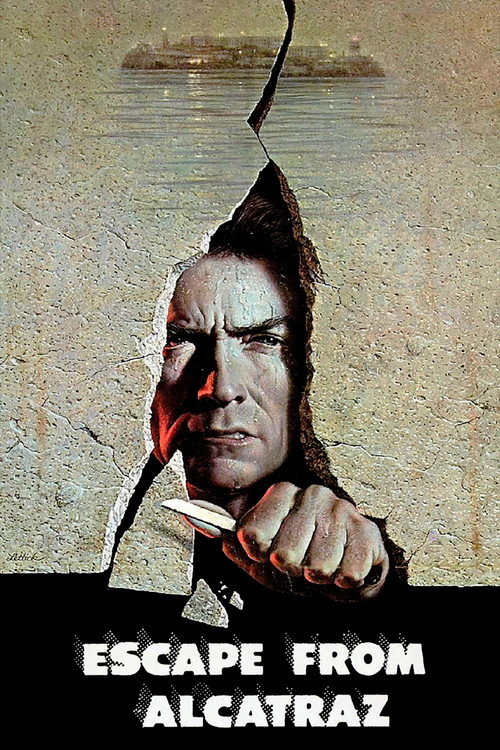
Escape from Alcatraz1979
Clint Eastwood's patient, crafted escape film. Less about the escape than about the quiet will to reclaim dignity in an inescapable place. Beautifully made and deeply humane.
But The mystery of whether they actually escaped means the ending can feel unresolved. Some prefer their escapes definitive.
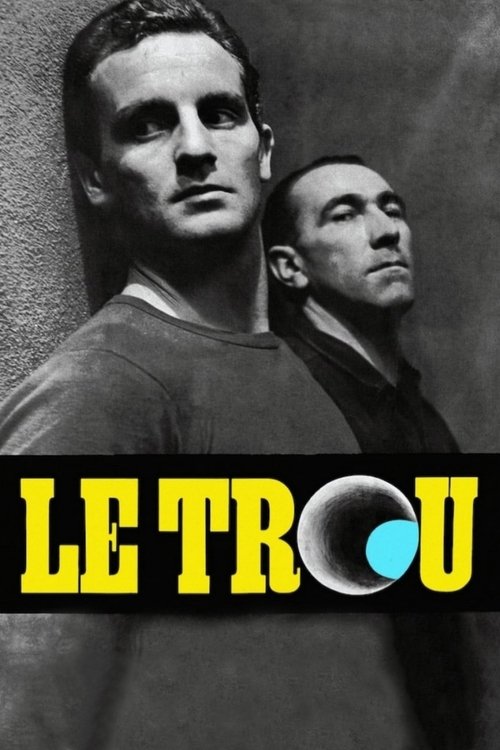
Le Trou1960
Jacques Becker's French prison film about a meticulously planned escape from a maximum-security facility. Suspenseful, methodical, and genuinely tense. A masterclass in building dread.
But Black and white, French, and the ending is famous for being exactly what you don't want. Some find that devastating; some find it nihilistic.
The Bandit1953
Both are true-crime histories told from the perspective of the hunted rather than the hunter. Both ask: what makes a man a criminal—his actions or his circumstances?
A Brazilian bandit film from the 1950s about outlaws in the sertão, shot in stunning Technicolor. A completely different cultural register—South American, folk-mythic, gorgeously composed—but about men outside law by necessity and defiance.
But It's a 1953 film in Portuguese with subtitles. The mythology is unfamiliar to most Anglo audiences and the pacing is unhurried.

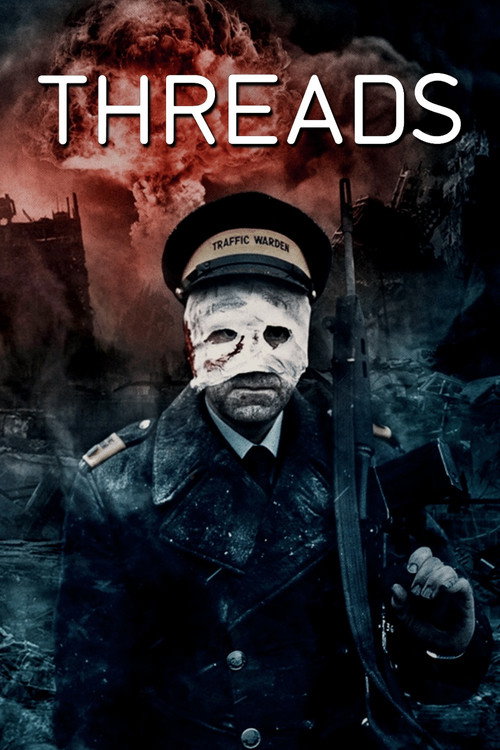
Threads1984
Both are unsparing about institutional brutality and the human cost of systems designed to contain or destroy people. Both refuse to look away or offer false comfort.
A British TV film about nuclear war and societal collapse. Brutally realistic, structurally innovative, and absolutely devastating. Not a prison film, but it's about systematic suffering and the breakdown of human dignity—the same moral engine as Burns' story, applied to apocalypse.
But One of the most bleak films ever made. If you watch it, it will stay with you like a wound. It offers no redemption and no escape.
People
Cast
 Val KilmerRobert Elliot Burns / Elliot Roberts
 Sonia BragaEmily Del Pino Pacheco
 Charles DurningWarden Hardy
 Kyra SedgwickLillian Salo
 James KeachFather Vincent Godfrey Burns
 Clancy BrownFlagg
 Elisha Cook Jr.Pappy Glue
 William SandersonTrump
 Taj MahalBones
 Paul BenjaminBig Sam
- Bill BolenderRayford
- Esther BensonMother Burns
Directing
- Daniel MannDirector
Writing
- Vincent Godfrey BurnsBook
- Michael CampusWriter
Production
- Michael CampusExecutive Producer
- Yoram Ben-AmiProducer