
Film
Brute Force
- Prison
- Very dark
A brutally visceral 1947 prison drama where Burt Lancaster's charisma clashes with Hume Cronyn's ice-cold cruelty. Director Jules Dassin crafts an almost operatic tale of institutional violence and desperate men, shot with noir shadows and propulsive energy. For anyone who loves crime cinema with moral weight and no sentimentality.
Should you watch it?
Watch it if you love hard-edged prison pictures where the tension comes from grinding routine and simmering resentment rather than big set pieces, and you don't mind a little melodrama.
Skip it if you want a clean, fast-moving thriller, since this one spends much of its time inside cell blocks and conversations, and its speechifying can feel heavy-handed.
What it asks of you: A slow, bleak, close-quartered run of about 98 minutes that lingers on the grind of prison routine more than on plot.
Not sure? Find tonight's pick in a minute.
If you liked this
The Killers1946
Lancaster's debut, directed by Robert Siodmak with the same cold precision and doomed-man atmosphere. A perfect companion piece—both feature him as a man fighting systems larger than himself, with stunning black-and-white cinematography.
But It's a bit more stylish and less grounded than Brute Force; the plot requires some suspension of disbelief about timing and coincidence.

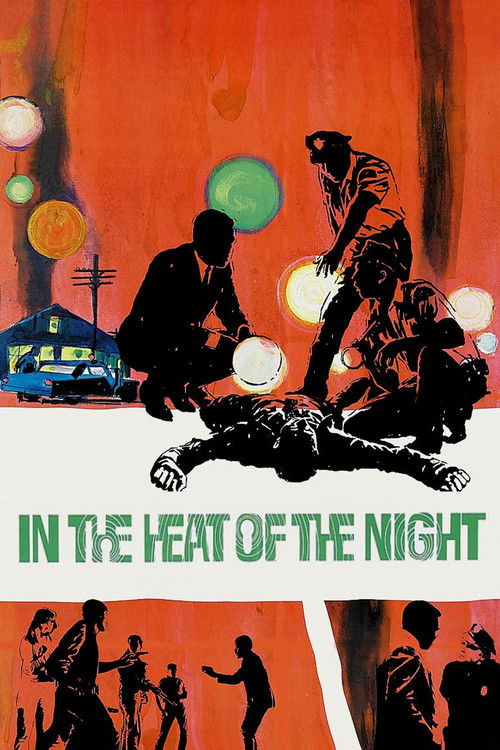
In the Heat of the Night1967
Sidney Poitier and Rod Steiger in a pressure cooker of institutional racism and violence. Like Brute Force, it's about power imbalance and the explosive moment when someone refuses to accept it. Taut, angry, essential.
But It belongs to a different era tonally—more measured, less operatic—and some find the resolution too neat for the ugliness it depicts.
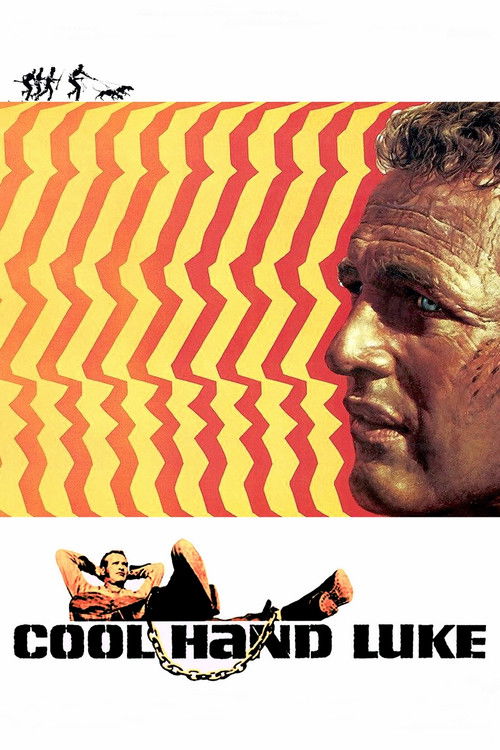
Cool Hand Luke1967
Paul Newman as an inmate refusing to break. Prison as a system of impossible choices and small rebellions. The atmosphere of hopelessness and the inventiveness of resistance echo Brute Force directly, with darkly funny moments breaking the tension.
But The tone is more picaresque and loose; if you want Brute Force's relentless intensity, this meanders slightly too much.
Not sure tonight? Get a pick in a minute, starting from Brute Force
The wildcard
Something you would not have found on your own.
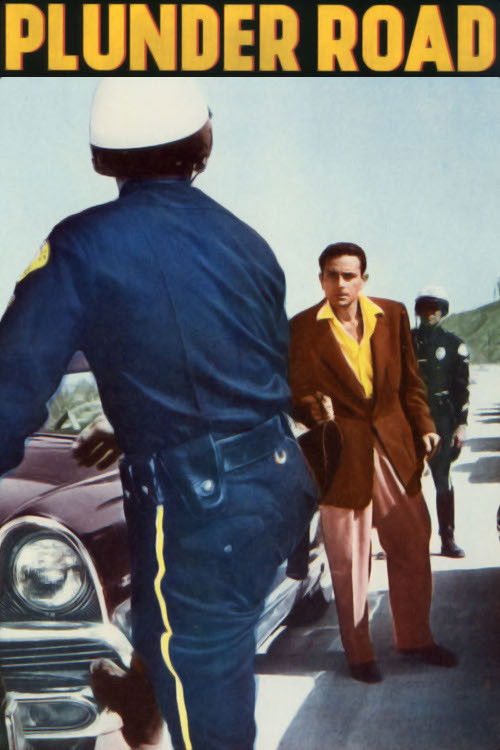
Plunder Road1957
Both are about systems of control and the moment they shatter; both use violence not as spectacle but as the inevitable language of men with no other way to speak.
A heist film with the same visual style and moral universe as Brute Force—men locked in hierarchy, violence simmering beneath protocol, an atmosphere of paranoia and desperation. Director Hubert Cornfield makes every frame about power and who controls it. The heist is almost secondary to the claustrophobia.
But It's obscure enough that it requires effort to find, and the pacing in the second act is deliberately slow in a way that can feel glacial. Some prints are incomplete.
More like this (8)
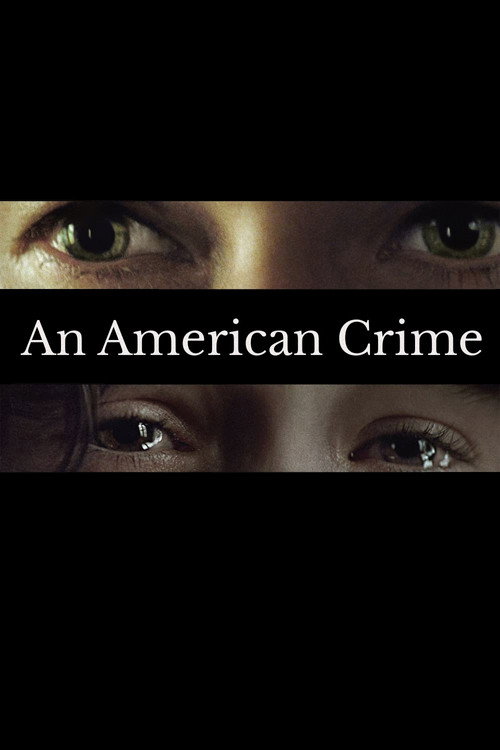
An American Crime2007
Ellen Page and Catherine Keener in a harrowing true-crime drama about institutional cruelty happening in plain sight. Like Brute Force, it's about how systems allow sadism to flourish when someone in power decides the rules don't apply.
But It's set in the 1960s suburbs rather than a prison, and its horror is domestic—less cinematic, more sickeningly intimate. Some find it punishing to watch.
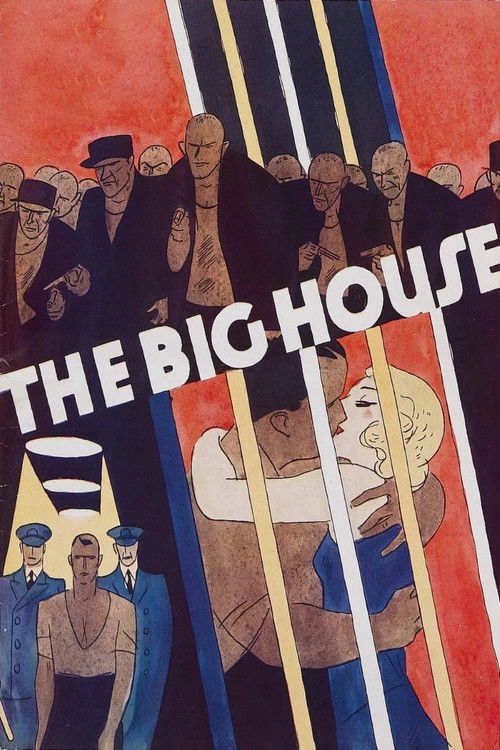
The Big House1930
An earlier prison film that shares Brute Force's DNA: guards as tyrants, inmates as a desperate collective, violence as currency. The sound design and staging are primitive by Lancaster's standards, but the ideas are identical and rawer.
But Pre-code film means it's shorter, shorter on dialogue, and more reliant on visual storytelling. Some scenes feel dated even by 1930 standards.
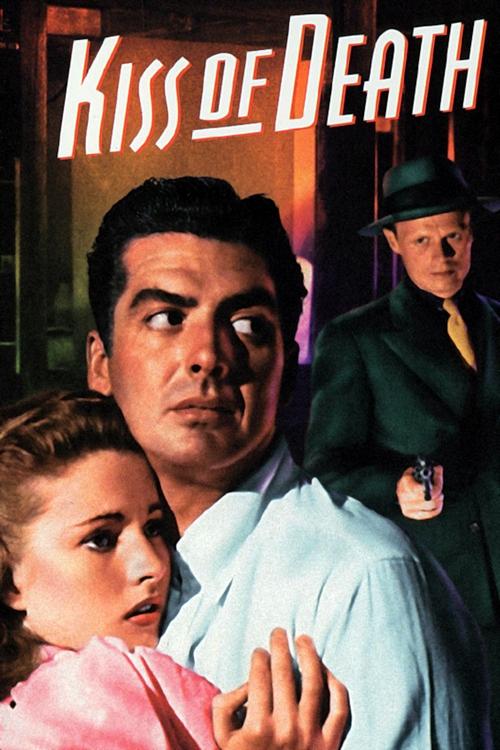
Kiss of Death1947
Released the same year as Brute Force, Richard Widmark's debut as a psychotic informant is electric with barely contained violence. Similar noir sensibility, similar interest in how institutions corrupt and break men, similar propulsive energy.
But It's a slightly more conventional crime narrative, less interested in systems and more in plot mechanics. Widmark's villain can overshadow the moral complexity.
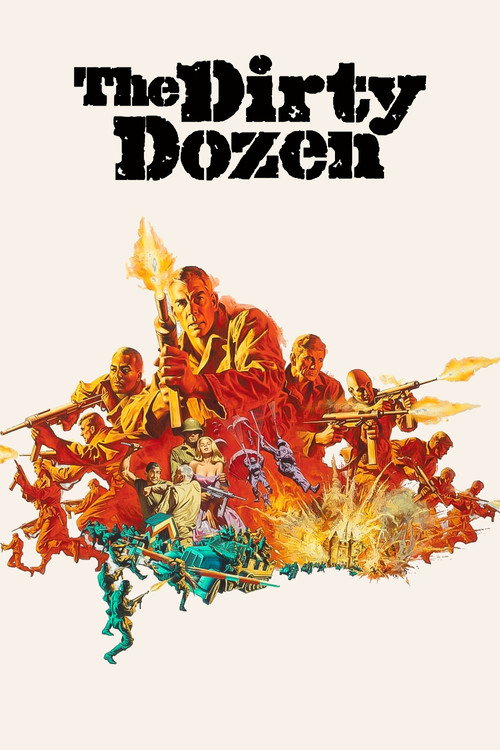
The Dirty Dozen1967
A prison-break structure applied to war: officers and men trapped in hierarchy, a sadistic authority figure, the only way out is through coordinated rebellion. Lee Marvin and Charles Bronson embody the same coiled resentment as Lancaster's Joe.
But It's much longer, much more adventure than drama, and the stakes shift from personal to geopolitical. Episodic in a way that dilutes psychological pressure.
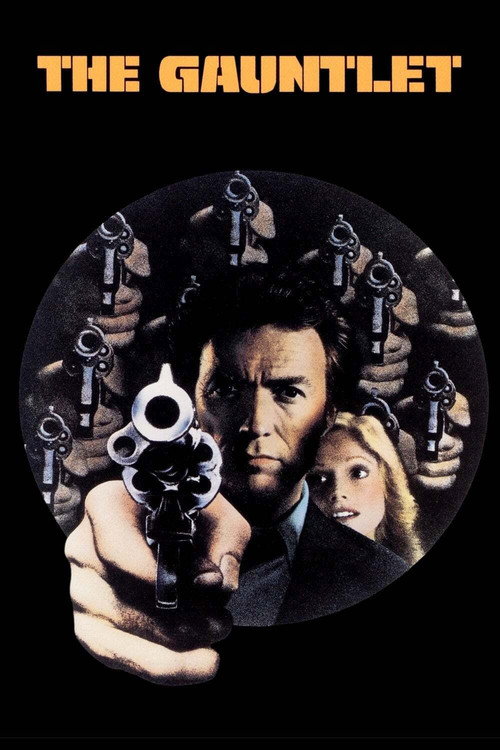
The Gauntlet1977
Clint Eastwood as a cop hunted by a system that should protect him. Like Brute Force, it's about isolation within an institution and the moment you realize no one's coming to help. Paranoid, tense, efficient.
But It's more of a chase film than a character study. The institutional corruption is plot device rather than the point itself.
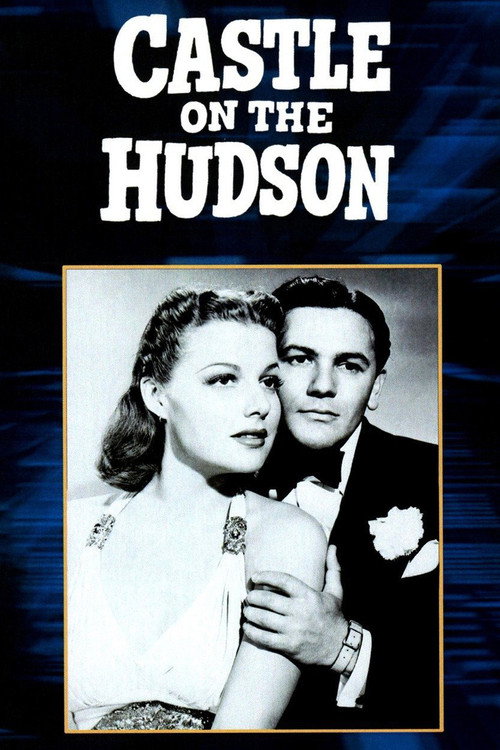
Castle on the Hudson1940
John Garfield in an earlier, similar prison story with guards as tormentors and escape as the only option. The same moral clarity: the system isn't broken, it's working as designed to crush people.
But It's gentler and more optimistic than Brute Force, less willing to sit in the darkness. The ending feels redemptive in a way that can read as false.
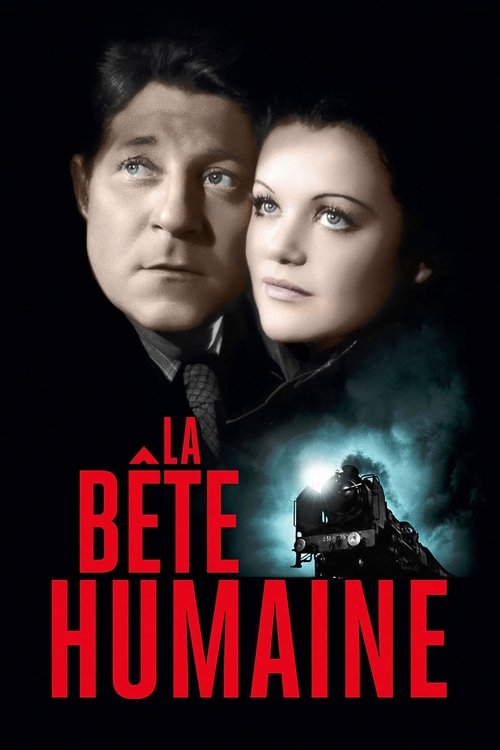
La Bête Humaine1938
Both argue that escape is impossible because the chains are internal; both suggest that the institution wins not through force alone but by making its prisoners complicit.
Jean Renoir's masterpiece about fate, desire, and institutional indifference. A railway worker and a woman caught in cycles they cannot escape. It has Brute Force's fatalism and interest in how systems grind people down, but expressed through passion instead of bars.
But It's French, it's from 1938, and it's a melodrama—if you want Brute Force's direct brutality, this approaches cruelty through longing and inevitability. The sexual violence is implied, not shown, which some find frustrating.
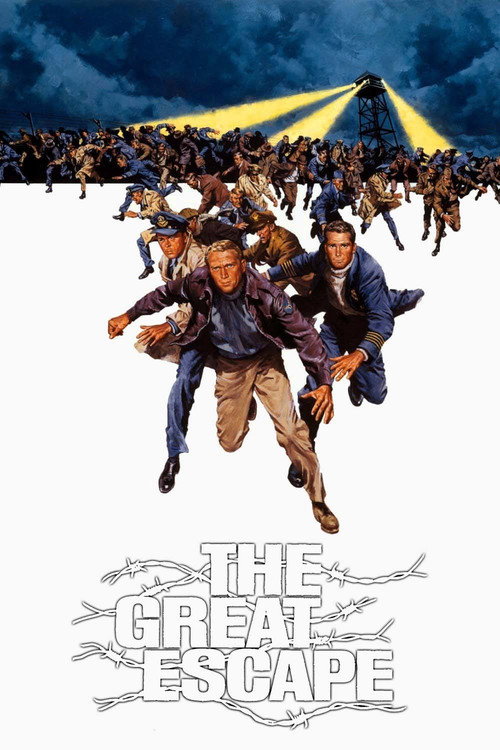
The Great Escape1963
Both treat institutional escape as a test of character rather than a plot point; both understand that the real prison is the system that makes you plan your own death rather than endure its cruelty.
Steve Reeves and an all-star cast in a POW camp. But unlike the adventure-heist version you might expect, John Sturges made something grimmer—a film about the cost of resistance, the mathematics of who lives and who dies, and the small rebellions that keep men human. It has Brute Force's atmosphere.
But It's long, ensemble-heavy, and sometimes the adventure plot overwhelms the moral weight. Some sequences feel like pure Hollywood momentum rather than character exploration.
People
Cast
 Burt LancasterJoe Collins
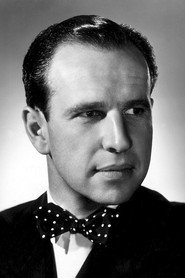 Hume CronynCapt. Munsey
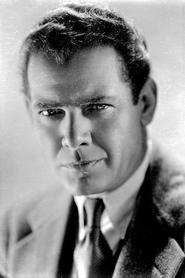 Charles BickfordGallagher
 Yvonne De CarloGina Ferrara
 Ann BlythRuth
 Ella RainesCora Lister
 Anita ColbyFlossie
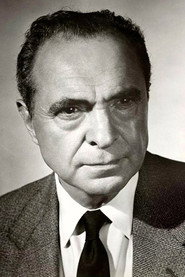 Sam LeveneLouie Miller #7033
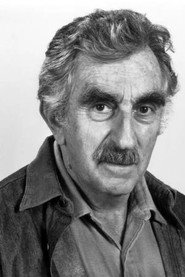 Jeff Corey'Freshman' Stack
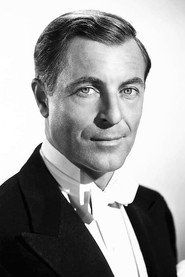 John HoytSpencer
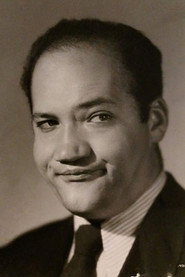 Jack OvermanKid Coy
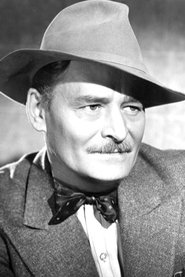 Roman BohnenWarden A.J. Barnes
Directing
- Fred FrankAssistant Director
- Jules DassinDirector
Writing
- Richard BrooksScreenplay
- Robert PattersonStory
Production
- Jules BuckAssociate Producer
- Mark HellingerProducer
Recommended by
Oz, Riot in Cell Block 11, The Big House, Castle on the Hudson, No Way Out, Women in Cages, The Cross of Lorraine, The Man Who Broke 1,000 Chains