
Film
Castle on the Hudson
A 1940 prison drama where a cynical career criminal clashes with an idealistic warden trying to modernise the system. It's a tight, morally complex story about redemption that resists easy answers, anchored by John Garfield's raw charisma and the film's refusal to sentimentalise either side. For fans of character-driven crime stories with real bite.
If you liked this
The Killers1946
Another Burt Lancaster debut with John Garfield's same dangerous energy—a former boxer caught between criminal past and legitimate life. Hemingway-adapted, tense, and structured like a puzzle box that reveals character through violence.
But The narrative jumps around in time, which can feel fragmented on first viewing. Some scenes feel talky by modern standards.

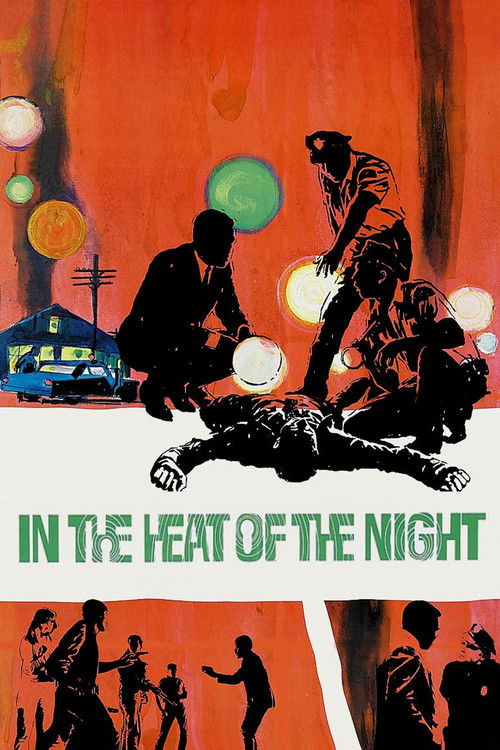
In the Heat of the Night1967
Sidney Poitier and Rod Steiger in a prison-adjacent crime drama that explores authority, respect, and the systems meant to enforce them. Magnificent performances and a script that trusts the audience to handle moral complexity without preaching.
But It's overtly political in ways that can feel heavy-handed now. The pacing is deliberate—this is a film that makes you sit with discomfort.
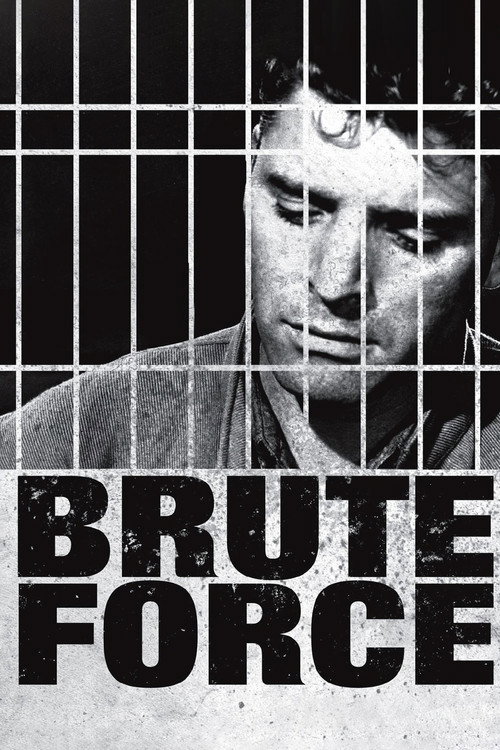
Brute Force1947
Jules Dassin's masterpiece about a prison uprising: visceral, angry, and visually inventive. It captures the claustrophobic rage of incarceration with a fury that still feels dangerous. Burt Lancaster commands every frame.
But The violence is shocking for a 1940s film and remains genuinely upsetting. Some plot threads feel secondary to the prison dynamics.
Not sure tonight? Get a pick in a minute, starting from Castle on the Hudson
The wildcard
Something you would not have found on your own.
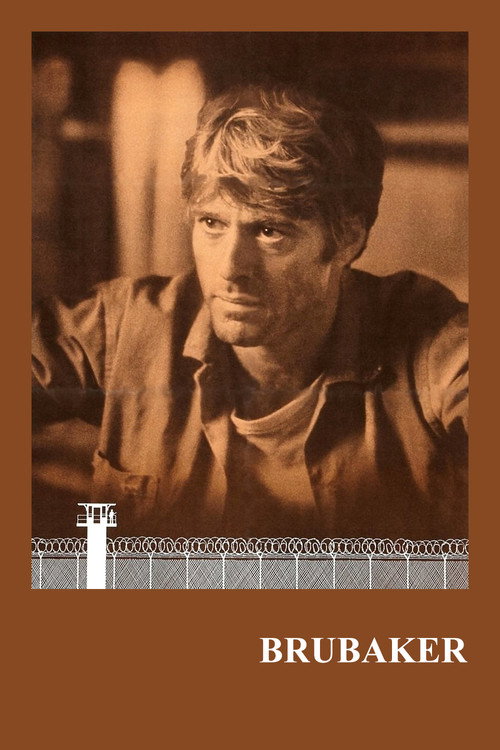
Brubaker1980
Both pit idealistic reformers against entrenched institutional cynicism, but Brubaker asks what happens when the warden himself becomes the underdog fighting the system.
Robert Redford plays a warden who goes undercover as an inmate to expose corruption—it inverts Castle on the Hudson's premise entirely. Instead of the criminal learning, the system learns, and it explores the same questions about reform with Redford's particular moral clarity.
But It's earnest in a very 1980s way. Some scenes feel like an extended PSA about prison reform rather than dramatic tension, which blunts the storytelling.
More like this (8)
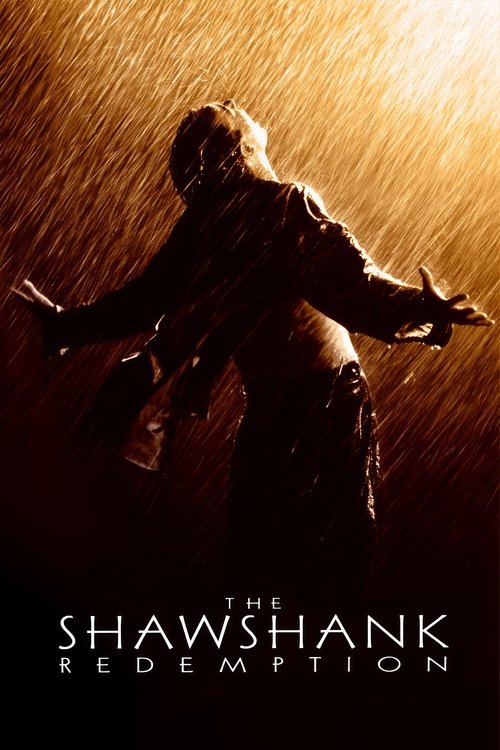
The Shawshank Redemption1994
A warden and prisoner locked in a complex power struggle where both are trapped by their own philosophies. Beautifully crafted, emotionally generous, and built on the same foundation of institutional drama and personal redemption.
But It's beloved to the point of oversaturation. If you've seen it, you know exactly where it goes. Some find its optimism saccharine.
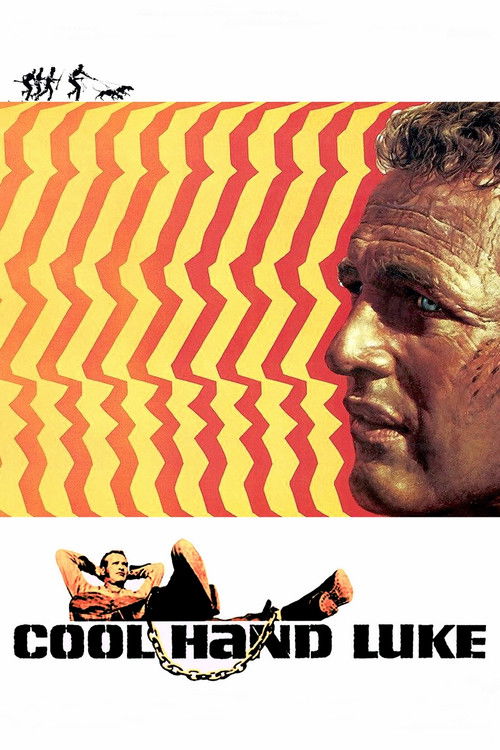
Cool Hand Luke1967
Paul Newman as an inmate resisting a brutal system through sheer force of will. It's funnier than it has any right to be, but never lets you forget the cruelty underlying the comedy. A perfect balance of entertainment and edge.
But The violence escalates to genuinely disturbing territory. The prison labour sequences are meant to be dehumanising, which means they work—and that can be hard to watch.
A Prophet2009
A young man enters prison as a nobody and transforms through cunning and moral compromise. French, modern, absolutely gripping. It has Castle on the Hudson's interest in how institutions reshape people, but with far more moral ambiguity.
But It's subtitled. The pace is glacial in places—this is a film about watching someone's psychology shift, not about plot momentum.

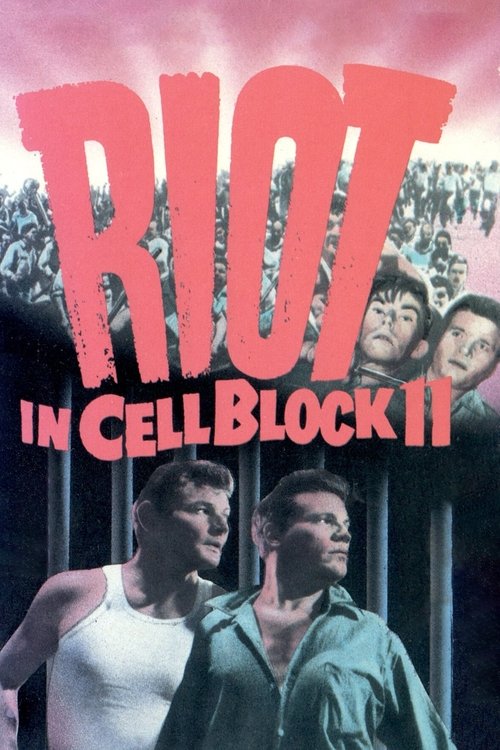
Riot in Cell Block 111954
Shot inside an actual prison with mostly non-professional actors, this docudrama captures the raw texture of incarceration. It's a prison uprising film with anthropological detail and real physical authenticity that no studio recreation can match.
But The narrative is loose and deliberately unglamorous. Some viewers find the semi-documentary approach dry compared to more dramatic prison stories.
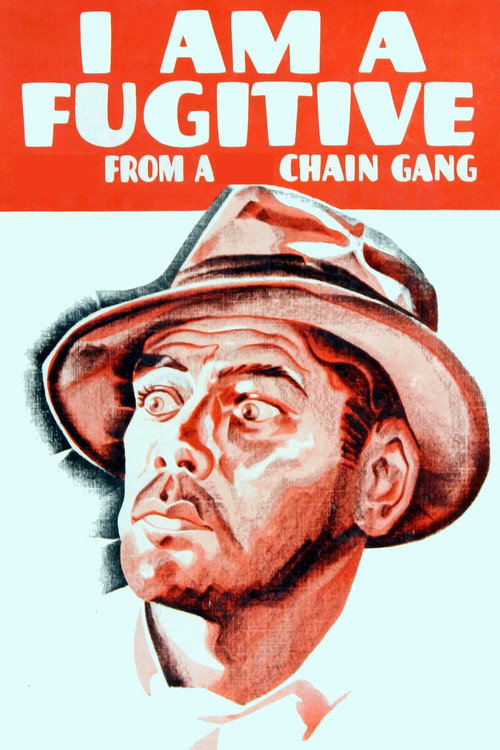
I Am a Fugitive from a Chain Gang1932
Paul Muni in the film that essentially invented the prison drama as a social crusade. It's urgent, angry, and genuinely moving about how the system grinds people into criminals. Directed by Michael Curtiz with real fury underneath the craft.
But It's genuinely pessimistic—the ending is a gut punch that offers no comfort. The pacing is brisk to the point of occasionally feeling rushed.
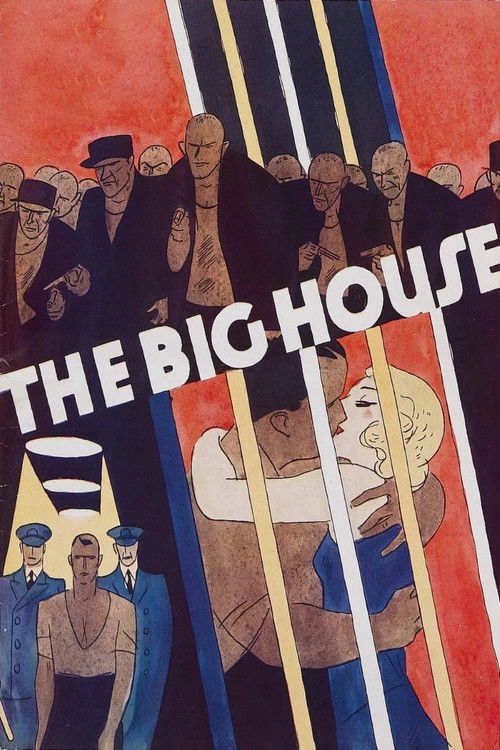
The Big House1930
One of the first great sound-era prison films, with Wallace Beery and Chester Morris. It established the template for everything that followed: the power dynamics, the moral questions, the sense of a world unto itself. A classic that earned that status.
But It's almost a century old, and some of the acting conventions read as overwrought now. The story, while gripping, hits its beats fairly predictably for modern audiences.
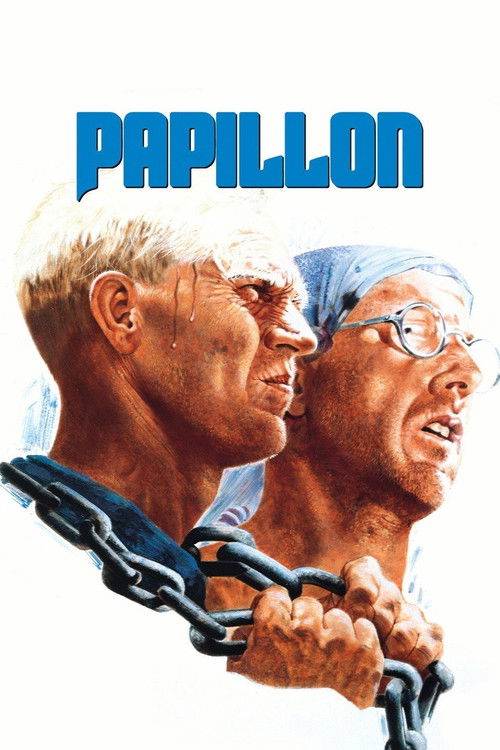
Papillon1973
Both understand prison as a crucible that forges character, but where Castle on the Hudson finds redemption, Papillon finds only obsession and the scars that never fully heal.
Steve McQueen and Dustin Hoffman in a sprawling, obsessive escape epic. It's about men defined entirely by their relationship to imprisonment—not the moral dimensions Castle on the Hudson explores, but the philosophical ones. What does freedom mean when captivity has shaped your entire being?
But It's long, repetitive by design, and the second half dissipates into episodic escape attempts. McQueen's stoicism can feel distant. The pacing reflects the monotony of imprisonment—which is the point, but it's still monotonous.
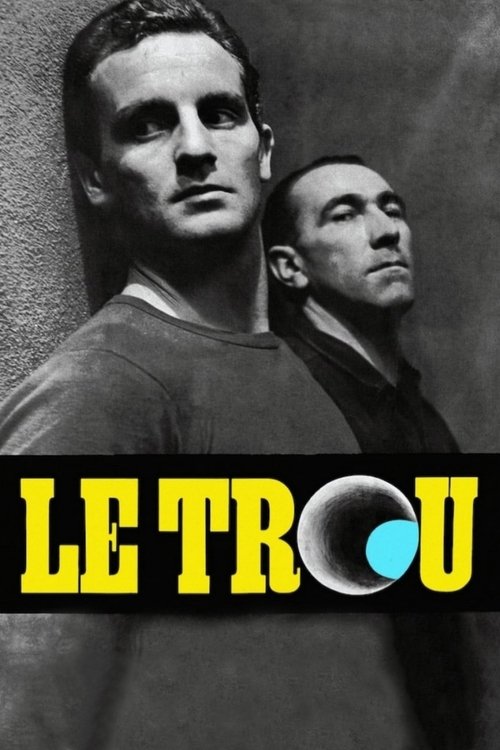
Le Trou1960
Where Castle on the Hudson examines the moral architecture of prisons, Le Trou strips away all philosophy and presents imprisonment as a purely physical, existential problem—men trapped in concrete who will sacrifice everything for an inch of freedom.
A French prison escape film of almost unbearable suspense—four inmates plan a breakout with mathematical precision. It's Bresson-adjacent in its ascetic realism; every detail matters because escape requires perfect execution. The final act is devastating.
But It's slow-burn tension with minimal dialogue and virtually no musical score. If you need action and excitement, this will feel like watching paint dry. The ending refuses catharsis.
People
Cast
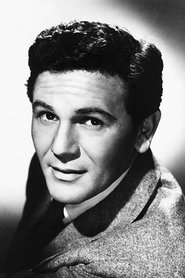 John GarfieldTommy Gordon
 Ann SheridanKay Manners
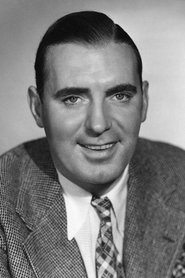 Pat O'BrienWarden Walter Long
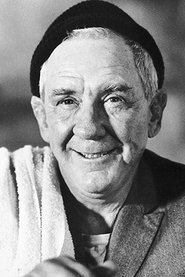 Burgess MeredithSteve Rockford
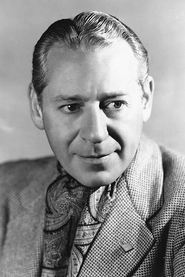 Henry O'NeillDistrict Attorney
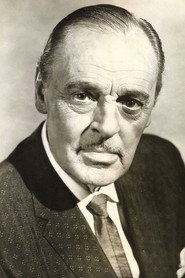 Jerome CowanEd Crowley
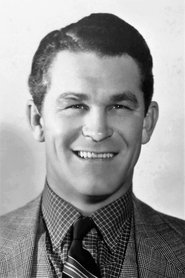 Guinn 'Big Boy' WilliamsMike Cagle
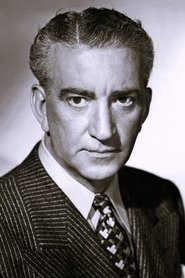 John LitelPrison Chaplain
 Margot StevensonAnn Rockford
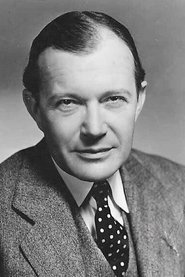 Willard RobertsonRagan
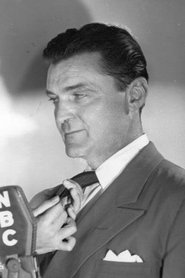 Edward PawleyBlack Jack
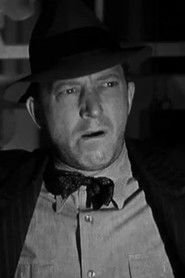 Billy WaynePete
Directing
- Anatole LitvakDirector
Writing
- Lewis E. LawesNovel
- Brown HolmesScreenplay
- Courtney TerrettScreenplay
- Seton I. MillerScreenplay
Production
- Samuel BischoffAssociate Producer
- Jack L. WarnerExecutive In Charge Of Production
- Hal B. WallisExecutive Producer