
Film
No Way Out
Other titles called No Way Out: the 1987 film.
A tense 1950 noir thriller where a Black doctor is falsely accused of murder by a dying white patient, forcing him to navigate racism, corruption, and violence to clear his name. It's a lean, propulsive crime drama that uses its tight plot to examine systemic injustice without preaching. Essential viewing for anyone interested in how cinema confronted racial prejudice early and directly.
Should you watch it?
Watch it if you enjoy pressure-cooker interrogations where suspicion and prejudice do the work, and the dialogue carries a blunt moral argument you'll still be turning over afterward.
Skip it if the racism on display is deliberately ugly and its era's bluntness can make some scenes feel stagey, so if you want restrained subtlety this may frustrate you.
What it asks of you: It runs under two hours of mostly talky, tightly wound scenes, asking for steady attention rather than action breaks, and it holds one tense mood throughout.
Not sure? Find tonight's pick in a minute.
If you liked this
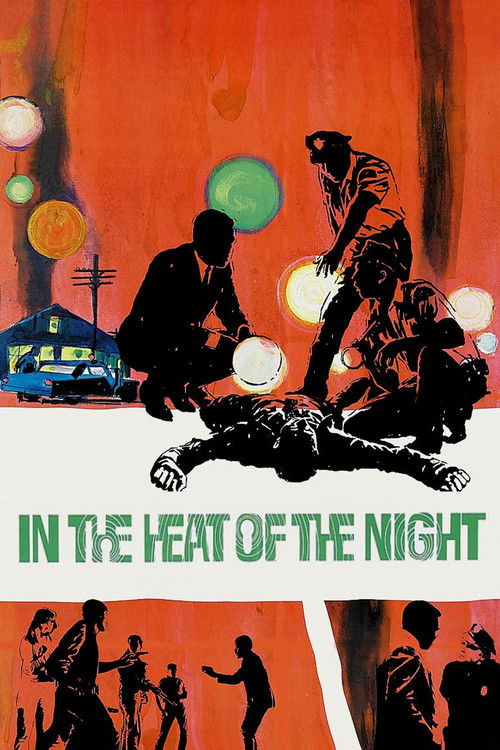
In the Heat of the Night1967
Sidney Poitier returns to similar territory—a Black professional wrongly suspected of a crime in a hostile Southern setting. This time he's a detective, and the moral authority has shifted. Taut, intelligent, and genuinely thrilling.
But It's more famous and obvious, which can flatten the viewing experience if you're expecting fresh ground. The pacing is measured rather than breathless.
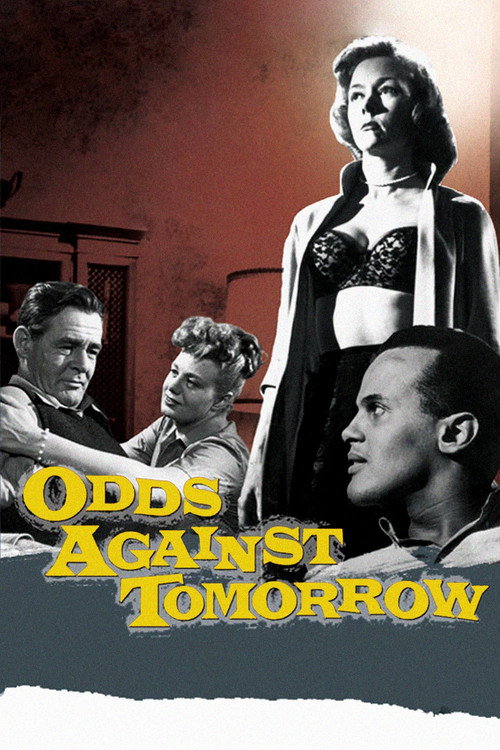
Odds Against Tomorrow1959
A heist noir that treats its Black protagonist with complete seriousness and refuses easy answers about race and character. Tense, stylish, and built on the same moral complexity that makes No Way Out sing.
But The heist plot is secondary to the character study, which may frustrate anyone wanting a straight crime thriller. Black and white cinematography requires patience from modern viewers.
The Killing1956
Kubrick's debut is a masterclass in lean noir storytelling—fragmented, propulsive, no wasted scenes. If you loved how No Way Out wrings tension from a simple setup, this is the next step.
But It's more formally complex and less focused on character than No Way Out. The circular structure can feel cold.

Not sure tonight? Get a pick in a minute, starting from No Way Out
The wildcard
Something you would not have found on your own.
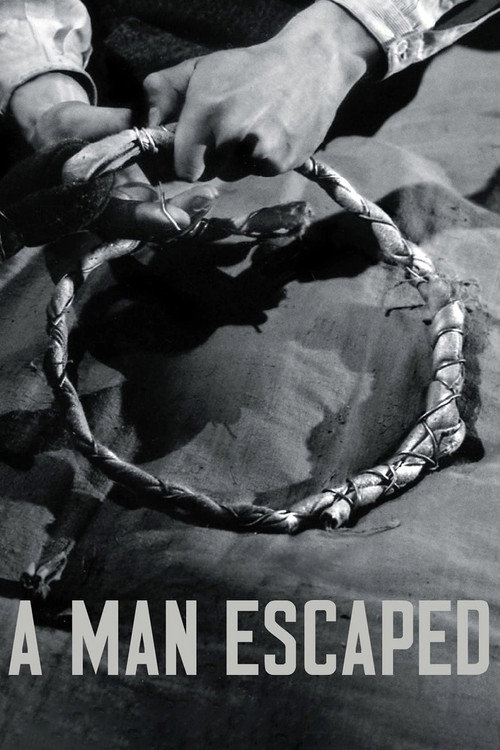
A Man Escaped1956
Both center an innocent man fighting a rigged system with limited resources and no allies in authority. Both understand that survival requires clarity and resolve, not luck or sentiment.
Bresson's austere prison-escape film shares No Way Out's obsession with a man falsely trapped by circumstance, but approaches it with spiritual and technical rigor. It's about dignity and will in the face of dehumanizing systems. Devastating and profound.
But Bresson's minimalism is the opposite of Hollywood drama. Dialogue is sparse, emotion is internal, and patience is required. It's a film for active watching, not passive consumption.
More like this (8)
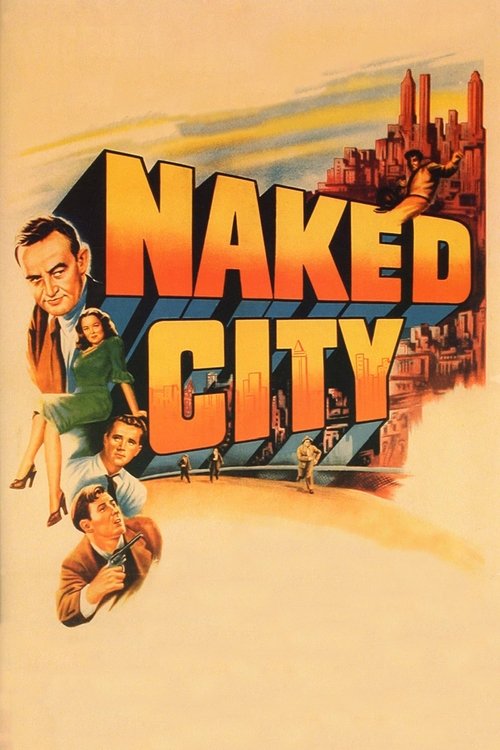
The Naked City1948
Contemporary noir with the same New York energy and sense of corruption seeping through institutions. Excellently acted and genuinely committed to gritty realism over glamour.
But It's a police procedural at heart, so it lacks the personal stakes of No Way Out. Some sequences feel dated in their pacing.
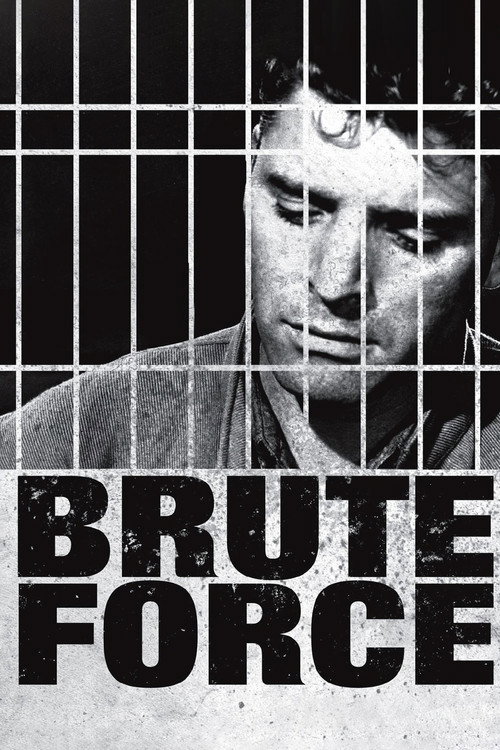
Brute Force1947
Dasein's prison noir is morally uncompromising and visually inventive. It shares No Way Out's rage at institutional cruelty and its refusal to let audiences sit comfortably.
But The violence is stark and upsetting; it's not entertainment. Some viewers find the social messaging heavy-handed.
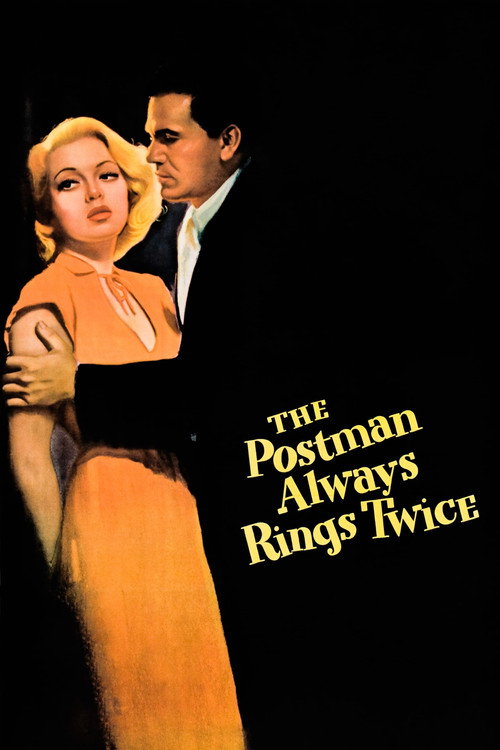
The Postman Always Rings Twice1946
Lana Turner and John Garfield in Tay Garnett's scorching adaptation. Pure noir poison—desire, betrayal, moral decay. Exceptionally well-made and deeply unsettling in the best way.
But It's slower and more atmospheric than No Way Out, with less plot momentum. The sexual content and implications may feel dated to some.
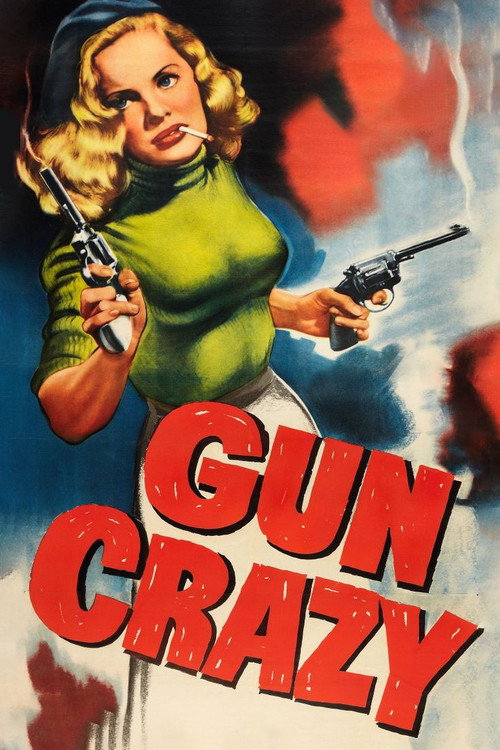
Gun Crazy1950
Released the same year as No Way Out, this lovers-on-the-run crime film moves like a bullet and has real visual flair. Sharp, stylish, and proof that 1950 was a great year for American noir.
But It's more interested in romance and mood than justice or morality. The female lead's agency is complicated by modern standards.
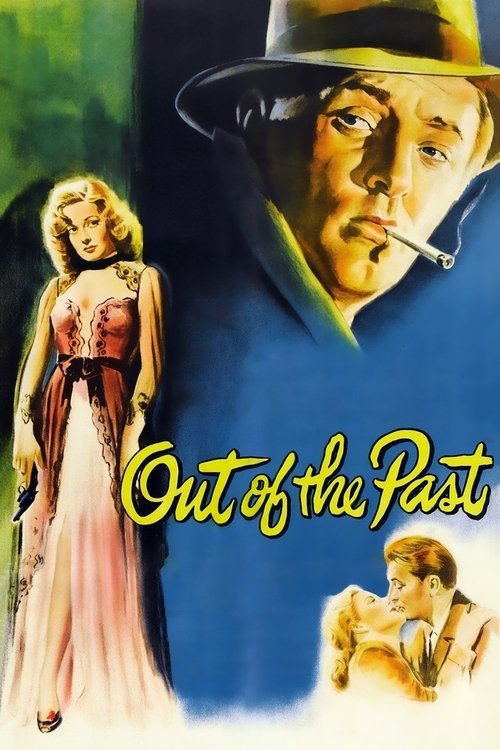
Out of the Past1947
Mitchum, Greer, and Dmytryk making the most fatalistic, beautifully composed noir ever made. If you want to understand what No Way Out is pushing back against, start here.
But It's leisurely and fatalistic rather than urgent. The plot exists partly as an excuse for atmosphere and cynicism.
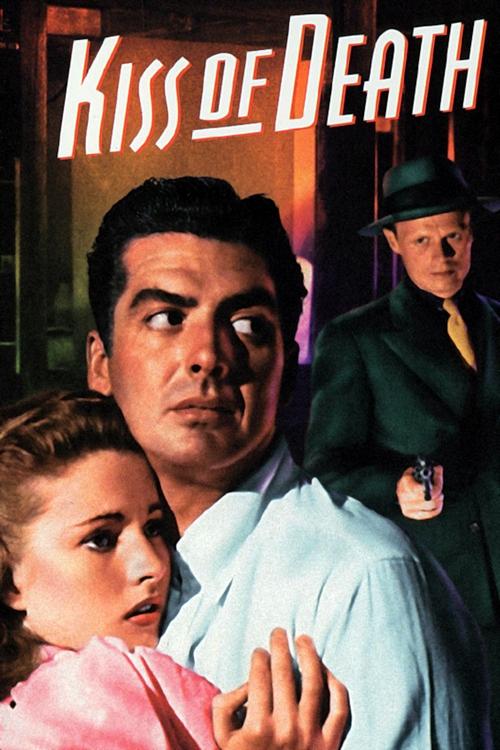
Kiss of Death1947
Richard Widmark—your lead from No Way Out—in a different register: a sadistic, electric villain in a gritty crime film. Proof he was a serious actor beyond the accused doctor role.
But It's primarily a showcase for Widmark's performance rather than a balanced ensemble piece. The plot is familiar underworld fare.
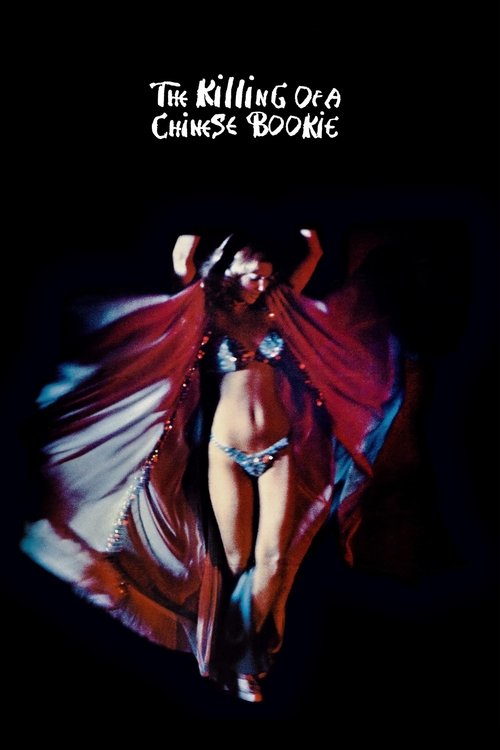
The Killing of a Chinese Bookie1976
Both are about a decent person caught in a nightmare of criminal debt and false accusation, with no exit except forward. Both understand that the system itself is the enemy, not just the individuals within it.
Cassavetes' fever-dream follow-up to Killing a Friend. A small man in debt to the wrong people has to pull off an impossible task to survive. Shot with grainy, almost documentary intensity and powered by panic and desperation.
But It's deliberately ugly and exhausting. No catharsis, no real comfort. Cassavetes' style is abrasive and the film feels trapped in real time with a doomed man.
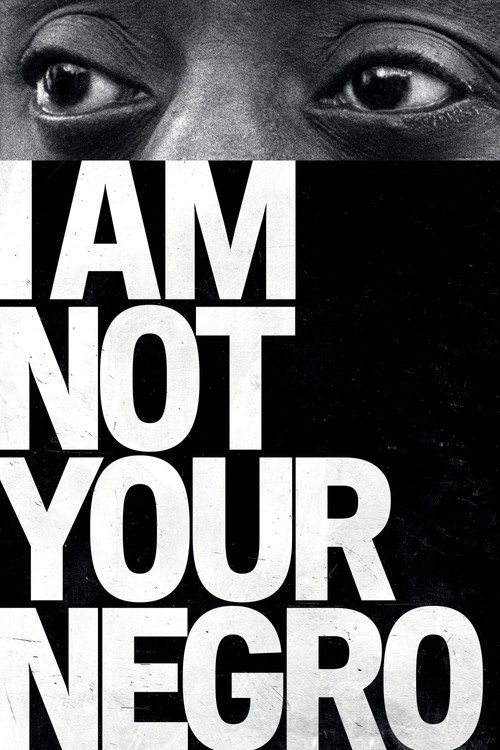
I Am Not Your Negro2017
No Way Out was 1950 attempting to show racism on screen; I Am Not Your Negro is 2016 asking whether cinema—and America—has earned the right to that conversation. They're in dialogue across seven decades.
Raoul Peck's essay-documentary about James Baldwin examining American racism through cinema, photography, and Baldwin's own voice. It's a direct conversation with the racial politics embedded in films like No Way Out, showing how little and how much has changed.
But It's a documentary essay, not a narrative, and it's a heavy, necessary reckoning rather than entertainment. Some will find it didactic; others will find it too generous to cinema.
People
Cast
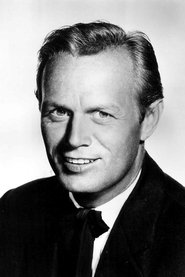 Richard WidmarkRay Biddle
 Linda DarnellEdie Johnson
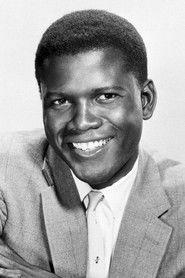 Sidney PoitierLuther Brooks
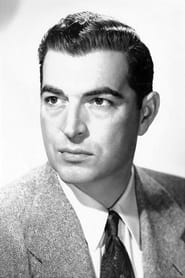 Stephen McNallyDan Wharton
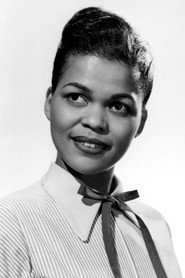 Mildred Joanne SmithCora Brooks
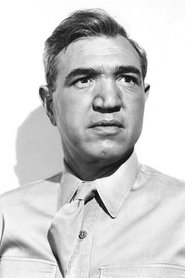 Harry BellaverGeorge Biddle
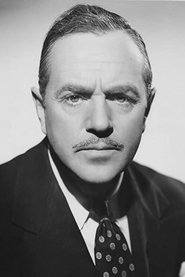 Stanley RidgesSam Moreland
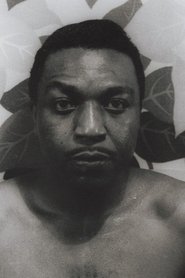 Dots JohnsonLefty Jones
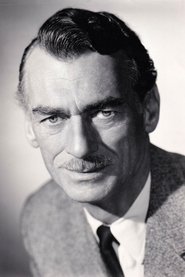 Robert AdlerLouie (uncredited)
 Ernest AndersonSchool Teacher (uncredited)
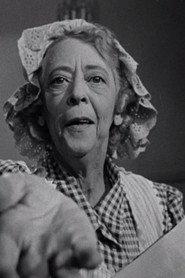 Jessie ArnoldWoman (uncredited)
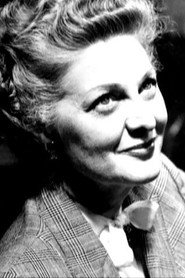 Eleanor AudleyWife (uncredited)
Directing
- Joseph L. MankiewiczDirector
Writing
- Joseph L. MankiewiczWriter
- Lesser SamuelsWriter
Production
- Darryl F. ZanuckProducer