
Film
The Petrified Forest
A 1936 hostage drama set in an Arizona diner where a drifting intellectual and a waitress with big dreams find connection as a fugitive gangster and his crew take over for the night. Claustrophobic, talky, and surprisingly intimate—a stage play that became cinema, with Bogart's film debut as the tense, lethal centre of gravity.
Should you watch it?
Watch it if you love talky, claustrophobic stage-born dramas where the tension comes from people trapped together saying too much, and a good monologue lands harder than any chase.
Skip it if you want restless momentum or a lot of action, since this is mostly a small room of anxious people waiting out a standoff while the dialogue carries nearly everything.
What it asks of you: It runs a brisk 82 minutes and stays in one roadside diner, so it asks for patience with long speeches and a willingness to sit with slow, stagey build-up.
Not sure? Find tonight's pick in a minute.
If you liked this
In a Lonely Place1950
A noir about a volatile screenwriter suspected of murder, built on tension and moral ambiguity. Like Petrified Forest, it traps characters together and lets dialogue do the heavy lifting, exploring whether charm can coexist with darkness.
But The pacing is deliberate and the ending won't give you the catharsis you might want. Some find it slow.

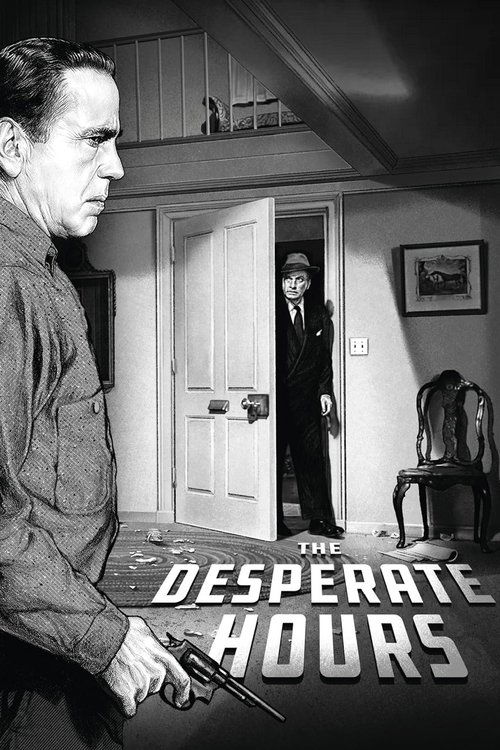
The Desperate Hours1955
Escaped convicts hold a family hostage in their home. The same pressure-cooker dynamic as Petrified Forest—ordinary people forced into proximity with criminals, the threat simmering quietly until it boils over.
But It's a Hitchcock-adjacent thriller without Hitchcock's showmanship, so the suspense can feel academic rather than thrilling.
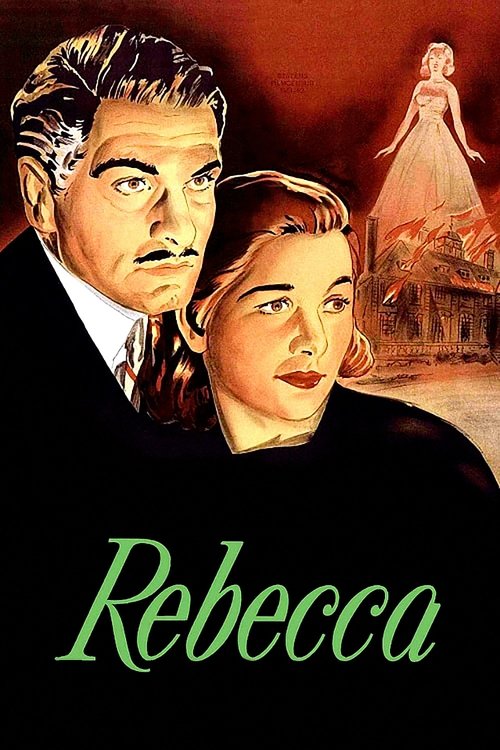
Rebecca1940
Strangers and secrets under one roof, with Laurence Olivier and Joan Fontaine creating unbearable tension through looks and silences. A masterclass in how confinement and psychology can generate dread without action.
But Gothic melodrama isn't for everyone, and the pacing demands patience—there's more atmosphere than plot.
Not sure tonight? Get a pick in a minute, starting from The Petrified Forest
The wildcard
Something you would not have found on your own.
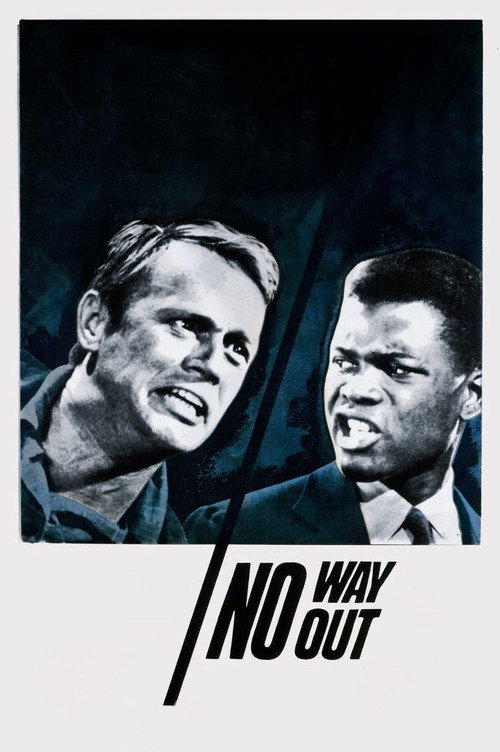
No Way Out1950
Both use spatial confinement to explore how ordinary people respond to criminals and violence. Both feature a protagonist trying to maintain humanity in dehumanizing circumstances.
Sidney Poitier's film debut in a tight thriller about a Black doctor trapped in a hospital where a dying racist patient sets off a chain of violence and suspicion. It has the same pressure-cooker confinement and moral complexity, but inverts the power dynamics—the criminal isn't in control, but he can still destroy.
But It's explicitly about race in a way that some viewers find didactic. The dialogue can be heavy-handed, and the hospital setting is less visually distinctive than the diner.
More like this (8)
The Asphalt Jungle1950
A heist film that pioneered the genre, showing a criminal crew preparing and executing a robbery. Like Mantee's gang, it treats criminals as people with needs and loyalties, not cardboard villains.
But It's deliberately unglamorous and morally grey, which some find depressing rather than engaging.

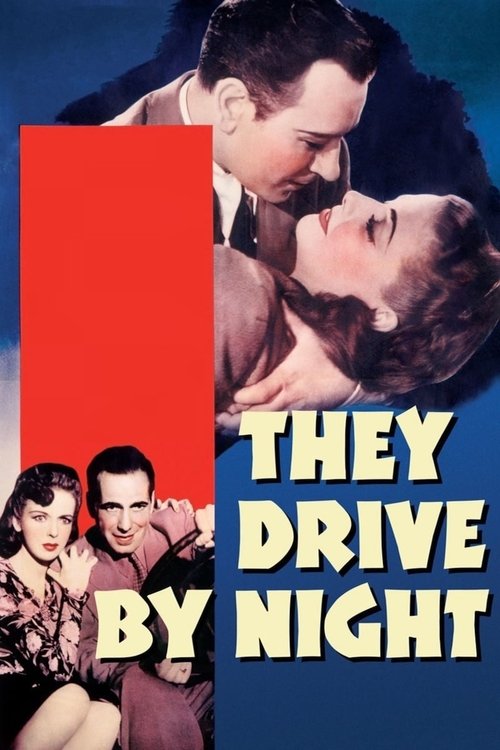
They Drive by Night1940
Bogart and George Raft as truck drivers navigating crime and betrayal. Captures the same pre-war noir sensibility and world-weariness, with Bogart still building the persona that became iconic.
But The plot meanders and the ending feels tacked on. It's more a snapshot of a time than a tight narrative.
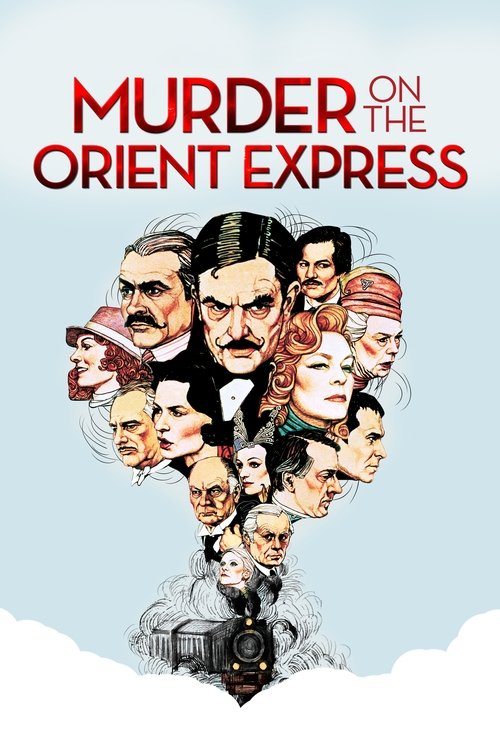
Murder on the Orient Express1974
Strangers trapped on a train with a murder suspect and a detective. The locked-room mystery translates the diner setup to a different setting—nowhere to run, nowhere to hide, everyone's a potential suspect.
But The ending relies on you accepting a fairly preposterous moral framework. It's clever but not always convincing.
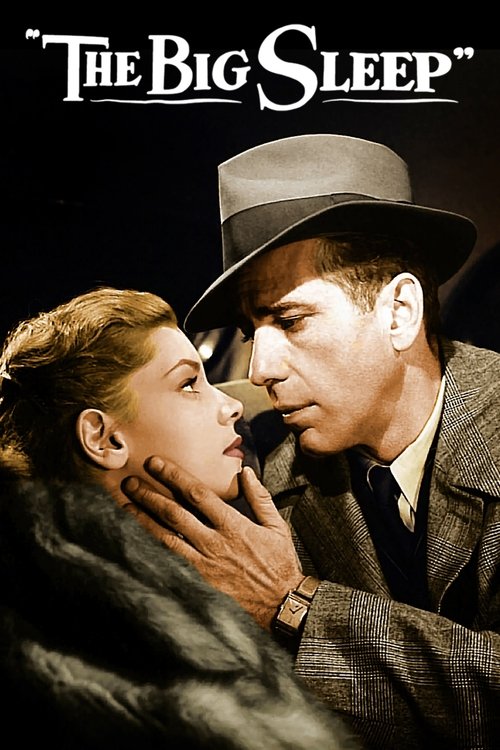
The Big Sleep1946
Bogart and Bacall in a noir so convoluted no one fully understands the plot, but the dialogue and chemistry are so good it doesn't matter. Shows how much impact can come from conversation and sexual tension.
But The plot is genuinely confusing and the mystery doesn't resolve satisfyingly. If you need things to make sense, it will frustrate you.
The Killers1946
Two hitmen arrive in a small town to kill a man. A short, sharp noir that builds dread through inevitability—you know what's coming and can't stop it, much like Petrified Forest's inescapable doom.
But At 103 minutes it still feels padded, and the protagonist is passive, which some find unsatisfying.

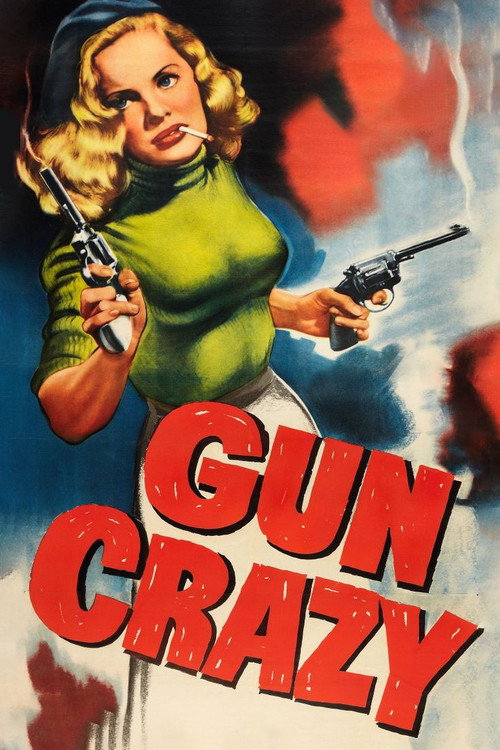
Gun Crazy1950
A couple on the run, bank robbers in love. It has the same fatalism and doomed romanticism as Petrified Forest, treating criminals as protagonists we come to understand and almost sympathize with.
But It's a B-picture with low production values and an uneven pace. The acting ranges from solid to stilted.
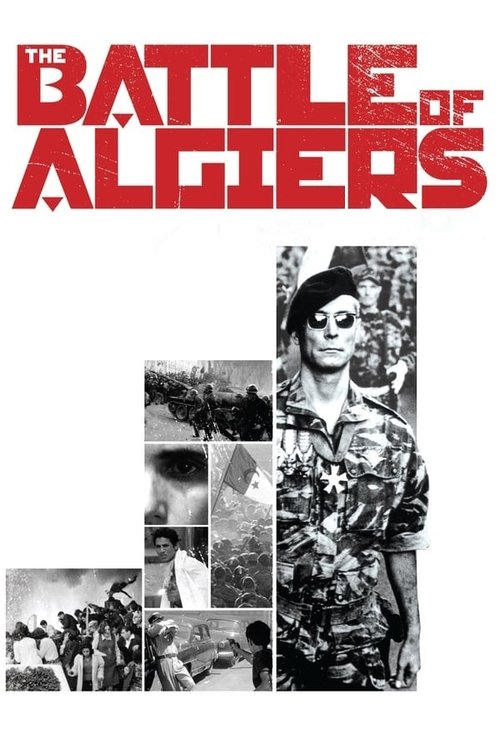
The Battle of Algiers1966
Both treat violence and criminality as consequences of desperation rather than moral failing. Both ask what we owe to people we're forced to share space with, and neither provides easy answers.
A documentary-style film about the Algerian War, showing both the French colonizers and the FLN resistance as complex human beings caught in impossible situations. Like Petrified Forest, it refuses to flatten its characters into heroes and villains, and it builds tension through dialogue and inevitability rather than action.
But It's explicitly political and sympathetic to terrorism as resistance, which will alienate viewers. It's also in French and Italian, and the black-and-white cinematography feels austere rather than beautiful.
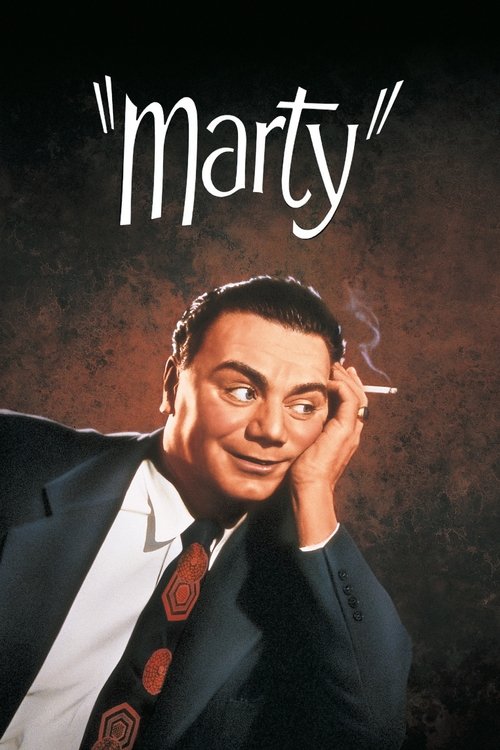
Marty1955
Both are character studies disguised as genre films. Both find drama in conversation and small moments rather than action, and both treat their characters' inner lives with genuine respect.
A sweet, unglamorous film about a lonely butcher in New York who meets a shy woman at a dance. It feels nothing like Petrified Forest, but it shares the same core belief: that ordinary people with small dreams deserve the camera's attention and our empathy. Both are deeply humanist in an unsentimental way.
But There's no plot in the traditional sense—just life. It's a TV drama that became a film, and it has that modest, slightly static quality. The pacing is glacial by modern standards.
People
Cast
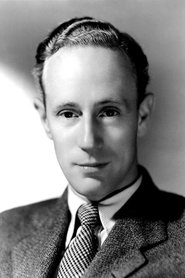 Leslie HowardAlan Squier
 Bette DavisGabrielle "Gabby" Maple
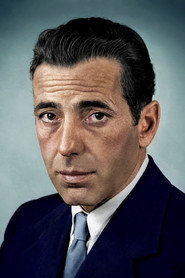 Humphrey BogartDuke Mantee
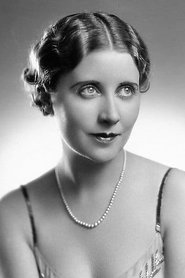 Genevieve TobinMrs. Edith Chisholm
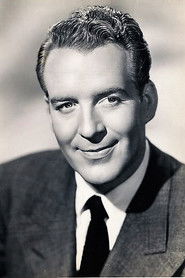 Dick ForanBoze Hertzlinger
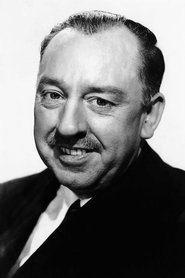 Porter HallJason Maple
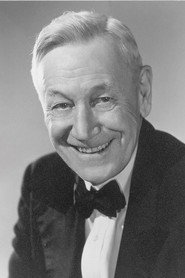 Charley GrapewinGramp Maple
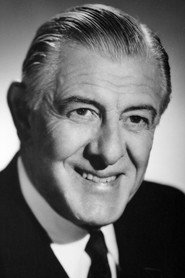 Paul HarveyMr. Chisholm
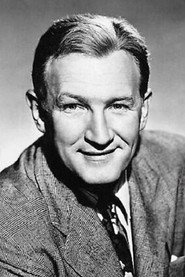 Joe SawyerJackie
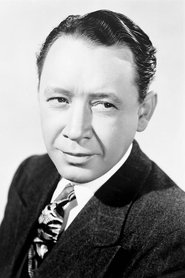 Eddie AcuffLineman
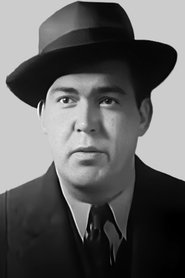 Adrian MorrisRuby
- Nina CampanaPaula
Directing
- Frank ShawAssistant Director
- Richard MayberyAssistant Director
- Archie MayoDirector
Writing
- Charles KenyonScreenplay
- Delmer DavesScreenplay
- Robert E. SherwoodTheatre Play
Production
- Hal B. WallisExecutive Producer