
Film
The Desperate Hours
A tense 1955 thriller where three escaped convicts invade a suburban home and hold a family captive. Humphrey Bogart commands the screen as the alpha predator among them. It's claustrophobic, psychologically sharp, and moves with gathering dread rather than action spectacle. For anyone who loves crime thrillers that trust tension over gunfire.
Should you watch it?
Watch it if you like tense siege stories where the menace is intimate and the dread builds through ordinary domestic rooms, with sharp performances carrying every scene.
Skip it if you want fast-cutting action or a crowd-pleasing payoff; this is a talky, claustrophobic film that stays inside one house and lets the pressure simmer for most of its runtime.
What it asks of you: Around ninety minutes of close attention, mostly in one location, with the tension coming from waiting and watching faces rather than from spectacle.
Not sure? Find tonight's pick in a minute.
If you liked this
In Cold Blood1967
Truman Capote's true-crime adaptation is bleakly methodical about violence and its aftermath. Two killers' motivations are excavated with surgical precision, creating something far darker than standard crime cinema.
But It's bleak and slow, with no cathartic revenge or neat resolution. Some will find it glacially paced and emotionally detached.
Rififi1955
A French masterpiece that defined the heist genre. A nearly silent jewel-theft sequence is the most suspenseful cinema achieves without dialogue—proof that true tension needs no sound.
But The plotting can feel workmanlike away from the heist itself, and the print quality varies. Subtitles may also test patience depending on your patience with French noir.

The Killing1956
Kubrick's debut about a racetrack heist uses fractured chronology and deadpan dialogue to build tremendous pressure. Sterling Hayden is mesmerizing as a man in over his head.
But The narrative structure can feel gimmicky to modern viewers. Hayden's thick accent and the film's brevity mean some character dynamics feel rushed.

Not sure tonight? Get a pick in a minute, starting from The Desperate Hours
The wildcard
Something you would not have found on your own.
Rope1948
Both films trap strangers in a single location and mine psychological terror from confinement. Neither resorts to violence to sustain tension; both prove that conversation can be as dangerous as a gun.
Hitchcock's real-time experiment: two men hide a murder in their apartment while hosting a dinner party. It's a play adapted to pure cinema—claustrophobia, conversation, and mounting dread with no exteriors or edits to offer relief.
But The artificiality of the single-set staging and fake windows can feel theatrical and dated rather than intimate. The pacing is glacial by design, which tests even thriller fans.
More like this (7)
The Asphalt Jungle1950
The template for every heist film after it. Stark, unsentimental about its criminals, with ensemble work that lets each man become sympathetic without excusing them. Incredibly influential.
But Feels dated in pacing and dialogue. The crimes themselves are less thrilling than the character study surrounding them—if you want action, you'll be disappointed.

No Country for Old Men2007
Two ruthless men and one ordinary man collide in a narrative that refuses to reward anyone. Tommy Lee Jones' exhausted sheriff mirrors the film's view that violence rewrites the world.
But The Coen Brothers' detachment will feel cold to some. An important character's offscreen death violates genre expectations; you may feel cheated.
Dog Day Afternoon1975
Pacino's performance in a bank robbery gone wrong is electric. It's about desperation, masculinity, and the gap between who we are and who we pretend to be—humanist crime drama at its peak.
But The hostage situation de-escalates into talking and negotiation rather than action. Some sequences feel repetitive; the runtime drags in the final act.
A Prophet2009
A prison crime saga about a young man's ruthless ascent. Masterfully paced and morally complex—it shows how brutal systems manufacture brutality without ever releasing tension.
But Slow-burn for most of its length. If you need external plot momentum, you'll feel starved. The prison setting may also feel claustrophobic in ways some find oppressive.

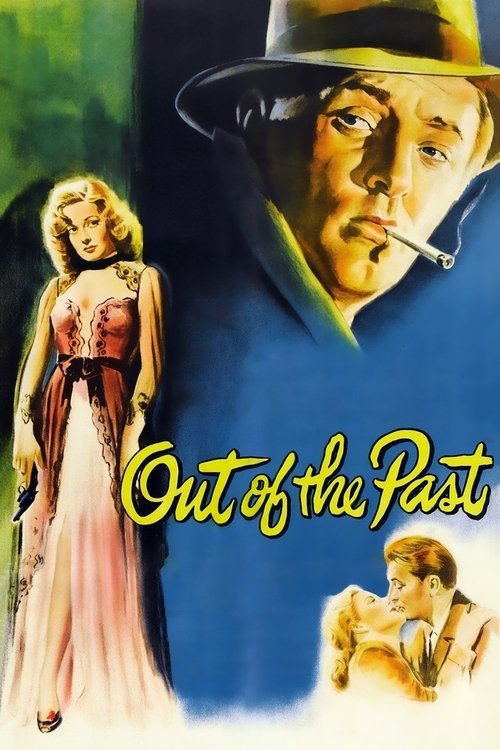
Out of the Past1947
The definitive film noir: a man ensnared by a woman and his past with nowhere to go. Robert Mitchum's laconic cool and Jeff Markham's doomed inevitability are pure cinema.
But The plot mechanics feel creaky now. Femme fatale tropes have dated awkwardly, and some viewers find the fatalism more frustrating than tragic.
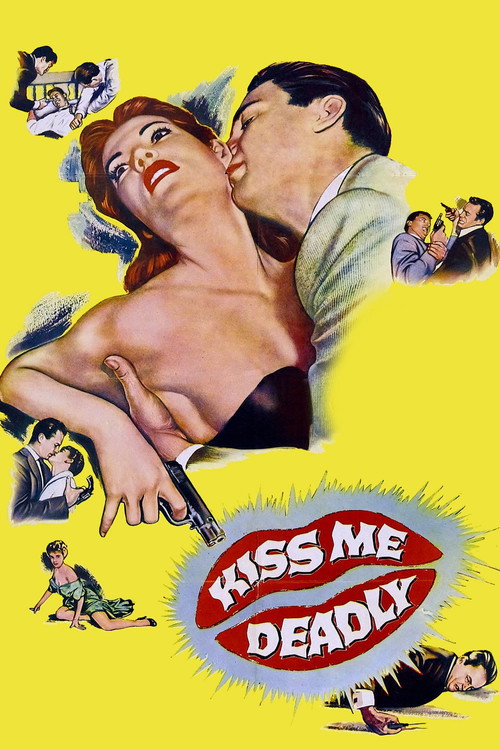
Kiss Me Deadly1955
Aldrich's noir about a private eye tangling with atomic-era gangsters. It's violent, cynical, and visually stunning—the atomic climax still shocks.
But The narrative is genuinely confusing and the misogyny is raw. Some find the violence gratuitous and Hammer an unreliable protagonist to follow.
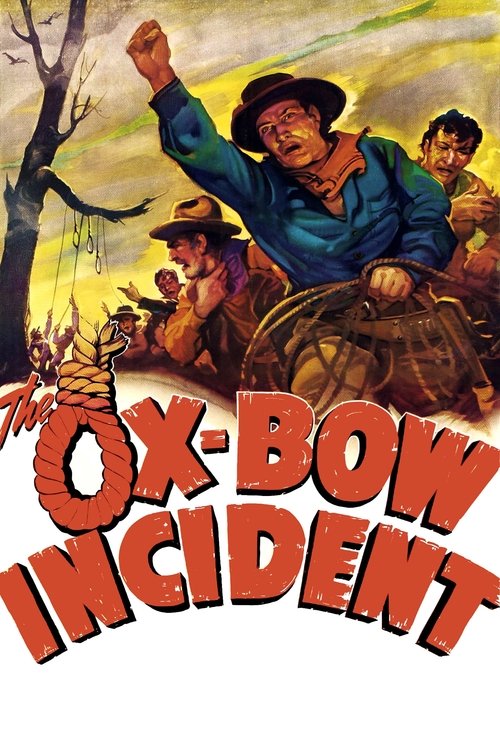
The Ox-Bow Incident1943
Both films show criminals as human and the ostensibly civilized as barbaric. Both climax by forcing the viewer to question who deserves sympathy, and neither lets you off easily.
A western about a lynch mob that captures something true about mob mentality and the corruption of ordinary people. Henry Fonda is haunting as a man watching civilization collapse in real-time.
But It's a statement film, didactic at times. The pacing is mannered and the famous ending, though morally necessary, offers no catharsis—many find it punishing rather than enlightening.
People
Cast
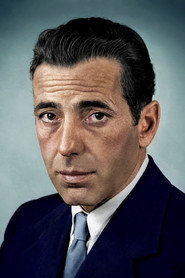 Humphrey BogartGlenn Griffin
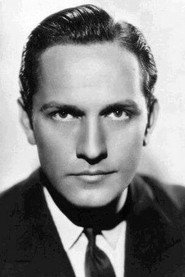 Fredric MarchDaniel C. Hilliard
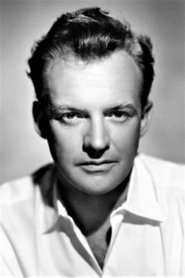 Arthur KennedyDeputy Sheriff Jesse Bard
 Martha ScottEleanor 'Ellie' Hilliard
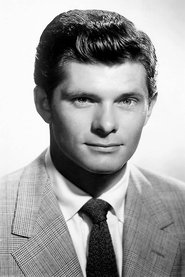 Dewey MartinHal Griffin
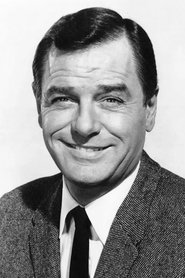 Gig YoungChuck Wright
 Mary MurphyCynthia 'Cindy' Hilliard
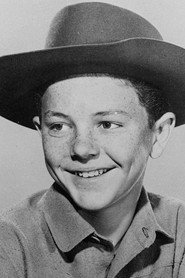 Richard EyerRalph Hilliard
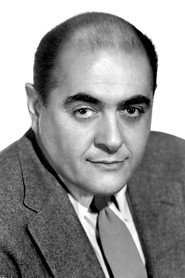 Robert MiddletonSam Kobish
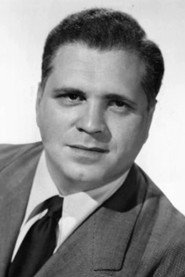 Bert FreedTom Winston
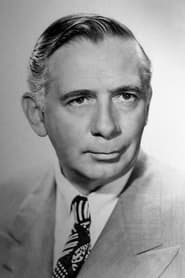 Ray CollinsSheriff Masters
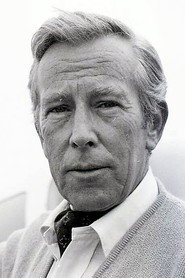 Whit BissellFBI Agent Carson
Directing
- Charles C. ColemanAssistant Director
- Hilton A. GreenAssistant Director
- William WylerDirector
- John WatersSecond Unit Director
Writing
- Joseph HayesNovel
- Joseph HayesScreenplay
- Joseph HayesTheatre Play
Production
- Robert WylerAssociate Producer
- William WylerProducer
Recommended by
The Petrified Forest, Thief, The Hitch-Hiker, Storm Fear, Extortion, Ring of Fire, The Dark Light