
Film
The Dark Light
A 1951 British crime thriller set in a lighthouse, where isolation and confined quarters turn a rescue into a tense standoff. The crew's good intentions collide with dangerous criminals, creating mounting paranoia and moral uncertainty. Economical and claustrophobic, it rewards patient viewers who appreciate suspense built through character rather than spectacle.
If you liked this
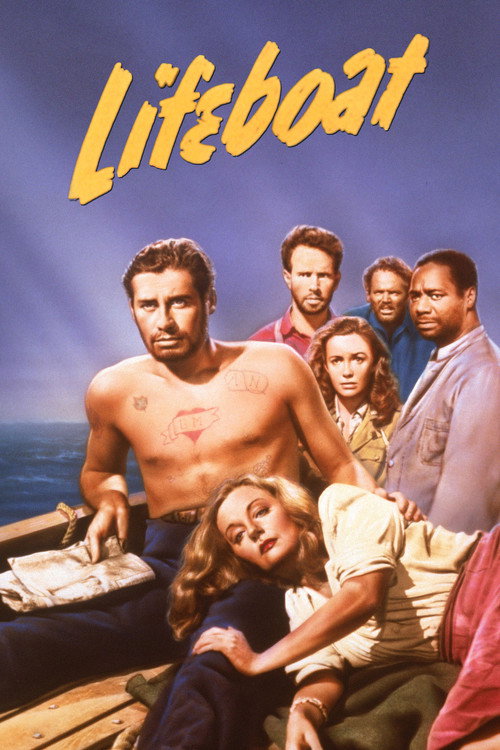
Lifeboat1944
Hitchcock's masterclass in trapped-space tension. A disparate group in a small boat forces moral compromise and reveals character through crisis. Expertly paced and surprisingly intimate for its era.
But The pacing demands your full attention—there's no music or editing tricks to carry you. Some find it austere, even dull.
The Asphalt Jungle1950
Siodmak's heist film that defined the form: clear-eyed about criminals, sympathetic but unsentimental, with a moral code that haunts you. Tightly plotted and beautifully shot in stark black-and-white.
But It's a procedural first and character study second. If you want romantic anti-heroes, you'll find them disappointingly ordinary.

In a Lonely Place1950
Ray's portrait of a man wrongly suspected, drowning in isolation and paranoia. Bogart is vulnerable and frightening by turns. The confined spaces and emotional claustrophobia echo what *The Dark Light* attempts.
But Relentlessly bleak. There's no catharsis or comfort; the film ends where it began, with the same trap closed tighter.

Not sure tonight? Get a pick in a minute, starting from The Dark Light
The wildcard
Something you would not have found on your own.
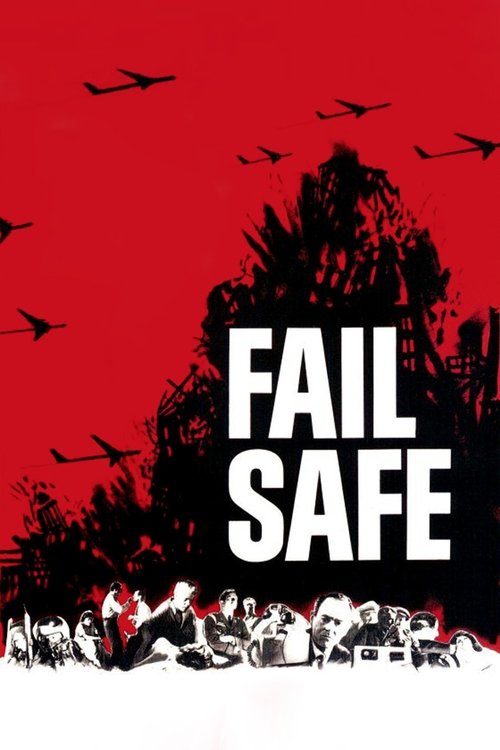
Fail Safe1964
Both films trust confinement and moral uncertainty to generate suspense. Neither allows escape through spectacle—you're trapped with ordinary people making impossible choices.
A nuclear-war thriller built entirely on tense dialogue in confined command centers and aircraft. No music, no relief, pure escalating dread. Lumet trusts the situation and the actors completely. It's suffocating and brilliant.
But Shot in bleak black-and-white with no action sequences. The intellectual suspense will destroy you, but only if you're willing to sit with slow-building horror.
More like this (8)
Rope1948
Hitchcock's real-time thriller in a single apartment. Two killers host a dinner party while hiding their crime. The confinement and mounting dread are exquisite, and the moral ambiguity stays with you.
But The gimmick (one continuous take) can feel theatrical rather than cinematic. Some viewers find it stagey and exhausting.

The Third Man1949
Carol Reed's Vienna-set noir is atmospheric storytelling at its peak. Trust breaks down, identities shift, moral certainties collapse. The zither score is haunting. A masterpiece about betrayal among friends.
But It's deliberately ambiguous and doesn't resolve neatly. If you need your moral questions answered, you'll find it frustrating.

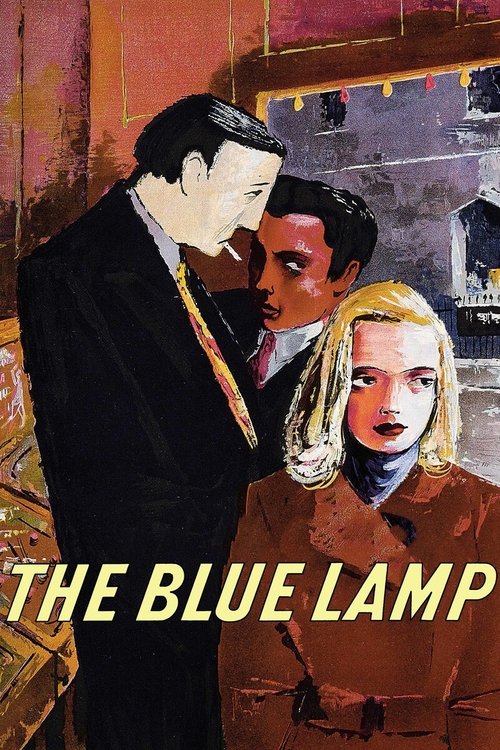
The Blue Lamp1950
British police procedural with real humanity. Young criminals and good cops, mutual respect and genuine peril. It captures post-war Britain's social rifts without preaching. Tense and surprisingly moving.
But The resolution is tidy in a way modern crime drama has trained us to mistrust. It can feel a bit earnest by today's standards.
The Killing1956
Kubrick's racetrack heist film told in fragmented timeline. Criminals plan meticulously; fate and bad luck tear everything apart. Sharp, efficient, and darkly funny about human weakness.
But The fractured narrative can be confusing on first viewing. Some find the tone—funny one moment, brutal the next—emotionally slippery.

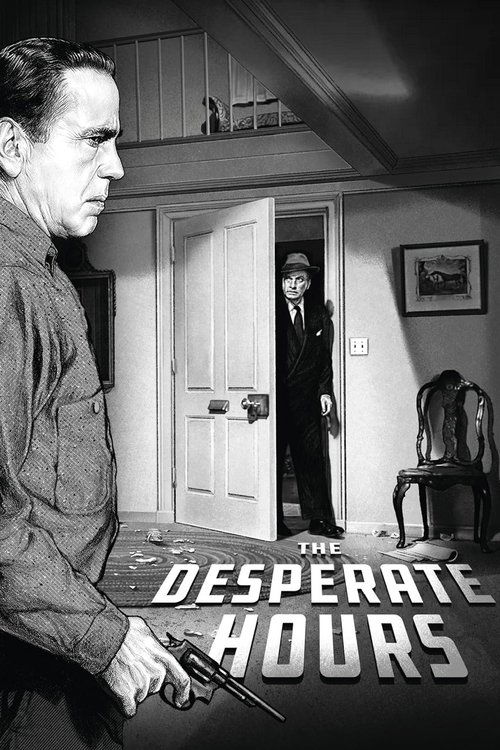
The Desperate Hours1955
Wyler's home-invasion thriller where criminals hole up in an ordinary house. The tension comes from ordinary people under extraordinary pressure. Bogart and Fredric March are perfectly matched.
But The gender politics are dated and uncomfortable. The women exist mainly to be frightened, which blunts the film's emotional power.
The Killers1946
Siodmak's adaptation of Hemingway uses a simple murder and unravels backward into moral corruption and betrayal. Burt Lancaster's debut. Stylish, punchy, and genuinely unsettling about complicity.
But The structure can feel gimmicky. Once you know who did it, the backward-gazing loses its force on rewatches.

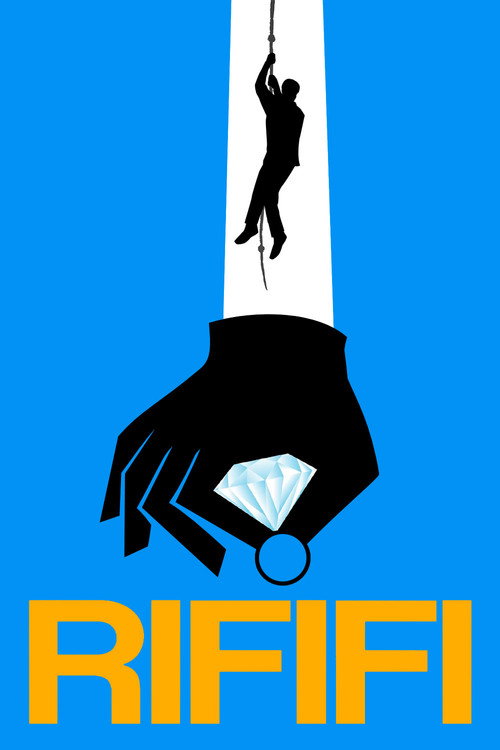
Rififi1955
A post-war crime film that rejects melodrama for procedural precision. Like *The Dark Light*, it builds menace from locked spaces and competing interests, not from violence.
Dassin's French heist film executes a 30-minute jewel robbery in near-total silence. Audacious formal experiment that doesn't sacrifice character or atmosphere. It's a masterpiece of controlled tension and visual storytelling. European, efficient, and utterly gripping.
But The silence sequence is brilliant but can feel self-consciously artful. The second half reverts to conventional thriller pacing, which some find anticlimactic.
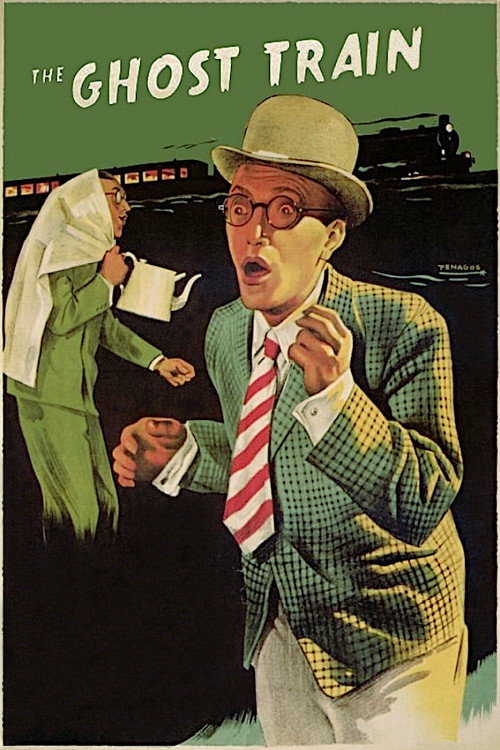
The Ghost Train1941
A 1940s British ensemble caught in an enclosed setting, forced together by circumstance. Both films use confined spaces to expose character and test loyalties, though this one chooses comedy as its lens rather than noir.
British comedy-thriller set on a stationary train. A group of passengers trapped by circumstance face danger and reveal themselves through chaos. It's lighter than its premise, genuinely funny, and surprisingly dark in its humor about fear and self-interest.
But The comedy undercuts the suspense deliberately. If you're watching for pure tension, the tonal shifts will frustrate you.
People
Cast
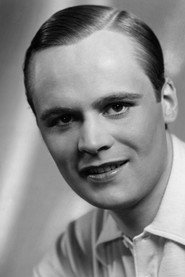 Albert LievenMark
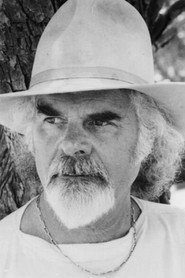 David GreeneJohnny
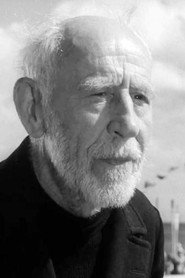 Norman MacOwanRigby
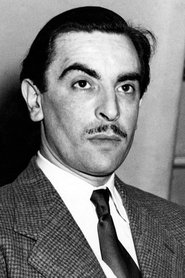 Martin BensonLuigi
 Katharine BlakeLinda
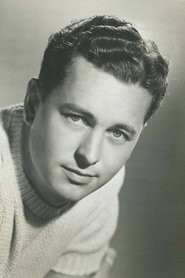 John HarveyRoger
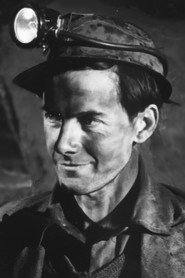 Jack StewartMatt
- Joan CarolJoan
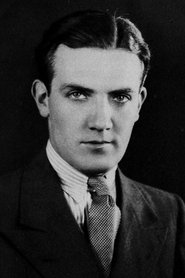 John LongdenStephen
Directing
- John ArnoldAssistant Director
- Doris MartinContinuity
- Vernon SewellDirector
Writing
- Vernon SewellWriter
Production
- Prudence SykesCasting
- Anthony HindsProducer
- Michael CarrerasProducer