
Film
The Blue Lamp
A 1950 British police procedural following veteran officer George Dixon as he mentors a rookie constable through a night shift. The film captures a dying world of neighbourhood policing, where tradition meets postwar crime. It's intimate, unsentimental, and anchored by Jack Warner's understated humanity. For anyone drawn to procedurals with real texture and historical weight.
Should you watch it?
Watch it if you enjoy postwar London crime told with a documentary eye for ordinary streets, decent men doing routine work, and a quiet melancholy about a world changing around them.
Skip it if you want fast plotting or modern grit, since the violence is restrained and the mood leans nostalgic and sentimental about the police more than it builds real tension.
What it asks of you: Patient and short at 84 minutes, with long stretches of walking, talking and procedure, and a sincere, unhurried warmth before its darker edges come into focus.
Not sure? Find tonight's pick in a minute.
If you liked this
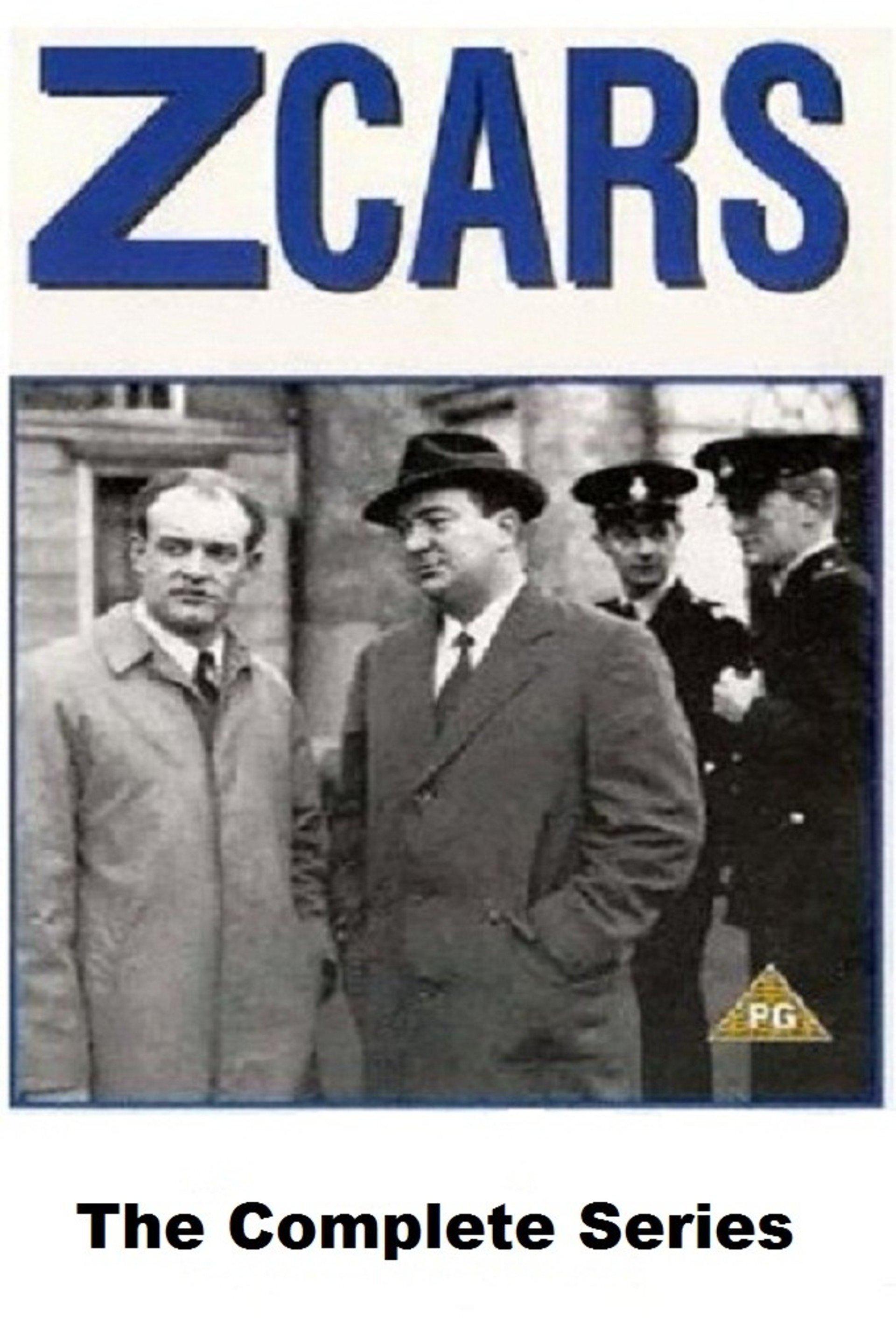
Z Cars1962
A landmark British police series that inherited The Blue Lamp's commitment to procedural detail and authentic copper talk, but tightened it for television and made it grittier. Essential foundation for modern cop shows.
But Episodic storytelling and 1960s pacing can feel slow if you're used to modern rhythms. Some episodes are genuinely tedious.
Naked City1958
An American equivalent: gritty, location-shot police procedural that treats cops as ordinary people doing ordinary work. Shot on the streets of New York, it has the same documentary feel Warner's film pioneered.
But Very slow by today's standards. Each episode commits fully to its minor cases, which can test your patience.
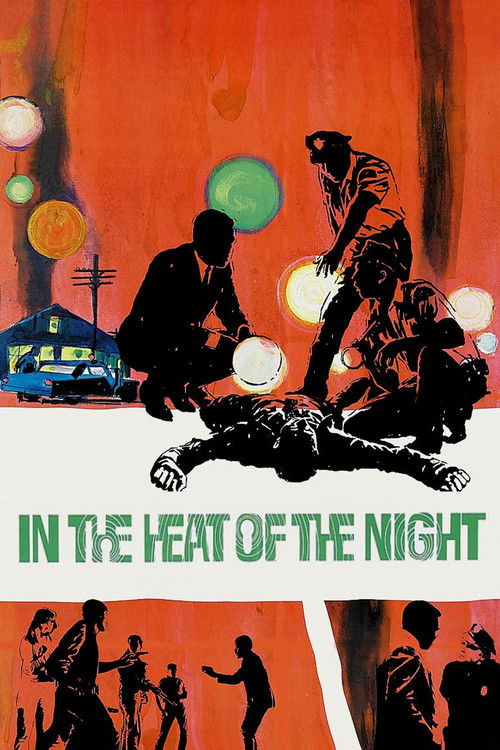
In the Heat of the Night1967
Sidney Poitier and Rod Steiger as two detectives in the American South. Like The Blue Lamp, it's about the friction between old and new policing, but with moral urgency. Intelligent, tense, humane.
But The racial politics, though important, can overshadow character work for modern viewers expecting something else.
Not sure tonight? Get a pick in a minute, starting from The Blue Lamp
The wildcard
Something you would not have found on your own.
The Asphalt Jungle1950
Both are procedural masterclasses about men of method in a changing world. Huston and Dearden were asking the same technical questions but from opposite sides of the law.
John Huston's heist film, released the same year as The Blue Lamp, but American and noir-inflected. Shows the other side of the coin: the criminal as protagonist. Same meticulous attention to method and procedure, same postwar weariness.
But The moral centre is ambiguous—you're rooting for criminals. Some find that disorienting rather than exciting. Also quite slow.

More like this (8)
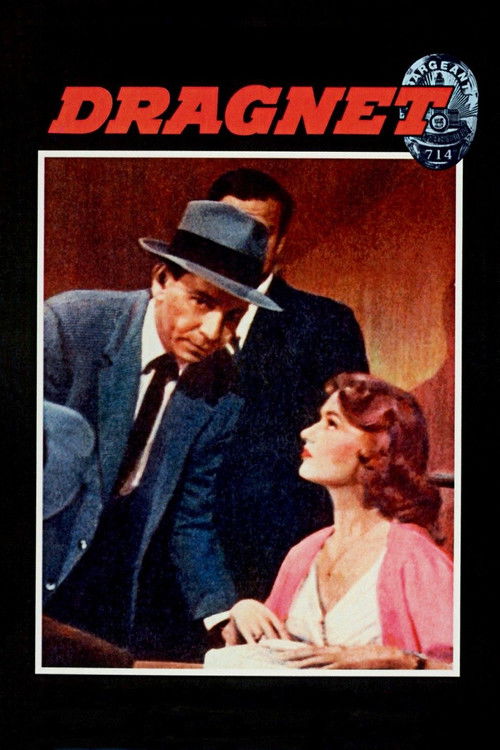
Dragnet1954
Jack Webb's deadpan Los Angeles police procedural, based on his own radio show. Obsessively detailed about police methodology, shot in documentary style. The spiritual American cousin to The Blue Lamp.
But Extremely dry. Webb's flat delivery and obsession with procedure can read as parody now, though it's entirely sincere.
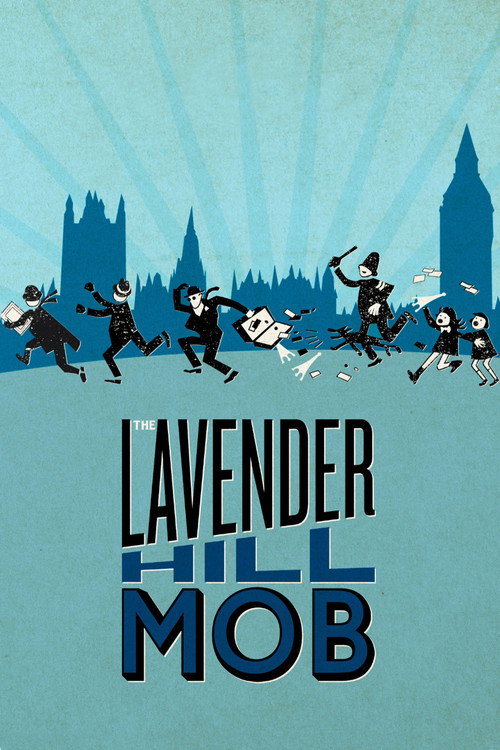
The Lavender Hill Mob1951
Ealing comedy with Alec Guinness and Stanley Holloway. A lighter take on postwar British crime, same year and sensibility as The Blue Lamp, but playful. Shows the era had room for humour alongside grit.
But The comedy is genteel and dated. If you want darkness over whimsy, this will feel lightweight.
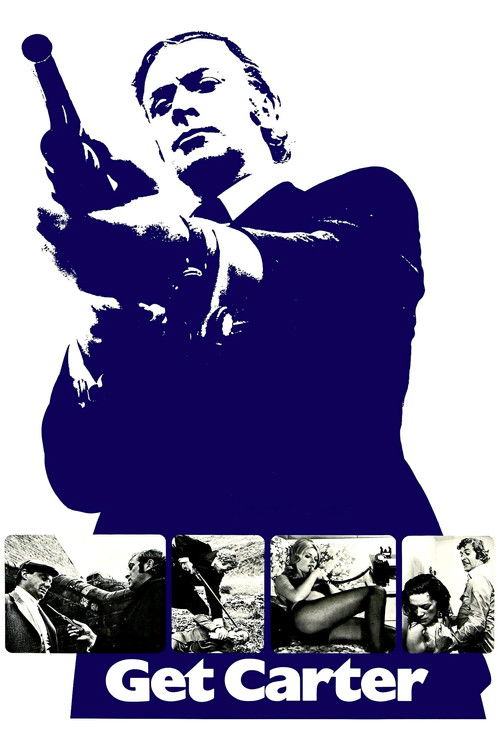
Get Carter1971
Michael Caine in Newcastle, brutal and unsentimental. Shows how the world of The Blue Lamp evolved into something harder and colder. Corruption, violence, no redemption. A true successor in spirit if not tone.
But Genuinely violent and morally bleak. Caine's character is not sympathetic, and the film doesn't ask you to like him.
The Killing1956
Kubrick's taut police procedural about a racetrack heist, told with fractured chronology. Technically brilliant, economically told. Shows how to make procedure tense and modern without losing character.
But The structure can feel gimmicky now. Some viewers will find it clever rather than emotionally engaging.

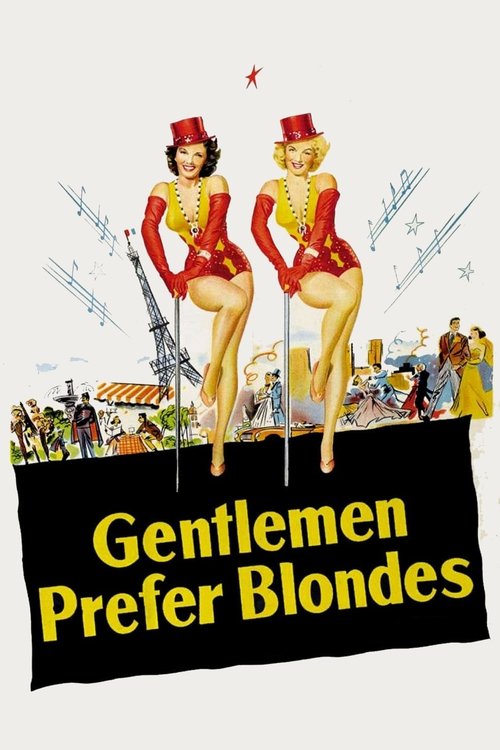
Gentlemen Prefer Blondes1953
Fully different register, but shot in the same era by a master stylist (Hawks). Worth watching to understand the visual language of 1950s cinema and how The Blue Lamp's documentary approach was a deliberate choice against this glamour.
But It's a musical comedy about wealthy women. If you're here for crime and procedure, this will feel like a detour.
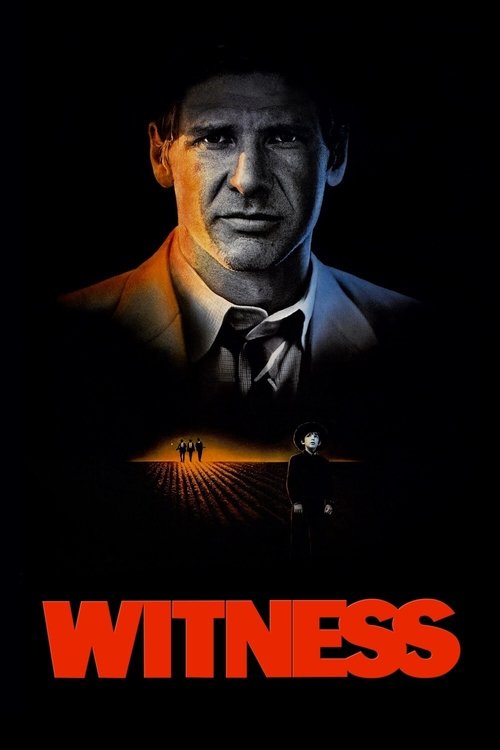
Witness1985
Harrison Ford as a detective hiding in Amish country. Returns to the procedural fundamentals: observation, patience, character. Slow-burn thriller about a cop forced to work outside his world.
But The romance subplot feels obligatory. The Amish culture can feel like scenery rather than lived reality.
Stalker1979
Both centre on an older man—veteran, weary, bound by code—guiding a younger man through a world he no longer controls. Both are elegies for a way of being that cannot survive.
Tarkovsky's meditative science-fiction film about a guide leading two men through a mysterious zone. On the surface, utterly different from The Blue Lamp, but both are profound studies of duty, obsolescence, and a man's last journey. Hypnotic and philosophical.
But It's 160 minutes of long takes and minimal plot. If you need narrative momentum or spectacle, you will be bored into surrender.

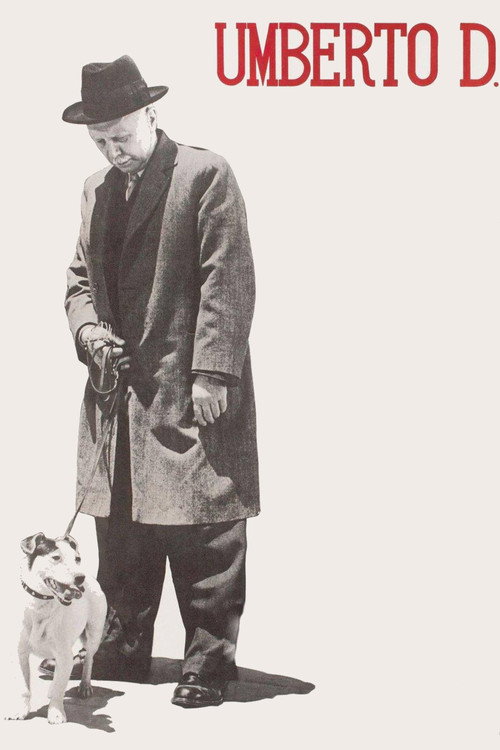
Umberto D.1952
Both are elegies for ordinary men whose postwar world has moved on without them. Both find profound humanity in routine and ritual. Both argue that a life of service deserves to be seen.
De Sica's Italian neorealist film about an elderly retired civil servant fighting poverty and indifference. Like The Blue Lamp, it's about a man whose life's discipline and dignity matter to no one. Devastatingly tender, shot on real streets with non-actors.
But Nothing happens by conventional standards. The protagonist's desperation is quiet and unresolve. Demands patience and emotional openness.
People
Cast
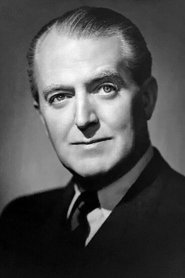 Jack WarnerPC George Dixon
 Jimmy HanleyPC Andy Mitchell
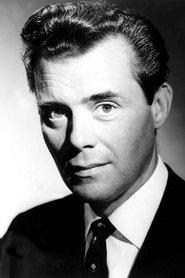 Dirk BogardeTom Riley
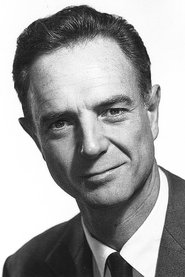 Robert FlemyngPolice Sgt. Roberts
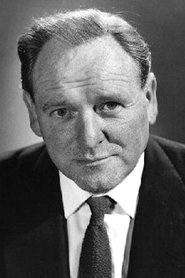 Bernard LeeDivisional Detective Inspector Cherry
 Peggy EvansDiana Lewis
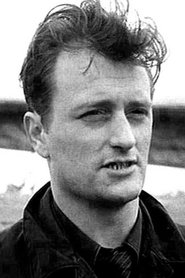 Patric DoonanSpud
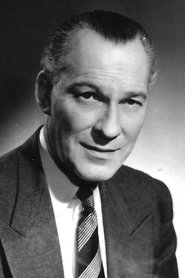 Bruce SetonPC 'Jock' Campbell
 Meredith EdwardsPC 'Taff' Hughes
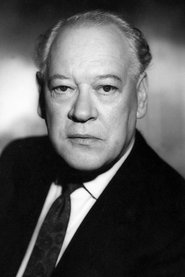 Clive MortonPolice Sgt. Brooks
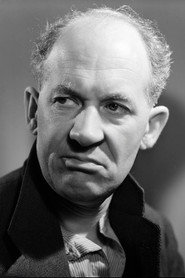 Frederick PiperAlf Lewis
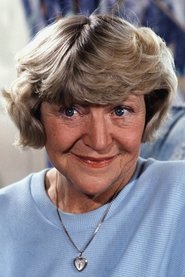 Dora BryanMaisie
Directing
- Harry KratzAssistant Director
- Basil DeardenDirector
Writing
- T. E. B. ClarkeScreenplay
- Jan ReadWriter
- Ted WillisWriter
Production
- Michael BalconProducer
Recommended by
The Iceman Cometh, King Solomon's Mines, This Happy Breed, Hue and Cry, Big School, Lewis, Man on the Run, The Small Back Room, They Made Me a Fugitive, The Strange Case of Dr. Manning, Violent Playground, The Common Touch, Checkpoint, Gideon's Day, The Rainbow Jacket, The Dark Light, Rogue's Yarn, The Huggetts Abroad, A Run for Your Money, The Clouded Yellow, The Ticket of Leave Man, Here Come the Huggetts