
Film
They Made Me a Fugitive
A post-war British noir about a man framed for murder who escapes prison seeking revenge against the gangster who destroyed him. Sharp, cynical, and visually stunning, it captures the moral ambiguity and urban decay of 1940s London with none of Hollywood's sentimentality. Essential for anyone discovering the British crime film.
If you liked this
In a Lonely Place1950
Bogart as a volatile screenwriter suspected of murder—a study of damaged masculinity and false accusation that rivals any American noir. The relationship between the leads gives it unexpected emotional weight.
But The pacing is deliberate and introspective rather than thrilling. If you want constant momentum, it moves at its own melancholic speed.

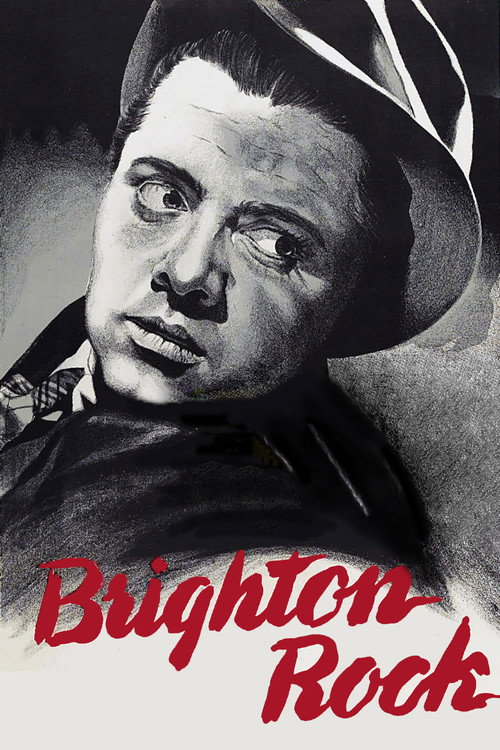
Brighton Rock1948
A British gangster picture equally brutal and unflinching, with Richard Attenborough as a psychotic teenage hood. It captures the same grimy postwar moral exhaustion with religious undertones that cut deep.
But It's deeply bleak and offers no redemption or comfort. The violence, when it comes, feels genuinely sordid rather than thrilling.
The Killing1956
Kubrick's racetrack heist film about men destroyed by circumstance and poor choice. Fractured narrative, sharp dialogue, and a protagonist as doomed as yours—it shares the same fatalistic worldview about crime's inevitable cost.
But The fractured timeline can feel cold and intellectual. Some find the detachment alienating rather than compelling.

Not sure tonight? Get a pick in a minute, starting from They Made Me a Fugitive
The wildcard
Something you would not have found on your own.
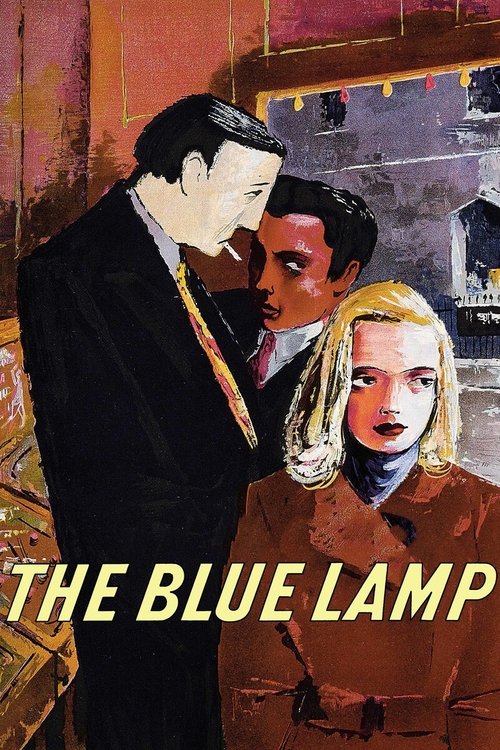
The Blue Lamp1950
Same setting, same historical moment, same moral darkness—but from the opposite side of the law, showing how the system itself creates the criminals it pursues.
Dearden's police procedural from the same year captures postwar London with documentary precision, but it's the inverse of your film—told from the cop's perspective as they hunt a young killer. The same world, completely reframed. Haunting and quietly devastating.
But It's slower and more procedural than dramatic. Viewers expecting action or revenge will find it meditative and sometimes tedious.
More like this (8)
The Asphalt Jungle1950
Huston's heist masterpiece set in a corrupt American city where the cops and crooks are equally morally compromised. The same brutal logic of betrayal and consequence that defines your film.
But It's an ensemble piece rather than a character study, so the revenge motivation is less personal. Pacing slows in the middle.

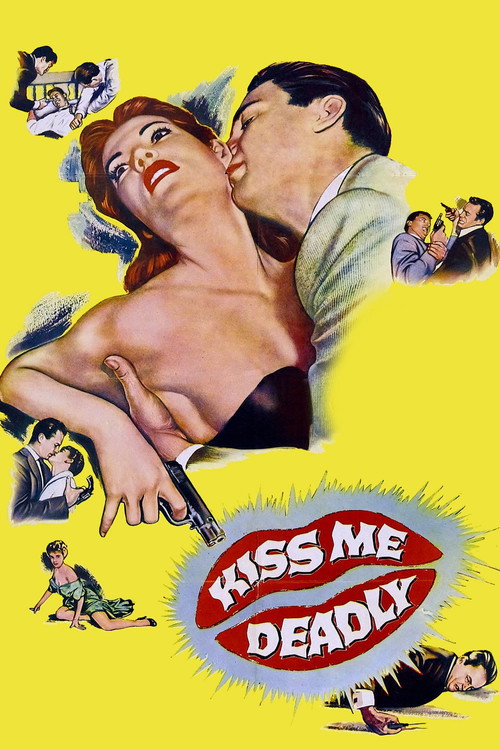
Kiss Me Deadly1955
Aldrich's savage adaptation of Spillane finds Mike Hammer as an amoral operator navigating a corrupted landscape. The visual style is as dark and angular as anything in British noir, and the misanthropy is complete.
But The misogyny is integral to the film's worldview, not incidental. If that puts you off, this isn't your evening.
The Third Man1949
Carol Reed's Vienna-set masterpiece about betrayal and revenge in the postwar rubble. Orson Welles is unforgettable, the cinematography baroque and unsettling, and the moral corruption absolute.
But It's more atmospheric than plot-driven. The famous zither score divides viewers sharply—some find it iconic, others intrusive and dated.

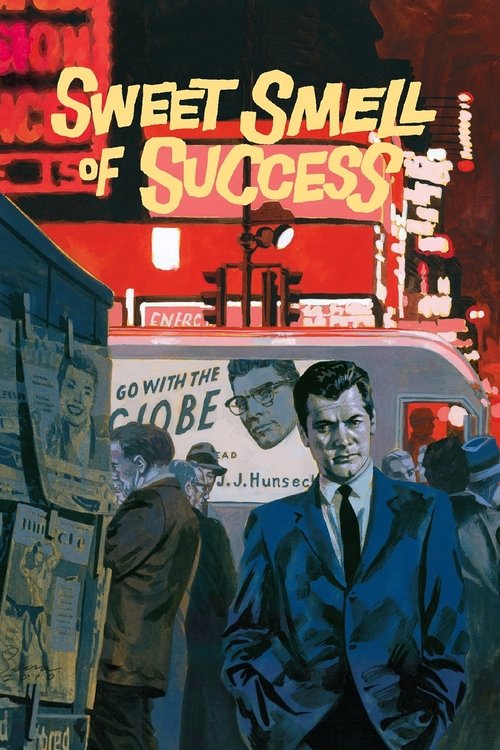
Sweet Smell of Success1957
Mackendrick's acid-etched portrait of New York corruption, with dialogue that crackles like a live wire. Two men destroy each other in an intimate dance of blackmail and resentment. Utterly cynical and exhilarating.
But The story is morally repugnant—every character deserves what they get. There's no one to root for, which some find exhausting rather than honest.
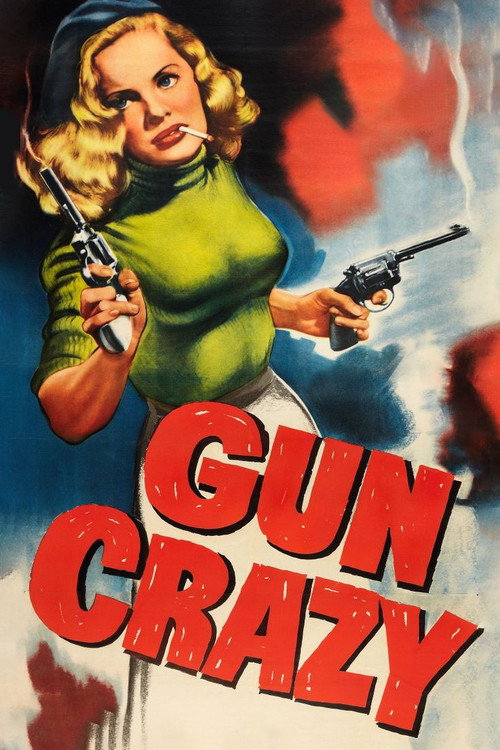
Gun Crazy1950
Lewis's lovers-on-the-run film predates Bonnie and Clyde, with a rawness and intimacy that feels utterly modern. The connection between violence and desire is explored without sentimentality or moral judgment.
But It's lean and sometimes feels underdeveloped. Fans of elaborately constructed narratives may find it skeletal.
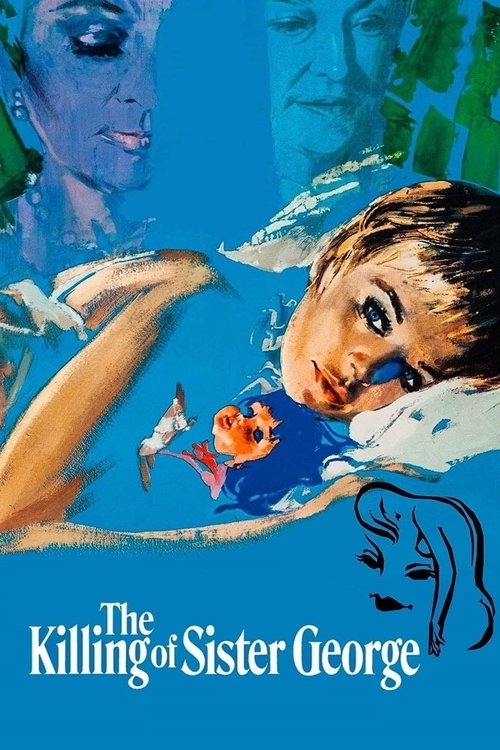
The Killing of Sister George1968
Aldrich again, this time a psychological thriller about a woman destroyed by betrayal and her own cruelty. The same vicious energy and refusal to sentimentalize her suffering.
But It's campy and uneven in tone. The second half loses control of what it's trying to say, which some find liberating and others find frustrating.
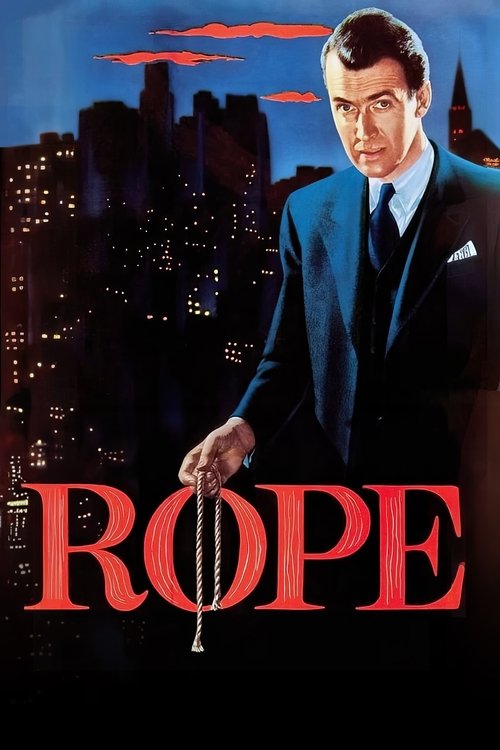
Rope1948
Both explore how crime hollows out the soul, but where you're in the streets running, Rope traps you in a room watching two men strangle on their own secrets.
Hitchcock's chamber piece about two men who commit murder and must contain their guilt during a dinner party. Like your film, it's about the psychological toll of crime and betrayal, but it's claustrophobic rather than fugitive—the camera refuses to look away as everything collapses inward.
But It's almost entirely dialogue and performance. The gimmick of shooting in real-time can feel mannered. If you need plot momentum, this suffocates you.
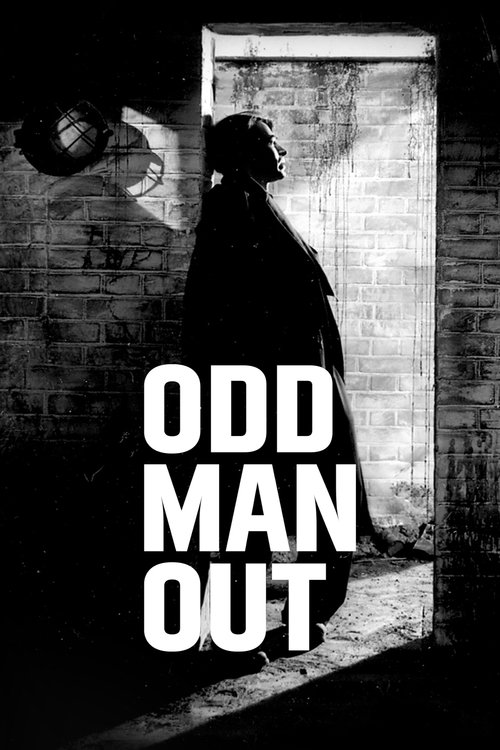
Odd Man Out1947
Both are about innocent or semi-innocent men marked for destruction by forces beyond their control, but Odd Man Out embraces mythic and surreal registers where you stay grounded in noir realism.
Reed's Belfast-set fever dream about a wounded IRA man hunted through the city. It's the same year as your film and the same British sensibility, but it uses expressionist visuals and a nearly hallucinatory style to capture desperation and moral ambiguity. Visually breathtaking.
But The symbolic register is heavy-handed. Some find the visual excess overwrought; others find it dated and overwrought simultaneously.
People
Cast
 Sally GraySally Connor
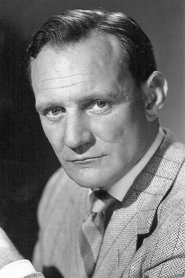 Trevor HowardGeorge Clement 'Clem' Morgan
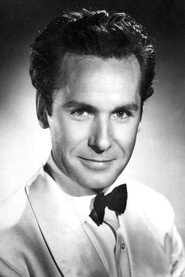 Griffith JonesNarcy
 Rène RayCora
 Mary MerrallAggie
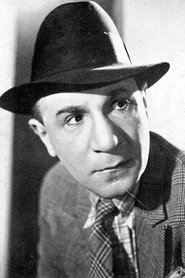 Charles FarrellCurley
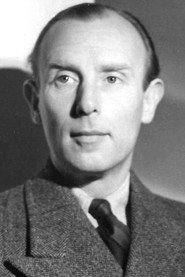 Jack McNaughtonSoapy
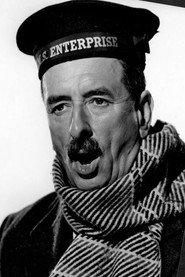 Cyril SmithBert
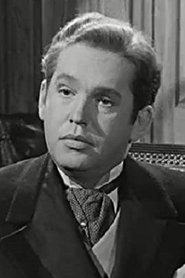 John PenroseShawney
- Eve AshleyEllen
- Phyllis RobinsOlga
Directing
- Guy HamiltonAssistant Director
- Shirley BarnesContinuity
- Alberto CavalcantiDirector
- Dicky LeemanFirst Assistant Director
- Jean DyballOther
- Pat KellySecond Assistant Director
- Keith EndeanThird Assistant Director
Writing
- Jackson BuddNovel
- Noel LangleyScreenplay
Production
- Noel LangleyAssociate Producer
- Nora RobertsCasting Director
- James A. CarterExecutive Producer
- Kenneth HorneLocation Manager
- Nat A. BronsteinProducer
- Peta EastwoddProduction Assistant
- A. R. ShipmanProduction Executive
- Fraser FoulshamProduction Manager
- L. EastwoddProduction Secretary