
Film
Odd Man Out
Odd Man Out is Carol Reed's fog-soaked fever dream of a thriller: an IRA leader, shot and bleeding, staggers through one long Belfast night while the city closes in around him. James Mason gives one of cinema's great performances as a man dying by degrees, watched by drunks, painters, priests and informers. It's less a chase than a slow, expressionist reckoning with guilt — gorgeous, grim, and unforgettable.
If you liked this
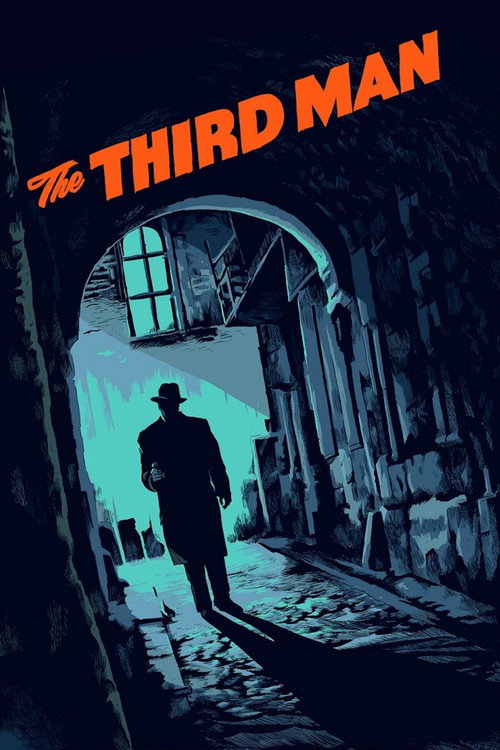
The Third Man1949
Carol Reed reunites with a fugitive, a ruined city, and moral rot, but trades Belfast fog for Vienna's sewers and adds Orson Welles at his most charming and corrupt.
But If you've already worn a groove into this one, there's little new here left to surprise you.
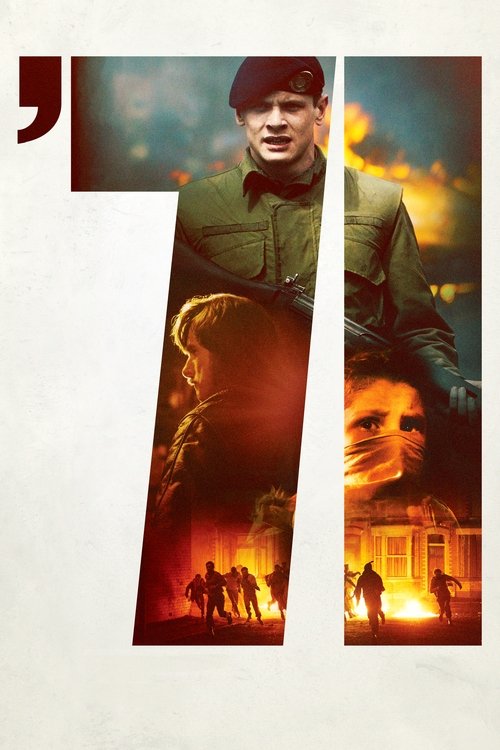
'712014
A young British soldier is stranded behind enemy lines in Troubles-era Belfast, and the film turns one desperate night into a nerve-shredding study of loyalty and survival.
But The handheld intensity and constant dread can feel relentless if you want something with breathing room.
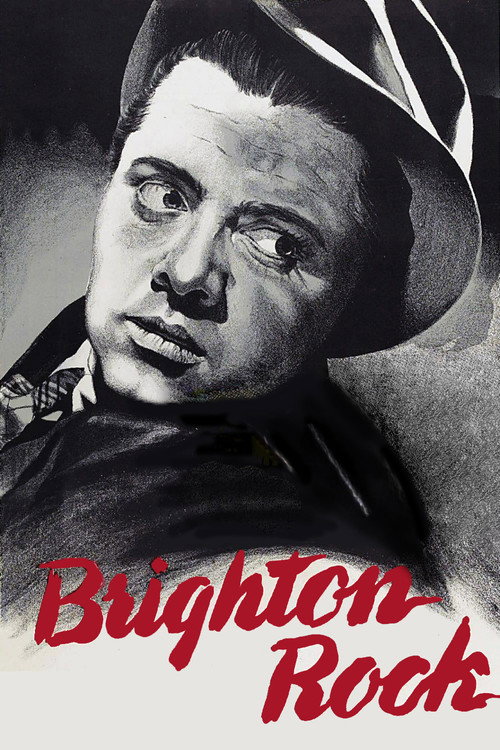
Brighton Rock1948
Made the same year, this is another British noir about a young hoodlum cornered by his own choices, with Richard Attenborough coiled and vicious as the lead.
But The seaside setting and pulpy Greene plotting feel pacier and less poetic than Reed's film.
The wildcard
Something you would not have found on your own.
The Informer1935no page yet
Both films run the same engine — a marked man stumbling through one long night in an Irish city, judged by drunks, priests and old comrades — drawing from the same tradition of Irish rebel-underworld fiction that made the hunted informer a genre unto itself.
A decade before Reed's film, John Ford sent a doomed Dublin informer wandering a fog-choked night, hunted by the very cause he betrayed — and won Victor McLaglen an Oscar for it.
But The studio-bound expressionism and 1930s pacing feel far more theatrical and dated than Reed's location-shot realism.
More like this (8)
The Fallen Idol1948no page yet
Reed's very next film, seen through a child's eyes, proves he could wring the same dread and moral ambiguity from a domestic setting as from a manhunt.
But It's quieter and more claustrophobic — no chase, no city, just a house and a lie.
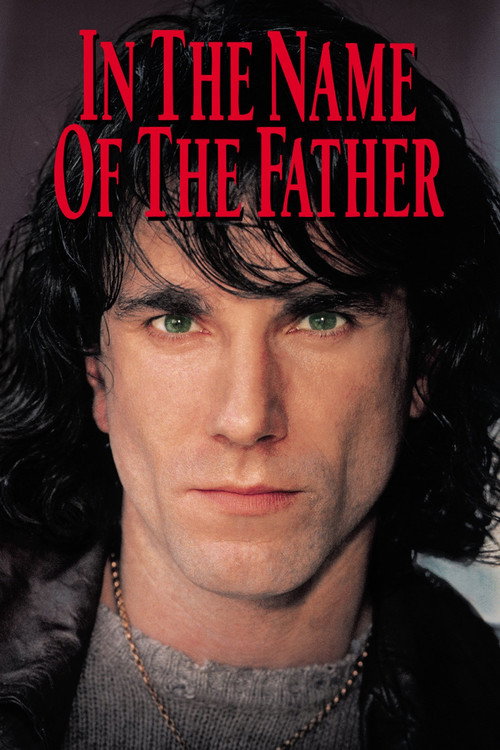
In the Name of the Father1993
Jim Sheridan's furious, moving account of a wrongful IRA conviction shares Odd Man Out's interest in how ordinary people get crushed by political violence.
But It's a courtroom-and-prison drama rather than a nocturnal chase, with a very different rhythm and runtime.
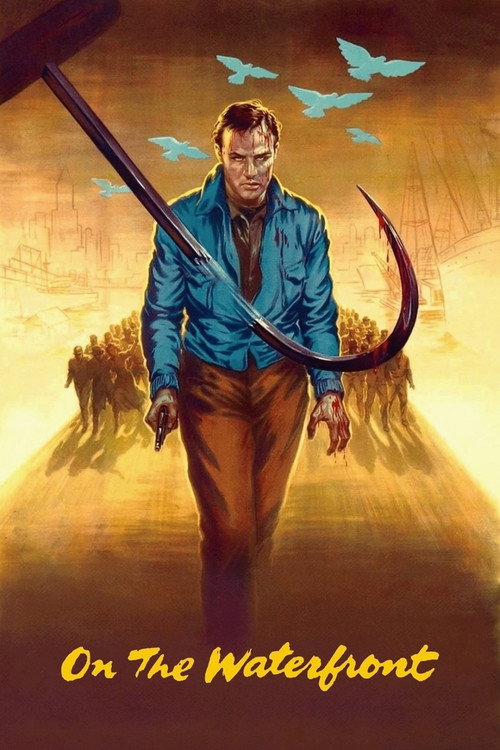
On the Waterfront1954
Brando's conscience-stricken longshoreman wrestles with the same question Johnny McQueen never gets to answer: what do you owe the men who claim your loyalty?
But It's American, sunlit and stagier where Reed's film is shadowed and elliptical.
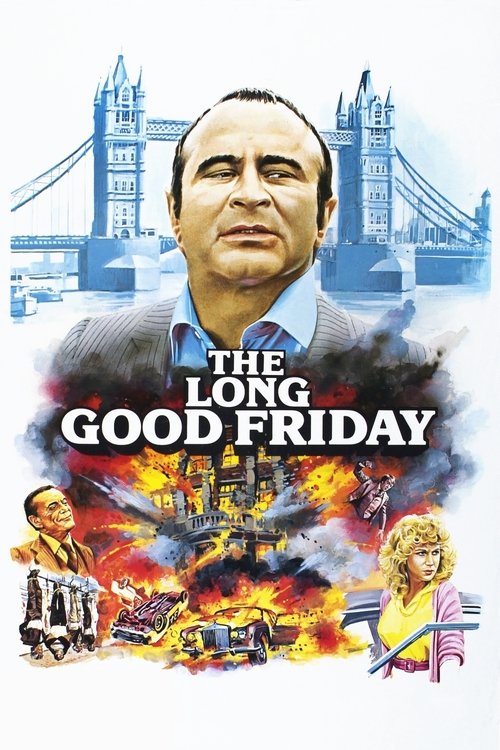
The Long Good Friday1980
Bob Hoskins' gangster kingpin discovers the IRA has come to London, and the film crackles with the same sense of a criminal world tipping into chaos it can't control.
But It's brasher, funnier and far more violent — a different decade's idea of a crime thriller entirely.
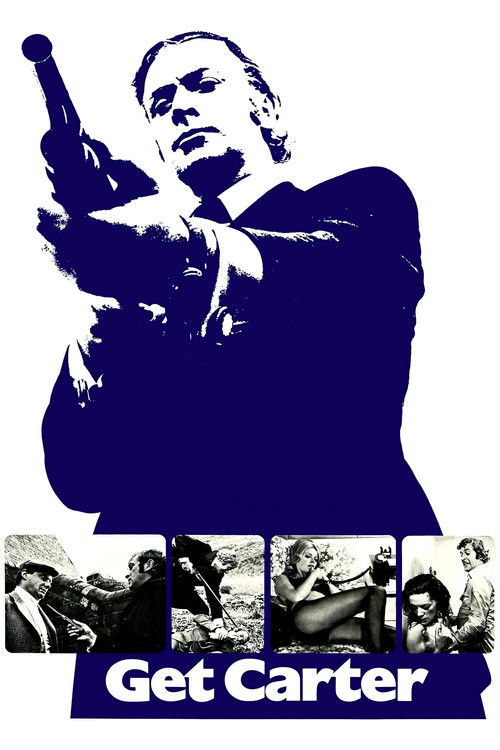
Get Carter1971
Michael Caine's icy revenge mission through industrial Newcastle has the same bleak northern atmosphere and moral exhaustion, just with a colder, harder engine.
But Carter is a man in control chasing others, not a wounded man losing control — the emotional temperature is different.
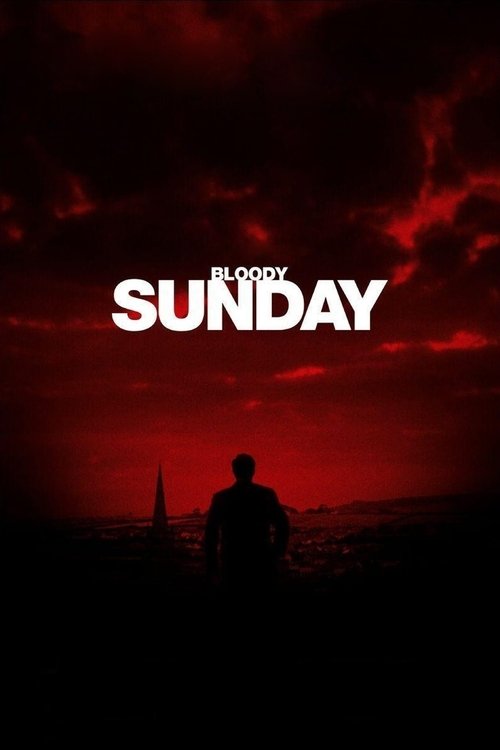
Bloody Sunday2002
Paul Greengrass's you-are-there reconstruction of the 1972 Derry shootings shows the real machinery Odd Man Out only gestures at, filmed with documentary urgency.
But It's unsparing and journalistic, with none of Reed's expressionist beauty to soften the horror.
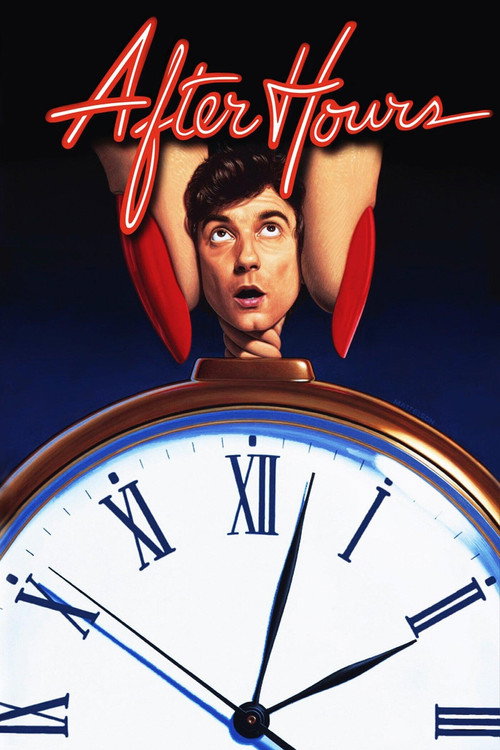
After Hours1985
Griffin Dunne's increasingly desperate odyssey through downtown Manhattan strangers is structurally the same nocturnal gauntlet Johnny McQueen runs — just recast as farce, proof the shape survives a total change of genre.
Take the structure of Odd Man Out — one man, one night, a city that turns stranger and more hostile with every stop — and run it through screwball paranoia instead of tragedy.
But It's a comedy, and a jittery, anxious one; if you want Reed's gravity and doom, this will feel like a joke at the wrong funeral.
I, Dolours2018no page yet
Where Odd Man Out imagines a gunman's slow moral disintegration as expressionist fiction, this documentary hands you the actual testimony of someone who lived that disintegration for real, decades later.
A real IRA volunteer, filmed shortly before her death, confesses to the violence she carried out and the toll it took, giving you the lived version of the guilt Reed only dramatizes.
But There's no fiction's mercy here — it's a first-person reckoning with real killing, sober and heavy rather than cinematic.
People
Cast
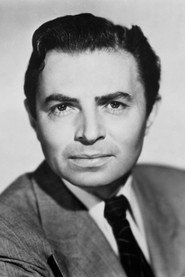 James MasonJohnny McQueen
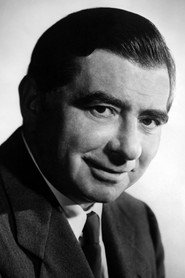 Robert NewtonLukey
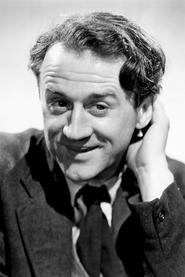 Cyril CusackPat
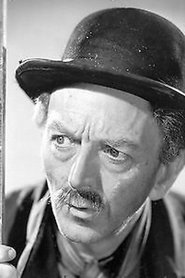 F.J. McCormickShell
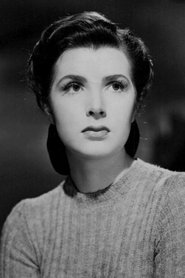 Kathleen RyanKathleen Sullivan
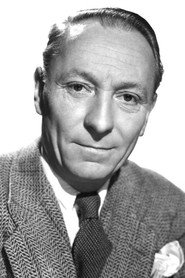 William HartnellFencie - the barman
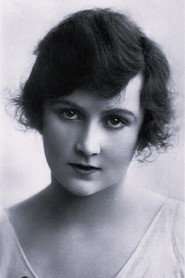 Fay ComptonRosie
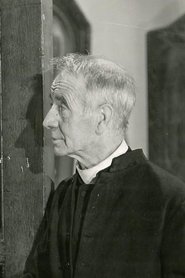 W.G. FayFather Tom
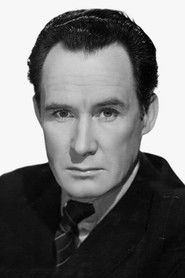 Denis O'DeaInspector
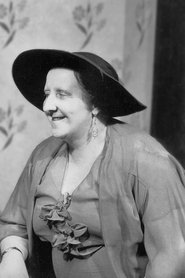 Maureen DelaneyTheresa O'Brien
- Elwyn Brook-JonesTober
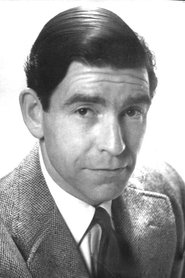 Robert BeattyDennis
Directing
- Carol ReedDirector
- Anthony HearneSecond Assistant Director
Writing
- R.C. SherriffScreenplay
- F.L. GreenWriter
Production
- Phil C. SamuelAssociate Producer
- Irene HowardCasting
- Herbert SmithExecutive Producer
- Carol ReedProducer
- Frank BevisProduction Manager