
Film
The Limping Man
A post-war thriller about an American veteran returning to London to find his former lover entangled in espionage and murder. It's a brisk, unpretentious B-picture with genuine paranoia and the particular gloom of 1950s Britain—less interested in thrills than in the cold distance between people who once knew each other.
If you liked this
The Third Man1949
Carol Reed's Vienna-set masterpiece has the same postwar atmosphere of betrayal and moral ambiguity, with a protagonist slowly discovering his old friend isn't who he thought. Orson Welles' performance alone makes it essential.
But It's deliberately paced and ends quietly. The famous zither score may feel affected on first viewing, and some find the moral conclusion unsatisfying.

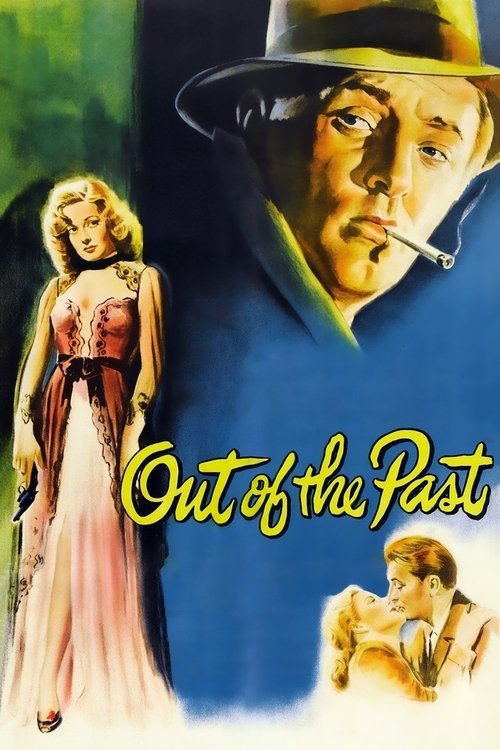
Out of the Past1947
A doomed man pulled back into danger by his past, shadowy nightclub scenes, and a femme fatale who isn't quite what she seems. The archetype for every noir that followed, with Robert Mitchum at peak exhaustion.
But The plot loops back on itself deliberately, which some find frustrating. Black-and-white contrast is extreme and occasionally makes dialogue hard to hear.
The Asphalt Jungle1950
Huston's blueprint for every heist film after it, set in a grimy mid-American city where criminals plan meticulously and fate intervenes anyway. Taut, unsentimental, and genuinely tense throughout.
But There's no hero to root for—everyone's self-interested and flawed. The ending is bleak without feeling earned to some viewers.

Not sure tonight? Get a pick in a minute, starting from The Limping Man
The wildcard
Something you would not have found on your own.
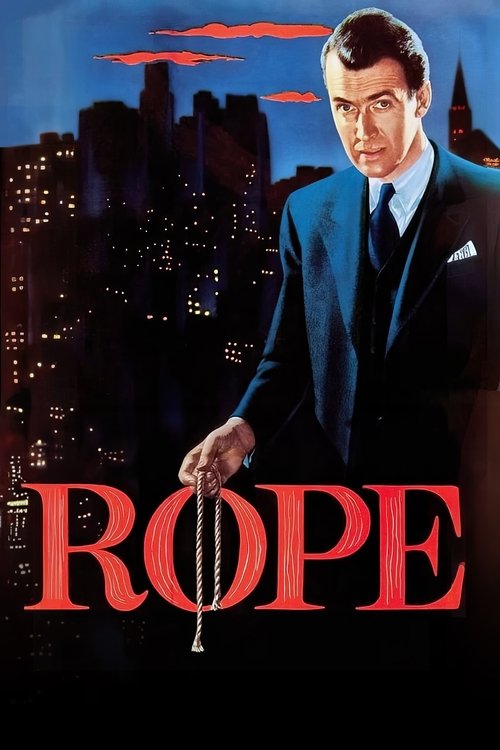
Rope1948
Both are tight, enclosed thrillers about English secrets and the masks people wear around each other. Both privilege atmosphere and paranoia over plot momentum, and both suggest that postwar society is fundamentally untrustworthy.
Hitchcock's radical experiment: a murder thriller staged almost entirely in one room in real-time, told in long unbroken takes. It's claustrophobic, theatrical, and about how civilized people justify the unjustifiable to themselves.
But The technical audacity (rear-projection, long takes) shows its seams by today's standards. Some find the stage-play artificiality alienating rather than elegant.
More like this (8)
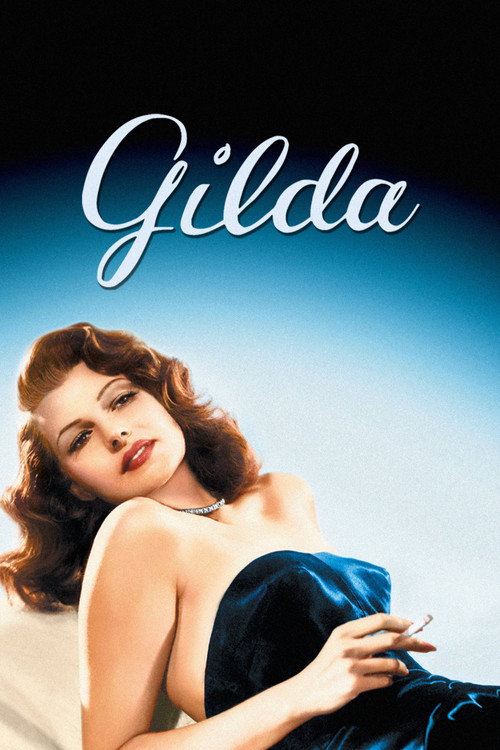
Gilda1946
Rita Hayworth and Glenn Ford's electric antagonism in occupied Buenos Aires, mixing spy plots with genuine sexual tension. Visual and seductive in ways postwar thrillers rarely allowed themselves to be.
But The first half bogs down in exposition. The plot doesn't always make logical sense if you think too hard about it.
The Killers1946
Two hitmen arrive to kill a man who doesn't resist, then the film backtracks to explain why. Siodmak's direction is restless and inventive, and the moral questions linger after the credits roll.
But It's fragmented deliberately, which can feel scattered rather than clever. Some scenes feel padded with talk when you want movement.

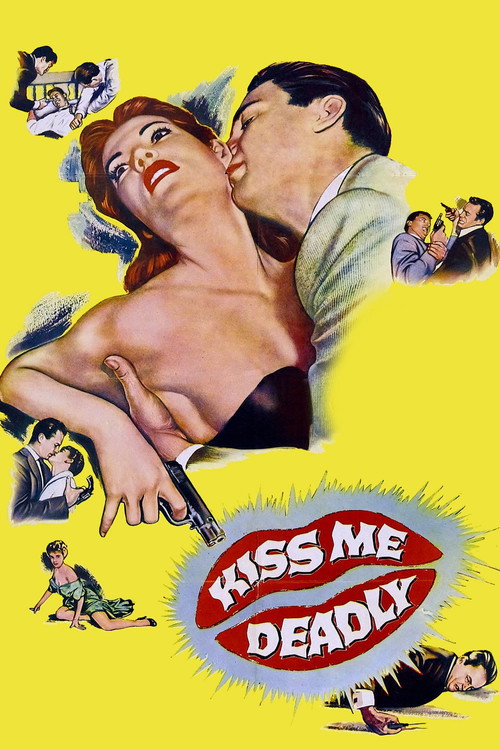
Kiss Me Deadly1955
Aldrich's Mike Hammer is meaner and smarter than he should be, operating in a Los Angeles that feels actively hostile. The atomic-age dread seeps into every frame, and the ending is genuinely nihilistic.
But Hammer is a borderline-repugnant protagonist. The plot becomes increasingly abstract and some viewers find it pretentious rather than profound.
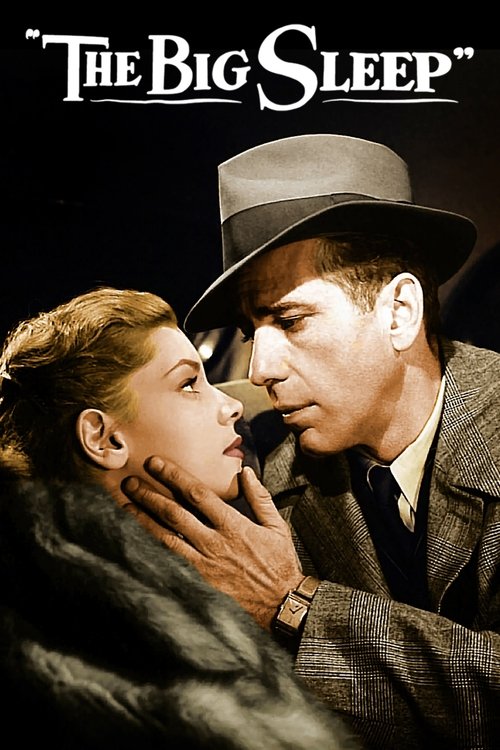
The Big Sleep1946
Bogart and Bacall verbally spar while investigating a complex blackmail scheme that almost nobody fully understands. The chemistry and wit matter more than plot coherence, and it earns that trade.
But The narrative is genuinely confusing—even the screenwriters couldn't keep it straight. Some scenes feel stalled waiting for the leads to banter again.
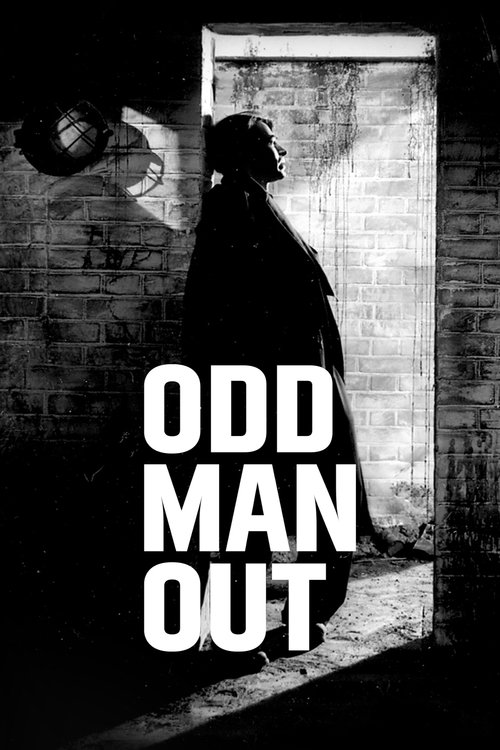
Odd Man Out1947
A wounded IRA gunman stumbles through Belfast's underworld in real time. Reed's direction is expressionistic and sympathetic, the city becomes a maze of betrayal, and the Irish setting adds moral texture.
But The pacing is glacial by modern standards. Some supporting characters verge on caricature, and the political context may feel distant.
The Killing1956
Kubrick's debut about a racetrack heist told in fractured chronology. It moves with purpose, trusts its audience, and features some of the best noir performances of the era from actors before they became famous.
But The non-linear structure can feel gimmicky on first viewing. The film's coldness extends to the romantic subplot, which feels underdeveloped.

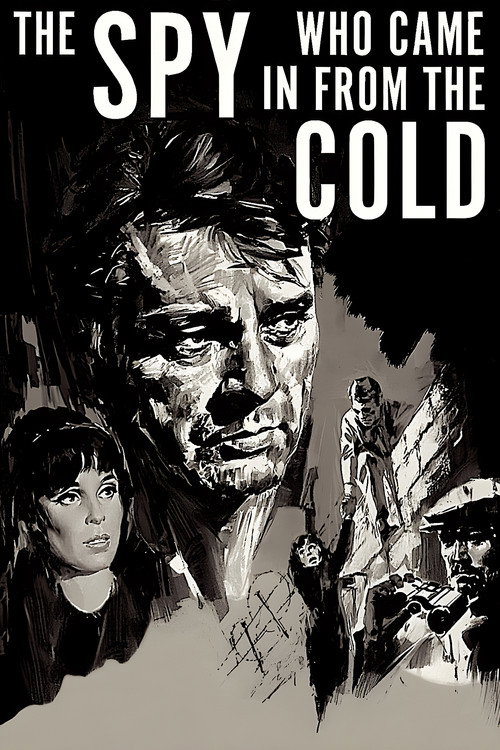
The Spy Who Came In from the Cold1965
Both treat spycraft as a sad job rather than adventure. Both feature ordinary men caught in machinery bigger than themselves, and both suggest that the real cost of intelligence work is emotional deadening.
Le Carré adaptation with Richard Burton as a tired Cold War operative—it's espionage without fantasy, all grey bureaucracy and moral exhaustion. Shot in Berlin, genuine dread instead of spectacle, and an ending that respects its audience's intelligence.
But It's deliberately unglamorous and downbeat. Long stretches have no action, just men talking in safe houses. The tone is so bleak some viewers find it punishing.
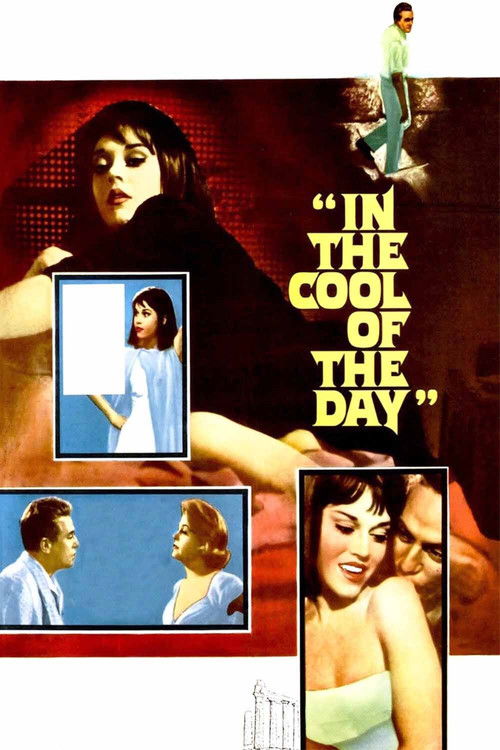
In the Cool of the Day1963
Both explore how desire and deception intertwine in postwar relationships. Both feature protagonists discovering their London/Continental lover is not who they imagined, and both suggest that the real conspiracy is the one we tell ourselves about love.
Davis and Finch as strangers drawn together in Athens while their respective spouses are elsewhere—it's a melancholy character study disguised as a thriller, exploring the gap between who we think we are and who we become when observed differently.
But The thriller elements are secondary to psychological observation, so if you want plot movement you'll be disappointed. The ending is quiet and doesn't resolve neatly.
People
Cast
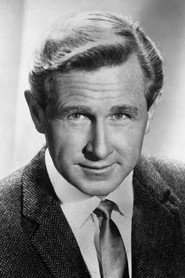 Lloyd BridgesFrank Prior
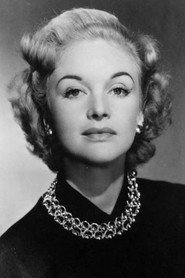 Moira ListerPauline French
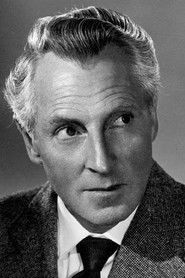 Alan WheatleyInspector Braddock
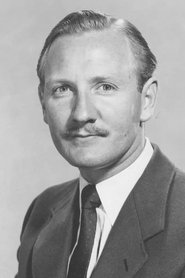 Leslie PhillipsDetective Cameron
- Hélène CordetHelene Castle
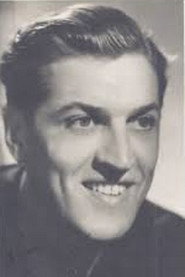 Tom GillStage Manager
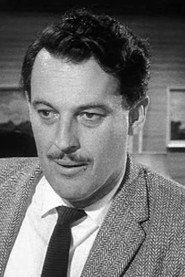 Bruce BeebyKendall Brown
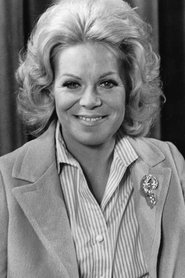 Rachel RobertsBarmaid
- Marjory HumeLandlady
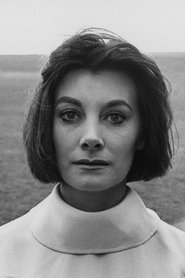 Jean MarshLandlady's Daughter
- Robert HarrinThe Magician
 André van GyseghemGeorge, Stage Doorman
Directing
- Pat KellyAssistant Director
- Gladys ReeveContinuity
- Cy EndfieldDirector
- Douglas HickoxSecond Assistant Director
- John PitcherThird Assistant Director
Writing
- Ian Stuart BlackScreenplay
- Reginald LongScreenplay
- Anthony VerneyStory
Production
- Donald GinsbergProducer
- Elsa HatchettProduction Manager