
Film
In the Cool of the Day
A 1963 drama about moral paralysis and desire. Peter Finch and Jane Fonda play strangers who collide at a marriage's breaking point and flee to Greece together, leaving wreckage behind. It's elegant and slow, built on the assumption that feeling something deeply justifies almost anything. For viewers who find themselves in the grey spaces of other people's marriages.
Should you watch it?
Watch it if you like slow-burn melodrama about restless desire and the quiet damage people do to each other, with the mood of a sunlit postcard going faintly sour.
Skip it if you want a lean, modern pace; this is talky, theatrical and deliberate, with stage-bound dialogue that can feel stiff for long stretches.
What it asks of you: Under ninety minutes, it moves at a measured, sultry pace, and it wants you to sit with uncomfortable emotions rather than rush past them.
Not sure? Find tonight's pick in a minute.
If you liked this
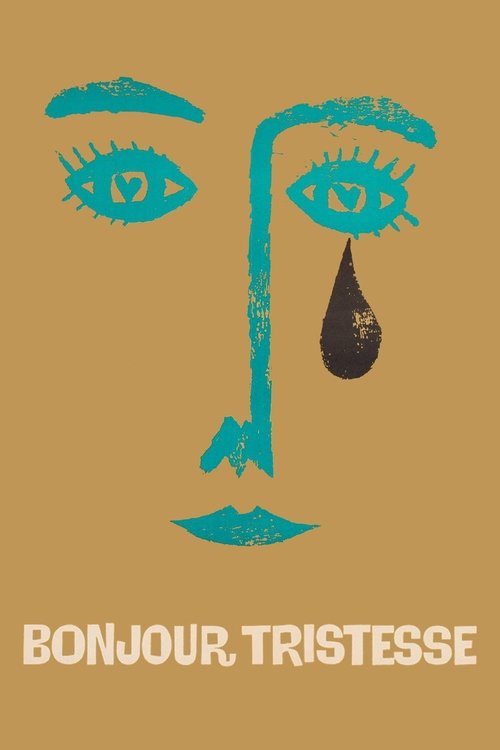
Bonjour Tristesse1958
Françoise Sagan's world of beautiful people making terrible choices in the South of France. Similar mood: bittersweet, sun-drenched moral drift, the seductiveness of selfishness dressed up as romance.
But The pacing is glacial and nothing you'd call a plot actually happens. If you need stakes or momentum, this will feel like watching paint dry on a yacht.
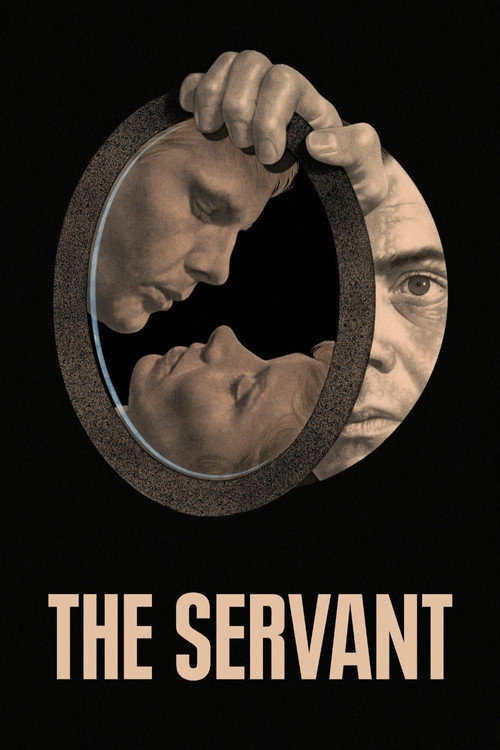
The Servant1963
Released the same year, another film about desire eroding the boundaries between people. Joseph Losey's masterpiece: intimate, claustrophobic, deeply unsettling. A slow-motion moral collapse that's genuinely disturbing.
But It's suffocating and bleak in ways that won't feel cathartic. The ending offers no redemption, just exhaustion and shame.
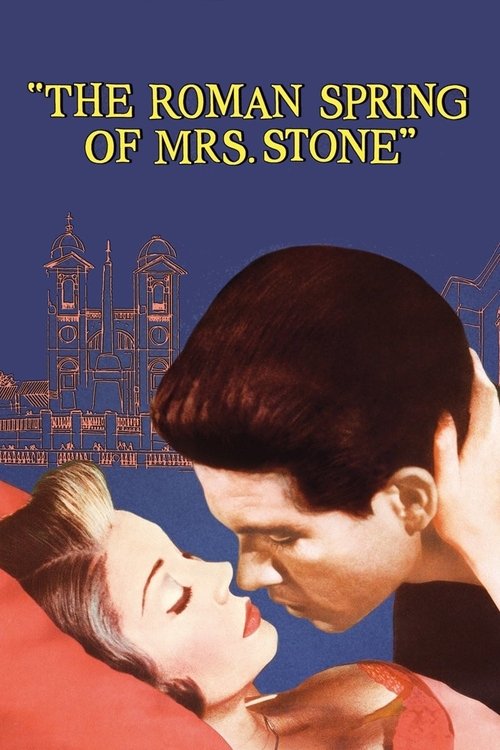
The Roman Spring of Mrs. Stone1961
Vivien Leigh as a wealthy widow who falls into an affair with a younger man in Rome. The same architecture: wealth, boredom, someone crossing a line they can't uncross. Visually sumptuous and morally complicated.
But It's elegantly made but emotionally cold. You're watching damage happen to people who deserve better, and the film doesn't comfort you about it.
Not sure tonight? Get a pick in a minute, starting from In the Cool of the Day
The wildcard
Something you would not have found on your own.
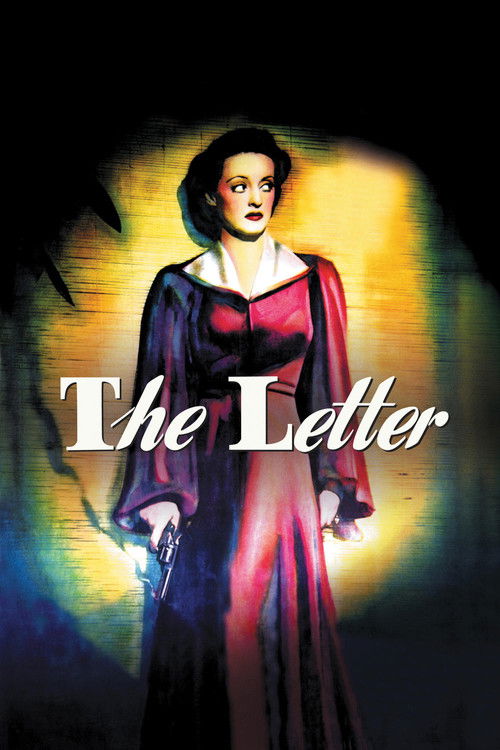
The Letter1940
Both films hinge on whether desire absolves someone of responsibility. This one answers no. In the Cool of the Day wavers. That debate across eighty years is the real conversation.
Bette Davis shoots a man and lies about it. Instead of fleeing with her lover, she's trapped by guilt and consequence. Same period glamour and moral rot, but Davis never lets you feel sympathy for her escape. She's punished, and the film doesn't apologize for that.
But It's a studio picture with a rigid moral code that feels didactic now. Davis is so good that you're less interested in justice than in her face.
More like this (8)
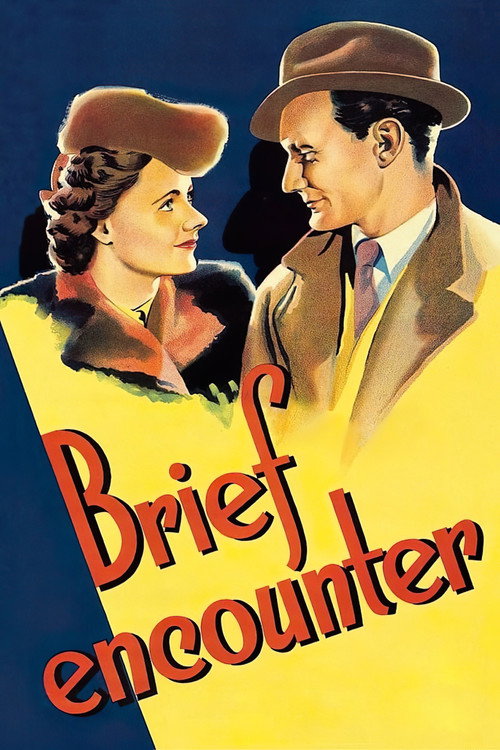
Brief Encounter1945
The blueprint for lovers meeting by accident and changing each other's lives. Coward and Celia Johnson's restrained passion feels more dangerous than any explosion. The moral weight is immense and earned.
But It's structured around tea and train schedules rather than dramatic confrontation. The passion is all interior, which some find moving and others find inert.
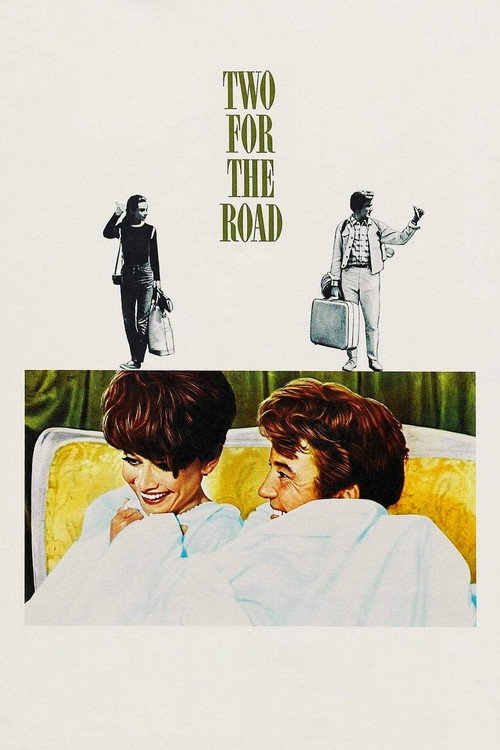
Two for the Road1967
Audrey Hepburn and Albert Finney's marriage across time and geography. Like this film, it's about how love and desire can coexist with betrayal and resentment. Stylish and unexpectedly thoughtful.
But It jumps around chronologically in ways that can feel gimmicky. And it's ultimately more forgiving of its characters than you might want it to be.
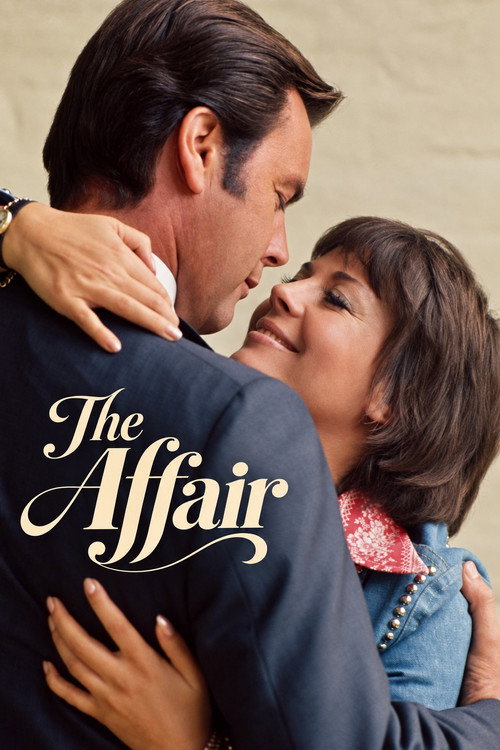
The Affair1973
Ray Milland and Anne Heywood as a middle-aged couple whose marriage fractures when desire arrives. Smaller and quieter than you'd expect, which is exactly its power. Real people, real cost.
But It's a TV movie that looks like a TV movie. No visual compensation for the sadness, which some find honest and others find just depressing.
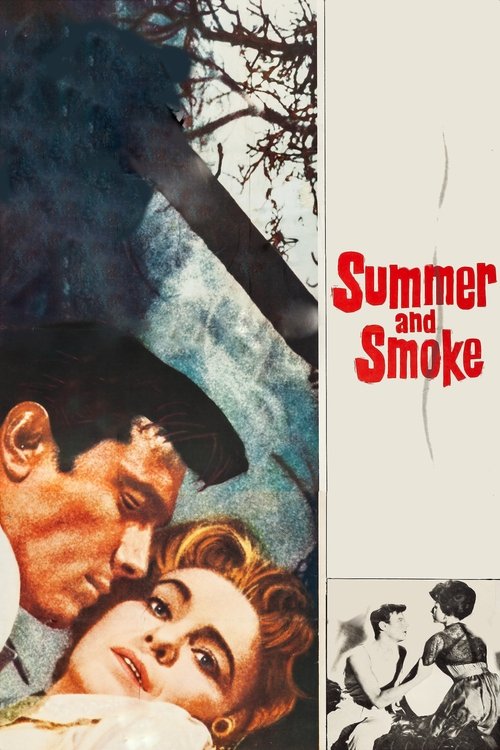
Summer and Smoke1961
Tennessee Williams about a minister's daughter and the boy from the wrong side of town. That same voltage between propriety and desire, responsibility and need. Laurence Harvey is magnetic.
But It's stagey and sometimes overwrought. The dialogue feels written rather than spoken, and that artificiality can feel mannered.
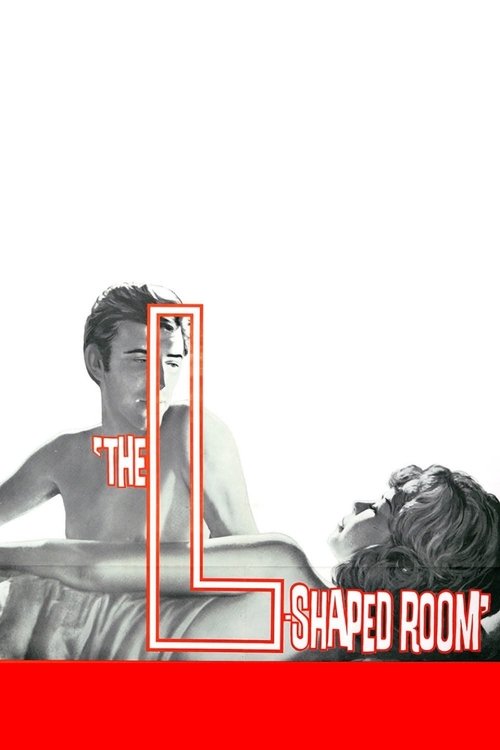
The L-Shaped Room1962
Leslie Caron pregnant and alone in London, meeting a young writer downstairs. Tender and unglamorous, about people making small choices that change everything. Genuinely moving.
But It's deliberately small and domestic. If you're looking for drama or conflict, it offers resignation and acceptance instead.
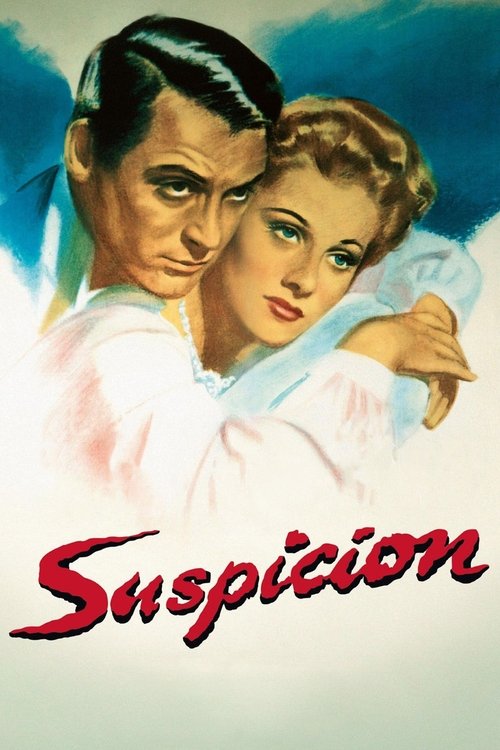
Suspicion1941
Cary Grant as a man his new wife begins to distrust, possibly for good reason. That creeping uncertainty about who someone really is, and whether you can live with not knowing—it's the ancestor of this film's moral confusion.
But The ending is a famous compromise that undercuts everything before it. Once you know the ending, you can't unknow that it's trying to have it both ways.
The Last Temptation of Christ1988
Both films are about men watching the women they want and understanding that taking her means destroying someone else—and having to decide if that's a price worth paying. One is a 1963 romance. One is biblical philosophy. The guilt underneath is identical.
Scorsese's heretical, intimate film about wanting something else, being someone else. Long scenes of a man negotiating between desire and duty, between the life he chose and the life he could have had. Theologically wild, psychologically precise.
But It's a Jesus film that will offend religious viewers. And it's three hours of spiritual anguish, not entertainment. The climax is a rejection of narrative satisfaction itself.
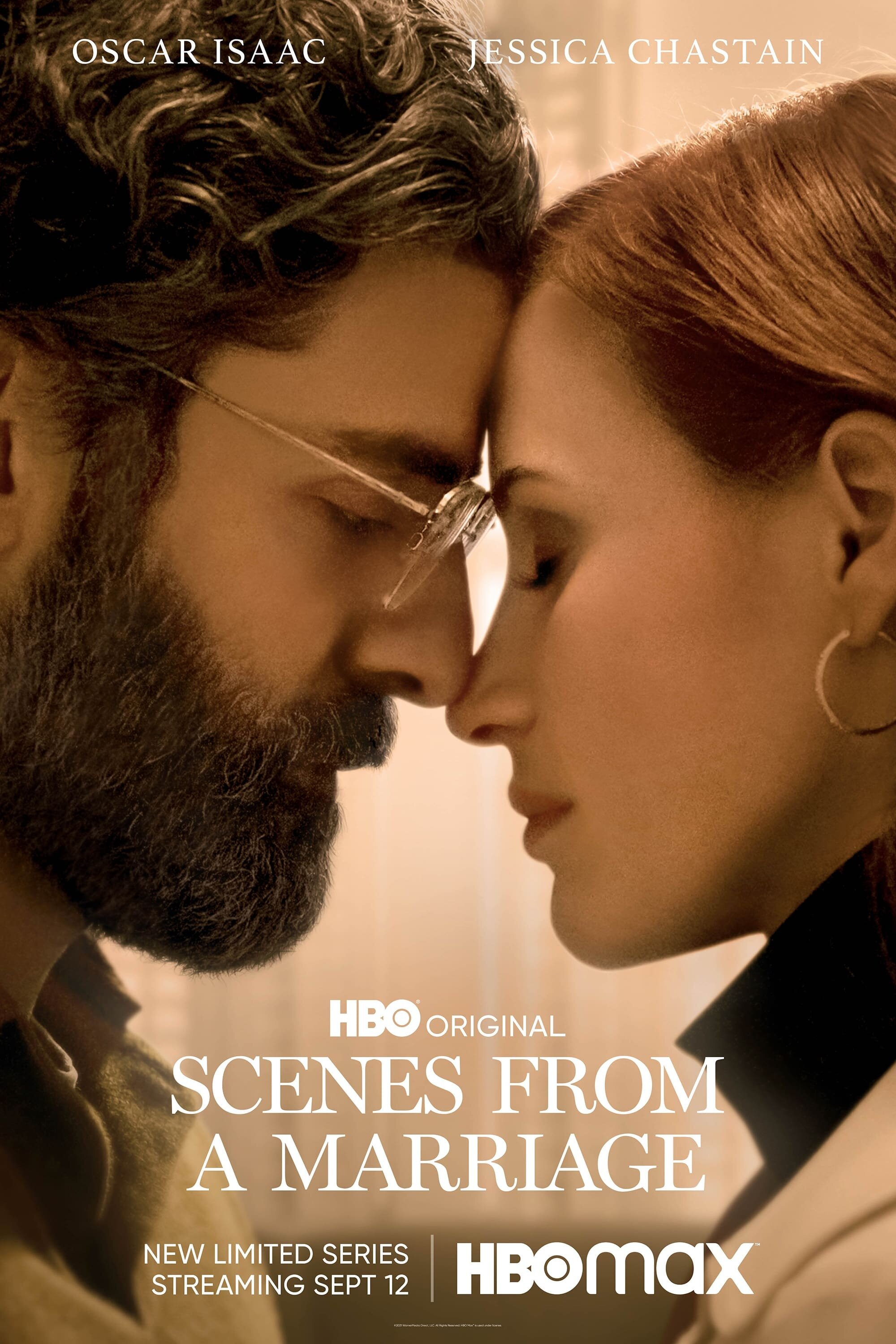
Scenes from a Marriage2021
In the Cool of the Day is about two people running toward something beautiful. Scenes from a Marriage is about two people understanding why that beauty always contains the seeds of destruction. One is the romantic fantasy. This is the reckoning.
Bergman's miniseries (or film, depending on your edition) follows Marianne and Johan through decades of desire, disappointment, infidelity, and the slow wreckage of a partnership. It's the most honest thing ever made about why people leave each other.
But It's austere and talky and Swedish. No music except diegetic. The camera barely moves. If you need visual variety or emotional catharsis, it will feel like a punishment.
People
Cast
 Peter FinchMurray Logan
 Jane FondaChristine Bonner
 Angela LansburySybil Logan
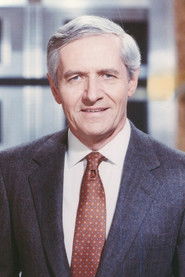 Arthur HillSam Bonner
 Constance CummingsMrs. Nina Gellert
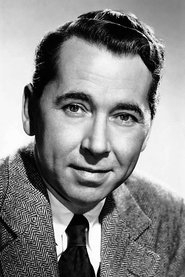 Alexander KnoxFrederick Bonner
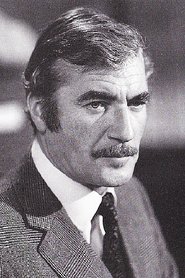 Nigel DavenportLeonard Groves
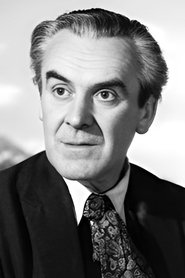 John Le MesurierDr. Arraman
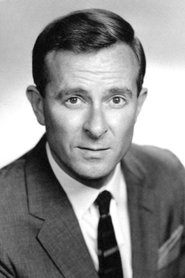 Alec McCowenDickie Bayliss
- Andreas MarkosAndreas
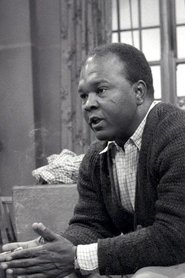 Thomas BaptisteMurray Logan's chauffeur (uncredited)
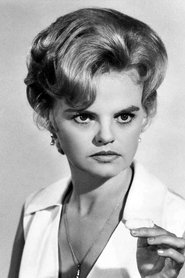 Madeleine SherwoodParty Hostess (uncredited)
Directing
- Jake WrightAssistant Director
- Betty HarleyContinuity
- Robert StevensDirector
Writing
- Susan ErtzNovel
- Meade RobertsScreenplay
Production
- Sydney StreeterAssociate Producer
- Irene HowardCasting
- John HousemanProducer
- Ken AdamProduction Designer
- David MiddlemasProduction Manager