
Film
The L-Shaped Room
A British kitchen-sink drama with real tenderness under the grime: Leslie Caron's pregnant, unmarried Jane moves into a shabby Notting Hill boarding house and slowly builds an unlikely found family among its misfits. Frank for 1962 about pregnancy, choice and stigma, it's less interested in scandal than in dignity — slow, wry, occasionally very funny, and built for anyone who likes romance complicated by real consequence rather than tidied up by it.
Should you watch it?
Watch it if you like unhurried, clear-eyed British kitchen-sink drama, where the small frictions of a shabby boarding house matter as much as the big decision at its centre.
Skip it if you need brisk plotting or a warm, uplifting tone; this is slow, often gloomy, and its romance stays prickly rather than charming.
What it asks of you: Settle in for over two hours of observational scenes with long stretches of quiet talk; it rewards attention to small gestures rather than rushing toward events.
Not sure? Find tonight's pick in a minute.
If you liked this
A Taste of Honey1961
Same era, same unflinching honesty about being young, poor and pregnant without a husband; Rita Tushingham's performance carries the same mix of defiance and terror as Caron's Jane, without a trace of sentiment.
But Its bleakness is even starker, and the ending offers less comfort than you might want after a long day.

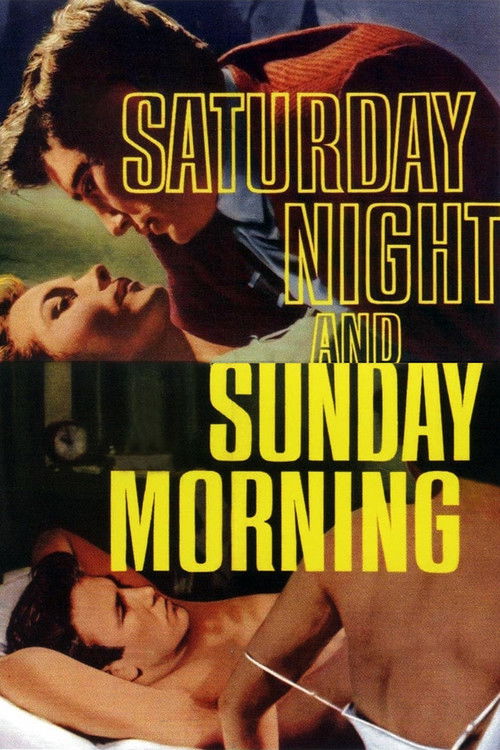
Saturday Night and Sunday Morning1960
The film that basically invented the mood The L-Shaped Room lives in — grim northern terraces, a restless young man refusing to settle, the same appetite for showing ordinary lives without gloss.
But It's Arthur's story, not a woman's, and the swagger can feel dated next to Jane's quieter resilience.
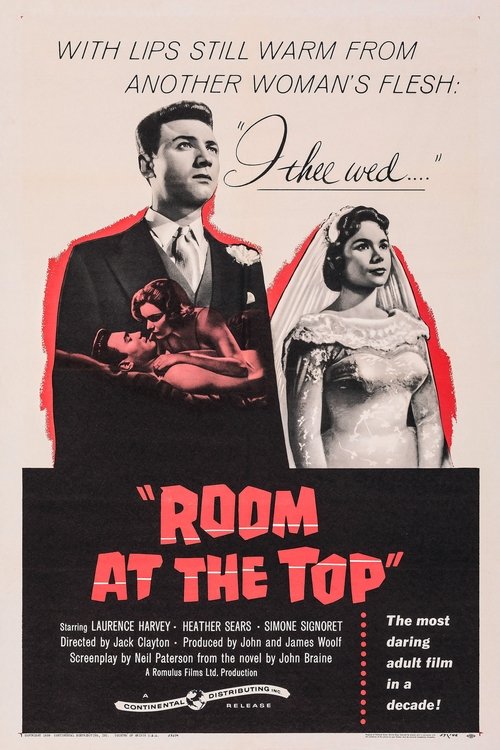
Room at the Top1958
The film that kicked off the British New Wave, with the same class anger and sexual frankness that made Jane's story possible on screen at all — ambition, adultery and consequence in grimy postwar Britain.
But Laurence Harvey's climber is far less sympathetic than anyone in the boarding house, and the moralising ending feels heavier now.
Not sure tonight? Get a pick in a minute, starting from The L-Shaped Room
The wildcard
Something you would not have found on your own.
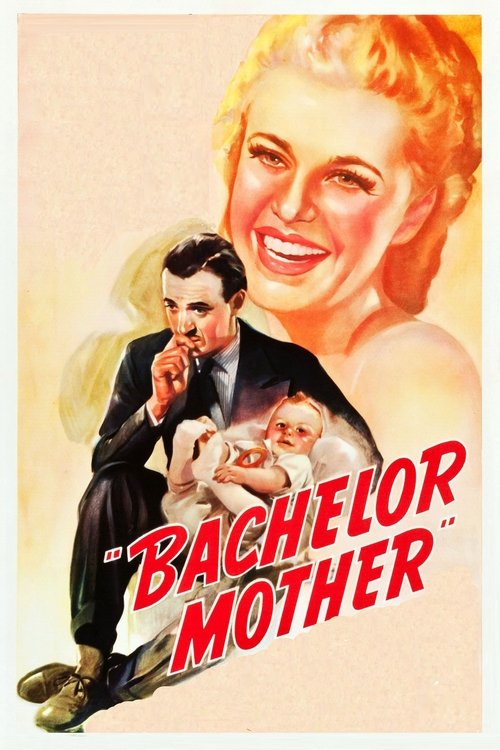
Bachelor Mother1939
Same premise — an unmarried woman mistaken for, then raising, a baby alone — but nearly a quarter-century earlier and played entirely for screwball delight, proof the subject didn't start as tragedy.
Ginger Rogers is dazzling as a shopgirl wrongly assumed to be an unwed mother, turning scandal into rapid-fire comic chaos — proof the exact same premise can be pure delight instead of drama.
But If you want Jane's aching realism, this featherweight comedy will feel almost frivolously beside the point.
More like this (8)
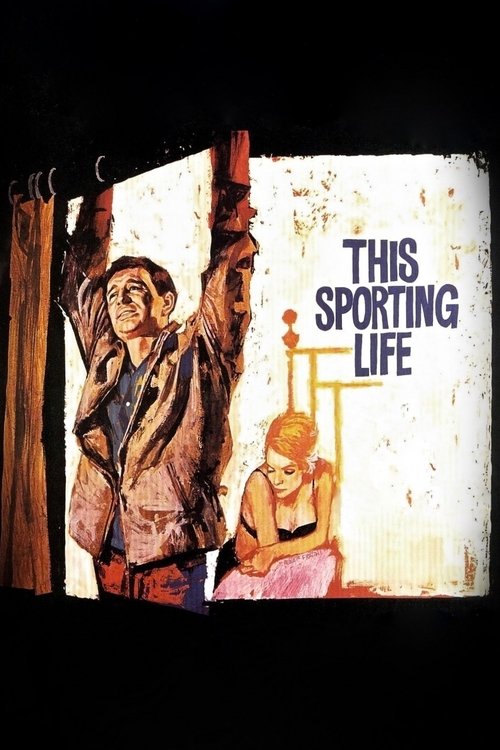
This Sporting Life1963
Another lodging-house drama built on loneliness and thwarted intimacy, with Rachel Roberts giving a performance every bit as raw as Caron's — two people circling each other, unable to say what they need.
But It's angrier and more violent than Jane's story, built around a man's frustration rather than a woman's quiet resolve.
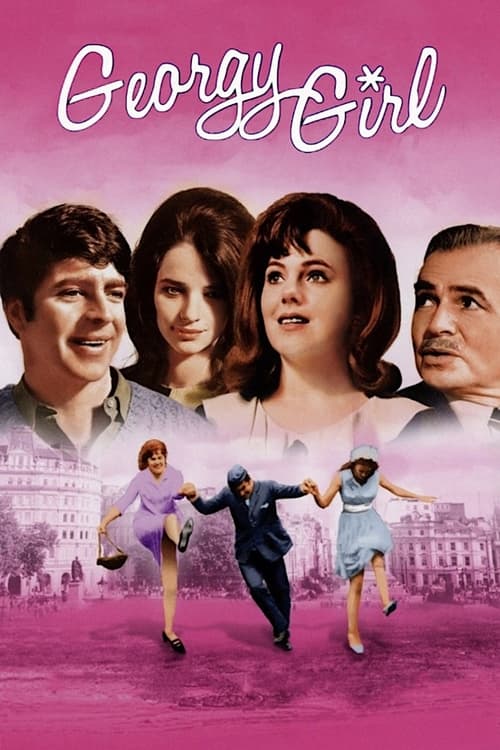
Georgy Girl1966
A few years later, same city, a different unmarried pregnancy — but played with dark comic energy and a looser, swinging-London style that shows how fast the mood was about to change.
But The comic tone undercuts some of the emotional stakes, and its ideas about womanhood feel more mixed than Jane's story.
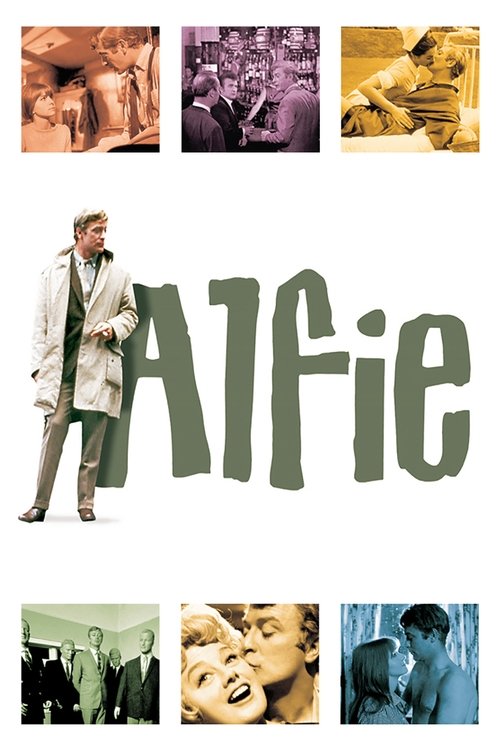
Alfie1966
Same city, same era, the flip side of the coin — a womaniser's view of the illegitimate pregnancies he causes, and a startlingly frank reckoning with consequence and guilt for its time.
But Alfie's charm is meant to curdle, and some viewers find the misogyny hard to sit with even as satire.
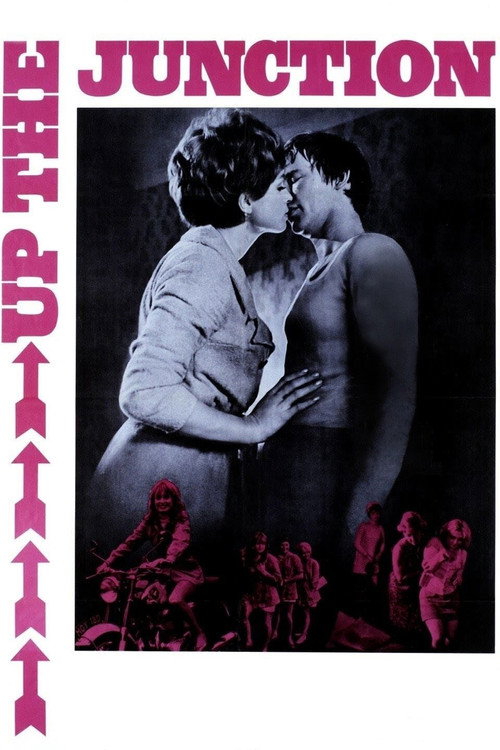
Up the Junction1968
Nell Dunn's world of working-class London women, illegitimate babies and back-street abortion, told with a documentary rawness that pushes Jane's dilemma into starker, less genteel territory.
But It trades the boarding-house warmth for grimmer social realism; there's little of Jane's romantic uplift here.
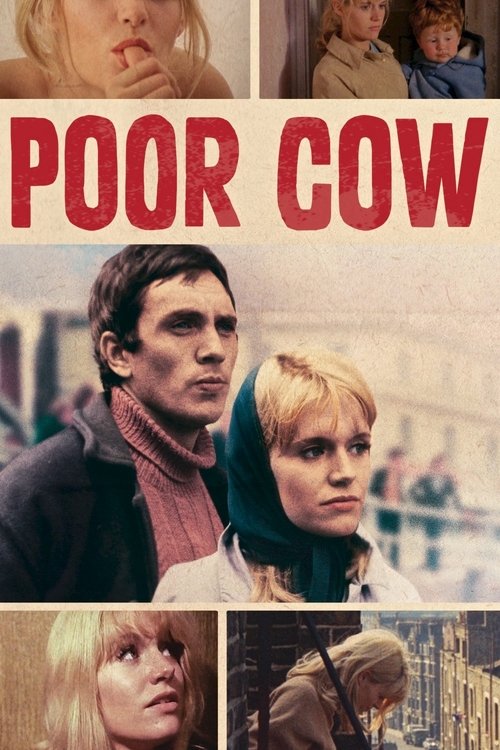
Poor Cow1967
Ken Loach's first film follows a young single mother drifting between men and poverty in London, with a loose, near-documentary style that shows where kitchen-sink drama was heading next.
But Carol White's Joy is less resilient than Jane, and the film offers little of the boarding-house camaraderie that softens the loneliness.
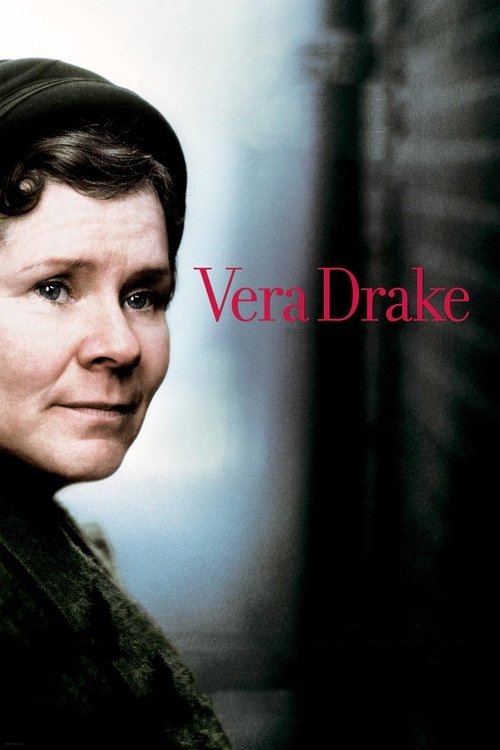
Vera Drake2004
Mike Leigh's later, quieter drama returns to the same unmarried-pregnancy dilemmas from the other side of the room — the woman who helps, not the woman who's pregnant — with the same tender, unshowy realism.
But It's set decades later and asks harder legal and moral questions than Jane's story ever does.
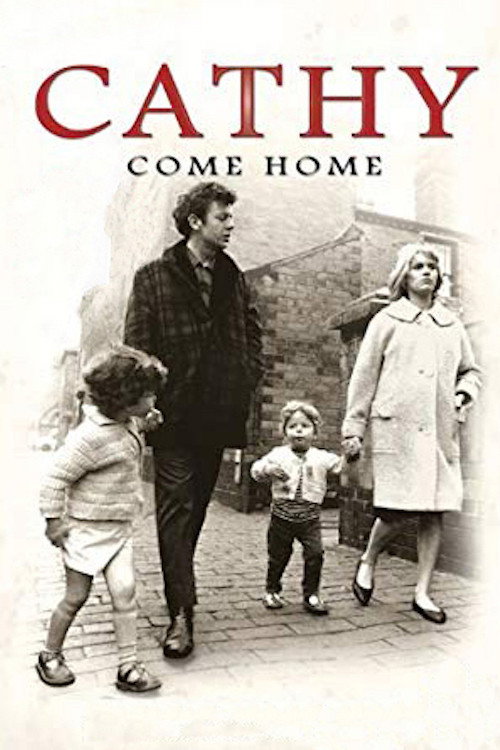
Cathy Come Home1966
Made just four years later by the BBC, it takes the same unmarried-motherhood, housing-insecurity terrain and strips away drama's comfort with documentary technique, making Jane's predicament look almost gentle by comparison.
This legendary BBC play used handheld cameras and real locations to follow a young mother's slide into homelessness, and it hit Britain so hard it changed housing policy — social realism with teeth.
But It's deliberately unbearable, built to provoke outrage rather than comfort, and offers none of the boarding-house warmth Jane finds.
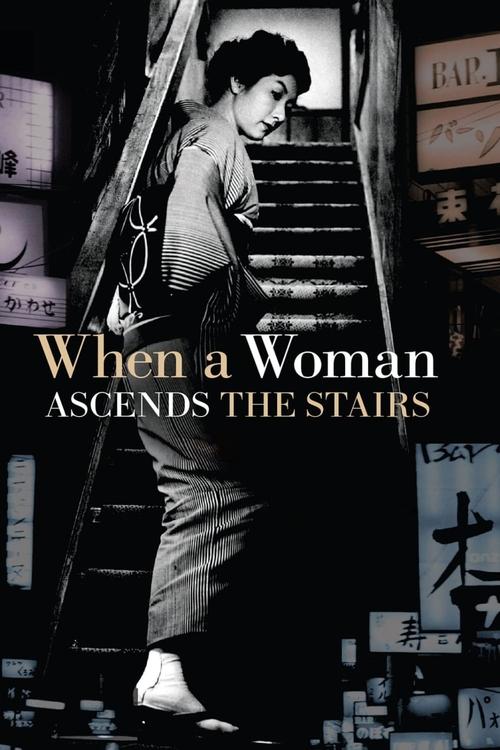
When a Woman Ascends the Stairs1960
A Japanese counterpart made two years earlier — a woman alone, financially precarious, trying to hold onto independence while everyone expects her to marry or disappear; same quiet defiance, entirely different cinema.
Mikio Naruse's masterpiece follows a Ginza bar hostess weighing marriage, debt and independence with the same clear-eyed dignity Jane shows — a different culture, the same unglamorous courage.
But It's slower and more restrained than Western melodrama, and subtitled, dialogue-heavy scenes may test patience if you want visible drama.
People
Cast
 Leslie CaronJane Fosset
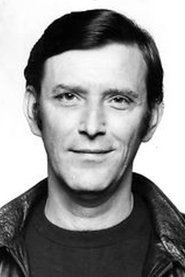 Tom BellToby
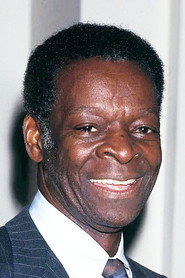 Brock PetersJohnny
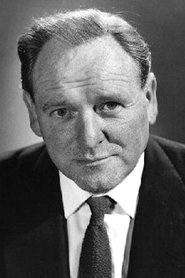 Bernard LeeCharlie
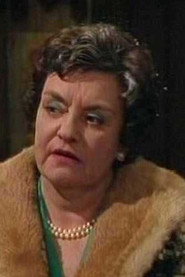 Avis BunnageDoris
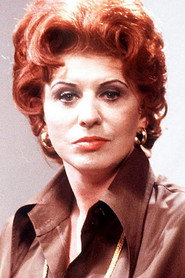 Patricia PhoenixSonia
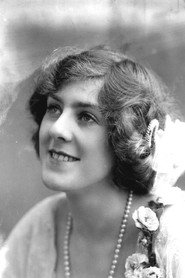 Cicely CourtneidgeMavis
- Verity EdmettJane II
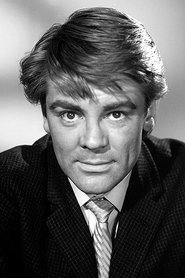 Anthony BoothYouth in Street
 Harry LockeNewsagent
- Ellen DrydenGirl in Newsagent's
 Emlyn WilliamsDr. Weaver
Directing
- Gerald O'HaraAssistant Director
- John QuestedAssistant Director
- Helen WhitsonContinuity
- Penny DanielsContinuity
- Bryan ForbesDirector
Writing
- Lynne Reid BanksNovel
- Bryan ForbesWriter
Production
- Jack RixAssociate Producer
- Jenia ReissarCasting
- James WoolfProducer
- John WoolfProducer
- Richard AttenboroughProducer
- Ann SkinnerProduction Secretary
- Diana HawkinsPublicist
Recommended by
Vera Drake, Saturday Night and Sunday Morning, A Kind of Loving, Up the Junction, Susan Slade, Separate Tables, Rattle of a Simple Man, The Seventh Veil, A Question of Adultery, Beat Girl, In the Cool of the Day, Daisy Kenyon