
Film
When a Woman Ascends the Stairs
- Social drama
- Slow-burning
A 1960 Tokyo portrait of a hostess navigating the Ginza's nightlife, aging into invisibility while supporting dependents she resents. Mizoguchi's final film is a quietly devastating examination of economic desperation dressed as glamour, told with such tenderness that its rage only deepens. For anyone moved by the quiet cruelties of systems that grind women down.
Should you watch it?
Watch it if you like slow, observant portraits of working lives where the real drama is money, dignity and the quiet arithmetic of getting older, with a patient eye for how a city's nightlife wears people down.
Skip it if you need plot momentum, since the pace is unhurried and much of it is conversation and small domestic friction that can test your patience.
What it asks of you: At 111 minutes it is compact, yet it unfolds at a measured, observational pace, lingering on rooms, meals and quiet calculations rather than hurrying toward its beats.
Not sure? Find tonight's pick in a minute.
If you liked this
Tokyo Story1953
Ozu's masterpiece of restraint and emotional precision—another Japanese meditation on time, family obligation, and the unbridgeable distances between people who love each other. A spiritual companion to Mizoguchi's vision.
But Slower and even more austere than When a Woman Ascends the Stairs. If you need plot momentum or clear dramatic arcs, this will test your patience.

In the Mood for Love2000
Wong Kar-wai channels the visual and emotional language of 1960s melodrama to tell a story about longing, restraint, and the spaces between people. Equally hypnotic, equally doomed, equally beautiful.
But Deliberately artificial and stylized where Mizoguchi is naturalistic. Some find it precious rather than moving; the pace is glacial.

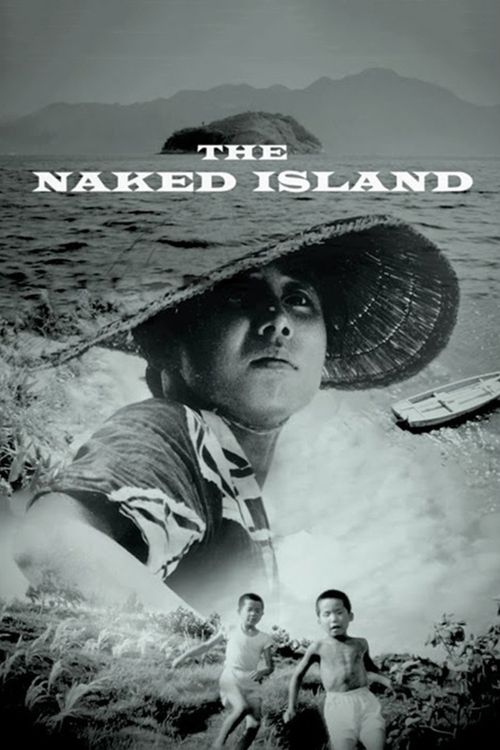
The Naked Island1960
Shindo's stark portrait of a couple farming an isolated island, released the same year, shares Mizoguchi's interest in grinding daily labor and survival. Wordless, meditative, unmerciful.
But Almost completely without dialogue or conventional narrative. The repetition of labor can feel punishing rather than illuminating.
Not sure tonight? Get a pick in a minute, starting from When a Woman Ascends the Stairs
The wildcard
Something you would not have found on your own.
The Ballad of Little Jo1993
Both films understand that survival under patriarchy requires constant performance and self-erasure, but Little Jo trades one costume for another and vanishes entirely. Mizoguchi's tragedy is that Keiko cannot escape even that.
Reichardt's true story of a woman who disguises herself as a man to survive economic abandonment in 1880s Wyoming. Gender disguise as economic strategy—a radical inversion of the performance Keiko must give nightly to survive.
But Western in form and setting but austere and unsentimental about frontier myth. Deliberately resists the epic register you might expect from the premise.

More like this (7)
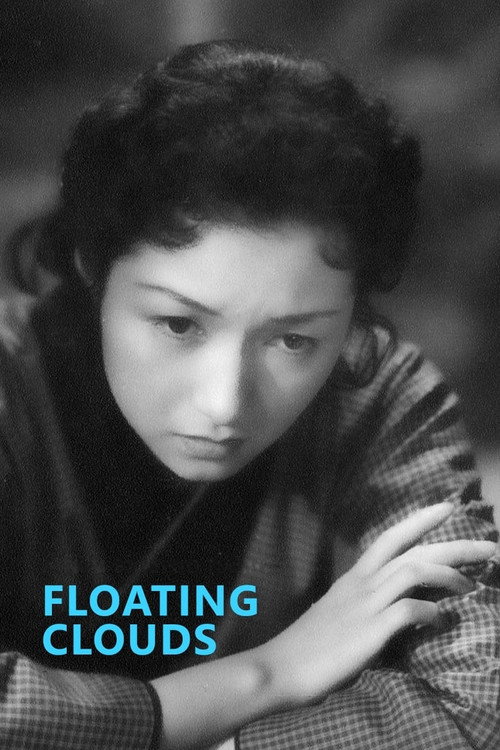
Floating Clouds1955
Naruse's film about a woman destroyed by love and circumstance has the same ruthless clarity about women's vulnerability. A perfect pairing: both ask what happens when the world offers no real choices.
But Bleak in ways that offer no catharsis. If you need your tragedies to feel redemptive, this won't provide it.
Ikiru1952
Kurosawa's masterpiece about a dying bureaucrat searching for meaning shares the film's interest in dignity amid futility, time running out, and the question of what a life adds up to.
But At three hours, it's longer and more explicitly philosophical. Some find the ending sentimental after such hardness.

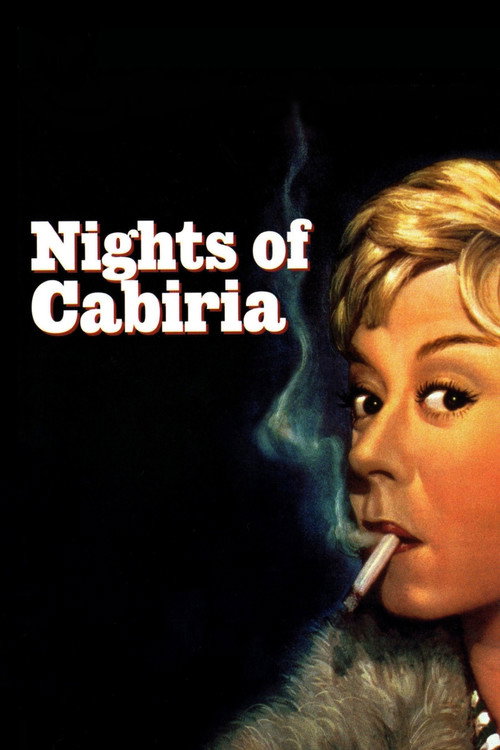
Nights of Cabiria1957
Fellini's prostitute protagonist has Keiko's intelligence, resilience, and terrible luck. Less naturalistic than Mizoguchi but equally compassionate about women scraping by on the margins.
But Far more expressionistic and circusy than the Ginza's quiet devastation. Cabiria's world feels more surreal, less documentary-like.
A Woman's Life2016
Mizoguchi student Masahiro Shinoda follows a geisha's arc across decades with similar attention to the body's betrayal and time's cruelty. A spiritual successor in every way.
But Made 26 years later and it shows—different filmmaking language, different pace. Less formally perfect than its predecessor.

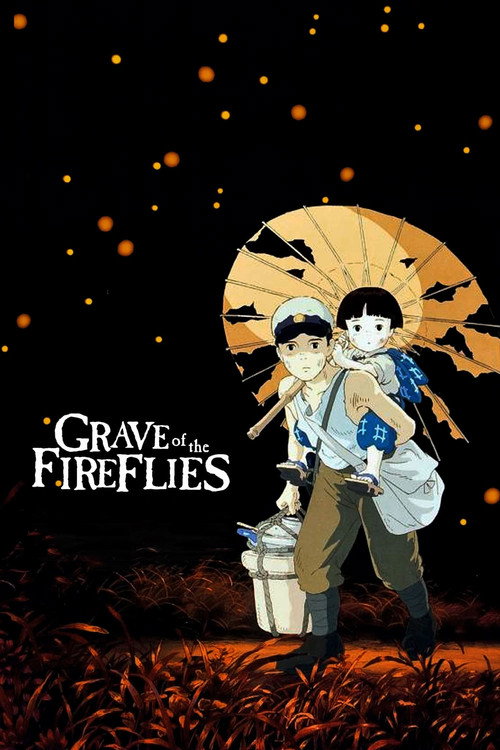
Grave of the Fireflies1988
Takahata's animation about siblings struggling to survive wartime Japan shares Mizoguchi's refusal to look away from systemic cruelty or offer false comfort. Shattering without being sentimental.
But Animation disguises nothing—if anything it makes the suffering more immediate. A genuinely difficult watch; many find it unbearable.
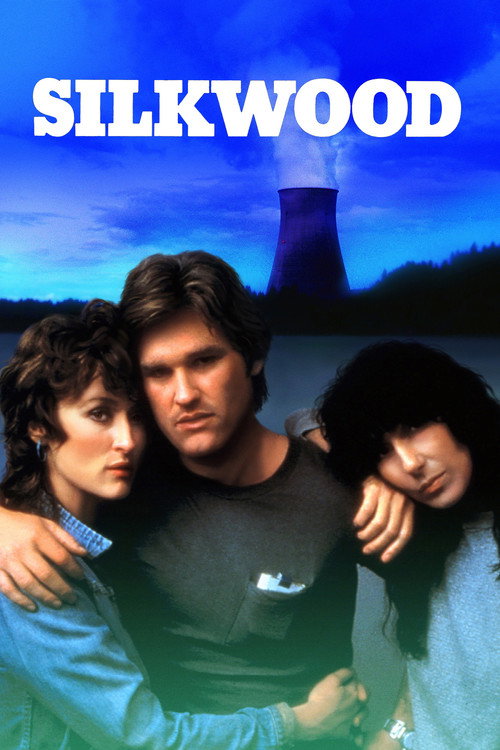
Silkwood1983
Meryl Streep as a woman fighting a system indifferent to her survival. Contemporary Hollywood approach to the same economic entrapment and the cost of staying afloat.
But More overtly political and American than Mizoguchi's psychological precision. Less interested in the interior life, more in institutional blame.
Stalker1979
Both films are about the unbridgeable distance between desire and its fulfillment, and both suggest that the distance itself is the point. Stalker reaches toward the infinite; Keiko is trapped in the finite. Same despair, different geometry.
Tarkovsky's science-fiction meditation on desire, failure, and the space between hope and despair. Formally abstract where Mizoguchi is concrete, but the emotional architecture is identical: nothing you reach for ever satisfies.
But A 163-minute Soviet science-fiction film about three men walking through a zone. If you hated the pacing of Mizoguchi, this will destroy you.

People
Cast
 Hideko TakamineKeiko Yashiro
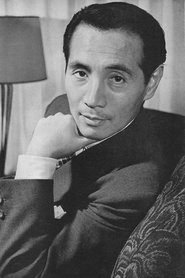 Masayuki MoriNobuhiko Fujisaki
 Reiko DanJunko Inchihashi
 Tatsuya NakadaiKenichi Komatsu
 Daisuke KatōMatsukichi Sekine
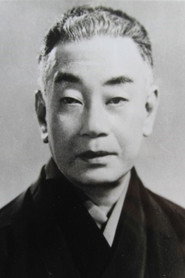
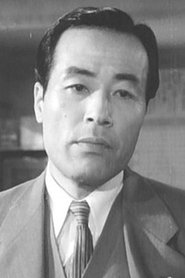 Eitarō OzawaMinobe
 Keiko AwajiYuri
 Chieko NakakitaTomoko
 Jun TataraGoldfish
 Yū FujikiMatsui
 Masao OdaYoshizo Yashiro
Directing
- Sakae HirosawaAssistant Director
- Mikio NaruseDirector
Writing
- Ryuzo KikushimaScreenplay
Production
- Ryuzo KikushimaProducer
Recommended by
Kiki's Delivery Service, The Twilight Samurai, The L-Shaped Room, The Sea Is Watching, The Awakening, Early Spring, Sound of the Mountain