
Film
Early Spring
- Drama
- Romantic drama
- Slow-burning
Yasujirō Ozu's study of marital erosion in post-war Japan. A young salaryman and his wife drift apart; he seeks solace elsewhere. Ozu films ordinary domestic life with such precision and affection that small silences become devastating. It's patient, sometimes austere, and speaks to anyone who's watched intimacy curdle into routine.
If you liked this
Tokyo Story1953
Ozu's masterpiece about a aging couple visiting their son in Tokyo. If you respond to Early Spring's unhurried observation of family and time's passage, this will move you profoundly. Considered one of cinema's greatest achievements.
But Plotless by conventional standards. The film unfolds through conversation and stillness rather than incident, which can feel like watching paint dry if you need narrative momentum.

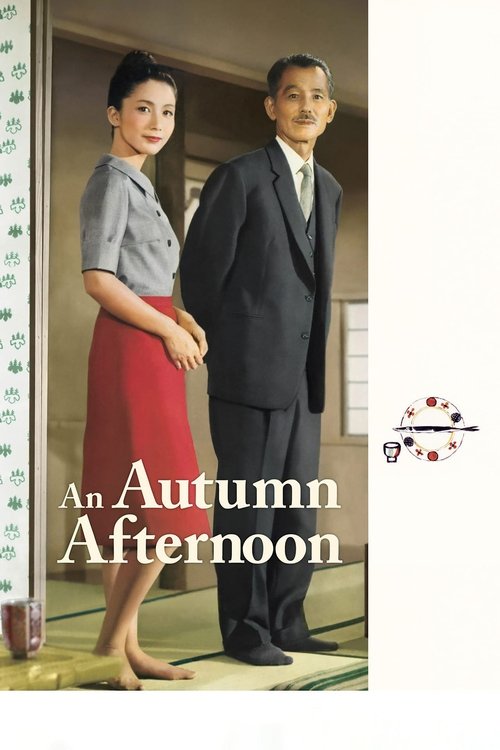
An Autumn Afternoon1962
Ozu's final film, equally subtle and sorrowful. A widower navigates duty, loneliness, and the distance between generations. The emotional precision rivals Early Spring; a meditation on what we settle for.
But Again, Ozu's pace and refusal to dramatize. If you found Early Spring slow, this won't change your mind. It's 111 minutes of acceptance and regret.
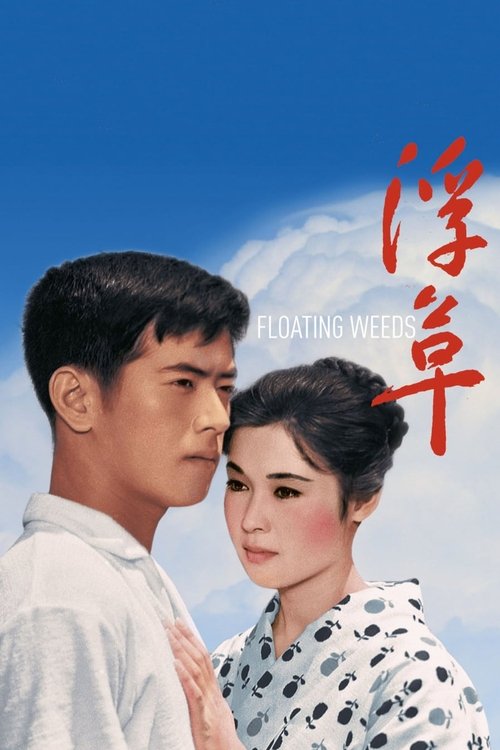
Floating Weeds1959
Ozu in colour, exploring desire and deception in a small town. A travelling actor returns to his mistress and illegitimate son; old attractions and new resentments collide. Rich, complex, visually gorgeous.
But The moral ambiguity is unresolved. Nobody learns much or changes fundamentally, which frustrates viewers who expect narrative redemption.
Not sure tonight? Get a pick in a minute, starting from Early Spring
The wildcard
Something you would not have found on your own.
In the Mood for Love2000
Both explore infidelity and marital erosion, but Wong transforms Ozu's restraint into lyrical excess. Same moral question; opposite aesthetic temperature.
Wong Kar-wai's elegy for desire and restraint. Two neighbours discover their spouses are having an affair; they begin to recreate the affair to understand it. A Ozu meditation remade through colour, music, and baroque obsession. About the gap between feeling and action.
But Visually sumptuous to the point of abstraction. If you need narrative clarity, the film's dreamy circularity will frustrate you. Long silences punctuated by aching instrumental music.

More like this (7)
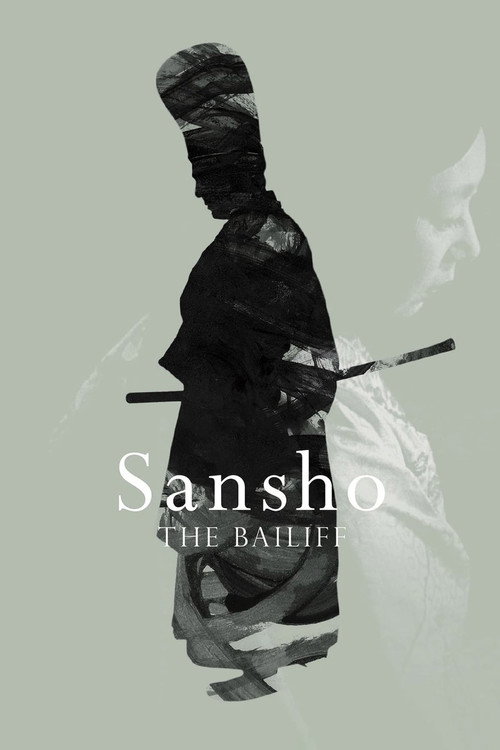
Sansho the Bailiff1954
Mizoguchi's tragic masterpiece about a family torn apart by slavery and corruption. Like Ozu, Mizoguchi finds profound humanity in suffering. Austere, formally perfect, and heartbreaking in ways that feel both inevitable and unbearable.
But Relentlessly bleak. The film offers no comfort or justice, only endurance. If you watched Early Spring hoping for reconciliation, this offers none.
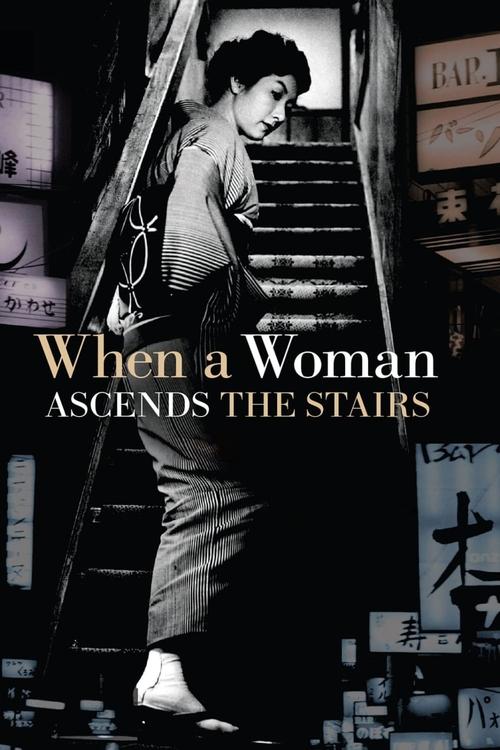
When a Woman Ascends the Stairs1960
Masaki Kobayashi's portrait of a bar hostess in Tokyo navigating survival, desire, and compromised choices. Formally as controlled as Ozu, but with an edge of desperation. Precise observation of how women navigate impossible situations.
But Claustrophobic and repetitive by design—that's the point, but it can feel punishing. No catharsis, only the daily grind of compromise.
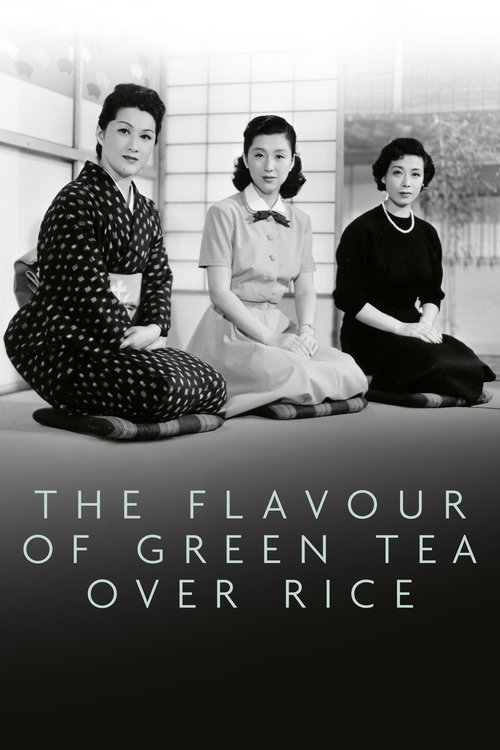
The Flavor of Green Tea Over Rice1952
Another Ozu gem about a couple's stalled marriage. Wife and husband inhabit the same house like strangers. When they're briefly separated, absence rekindles something neither expected. Tender and wry.
But Shorter and gentler than Early Spring, which some find less substantial. The resolution feels almost too neat after the accumulation of quiet disappointment.
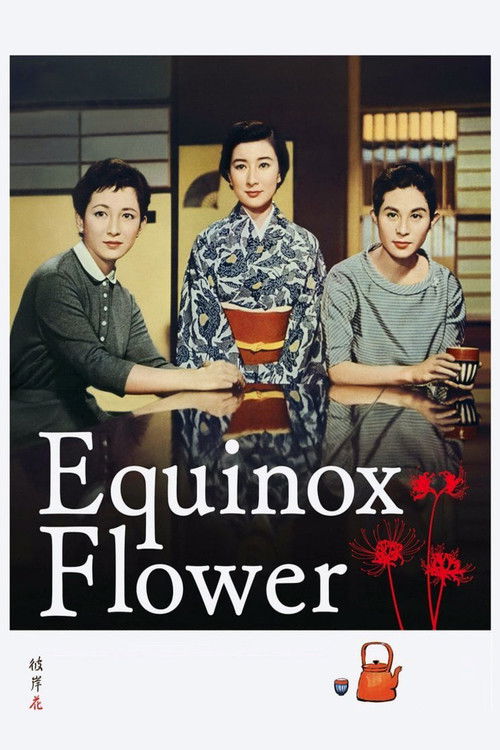
Equinox Flower1958
Ozu's first colour film. A father struggles with his daughter's choice of husband; generational friction and stubbornness. Ozu's warmth is more visible here, though the melancholy remains. A good entry if you want Ozu with slightly more lightness.
But The father-daughter dynamic can read as dated. The gender politics feel of their time in ways that distract from the emotional core.
Harakiri1962
Masaki Kobayashi's devastating samurai film about honour, duty, and the systems that crush individuals. Different era and genre, but the same unflinching examination of how people sacrifice themselves to convention. Formally extraordinary.
But Violent and graphically brutal in ways that contradict its elegance. The tonal shift can feel manipulative if you're resistant to the film's anger.

Stalker1979
Both use long takes and silence to examine emotional distance. Tarkovsky finds the metaphysical in the mundane; Ozu finds the cosmic in the domestic. Same formal patience, different worlds.
Andrei Tarkovsky's science-fiction meditation on desire, faith, and the spaces between people. Three men journey through a mysterious zone toward a room that grants wishes. Shot with hypnotic slowness; about the paralysis of choice and longing.
But 163 minutes of very little happening. Philosophical rather than narrative. If you found Early Spring slow, this will feel like a test of endurance rather than cinema.

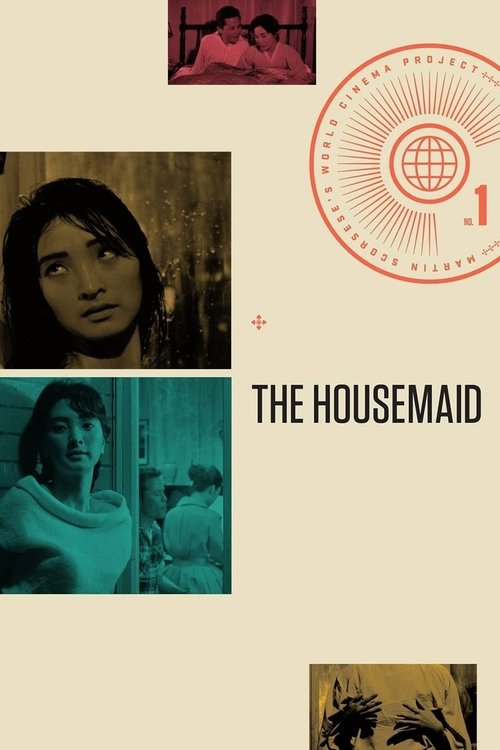
The Housemaid1960
Both dissect marriage and family with precision, but Kim weaponizes Ozu's formal control into dread. Same milieu, opposite emotional register: one is melancholy; the other is vengeful and strange.
Kim Ki-young's brilliant, escalating horror-drama about a housemaid who infiltrates and destroys a family from within. A thriller dressed as domestic realism. The marriage at its centre corrodes not through infidelity but through poisonous presence. Ozu's world inverted into nightmare.
But Tonal whiplash. Starts as naturalistic drama, becomes Gothic and increasingly stylized. The horror elements feel at odds with the early realism; the ending divides viewers on whether it works.
People
Cast
 Chikage AwashimaMasako Sugiyama
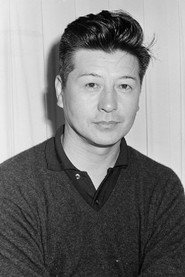 Ryō IkebeShôji Sugiyama
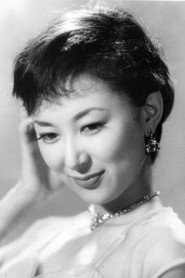 Keiko KishiChiyo Kaneko aka Goldfish
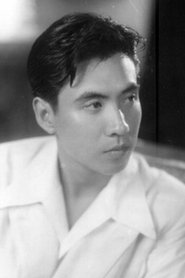 Teiji TakahashiTaizo Aoki
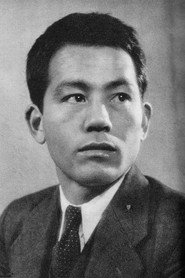 Chishū RyūKiichi Onodera
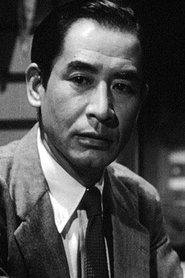 So YamamuraYutaka Kawai
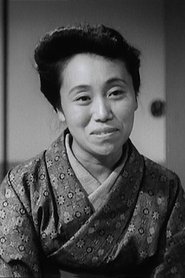 Haruko SugimuraTamako Tamura
- Takako FujinoTerumi Aoki
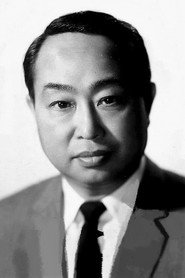 Daisuke KatōSakamoto
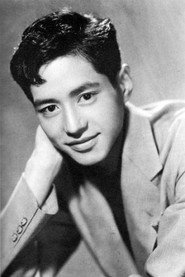 Masami TauraKoichi Kitagawa
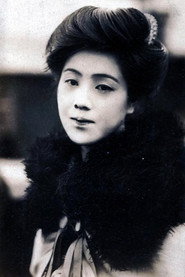 Kumeko UrabeShige Kitagawa
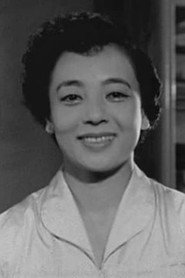 Kuniko MiyakeYukiko Kawai
Directing
- Yasujirō OzuDirector
Writing
- Kōgo NodaScreenplay
- Yasujirō OzuScreenplay
Production
- Shizuo YamanouchiProducer