
Film
An Autumn Afternoon
Ozu's final film, made the year before he died, watches an aging widower nudge his daughter toward marriage while he quietly measures out his own remaining time in sake, small talk and half-finished sentences. Nothing much happens and everything does. It's slow, immaculate, deceptively cheerful — a film about loneliness that never raises its voice, for viewers who like their heartbreak understated.
If you liked this
Tokyo Story1953
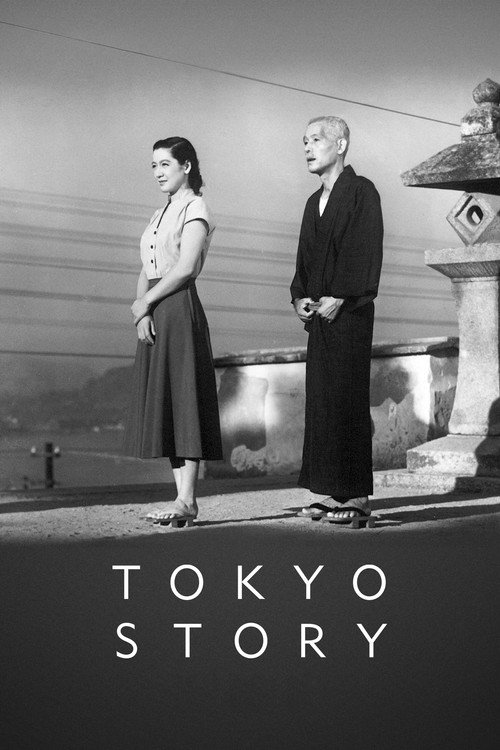
The film Ozu made a decade earlier tackling the same ache from the parents' side — an elderly couple visit their grown children in the city and discover how little room they've been left. It's the emotional bedrock beneath An Autumn Afternoon.
But It's often called the saddest film ever made, and it earns that reputation — go in braced.
Late Spring1949
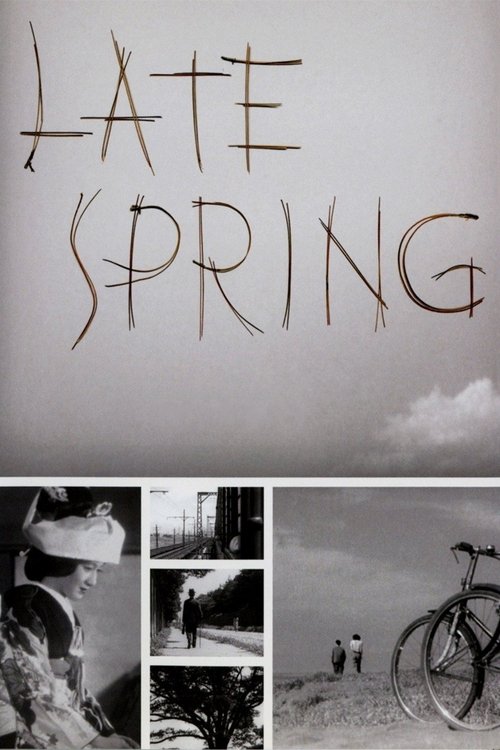
Ozu's earlier, near-identical premise: a widowed father arranges his daughter's marriage, this time from the other direction, with Setsuko Hara instead of a son doing the nudging. Watch it as the film's true sibling.
But If you've just seen An Autumn Afternoon, the déjà vu is real — same director, same chessboard, similar moves.
Still Walking2008
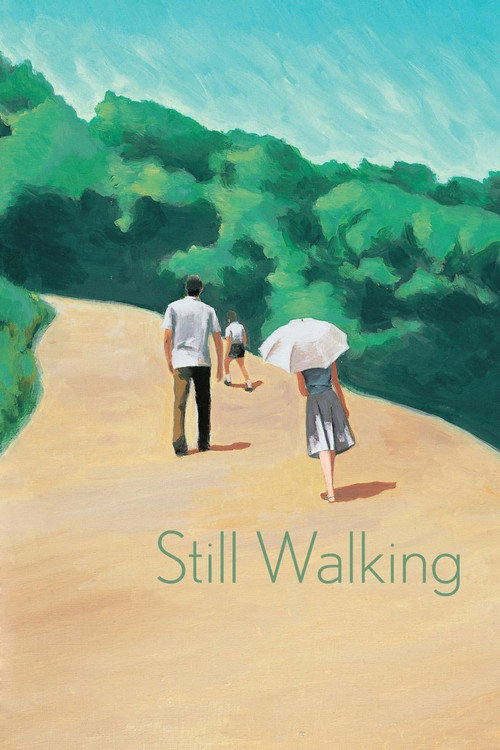
Kore-eda's spiritual heir to Ozu: a family reunion over one day, full of the small tensions and tenderness of people who love each other imperfectly. Gentler camera, same unbearable precision about family obligation.
But If Ozu already felt slow to you, this one takes its time even more deliberately.
The wildcard
Something you would not have found on your own.
Make Way for Tomorrow1937
This is reportedly the film that gave Ozu the emotional architecture he spent his career refining — the same question of parents becoming inconvenient, asked twenty-five years earlier, in a country and industry that had no patience for it and buried it as a result.
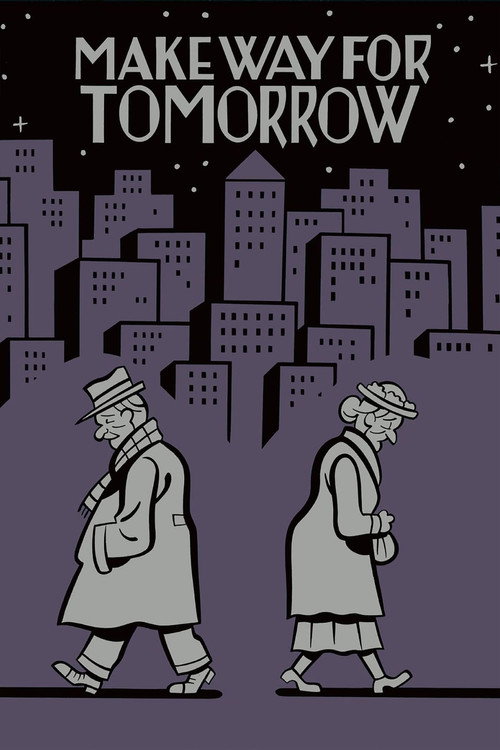
The 1937 American film Ozu is said to have watched obsessively before making Tokyo Story — an elderly couple, separated by children who love them but have no room for them, told with a bluntness Hollywood rarely allowed itself.
But Leo McCarey's ending is far bleaker than anything Ozu permits himself — there's no consoling grace note here.
More like this (8)
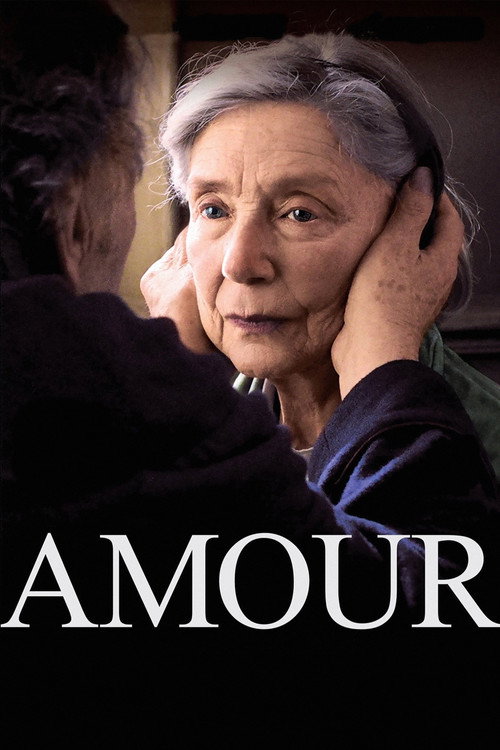
Amour2012
The same question — what we owe our aging parents, our aging selves — pushed to its starkest, most unsentimental conclusion. Haneke strips away Ozu's warmth and shows what's left underneath.
But It is genuinely harrowing where Ozu is wistful; this is not a film for a soft evening.
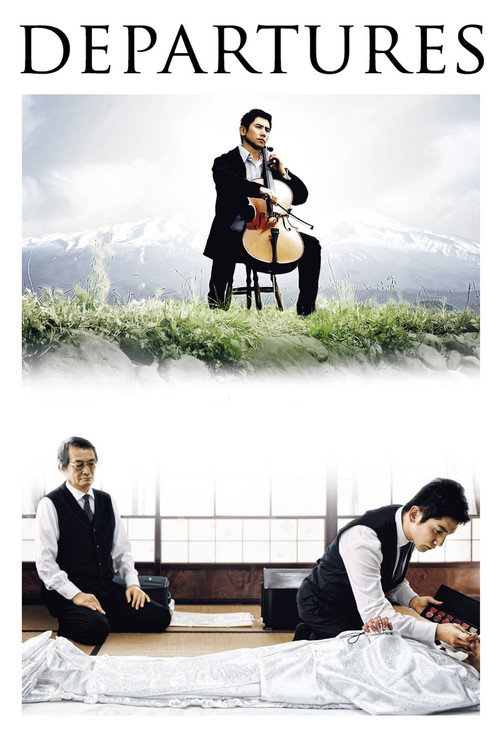
Departures2008
A young man stumbles into work as a ritual mortician and finds, through death, a way back to family and dignity. Same tenderness toward ordinary Japanese life and its rituals, but a warmer ending.
But It leans more sentimental than Ozu ever allowed himself — you may find it a touch manipulative.
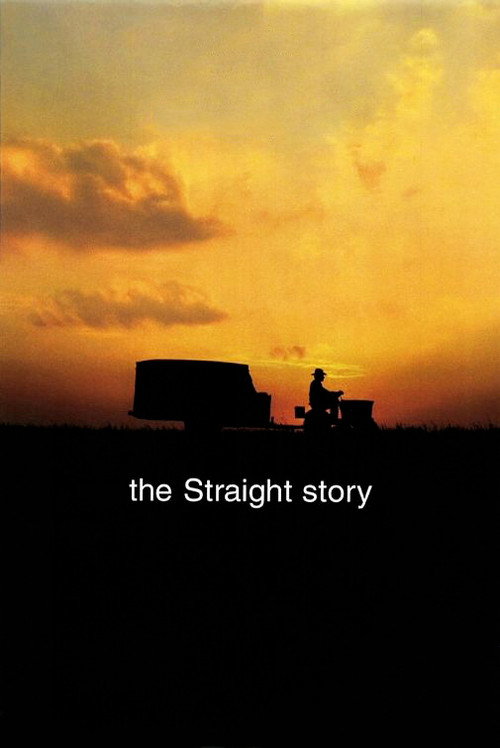
The Straight Story1999
David Lynch's gentlest film: an old man drives a lawnmower across states to see his estranged brother. Same unhurried patience, same faith that small human moments carry all the weight.
But It's an unusual entry point to Lynch, and some will find its sweetness almost too plain.
On Golden Pond1981no page yet
An aging couple, a visiting daughter, a summer running out — American theatre-craft doing something close to what Ozu does with silence and framing. Hepburn and Fonda are quietly devastating.
But It's talkier and more overtly sentimental than Ozu's method — the emotions are stated, not just implied.
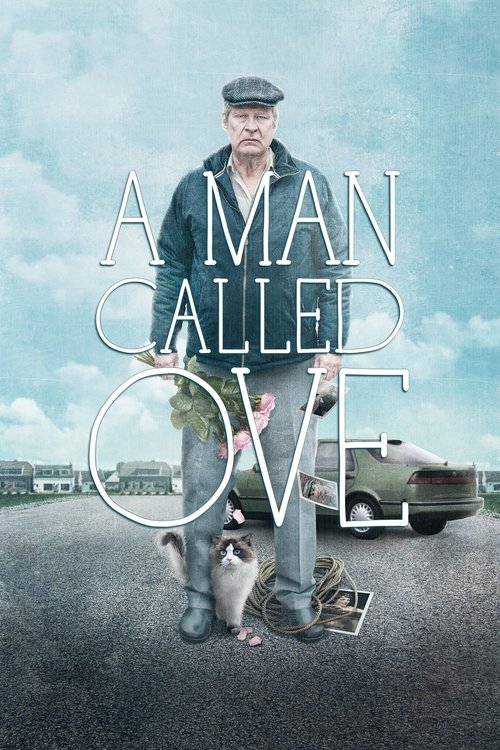
A Man Called Ove2015
A cantankerous Swedish widower's world cracks open when new neighbours move in — proof that stories about loneliness and grief can still let themselves be funny and warm.
But It's broader and more comic than anything in Ozu's register; the tonal shift might feel like a different film.
The Trip to Bountiful1985no page yet
Geraldine Page's Oscar-winning turn as an old woman desperate to see her hometown once more before she dies — a quieter American cousin to Ozu's meditations on time running out.
But It's stagier and more openly emotional; the restraint that defines Ozu is mostly absent here.
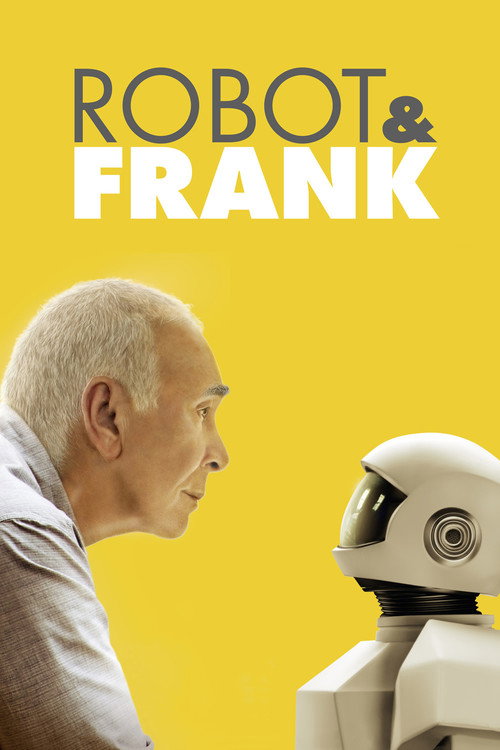
Robot & Frank2012
Same shape, different costume: a parent resisting the loving intrusions of children trying to arrange his care, except the daughter's role is played by a robot and the whole thing runs on gadget comedy instead of tatami-mat silence.
A cranky retired jewel thief is given a robot caretaker by his worried son — a near-future comedy asking the exact question An Autumn Afternoon asks about independence, dignity, and who gets to decide when someone needs looking after.
But It's a small, low-key indie, and the sci-fi premise might sound like a mismatch for Ozu's world.
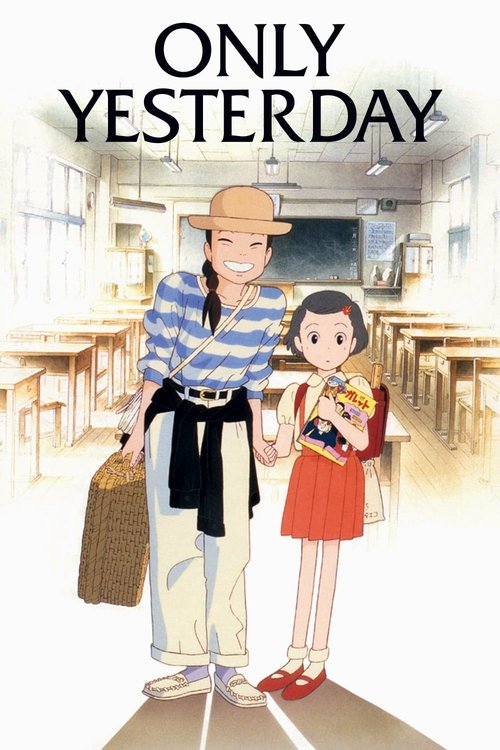
Only Yesterday1991
Same culture, same unhurried attentiveness to ordinary domestic choices and the quiet weight of marriage decided partly for others — but told through drawn, remembered Japan rather than Ozu's precise tatami-level camera, proving the mode survives a total change of medium.
A Studio Ghibli film for adults: a woman in her late twenties, on a train to the countryside, drifts into memories of fifth grade and starts questioning the life and marriage she's drifted into. Animated, but entirely grown-up.
But If you associate animation with children's films, the total absence of fantasy or spectacle here might surprise you in the wrong way.
People
Cast
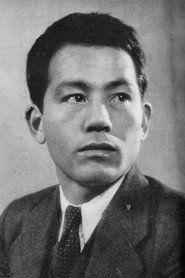 Chishū RyūShuhei Hirayama
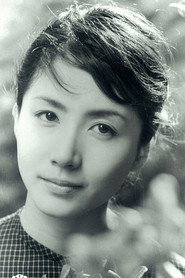 Shima IwashitaMichiko Hirayama
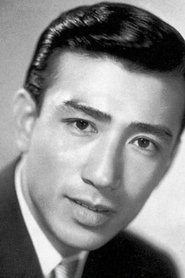 Keiji SadaKoichi
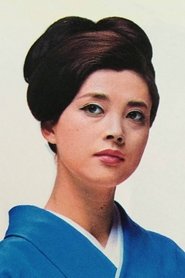 Mariko OkadaAkiko
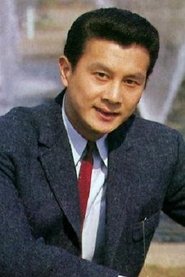 Teruo YoshidaYutaka Miura
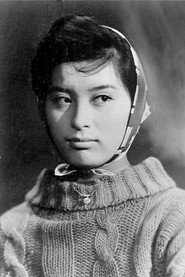 Noriko MakiFusako Taguchi
 Shinichirō MikamiKazuo
 Nobuo NakamuraShuzo Kawai
 Eijirō TōnoSakuma, The 'Gourd'
 Kuniko MiyakeNobuko
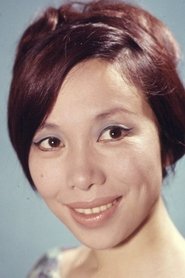 Kyôko KishidaMadame Kaoru
- Ryuji KitaTamako
Directing
- Kôzô TashiroAssistant Director
- Yasujirō OzuDirector
Writing
- Kōgo NodaScreenplay
- Yasujirō OzuScreenplay
Production
- Shizuo YamanouchiProducer