
Film
The Ballad of Narayama
Other titles called The Ballad of Narayama: the 1983 film.
- Drama
- Very dark
- Slow-burning
A devastating 1958 Japanese masterpiece about a grandmother approaching the mandatory age of death in a village where starvation dictates custom. Kinuyo Tanaka's performance transforms ritual into intimacy. It's tender and terrible—a film that watches you watching it, asking what we owe each other when survival is at stake.
Should you watch it?
Watch it if you love stark, stylised folk parables where ritual, seasons and a bare mountain carry the feeling more than dialogue does.
Skip it if the mood is unrelentingly bleak and the stylised theatre-like staging can feel rigid, so if you want naturalism or lightness, this will test your patience.
What it asks of you: Plan on a compact ninety-eight minutes of stylised, theatrical sets and long still compositions, where patience with formality pays off more than close emotional detail.
Not sure? Find tonight's pick in a minute.
If you liked this
Tokyo Story1953
Ozu's contemplation of aging and family obligation shares Narayama's quiet depth but approaches it through the domestic rather than the ritual. Both films treat the approach of death as a normal condition deserving grace.
But It moves with a deliberate patience that some find glacial; there's virtually no plot in the conventional sense. Expect long silences.

Ikiru1952
Kurosawa's dying bureaucrat searches for meaning in a life of routine, much as Orin searches for dignity in her approach to death. Both are profound meditations on what makes a life count.
But It's a slow examination of grief and regret that doesn't offer comfort or neat resolution. The pace will test your patience.

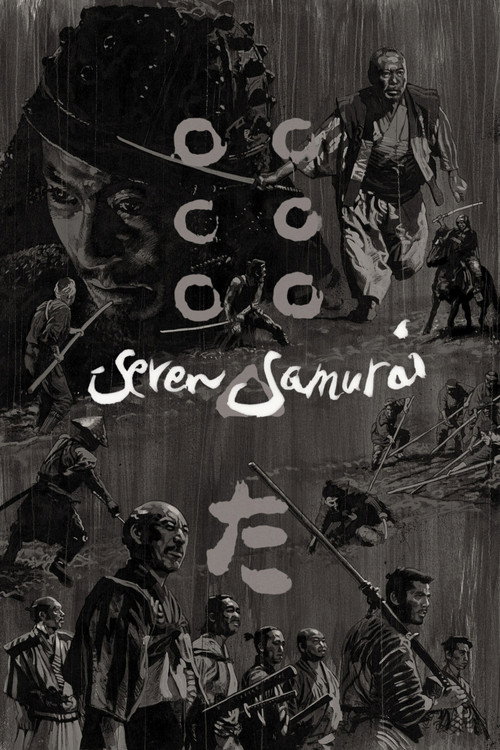
Seven Samurai1954
Another Kurosawa epic about survival against indifferent circumstance, with a similarly unflinching view of how communities function under pressure. The human stakes feel enormous.
But It's three and a half hours and you need subtitles, which means real commitment. The action sequences can feel dated now.
Not sure tonight? Get a pick in a minute, starting from The Ballad of Narayama
The wildcard
Something you would not have found on your own.
Come and See1985
Both films use an individual body as the stage for examining how community and custom demand sacrifice from those least able to resist.
Elem Klimov's Soviet film about a boy conscripted into war is the most devastating film ever made about how systems use and destroy the innocent. Like Narayama, it refuses to look away from what societies demand of their vulnerable members, but it does so through annihilating violence rather than ritual. Both films leave you altered.
But It's an ordeal to watch—graphic, relentless, and intentionally traumatizing. Not viewing, but enduring. Many people begin it and cannot finish.

More like this (8)
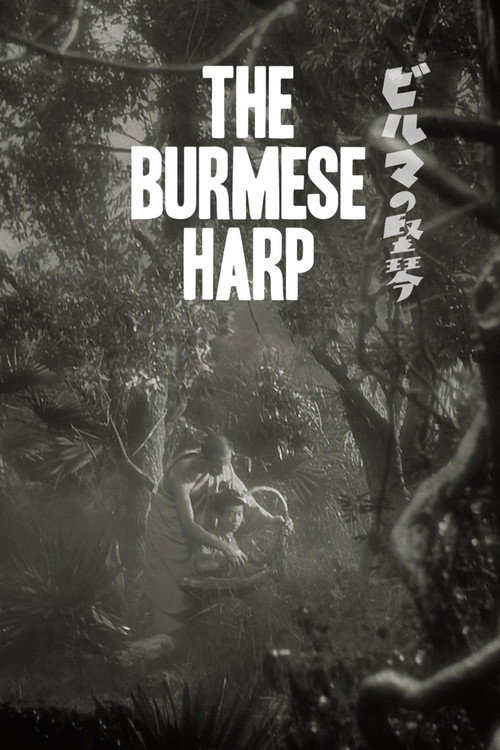
The Burmese Harp1956
Ichikawa's film about a Japanese soldier in Burma grapples with duty, conscience, and what we owe the dead—moral questions in the same register as Narayama, with stunning visual beauty.
But It's a war film but not an action film, so if you came for combat you'll be disappointed. The pacing is meditative to the point of slowness.
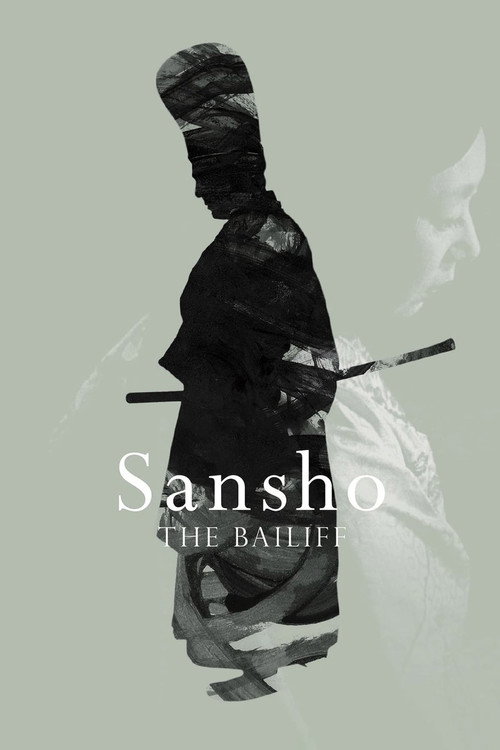
Sansho the Bailiff1954
Mizoguchi's masterpiece about a family destroyed by cruelty and servitude explores how social systems crush the vulnerable, much as Narayama examines custom crushing compassion.
But It's relentlessly bleak and features extended scenes of suffering. The film doesn't look away, which is the point but also grueling to sit with.
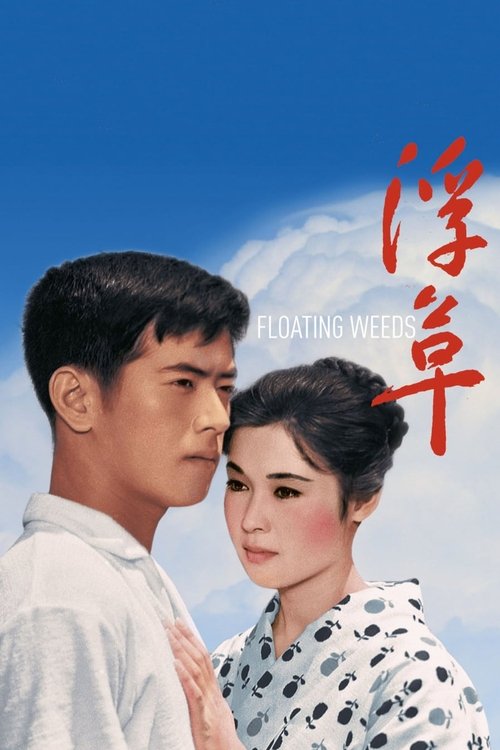
Floating Weeds1959
Ozu's colour film about an aging theatrical troupe revisiting a small town meditates on impermanence, performance, and the life cycle. It shares Narayama's acceptance of transience.
But Like all Ozu, it requires you to adjust to his compositional rhythm. Shot from low angles with long static takes, it's very much cinema for people who love cinema.
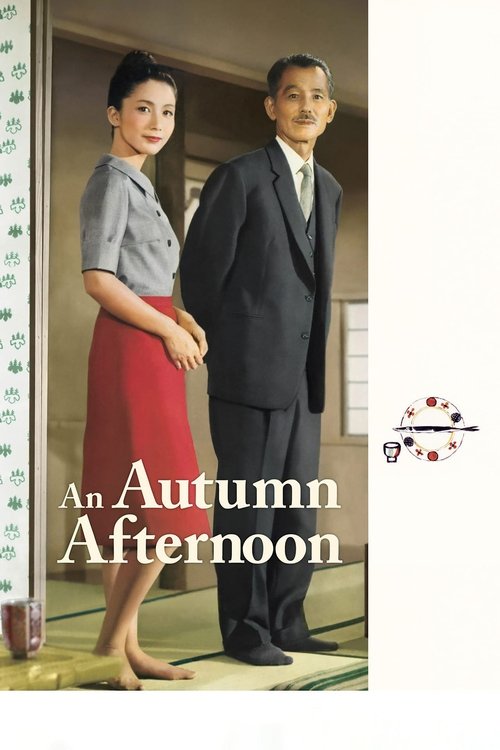
An Autumn Afternoon1962
Ozu's final film is his most poignant: a widower watches his youngest daughter prepare to leave. Both this and Narayama are about love expressed through letting go.
But It's spare to the point of austerity. If you need plot or dramatic confrontations, you'll find this baffling and slow.
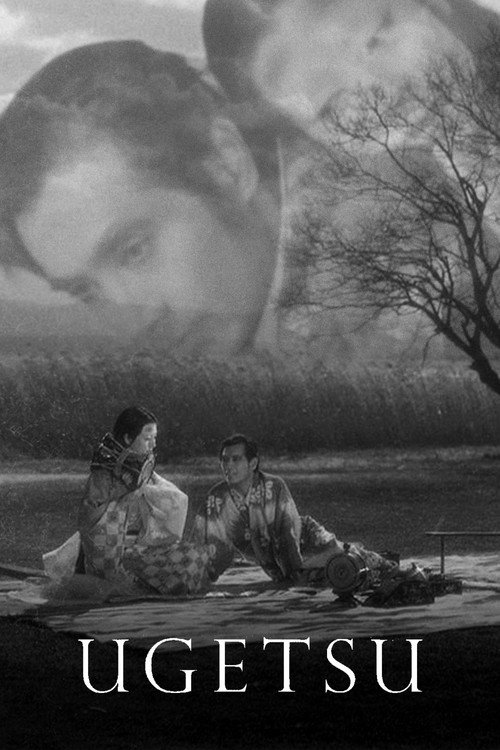
Ugetsu1953
Mizoguchi's haunting tale of war, desire, and ghosts has the same lyrical quality as Narayama and an equally unflinching view of how people exploit each other in hard times.
But The supernatural elements can feel incongruous if you're not accustomed to that kind of tonal shift. It's also slow-burning and demands patience.
Harakiri1962
Masaki Kobayashi's formal masterpiece about ritual suicide and the systems that enforce it shares Narayama's examination of how custom demands the destruction of human beings.
But It's visually austere and emotionally harrowing. The blade work is brutal and the film offers no catharsis, only clarity about cruelty.

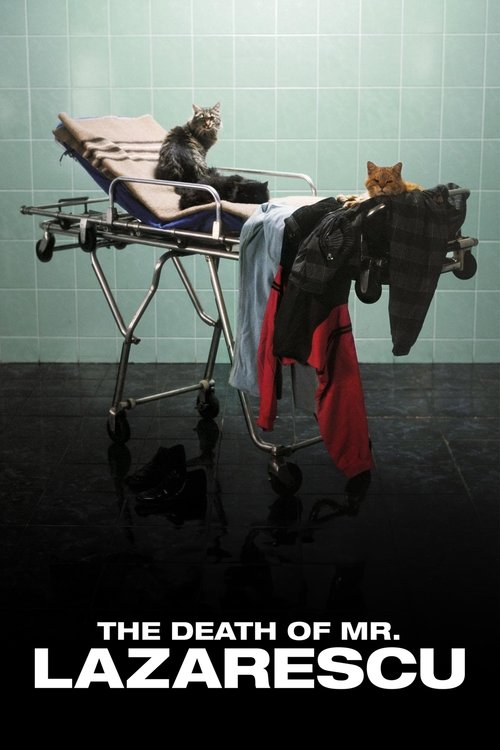
The Death of Mr. Lazarescu2005
Both examine the invisibility of the elderly within their own societies—one through ancient ritual, one through modern institutional neglect.
Cristi Puiu's Romanian film follows an elderly man through a nightmare hospital night—a radically different register (contemporary, urban, almost documentary in style) but identical thematic obsession: how societies treat their elders with bureaucratic indifference. It's longer, stranger, and far more modern, but the moral core is Narayama's.
But It's two hours and forty minutes of an old man in distress with little dialogue and almost no plot. Puiu's style is deliberately unglamorous and tedious in places. Many will find it unwatchable.
A Ghost Story2017
Both films treat mortality not as tragedy but as condition, and both find love not as a way to escape death but as a way to accept and honor it.
David Lowery's film about a widow grieving her husband transformed into a ghost is visually and tonally unlike Narayama—it's mysterious, sometimes funny, decidedly metaphysical—yet it's fundamentally about the same thing: how we live with the knowledge of our impermanence and how love persists across the boundary of death. It will move you in ways you won't expect.
But The visual style (shot on 4:3 ratio, often in shadows) takes adjustment. The pacing is dreamlike rather than narrative. Some find it pretentious rather than profound, and the emotional payoff requires patience.

People
Cast
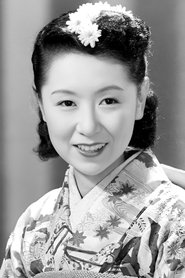 Kinuyo TanakaOrin
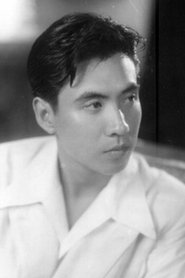 Teiji TakahashiTatsuhei
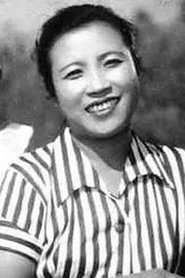 Yūko MochizukiTamayan
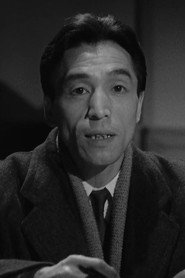 Seiji MiyaguchiMatayan
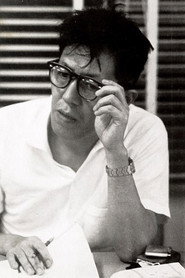 Yūnosuke ItōMatayan's son
- Ken MitsudaTeruyan
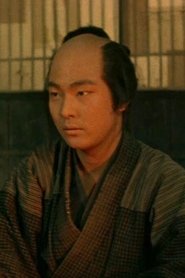 Danko IchikawaKesakichi
- Keiko OgasawaraMatsu-yan
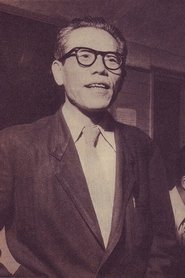 Eijirō TōnoMessenger
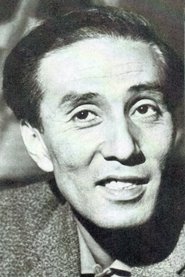 Kō NishimuraOne of the villagers who Teaches Narayama's Manners (uncredited)
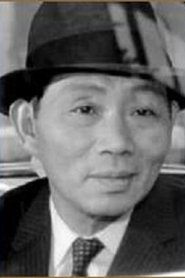 Masao OdaOne of the villagers who teaches Narayama's manners
- Katsuyuki HattoriTatsuhei's son (uncredited)
Directing
- Yoshikazu ŌtsukiAssistant Director
- Keisuke KinoshitaDirector
Writing
- Shichirō FukazawaNovel
- Keisuke KinoshitaScreenplay
Production
- Masaharu KokajiProducer
- Ryuzo OtaniProducer